
I used to think eating out was always a treat, but over time, it started to lose its charm. Long waits, loud crowds, and disappointing meals became more common than I expected. It is hard to enjoy yourself when the bill keeps growing and the experience does not match the price. Restaurants have their moments, but they are not always the relaxing escape we imagine. Sometimes, a quiet meal at home is exactly what you need. Once you take a closer look, dining out is not as perfect as it seems.
Note: The content of this article does not reflect the Writer's personal beliefs.
Food allergies

The biggest concern when dining out is being unable to cater to dietary needs. Not all of us have the privilege of dining out freely, and seeing countless options for people without allergies and none for those with allergies is disheartening.
It’s not the only concern; most eateries might not provide a 100% allergy-free zone, so the risk of cross-contamination is high. Cooking at home gives us control over ingredients, preventing interactions.
Rushed atmosphere

Most of the time, eating out is disappointing because of the rushed atmosphere. The servers are quickly moving between tables, customers are constantly bustling in, and although the atmosphere means it’s a successful eatery, the eating experience might not be.
A rushed atmosphere creates a frustrating and unwanted feeling, making us disappointed. Of course, we can eat in a calmer ambiance at home.
Waiting times

The worst part about choosing to dine out is the ungodly amount of wait. Wait times at eateries are ridiculously high, so we have to wait minutes and even hours on end to get a table.
Sadly, the saga doesn’t end here; ordering and eating food becomes a waiting game, and by the time it arrives on the table, we have often lost our appetites. There’s no waiting game at home (unless you’ve got teenagers who show up late).
Poor service
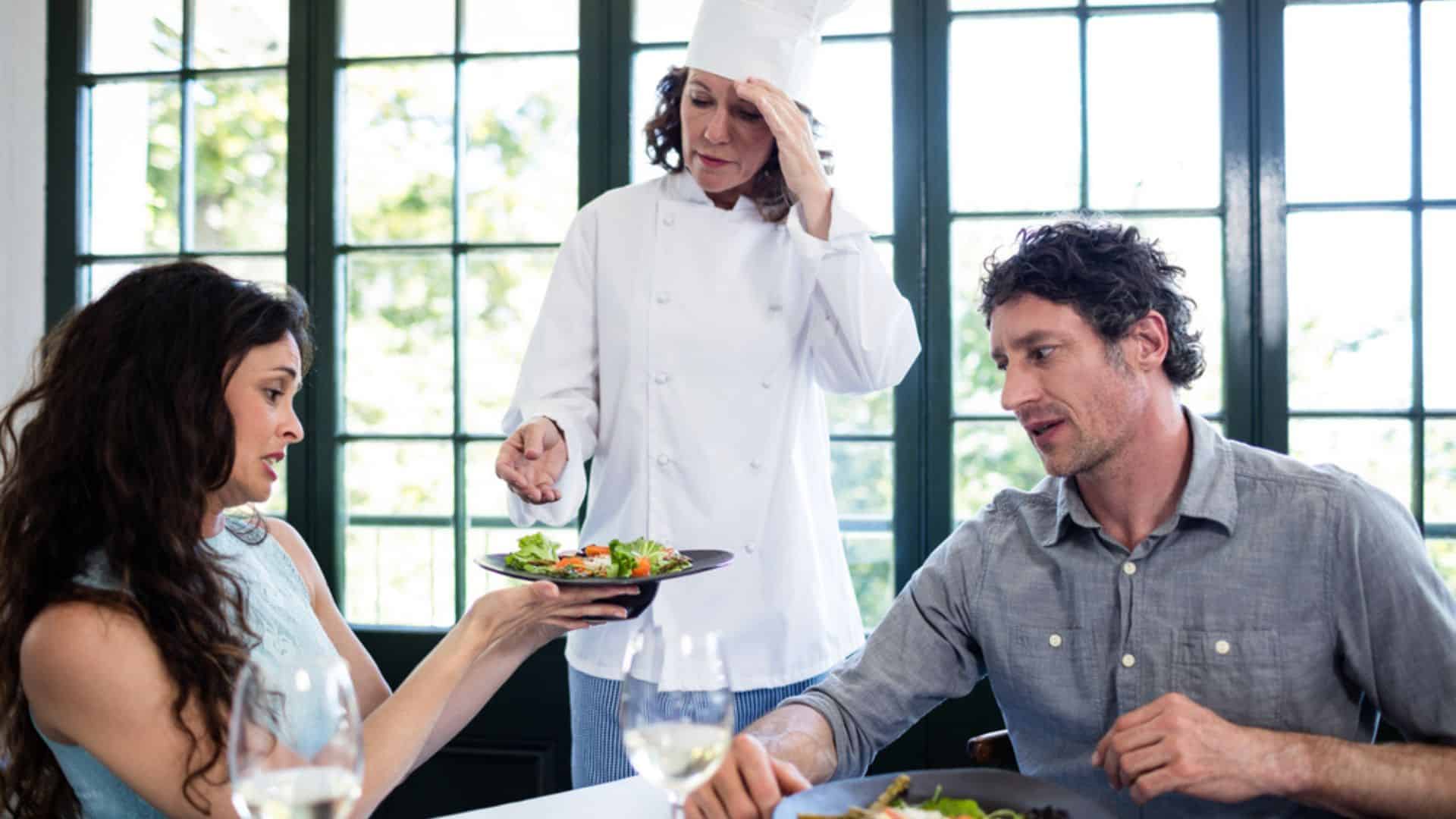
If waiting hours weren’t enough, restaurants have dramatically poor service. While we appreciate servers trying their best to cater to a large gathering, they quickly get short and frustrated from waiting at several tables.
Although it’s a natural part of a demanding job, their attitude and demeanor toward the customers can affect the customer’s experience. The food often gets cold or isn’t prepared to our liking, either.
Hygiene concerns

Back home, we clean everything and know what ingredients to use. However, in a busy kitchen bustling with orders, hygiene is the least of some restaurants’ concerns.
Of course, this varies from place to place, but many eateries have poor hygienic standards. You may be shocked by the dirt and grim found in many restaurant kitchens. It can be quite disgusting.
Noise

Eating at a restaurant can get painfully loud. The clattering of plates, wails of a distant baby, pitter patter and shrieks of kids, the clinking of forks and knives, loud chewing on the following table, and a general chatter overall, eating out can be highly uncomfortable for most people.
It’s also triggering for people with sensory issues. At home, all you have to hear is your family or yourself.
Huge Portions

Most of us feel guilty leaving food on the plate. Restaurant servings can be uncontrolled, so you might get massive portions that are challenging to eat.
Only some restaurants have a to-go policy, so we must scarf everything down. This only promotes unhealthy eating habits and encourages us to eat beyond our limits every time. However, we can cook precisely the amount of food we want to eat at home.
Limited menu

This sounds controversial, but restaurant menus aren’t as creative as we think. Most restaurant foods are pretty standard and expected. For example, almost every eatery serves gourmet meats or chicken nuggets, but what about casual meals like a simple rice gravy? Cooking at home allows you to design your menu according to your mood and lets you get creative.
Inadequate options

Most eateries equate allergies to dietary needs. However, dietary needs are subjective and multidimensional, so people who follow a vegetarian or vegan lifestyle might struggle to find a suitable option outside.
Most eateries offering vegetarian and vegan options have a limited menu, so we cannot enjoy them to the extent we want. Naturally, cooking at home allows us to eat whatever we want.
Hidden costs

We’ve all bought a $6 burger for at least $35. This is because most eateries will slap on hidden costs that they won’t disclose until you’ve already eaten.
These costs include the general sales tax (5% - 18%), service charges, and even gratuity fees. This dramatically hikes the price, and even a cheap meal becomes expensive. Of course, the only hidden cost at home is our sweet time.
Limited healthy options

Every eatery serves decadent, calorie-dense foods, and only a few do the opposite. While we’d like to dive into calorie-dense foods now and then, it’s incredibly unhealthy, so we stay away.
However, those following a healthy diet or counting their calories are disappointed because eateries rarely offer healthy items. Even if they do, they add loads of unhealthy toppings. We can customize our meals and eat as much healthy food as possible at home.
Inconsistency

One of the worst things about eating out is the inconsistency. Even heading to a favorite eatery is disappointing because one day, you’ll get the best meal of your life, and the other, it’ll vanish.
Eateries struggle to provide a consistent experience, so most people feel disappointed and unsatisfied. It also happens across branches because chefs don’t tally recipes. This isn’t the case with cooking at home since we can cook what we usually do.
Bland Food

Restaurants always want their customers to be happy. They try very hard to please everyone, and sometimes this can backfire. Many restaurants may not add enough herbs and seasonings to their food just to make it more neutral for the masses. Restaurant food often tastes bland because chefs are scared of bad reviews or dishes being sent back.
When you make your own food at home, you can go crazy with the spices and really customize your meal suit your personal tastes. No bland food here!
Uncomfortable
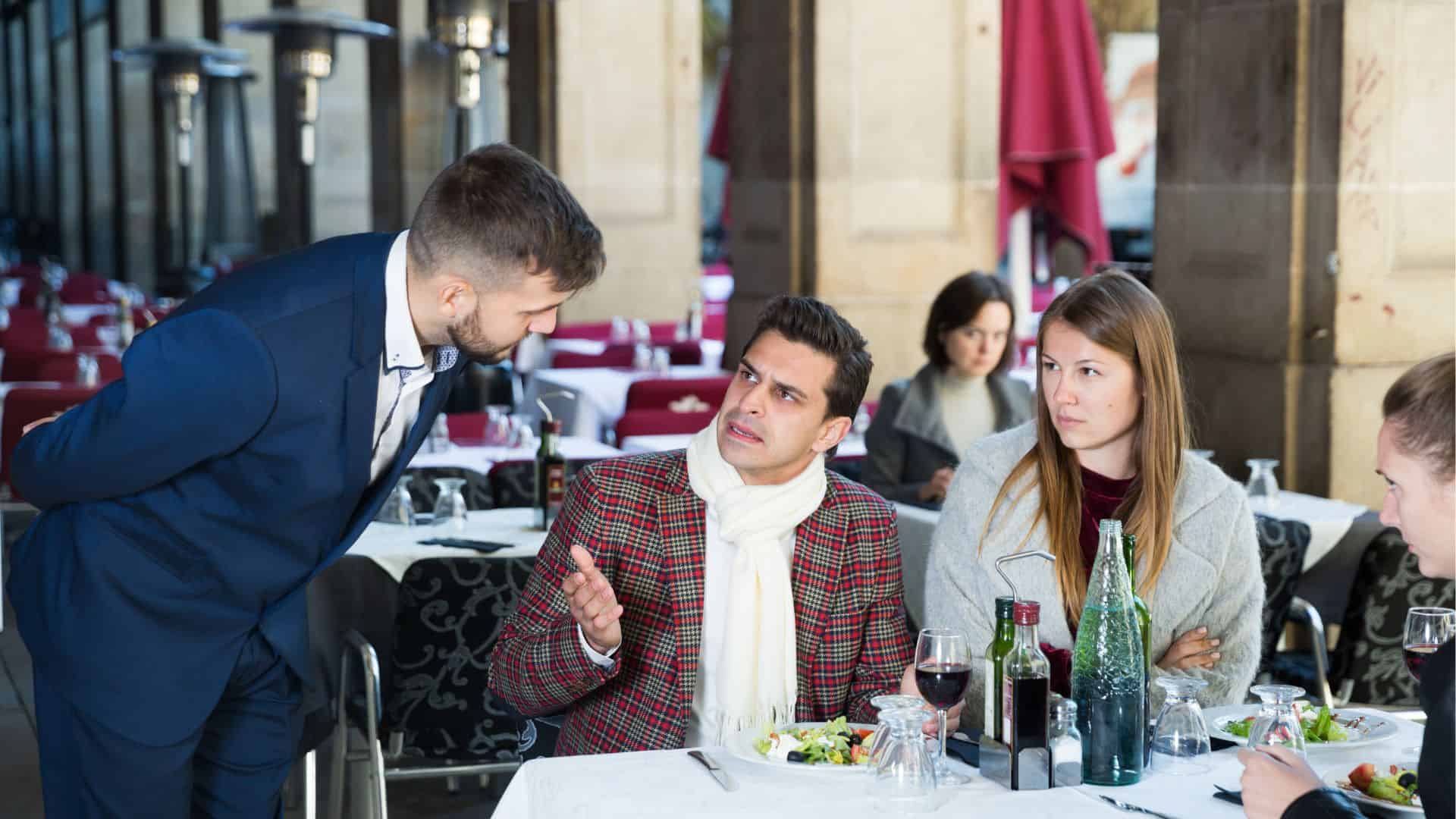
Not all restaurants are cozy and welcoming. In fact, many have very uncomfortable chairs, cramped seating spaces, and overly dim (or extremely bright) lights. The restaurant atmosphere is not nearly as comfortable as your own home!
At home, you can sit on a comfy couch rather than a hard wooden chair. You can even eat in your pajamas if you'd like! When dining at home, you know you will be cozy.
Germ Factory

So many restaurants seat customers extremely close together. Your table may be just inches away from the people next to you. If the unknown diner near you has a cold or any kind of illness, there is a good chance that you can catch it from them.
Being near other diners who are coughing, sneezing, and sniffling is likely to happen when you go out to eat. The close proximity to sick people will send you home with lots of germs, not just leftover food. Stay home and avoid all those unknown illnesses that swirl around in the restaurant air.
Complex Menus

Many restaurants try to prove how great they are by creating complex foods. They try to keep up with the trends and be so creative that sometimes the food doesn't even make sense. Restaurant menus can be hard to understand, and the food is often too unique to be appetizing. Nobody wants a hickory-smoked sirloin garnished with green basil foam. What?!
Leave a Reply