
Rice can taste fluffy or sticky and uneven, and one small step before cooking decides which version ends up on your plate.
Cooking rice seems simple: add water, apply heat, wait. Yet one question continues to spark debate in kitchens everywhere. Do you need to soak rice before cooking, or is that step unnecessary for most meals?
The answer depends on the type of rice and how much time you have. Soaking can change how rice cooks and feels, but it is not always essential. Understanding the difference between soaking and rinsing is the first step.
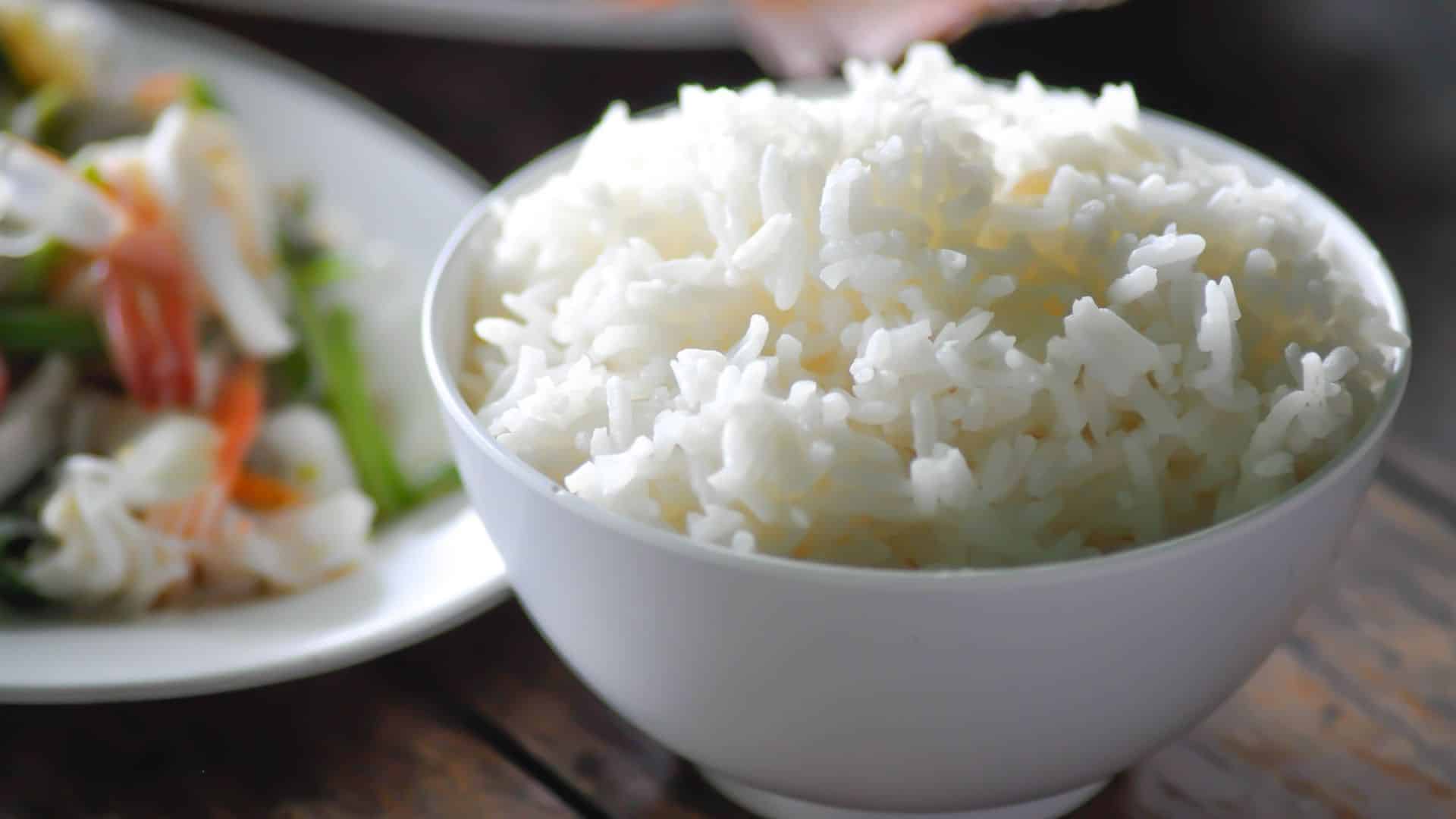
Soaking vs. rinsing: What’s the difference?
Rinsing and soaking are not the same, and they serve different purposes.
To rinse rice, run it under cold water and drain until the water runs clear. This removes excess surface starch, along with dust and small debris left from processing. For many types of white rice, rinsing helps prevent clumping and yields grains that cook up more evenly.
Soaking, by contrast, means submerging rice in water for a set period before cooking. The rice absorbs some of that water, which begins to soften the outer layer and penetrate toward the center of each grain. Soaking can last anywhere from 15 minutes to several hours, depending on the type of rice.
What does soaking rice actually do?
When rice sits in water, it begins to absorb moisture before heat is applied. That early hydration affects both texture and cooking time.
First, soaking can shorten cooking time. Because the grains already contain some water, they need less time at a high temperature to become tender. This can be helpful when preparing larger batches or when timing matters in a meal.
Second, soaking can lead to more even cooking. With water already distributed more evenly through the grain, the center and outer layer tend to cook at a more similar pace. This can reduce the chance of a firm core surrounded by a mushy exterior.
Soaking may also improve texture in certain varieties. Long-grain rice, such as basmati, often becomes longer and more separate after soaking and cooking. The grains can appear slightly elongated and less likely to break.
There is also discussion about digestibility. Some people believe soaking helps reduce compounds like phytic acid, which can bind to minerals. While soaking reduces some of these compounds, the effect is modest for most white rice and varies with soaking time.
In practical terms, the biggest impact of soaking is on texture and timing, not nutrition.
Is soaking necessary for white rice?
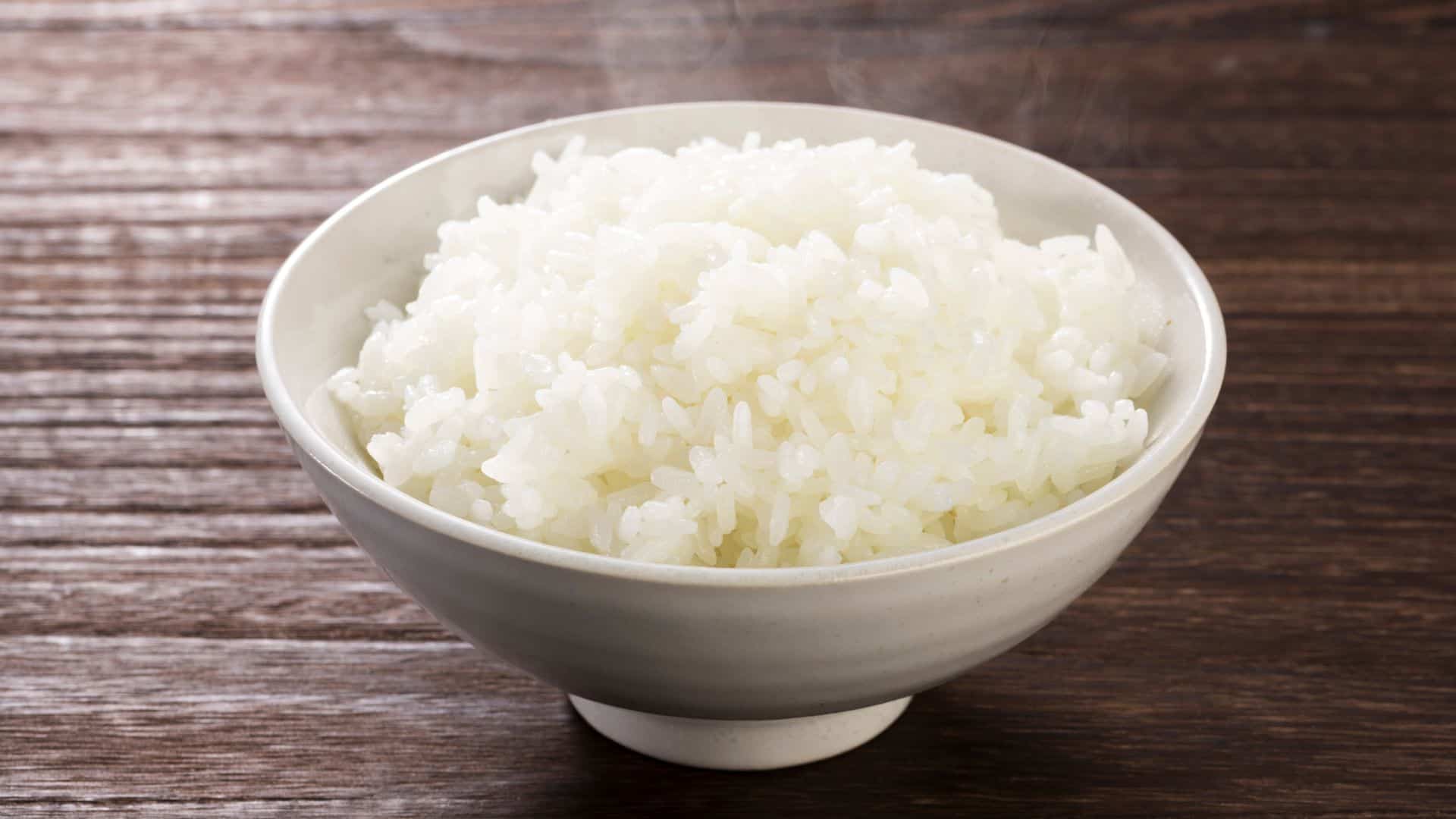
For most white rice sold in U.S. grocery stores, soaking is optional. White rice has already had its outer bran layer removed during processing. That means it cooks faster than whole-grain rice and does not require extended hydration. A thorough rinse is usually enough to remove surface starch and help prevent clumping.
If you are cooking standard long-grain white rice, jasmine rice, or enriched white rice, you can skip soaking and still get good results. Follow the recommended water ratio and cooking time, and the rice will soften properly.
That said, soaking can still offer benefits in certain cases. If you want extra-fluffy grains with a bit more separation, a short 15- to 30-minute soak may help. It can also reduce the risk of grains breaking when stirred.

Does brown rice benefit more from soaking?
Brown rice is a different story. Unlike white rice, brown rice retains its bran and germ. That outer layer makes it more nutritious, but it also makes it tougher and slower to cook. Without soaking, brown rice can take 40 to 50 minutes to become tender.
Soaking brown rice for several hours, or even overnight, can noticeably reduce cooking time. The water softens the bran layer and allows heat to penetrate more efficiently. Many people find that soaked brown rice cooks more evenly and has a slightly softer bite.
Texture can also improve. Unsoaked brown rice sometimes turns out chewy on the outside while still firm in the center. Soaking helps balance that.
For those who cook brown rice often, soaking can make the process feel less time-consuming overall. Even though you plan ahead, the active cooking time on the stove may drop by several minutes.
When soaking is worth the extra time
There are specific situations where soaking makes sense. If you are preparing basmati or another long-grain rice for dishes where texture is key, soaking can help produce longer, more separate grains. This is especially useful in recipes where rice is the focus rather than a side note.
When cooking brown rice or other whole-grain varieties, soaking can improve tenderness and shorten cooking time.
Soaking can also help when cooking large quantities. In restaurant settings and in big family meals, more consistent hydration can make results more predictable across multiple batches. It may also be helpful when using older rice. As rice sits on shelves, it can dry out further. A short soak can restore some moisture before cooking.
Key takeaway
Soaking rice is not a universal rule. It is a tool. For most white rice, soaking is optional and often unnecessary. A good rinse and proper cooking technique will deliver reliable results.
For brown rice and certain long-grain varieties, soaking can improve texture and reduce cooking time. It requires planning ahead, but the payoff can be noticeable, especially when rice is central to the meal.
If your rice has been turning out sticky or too firm in the center, experimenting with a short soak may be worthwhile. If your current method works well, there is no reason to complicate it.
Soaking is less about tradition and more about control. Understanding what it does allows you to decide when it fits into your routine and when it does not.
Leave a Reply