
Tipping has always been one of the most debated topics in the U.S. But lately, restaurants have started adding all kinds of extra fees to the check. A diner was shocked to find an unexpected charge on the bill: a so-called “Living Wage” fee.
The story
The original poster wrote on Reddit: “This restaurant charges an 18% Living Wage Fee.” And then let the internet do the talking. Commenters started questioning why the staff members are being paid a lower wage in the first place. A few people noted that restaurants don’t make huge profits, but they still felt it was unfair to tack payroll costs onto the customer’s bill.
The conversation turned to how restaurants should cover their expenses and whether diners should really be paying extra, such as through mandatory tipping.
The reactions

People were shocked at the ‘forced tipping’ by this restaurant. While some agreed that it’s a common courtesy to leave a few extra dollars to reward good service, it’s unfair to force a certain percentage onto the customer’s bills in the name of “living wage”.
One person was quick to guess that this could only happen in America. He added, "Guess this is America. The business owner should be embarrassed to even have that on the bill. If they can’t pay the staff, don't do business. Your business skills are clearly not good enough to be able to pay the workers sufficiently."
It’s harsh, but.... If a business can’t afford its employees, maybe the business and pricing model are broken. Restaurants aren’t easy to run, but hiding the cost in fees instead of showing it upfront feels shady to a lot of diners.
Another Redditor suggested that instead of forcing people to pay for the staff, the restaurant itself should be paying a decent living wage to employees. They mentioned, "The employer should be paying them a living wage already."
In the U.S., the federal tipped minimum wage is still $2.13 an hour, a number that hasn’t moved since the early 1990s. Many states have raised the minimum wage, but many still allow restaurants to rely on tips to make up the difference, as evident in the bill from this restaurant, which includes 18% extra fees.
Someone couldn’t help but notice that the food itself was pricier than it should be and that fees on top of expensive food are not fair, "$17 for a Ruben and fries, and they still need to charge more to pay their staff? It's just rye bread and corned beef with some sauerkraut. The thing literally costs $3-4 to make."
If you’ve ever cooked corned beef at home, you know they’re not exaggerating. A decent cut of brisket and some pickling spices will make you enough sandwiches for a week. That price, with the added service percentage, is a rip-off.
One commenter couldn’t believe what they were reading. "'Goes towards payroll.' So there's an extra 18% fee on top of a $17 sandwich and fries to cover your basic overhead costs? Are people stupid?” Another added, “So they’ve added an automatic gratuity that goes to themselves rather than the server… theft from the employee imo."
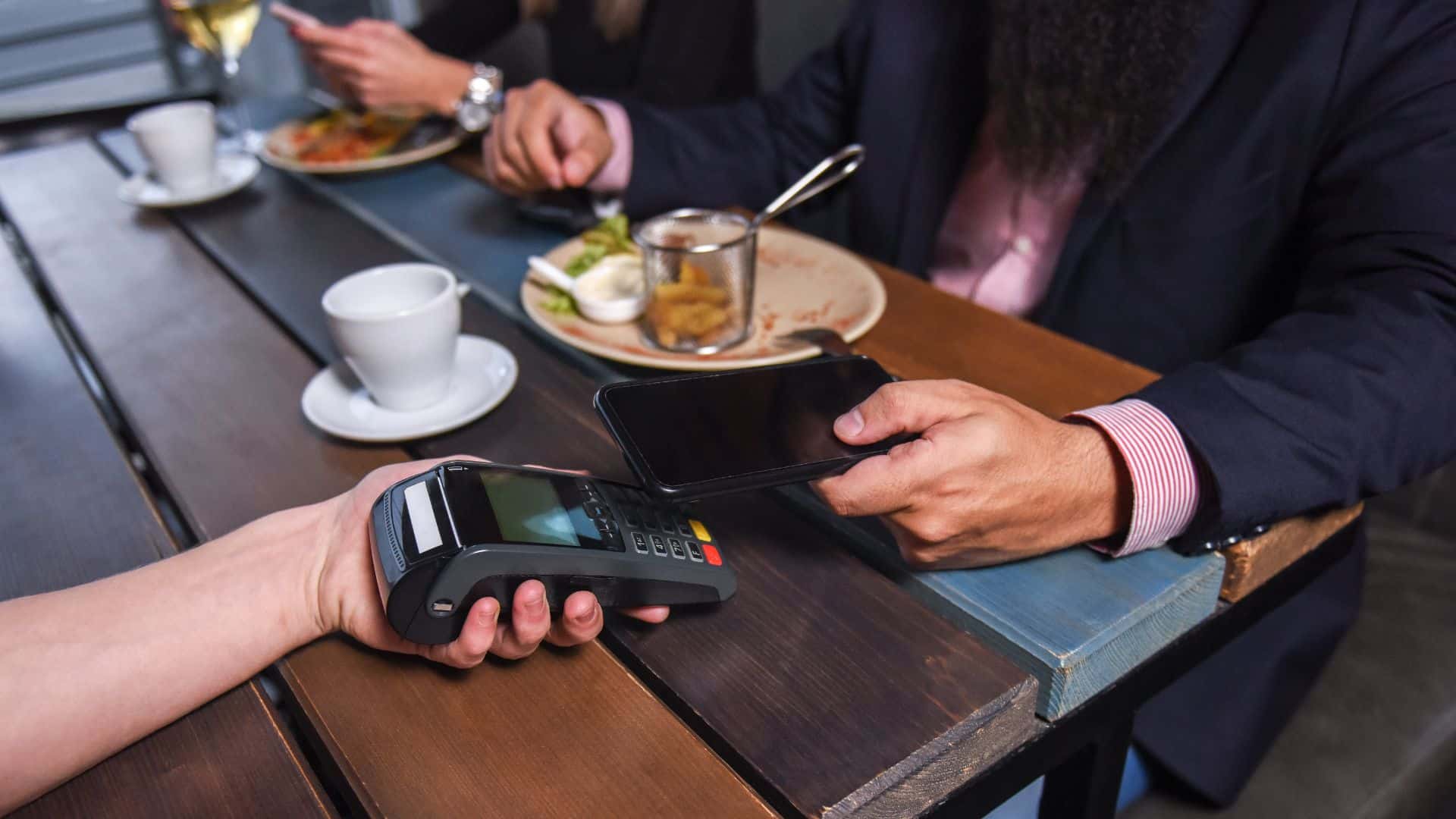
Most people are familiar with the concept of automatic gratuity in America, which is an 18% service charge applied to parties of six or more to ensure that servers receive ample compensation for their efforts. But this fee was labeled as a “living wage” charge instead. To many people, it looked like a mandatory surcharge redirected to cover payroll.
A foreigner also commented on this forced tipping, saying: “I love that when I go to a restaurant in Europe, when I see a price on the menu, that’s the price I pay.”
In much of Europe, service charges are already added to menu prices, and tipping is either minimal or completely optional. Diners don’t spend time figuring out percentages or wondering how much is appropriate to add. Compared to the U.S., where you pay the listed price, tax, tip, and sometimes new “fees” like this one, it makes eating out feel less stressful.
Finally, a comment that read like advice the restaurant should’ve followed from the start:
"Raise your prices by 18%, and pay that increase to your employees. Then let the customer decide if they want to eat there. Don't bait us in with artificially low prices. It just leaves a bad taste in my mouth and will prevent me from eating there again, unless the food is spectacular."
That’s probably the most level-headed response of all. People don’t mind paying more if the food and service are worth it. What they don’t like is being lured in by one price and then blindsided by fees that make the whole experience feel sour.
Tipping culture and hidden fees

Tipping in the U.S. has always been part of the dining routine, but over the last few years, it’s spread far beyond restaurants. Coffee shops, take-out counters, and even self-checkout screens now nudge customers for a tip. A recent Pew survey of nearly 12,000 adults found that 72% of Americans feel like they’re being asked to tip in more places than they were five years ago.
Diners already accept that a tip will be added at the end of the meal, and now they’re hit with an extra charge that doesn’t look like a tip but still feels like one. There is a lack of clarity, which leaves diners wondering whether it is optional, if it is replacing the tip, or if it is just another way to pay the bill.
The takeaway
The U.S. tipping system is already complicated enough without surprise “living wage” fees thrown in. Until restaurants choose transparency, diners will keep asking the same question: Am I paying for the food, the service, or just for management’s mistakes?
Because at the end of the day, nobody likes a side of hidden fees with their fries.
Leave a Reply