
Holiday meals often come with unspoken rules about who brings what, but things can get awkward when a guest is asked to supply what most people assume is the host’s responsibility. A recent online thread shared a similar incident in which the guest was asked to bring something the host should have handled, and it got people talking.
The story
A Reddit user shared that their family and friends rotate hosting duties for major yearly holidays. This year, the poster is to host Christmas, while the other pair is assigned to host Thanksgiving, but they seemed hesitant from the start. They even asked around to see if anyone else wanted to host, but no one volunteered.
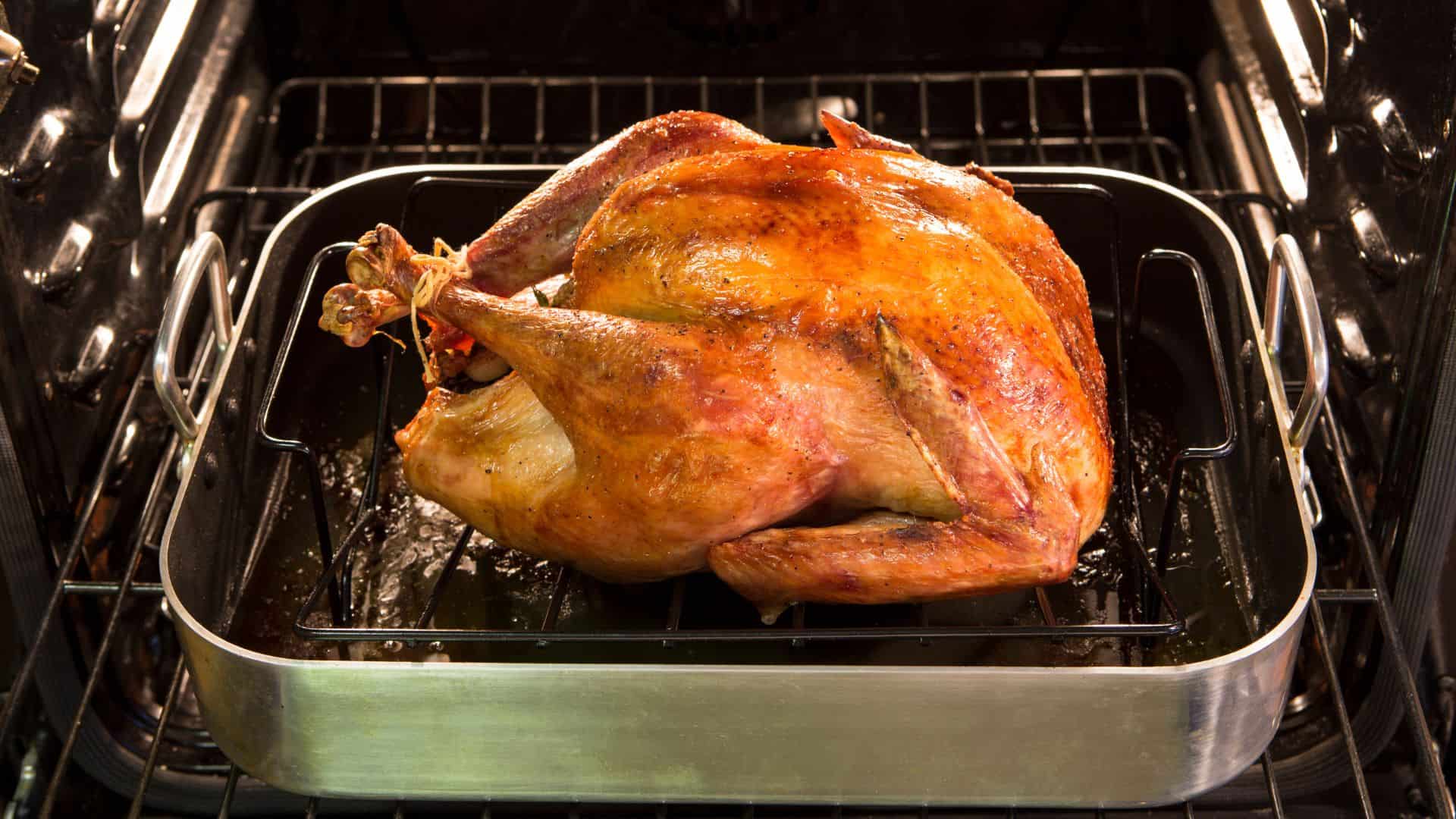
When planning began, the hosts assigned “vegan turkey, asparagus, and pie” to themselves, and later asked the original poster and their spouse to bring the real turkey. As the user explained, "they are only 'vegans' when it suits them, like when they don’t like the food being served, or in this case, because 'vegan turkey' is something they can get at Whole Foods that isn’t hard to make or clean up."
The post creator politely declined bringing the turkey and offered another dish, which met with silence and tension in the group chat. Now, they’re wondering if refusing the turkey made them the problem, or if the hosts are trying to offload the most challenging part of the meal.
The reactions
People in the thread mostly sided with the poster, saying it’s not their fault and the host should take care of the turkey. Someone said, “You’re hosting Christmas, so why are they asking you? Sounds annoying — like they could’ve let everyone know a month earlier that they didn’t want to do Thanksgiving. Seems like they want to be part of the group without taking on any responsibilities. They seem rude, and I would call them out in the group chat.”
Hosting a meal means planning and preparing for it beforehand. Even if it’s a potluck, it’s not nice to expect someone else to bring the main meal, which is ‘turkey’ in this case. If the group knew they didn’t want to host, they should have communicated earlier rather than assigning around.
Another person advised to calm down and go with the flow, “Stop reading so much into it. First, you’re right that traditionally the host supplies that. Second, you politely declined and offered to bring something else, so who cares if they haven’t responded? They were being a little tacky; they can be quiet about that all they want.

It’s easy to overthink when people don’t respond, but sometimes silence means no one knows what to say. The couple had already handled it politely. If the topic comes up again, it’s fair to explain that cooking a whole turkey takes time they don’t really have, especially with Christmas coming up and all the work that goes into hosting that.
Someone else suggested to just forget about all of it, and enjoy a meal at home; “Dude, at this point, I would just stay home and have a meal with your nuclear family. Those vibes sound like a bad time when the host doesn’t want to host.”
If the hosts are “half-hosting” (assigning themselves vegan turkey and pie but not fully engaging), maybe attending isn’t worth it. In the past, when I’ve walked into gatherings where the host seems half-present or half-committed, I’ve felt like a guest in name only and a part-caterer in practice. It’s worthwhile to step back sometimes for your own sanity.
Another user was sure that it’s not only the couple who do not want to bring the turkey. “The fact that no one has yet to respond also shows no one else wants to bring the turkey either. Let the hosts deal with their decision. Silence is golden in group texts.”
Anyone who’s ever been in a group chat knows that kind of silence. When a message hangs there with no replies, it usually means everyone’s uncomfortable. Nobody wanted to say no out loud, but nobody wanted to volunteer either. Sometimes, silence is the best answer.
One comment was about hosting principles, “Host supplies the mains, guests supply the sides.” Asking a guest to bring the main turkey feels like shifting the responsibility that is traditionally the host’s.
Several commenters connected the situation to their own experiences. One shared, “It’s like when my sis in law ‘invites’ us over for a BBQ where we have to bring the meat, the drinks, and the sides. Like, what was the point? I can just stay at home instead of basting my food in your below-average BBQ sauce. They always seem to provide chicken wings and salad...”
This is why you should avoid these types of scenarios. If you want to invite someone to a dinner, especially to a festive one, it should be because you actually want to spend time with them, not because you’re trying to split the work or pass off responsibilities.
Another person offered a clever solution: “Tell them you will need access to their kitchen and oven to cook the turkey for about 36 hours, and you only cook, not clean, and will need to use their pots, pans, utensils, etc., because you don’t transport cooked turkeys.”
We all know that transporting large main dishes can be logistically hard (size, equipment, oven/prep). Expecting a guest to handle the turkey without planning it out is unrealistic. If you’re the one cooking the turkey, you’re basically doing the host’s job.
Someone even shared their concern about the host, asking if they are ok, “Have you checked in with this person? It sounds like they really don’t want to host for a variety of reasons. Finances? Poor health? Job stresses? Marriage difficulties? If they usually happily host every year, and don’t want to this year, there’s likely more going on.” To which the original poster replied, “They are fine. They recently became multi-millionaires. They don’t “happily host” every year. They put minimal effort into everything they host, and now it’s getting worse.”
Sometimes people step back from hosting for valid reasons, but other times, they just don’t want the work that comes with it. In this scenario, it’s clear they’ve created a situation that makes others uncomfortable while keeping themselves at a safe distance.
Hosting etiquette people should know about
For anyone who hosts or attends holiday meals, here are a few things you should know.
- If you send the invite, you’re the host. You plan everything, handle the main dish, and make sure everyone knows what’s happening.
- Ask for help, don’t assign it. It’s fine to suggest a side or dessert, but guests shouldn't be assigned to handle the main dish, even if it’s a potluck.
- Give people time. No one likes a last-minute message asking them to bring half the meal.
- Be honest if you don’t want to host. Skipping a year is better than doing it halfway and leaving everyone feeling awkward.
- And if you’re the guest, follow through. Bring what you said you’d bring, show up when you said you would, and lend a hand before you leave.
Thanksgiving is one of those days people look forward to all year. The cooking, seasonal flavors, and company are what make the day special and memorable. Hosting can undoubtedly be tiring, but it’s also what brings people together and makes the effort worthwhile.
Leave a Reply