
Sometimes, the expectations people carry into a gathering aren’t said out loud, but they’re still very much there. A low-key get-together can be shaped by who people are, what they do, and what others assume they’ll bring to the table.

In a recent Reddit thread, it was asked, "Am I in the wrong for bringing a 'lazy' dish to a potluck when everyone knows I'm a professional chef?" He went on to say that he's been a chef for many years. It's a real part of who he is in the friend group, and every few months, they have a friends' potluck.
He loves them, but hates being expected to rate food others bring. His friends literally watch him, waiting for his reaction after he takes a bite.
For the upcoming potluck, he decided to buy store-bought hummus, put it in a nice bowl, and arrange it for serving. When he presented it, some said nothing, while others thought he was joking. His friend, Kate, even pulled him aside to say they were disappointed that he didn't bring something else.
He tried to explain that he cooks professionally for 50-60 hours a week and sometimes just wants to exist at a social event without being on the job or under pressure.
Now he's second-guessing his choice and doesn't know if he was wrong.

Over 700 people online took the time out of their day to give their thoughts on his question
One person said, "Next time, bring a bag of ice and tell them it is a deconstructed water sculpture. People really need to learn that chef is a job title, not a personality trait you have to switch on 24/7."
It's true. If you were to ask any of them to continue doing their job in front of everyone they were hanging out with, they wouldn't want to either. Expecting him to perform when he's there to relax isn't fun for him, and he shouldn't be expected to.
Another person related, "Fellow chef here. It's a hard physically and emotionally demanding job that I love, but I need down time. I don't cook at home. Dinner for me is normally opening a can of soup and putting it in the microwave."
That's not surprising. People who spend all day cooking for others rarely take the time to cook for themselves.
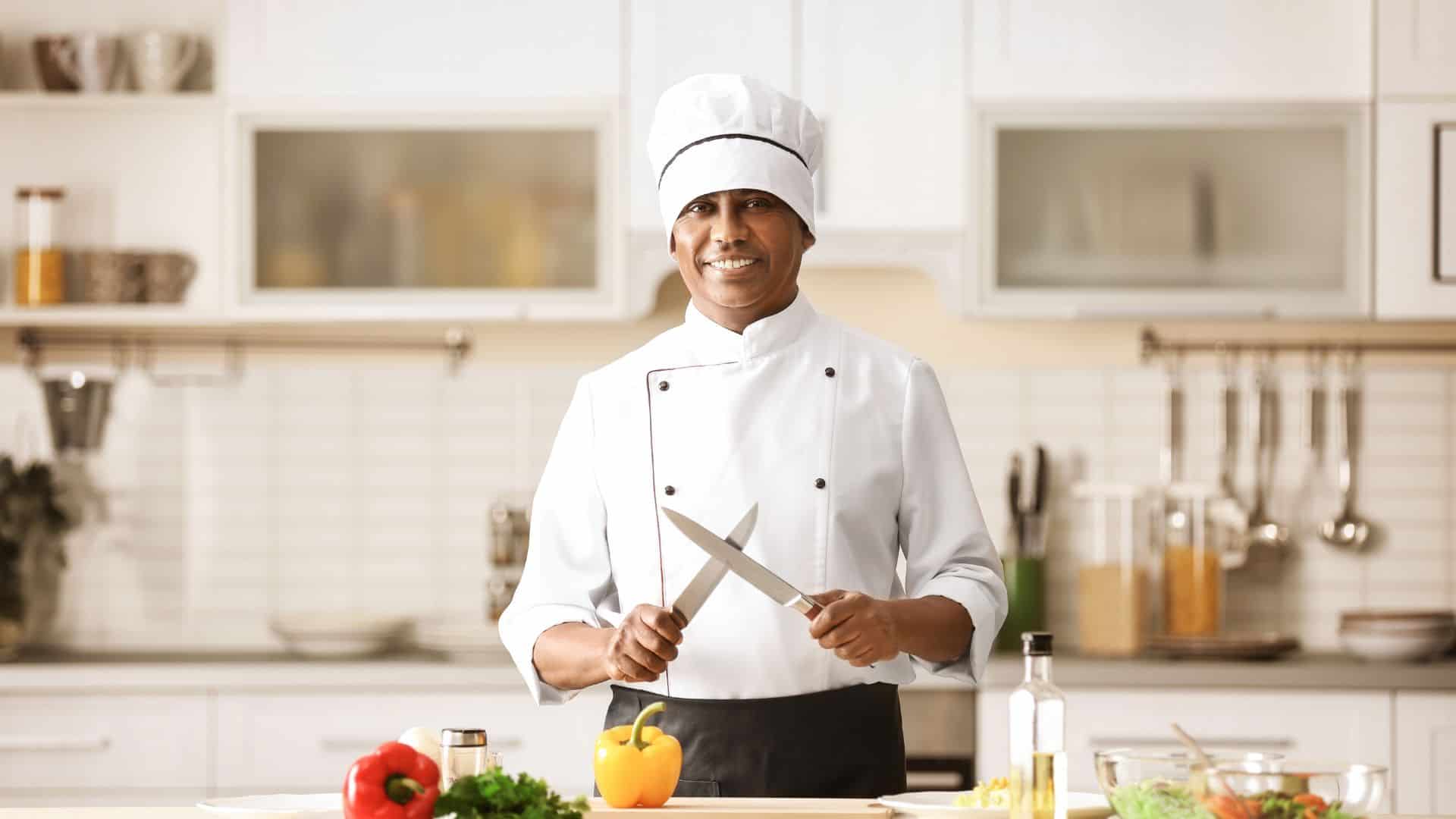
Someone else suggested, "You didn't do anything wrong, but I would decline an invitation to the next couple of these, since it appears that you are the unofficial caterer."

When a role becomes an expectation
In social dynamics, a subtle transition often occurs when an individual possesses a distinct professional skill or talent. Initially, the skill is viewed as a unique contribution or an admirable trait; however, over time, it frequently evolves from a voluntary offering into a social expectation.
This shift alters the group’s perspective: the novelty of the person’s expertise is replaced by a perceived obligation. Rather than the skill being appreciated as an occasional gesture, it becomes an unspoken requirement, where others anticipate the service as a standard feature of the interaction.
That’s really what’s at the center of this situation. It’s not about hummus. It’s about identity being turned into obligation.
In professional settings, people are recognized for what they do. But outside of work, most people get to step away from that role. No one expects an accountant to review spreadsheets at a dinner party or a mechanic to inspect everyone’s car in the driveway. Yet creative or service-based professions, especially ones tied to food, tend to blur that boundary.
And food, in particular, carries a different kind of weight. It’s emotional. It’s social. It’s often tied to effort and care. So when someone capable chooses something simple, it can be misread as a lack of effort rather than what it really is: a conscious decision to show up as a person, not as a professional.
Leave a Reply