
Food trends never sit still. One moment it’s all about plant-based burgers, the next it’s algae chips or lab-grown steaks. As political, environmental, and economic shifts reshape our world, the way we think about food is evolving too. With nearly 10 billion people expected on the planet by 2050, food security is quickly becoming one of the most urgent global challenges. Finding sustainable, scalable ways to feed everyone isn’t optional—it’s necessary.
Lately, one surprising solution has been gaining attention: insects. Yes, bugs. Crickets, mealworms, grasshoppers, and more. But is this just a buzz-worthy fad, or could edible insects actually be the protein of the future?
Bugs on the Menu is Not as New as You Think
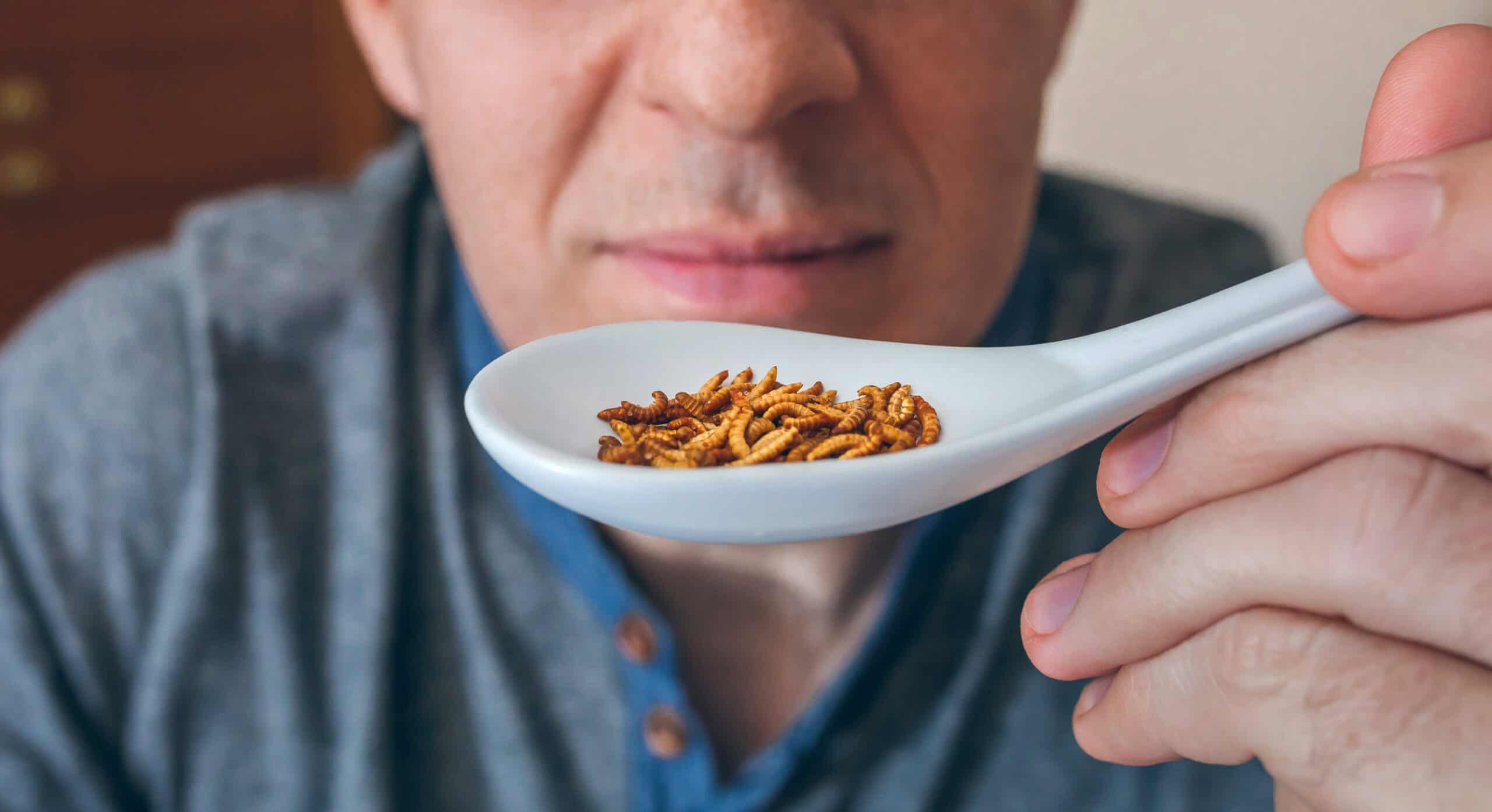
While munching on mealworms might sound wild to Americans, eating insects is nothing new globally. People have been enjoying bugs for centuries. In Africa, Asia, and many places in Latin America, insects are a totally normal menu item, and they have been for generations.
In Thailand, fried crickets are a popular crunchy street food, and in Mexico, chapulines (seasoned grasshoppers) are served with guacamole or stuffed into tacos. In parts of Africa, termites are harvested and roasted as a protein-packed snack. In Japan, inago, or rice-field grasshoppers, are cooked in soy sauce and sugar for a savory-sweet delicacy.
Yet, here in the U.S., the idea of eating bugs still makes many people squirm. The "ick" factor is strong, and people are very hesitant to start ordering bugs for dinner, even though insects have been approved as food in certain gourmet or novelty settings. Some companies are working hard to change this perception already by offering things like cricket protein bars or insect-based baking flour, but the shift is slow. Curiosity is growing, however, especially among eco-conscious consumers.
What Insects Are Actually Edible?
While there are many bugs that are considered safe to eat, not all bugs are meant for the table. According to a detailed report from the Food and Agriculture Organization (FAO) of the United Nations, around 2,000 species of insects are known to be edible. Some of the most common edible ones include:
- Crickets
- Mealworms
- Grasshoppers
- Silkworms
- Locusts
- Ants
- Beetle larvae

However, it is important to source edible insects from certified farms. Not every insect you find outside is safe to eat, so you may not want to pick up that grasshopper in your yard and pop it into your mouth. Some wild insects can carry parasites, toxins, or pesticides. Backyard bug hunting is not advised, but luckily, there are many places you can purchase insects, and those places are becoming more and more prevalent and popular. In fact, about 1.2 trillion insects are currently being raised on farms annually for food and animal feed. That is a lot of potential food!
The Environmental Case for Eating Insects
One of the strongest arguments for edible insects is their sustainability. Although insects may be tiny, their environmental benefits are massive.
Insects play an essential role in our ecosystems: they break down waste, help pollinate plants, and provide a food source for countless animals. They also offer a more efficient way to produce protein for human consumption.
Raising insects uses significantly fewer resources than traditional livestock. They require less space and less water and produce dramatically lower greenhouse gas emissions. For example, raising insects allows a reduction of almost 99% in pollution compared to other forms of animal farming, with 80 times less methane emissions than beef. Their feed can include agricultural by-products. That means they are not only easier on the environment to farm, but they also help reduce food waste by turning discarded plant material into something useful.
What makes insect farming even better is that insect waste (yes, bug poop) is like gold for agriculture. Their dejections are a natural fertilizer and have been shown to increase crop yields. Research has found insect-based fertilizers can boost the production of crops like wheat and rapeseed by up to 40%. Not too shabby for bug poop.
High Protein with Low Impact
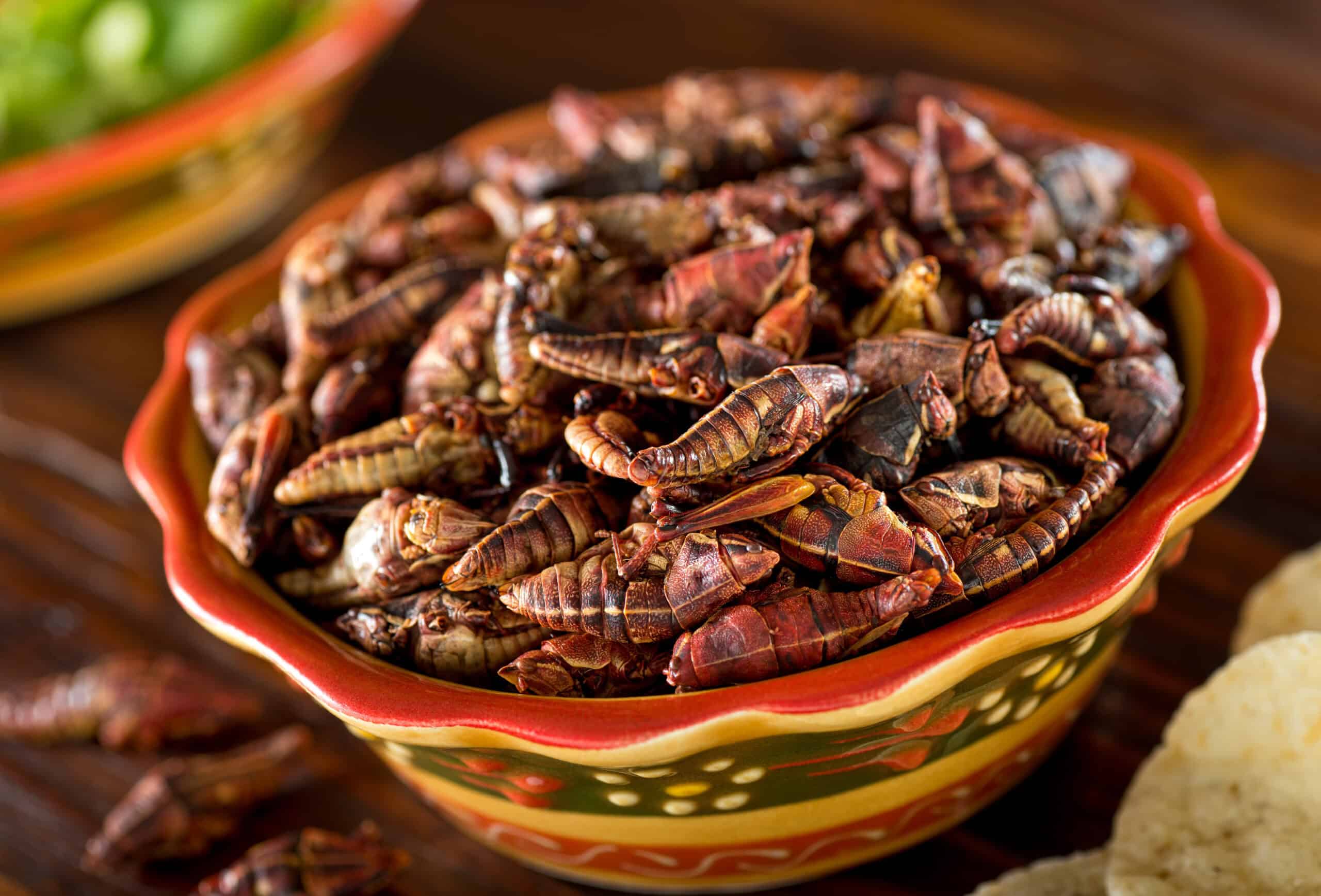
Nutritionally, insects are no joke. Many are considered complete proteins, meaning they contain all nine essential amino acids. For example, mealworms are about 50% protein by weight and are also rich in healthy fats, vitamins, and minerals.
Crickets have been shown to be twice as efficient as chickens in converting feed into edible meat. They're also at least four times more efficient than pigs and a massive 12 times more efficient than cattle. That is an impressive stat for a tiny little insect!
The protein potential of insects makes them a serious contender in the search for alternative, eco-friendly food sources. This is especially true in places where undernutrition is a serious issue. Insect-based foods could be life-changing.
The Challenges: Why Aren't We All Eating Bugs Already?
Despite all of the clear benefits, there are still plenty of roadblocks to making edible insects a mainstream part of the American diet.
The biggest issue is probably the psychological hurdle. Many people in the U.S. still see bugs as dirty or disgusting. It is a tough sell, even if you wrap them in chocolate or blend them into a smoothie. Changing those perceptions will take a lot of time and some very creative marketing. Is it impossible? No, but Americans may not be quick to jump on the bandwagon and order up a plate of crunchy crickets.
Then, there is the legal gray area. While there are no outright bans on eating insects, the FDA doesn't have a well-defined stance on them as food. In fact, under the current Federal Food, Drug, and Cosmetic Act, insects are typically categorized as "filth" that contaminates food unless used intentionally and under very specific, approved circumstances.
Without formal recognition from food safety regulators like the FDA, it is tough for companies to scale up production or sell insect-based foods broadly. And without regulation, there is also a risk of unsafe practices slipping through the cracks.
So, Are Edible Insects the Future?
Maybe! Insects really do check a lot of boxes when it comes to being a food source. They are sustainable, nutritious, and already part of many cultures' food traditions. As climate change and food scarcity become more urgent global issues, bug-based foods may start to look a lot more appealing even to people in the U.S., where insects are not currently an accepted food. But if public perception shifts and regulatory bodies catch up, you may see a whole lot more bugs on the menu!
The idea of eating bugs might still make some people squirm, but it is clear they are a big player in the conversation about future food. You should probably expect to see more insect farms being built, insect powders being added to foods, and even whole, crunchy bugs being offered at high-end restaurants. But isn't that one of the best things about food? There is always something new, exciting, and very interesting to discover in the culinary world!
Leave a Reply