
Living together can turn small routines into bigger conversations about trust, control, and expectations. When one partner feels corrected rather than appreciated, even a simple chore can start to feel burdensome.
The story
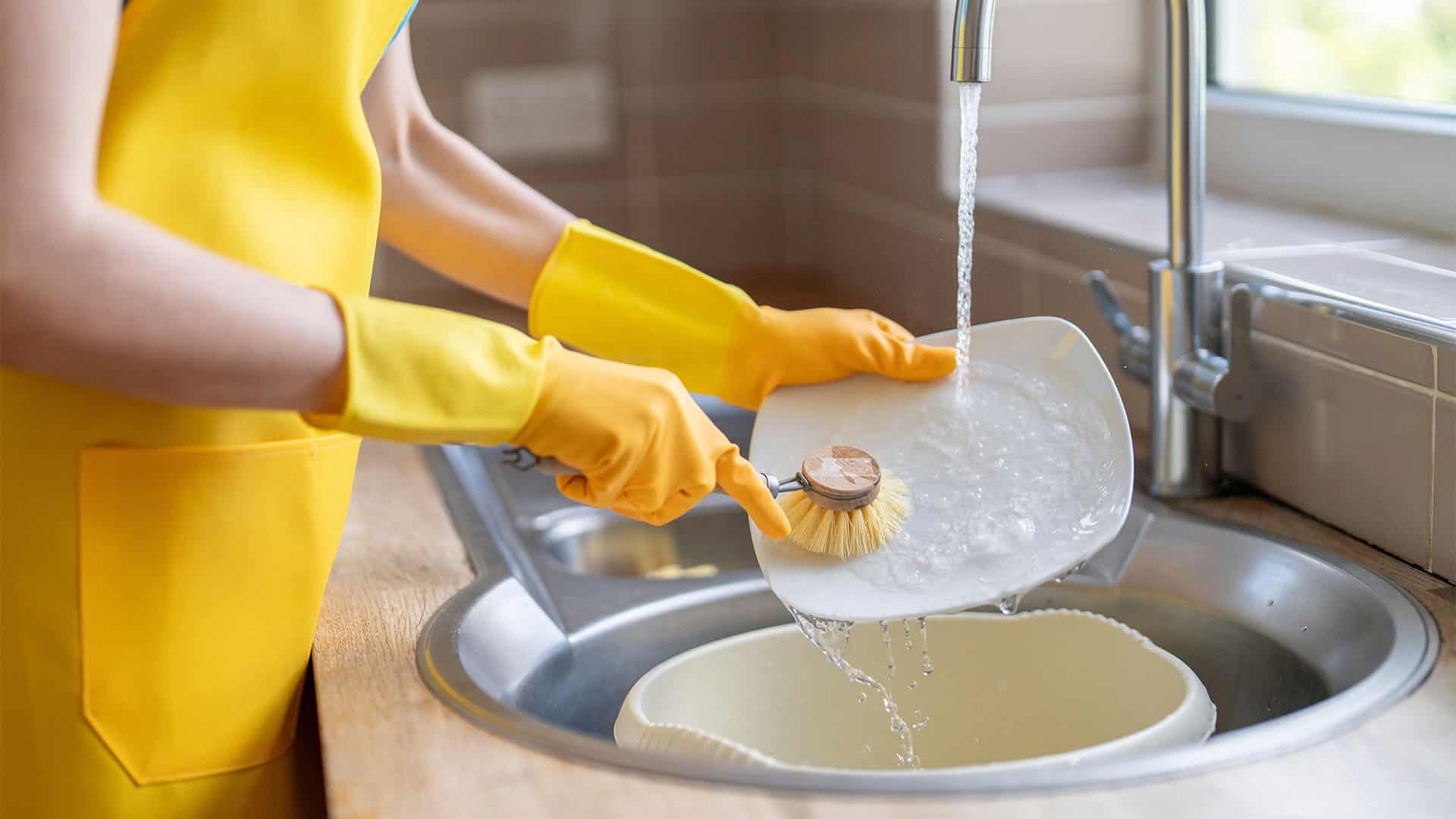
A recent post on Reddit asked, "Am I in the wrong for telling my girlfriend I won't do dishes anymore if she keeps double-checking my work?" He goes on to say that he and his girlfriend just moved in together, and they agreed that she would cook, and he would wash the dishes afterward.
The problem is that when he loads the dishwasher, she checks after him and corrects or redoes it. When he washes by hand, she inspects the dishes to make sure they're clean. He told her he'd had enough, and she said he was being rude and that she was just trying to help. Now he's wondering if he's in the wrong for the way he handled the situation.
The comment section proved that this is a split house.
The reactions
With over one thousand comments, people seemed to attack his cleaning approach more than the question itself.
One person said, "When she decides the hand-washed dishes aren’t clean enough, is she right?"
Many commenters felt that there had to be a reason that she was double-checking his work. Some people like to control everything, but sometimes, they're checking because it's been doing poorly in the first place. If he's unable to clean the dishes so that they're actually clean, she's merely checking to catch the dirty dishes before they get put away.
Another person wasn't buying it. "Don’t give her a reason to double check. Do it right the first time."
Cleaning dishes shouldn't be complicated. Slow down, take your time, and make sure there's no food or debris left on them.
One comment said, "If you do them right the first time, she won't hound you. This is something you learn growing up around your parents."
Cleaning is a learned behavior, but that doesn't necessarily mean that he's doing a bad job. He might be cleaning the dishes just fine, and she just can't handle not being a part of it.
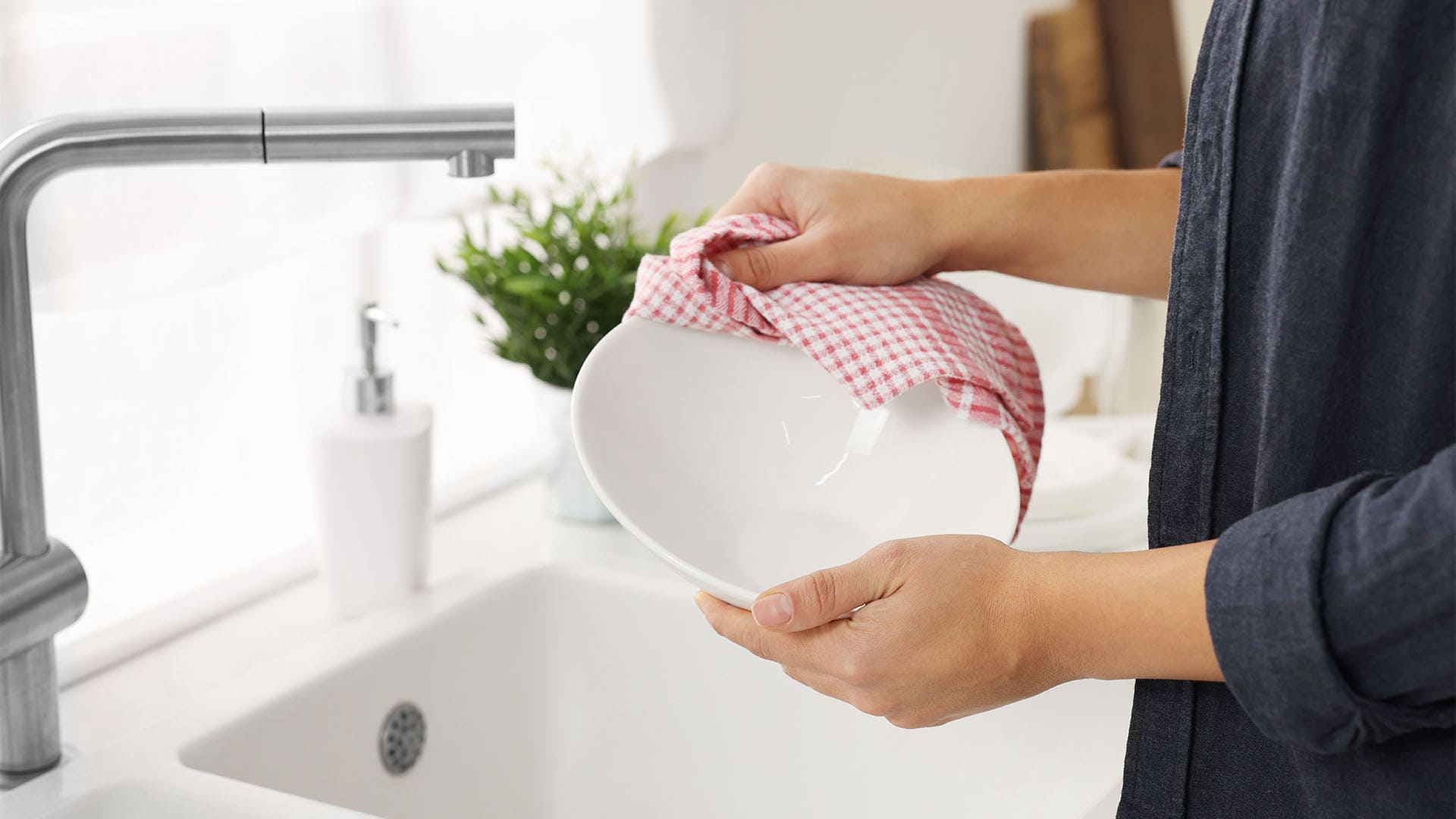
Communication is key. "You should talk to her about it and say that you don't appreciate it, but if there is a way she wants it done, ask her what that way is and then start that."
It doesn't hurt to ask what she needs to happen so she doesn't have to redo the work. It might be something super simple to tweak that can save them both a ton of time and frustration.
This person put it out there. "She’s being annoying, but it sounds like you aren’t cleaning fully. Do the dishes well, and she needs to chill."
It sounds like they both need to come together and figure out a way to make the arrangement that they agreed on work.
When “helping” starts to feel like micromanaging
In shared spaces, intention and impact do not always line up. One person may believe they are being helpful or thorough, while the other experiences those same actions as criticism or control. This disconnect often shows up around household tasks because chores are visible and tied to personal standards. What looks “clean enough” or “done properly” can vary.

Micromanagement rarely starts as hostility. More often, it grows out of discomfort with uncertainty or a strong preference for order. The problem is that constant oversight sends an unintended message: your effort is not trusted. This can erode motivation and goodwill, turning cooperation into resistance. When people feel that their contribution will be rechecked or redone regardless of their effort, opting out can feel like the only way to regain autonomy.
Healthy partnerships require space for differences in execution, not just agreement on outcomes. If a task truly must meet a specific standard, that expectation must be clearly communicated up front. Otherwise, constant correction creates a dynamic in which one person becomes the “manager” and the other the “employee,” a dynamic that is rarely sustainable in an intimate relationship.
Leave a Reply