
As a food writer, I’ve learned to trust my instincts the moment I walk into a restaurant. Some places give off a certain vibe, and not in a good way. Maybe it’s the smell, the service, or something subtle you can’t quite put your finger on. But over time, I’ve come to recognize a few clear warning signs that tell me it’s time to turn around and find somewhere else to eat.
1. Strange or unpleasant odors
One of the first things I notice when I enter a restaurant is the smell
Walk into a good restaurant, and the smell makes you want to stay. Fresh bread, garlic frying, or a roast in the oven are all good signs. When the smell is sour oil, strong chemicals, or fish that doesn’t smell fresh, it points to neglect. If the air isn’t clean where customers sit, it’s rarely better in the kitchen.
2. Dirty menus and sticky tables
Menus are often the first clue to how a restaurant is run. When the cover feels sticky or the pages are marked with old stains, it shows that no one is checking the basics. These are the easiest things for any restaurant to keep clean, and if they’re overlooked, it often hints at deeper hygiene issues behind the scenes.
Tables that haven’t been wiped or chairs left with crumbs give the same impression. If what customers can see is overlooked, there is little reason to trust the care being taken where they cannot.
3. A menu without prices

In tourist-heavy areas, it's a common tactic for restaurants to display menus without prices.
When prices are not listed, diners often have to guess how much their meal will cost, and that guess rarely turns out beneficial for them. Prices must be clearly visible, regardless of the restaurant's size or tourist orientation. If prices are missing, it usually indicates that the restaurant may not be straightforward about other aspects of its operations either.
4. Pushy staff outside
Plenty of restaurants greet you at the door. That’s different from staff standing outside waving menus and urging people to come in. If a place has to chase down customers, it often means the food can’t draw them on its own. A good restaurant fills seats without pressure. If it doesn’t, I’d gladly avoid them.
5. Menus that cover every cuisine
It's challenging for a kitchen to excel in just one type of cuisine. When a single menu features a variety of options, such as sushi, burgers, pasta, and tacos, the likelihood of quality diminishes. Keeping fresh ingredients for such a diverse menu isn't realistic, and if they are serving all those items, frozen food is likely being used. In my experience, restaurants that maintain shorter menus tend to achieve higher quality.
6. Low morale and staff tension

You can feel it when the room is tense. Servers who look drained, avoid eye contact, or argue within sight of customers are sending a message. Low morale often comes from poor management or understaffing, and it impacts service. If the staff looks unhappy, the dining experience rarely improves once food arrives.
7. Staff smoking in front of the door
Nothing kills an appetite faster than walking through a cloud of cigarette smoke at the door. Staff leaning against the entrance for a break makes the place look careless. Restaurants that care about their image set boundaries, and if they aren’t there, it usually shows in other parts of the operation too.
8. Empty dining room at peak hours
Walking into a nearly empty restaurant at the height of lunch or dinner service should make anyone pause. A quiet dining room during peak hours often signals that something isn’t right, whether it’s inconsistent food, poor service, or a reputation that has turned customers away.
While new or recently opened spots may still be finding their footing, established restaurants with empty tables in prime time usually have deeper problems. In the hospitality world, steady crowds are a sign of trust; when they’re missing, it’s often for a reason.
9. Poor lighting or neglected atmosphere
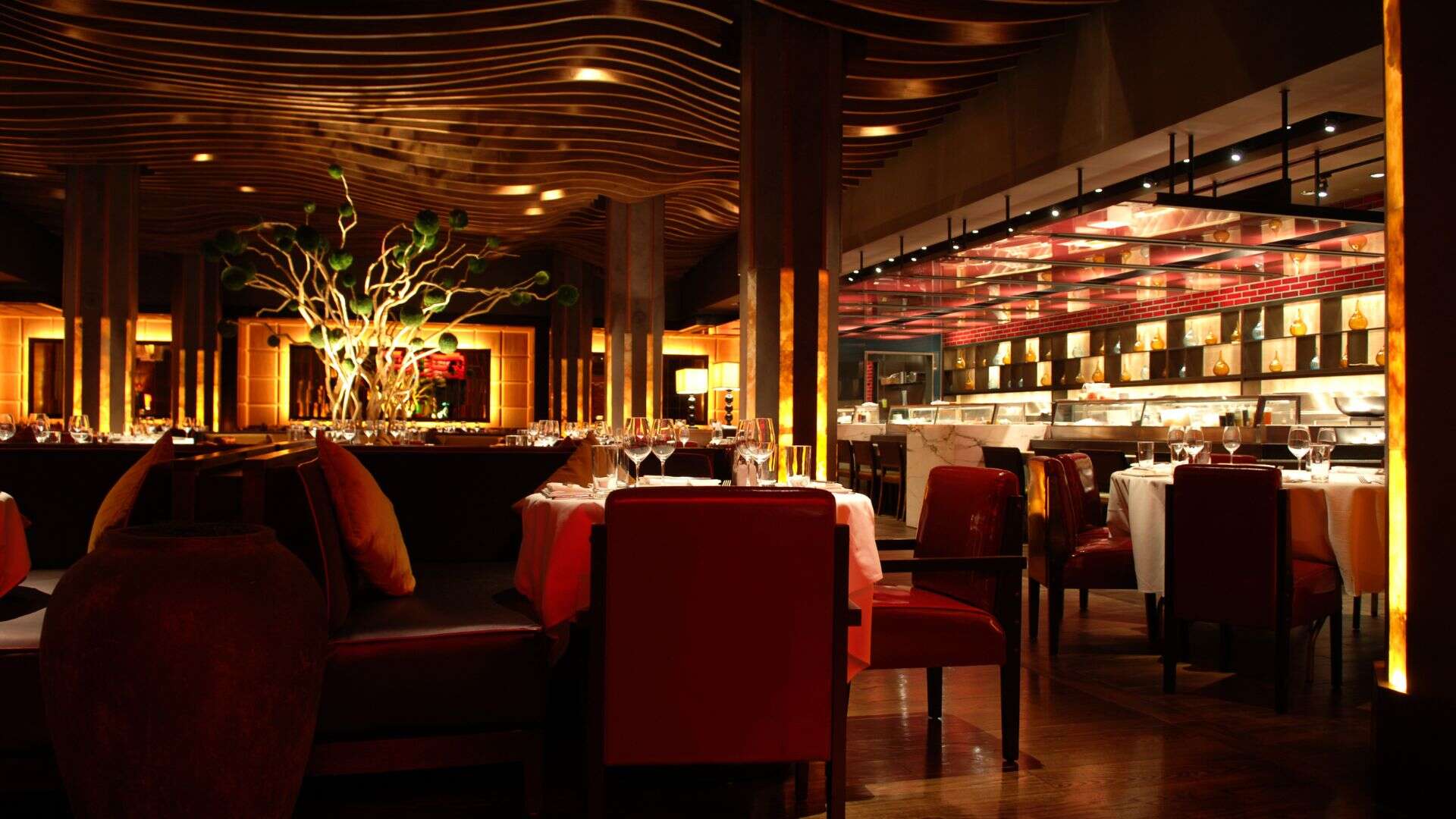
Lighting should make it easy to read the menu and see your food. When the bulbs are burned out and never replaced, it feels neglected. The same applies to chairs with ripped fabric, clutter in corners, or décor that hasn’t been updated in years. Restaurants don’t need to be fancy, but they should show attention to their space.
10. Restrooms that are neglected
Most diners don’t check the restroom until after they’ve sat down, but it remains one of the most evident signs of how a restaurant is managed. A dirty bathroom, missing soap, or bins left overflowing indicate a lack of proper care. When something this visible isn’t maintained, it raises doubts about what’s happening out of view in the kitchen. A clean restroom, on the other hand, is a basic measure of care.
Each of these signs on its own can be brushed off. Put together, they tell you what kind of meal is coming. A restaurant that overlooks small details usually doesn’t care about significant ones, either. Paying attention before you order can save you time, money, and disappointment.
The best places show they care from the moment you walk in, and those are the ones worth sitting down for.
Leave a Reply