
Baking requires both the right technique and the right ingredients, but it isn’t always clear which ones are necessary. Some staples are simple, traditional ingredients that have been used for generations. Others are newer, specialized items, and knowing what to keep in your pantry can save time and money.
I spend my days baking as a profession, and these are the pantry staples that never let me down.

The staples that make almost everything possible
A well-stocked pantry makes baking easier. When you rely on a consistent set of ingredients, you start to understand how they behave. Notice how butter changes texture compared to oil, or how sugar affects browning. That familiarity builds confidence and leads to better results.
It also cuts down on waste. Ingredients get used regularly instead of sitting in the back of the cabinet until they expire. Over time, that saves money and keeps your pantry working for you instead of against you.
Flour
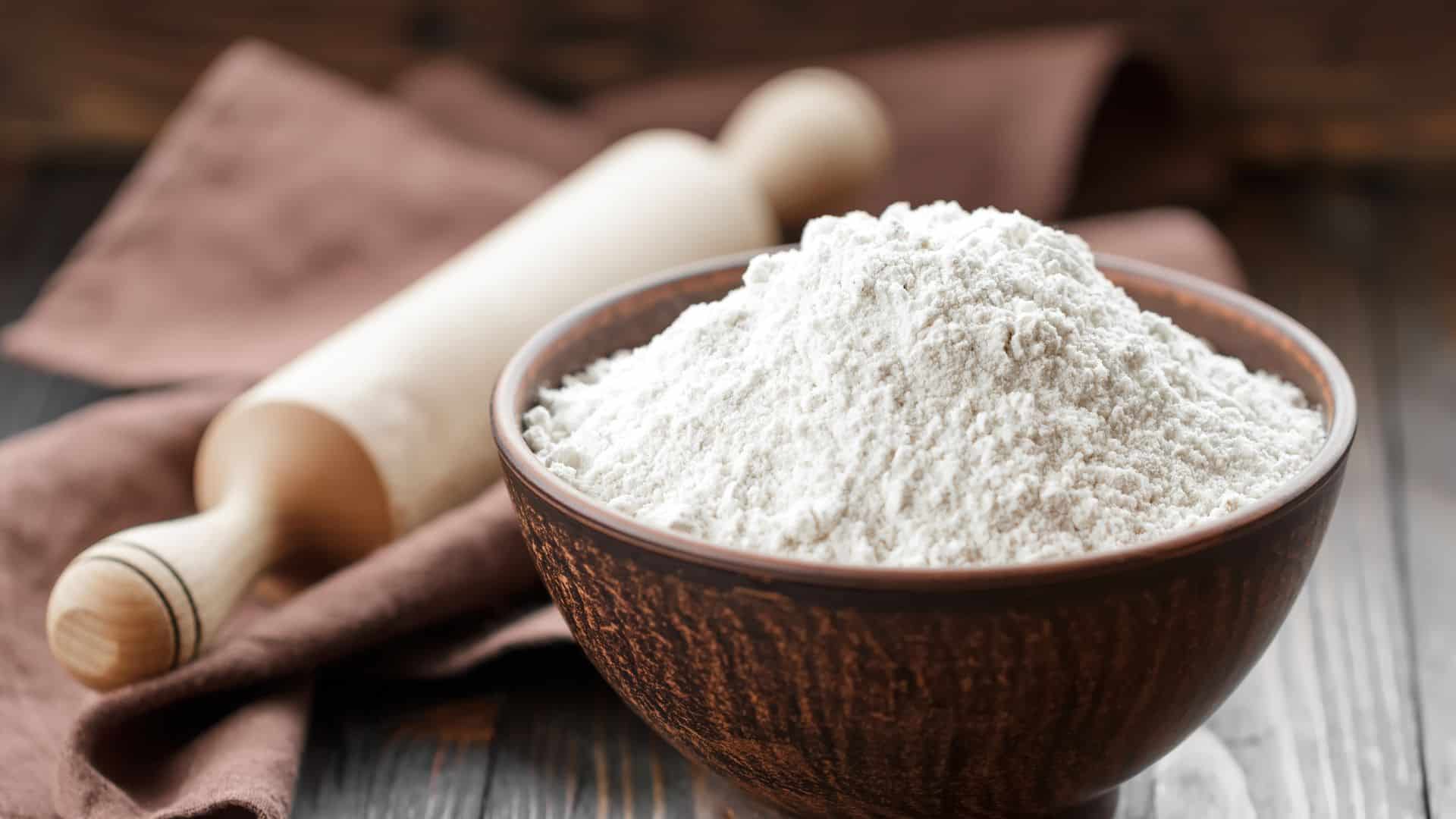
Flour is the foundation of nearly every baked good. A single bag of all-purpose flour can carry you through cookies, cakes, or cupcakes without leaving the house. While other flours have their place, they often sit unused. Keeping one reliable option on hand simplifies baking and ensures consistent results.
Sugar
Sugar does more than sweeten. It impacts the texture and locks in moisture. Granulated sugar is used in most recipes; however, brown sugar can add depth when needed. Between the two, you can build just about any dessert without overcomplicating your pantry.
Eggs
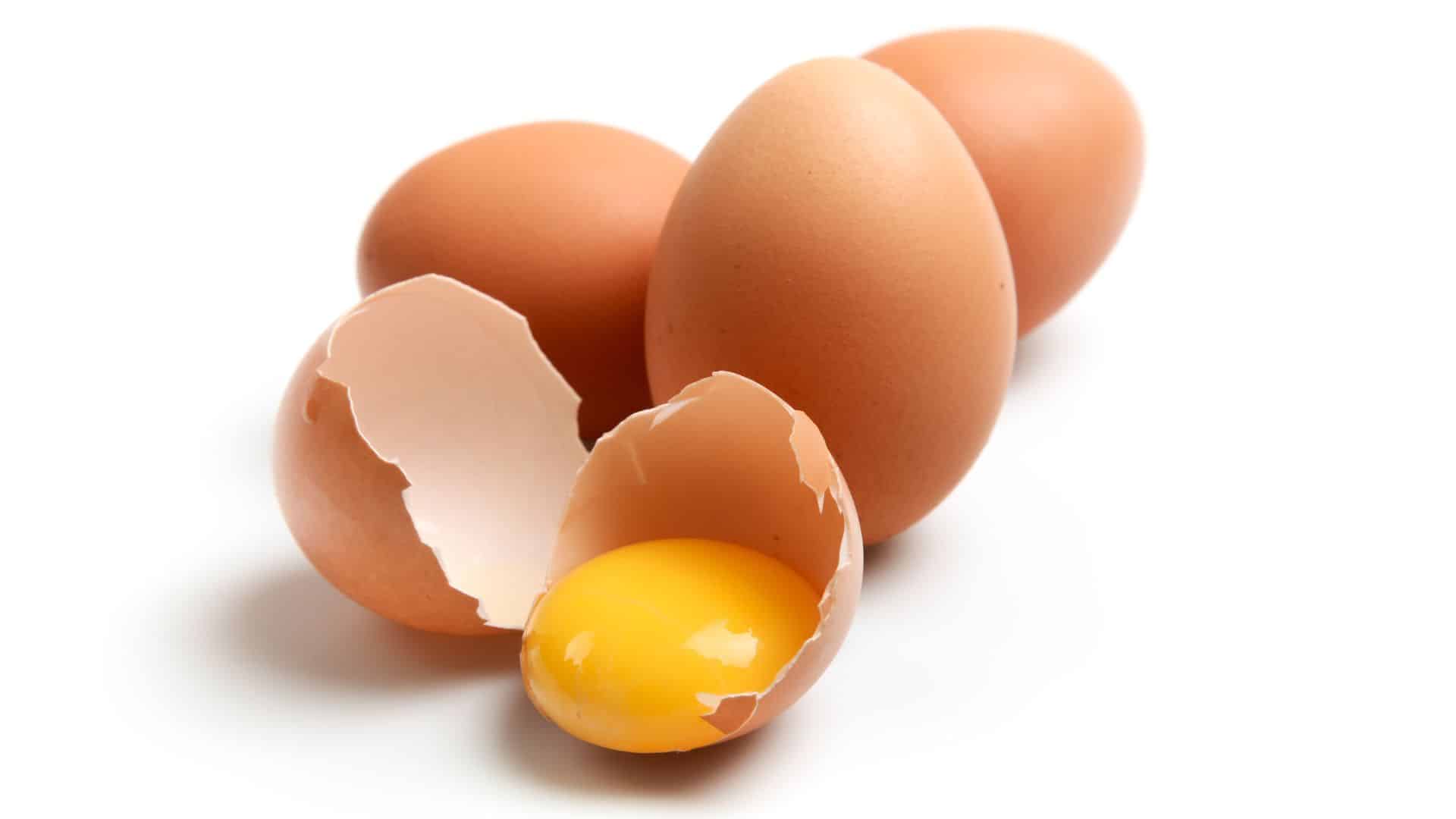
Eggs hold everything together. They provide structure and stability. Eggs also add moisture, richness, and color. Egg yolks offer emulsification and fat, while whites offer volume-boosting protein. Keeping eggs stocked means you are always a few steps away from a delicious dessert.
Butter
Butter brings flavor and richness that is hard to replace. It creates that soft crumb in cakes and the rich bite in cookies. It is one of the most noticeable ingredients in baking, and it earns its place every time. Use unsalted butter in baking so you can control the exact amount of salt by adding it separately.
You can learn how to make your own butter with just a few simple steps.
Oil
Butter and oil differ primarily in flavor, fat content, and melting points. Butter (80% fat, the rest is water) adds rich flavor and tenderness, while oil (100% fat) provides better moisture, higher heat stability, and a neutral taste. Having both butter and oil gives you flexibility in achieving the final texture you want.
Milk
Milk acts as a vital ingredient in baking, providing moisture to hydrate dry ingredients, activating leavening agents, and contributing to the structure, tender crumb, and rich flavor of baked goods. Use high-fat milk in baking to achieve a richer flavor and a more tender texture.
Vanilla extract
Vanilla extract can be the hero ingredient in elegant, vanilla-flavored cakes and pastries, but it also enhances every other flavor in the recipe. Even a small amount can make baked goods taste more complete and well-rounded.
Cocoa powder
Cocoa powder instantly expands your options. With this one simple ingredient, you can shift into chocolate cakes, brownies, and frostings. Always use Dutch-processed unsweetened cocoa powder in baking for a smoother, richer chocolate flavor.
Chocolate chips
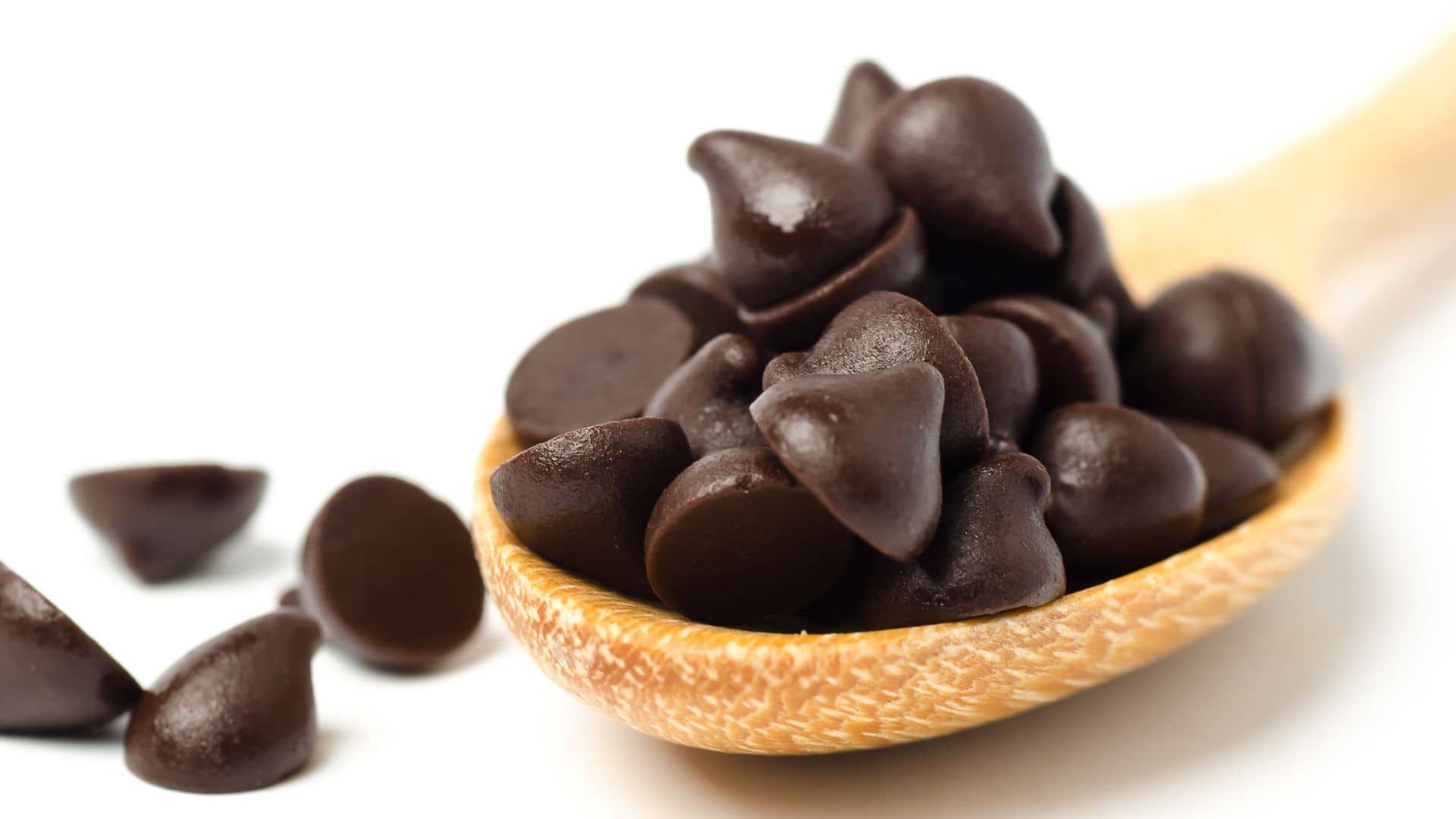
Chocolate chips add texture and richness, and they are very versatile. There are many delicious desserts with chocolate chips, and you can also use them to make chocolate ganache or glaze, or to melt into brownies.
Baking powder
Baking powder helps baked goods rise and become fluffy. Without it, cakes, muffins, and cookies would be dense and flat. To use, measure carefully and mix it evenly into the dry ingredients so your cakes and muffins rise properly.
Baking soda
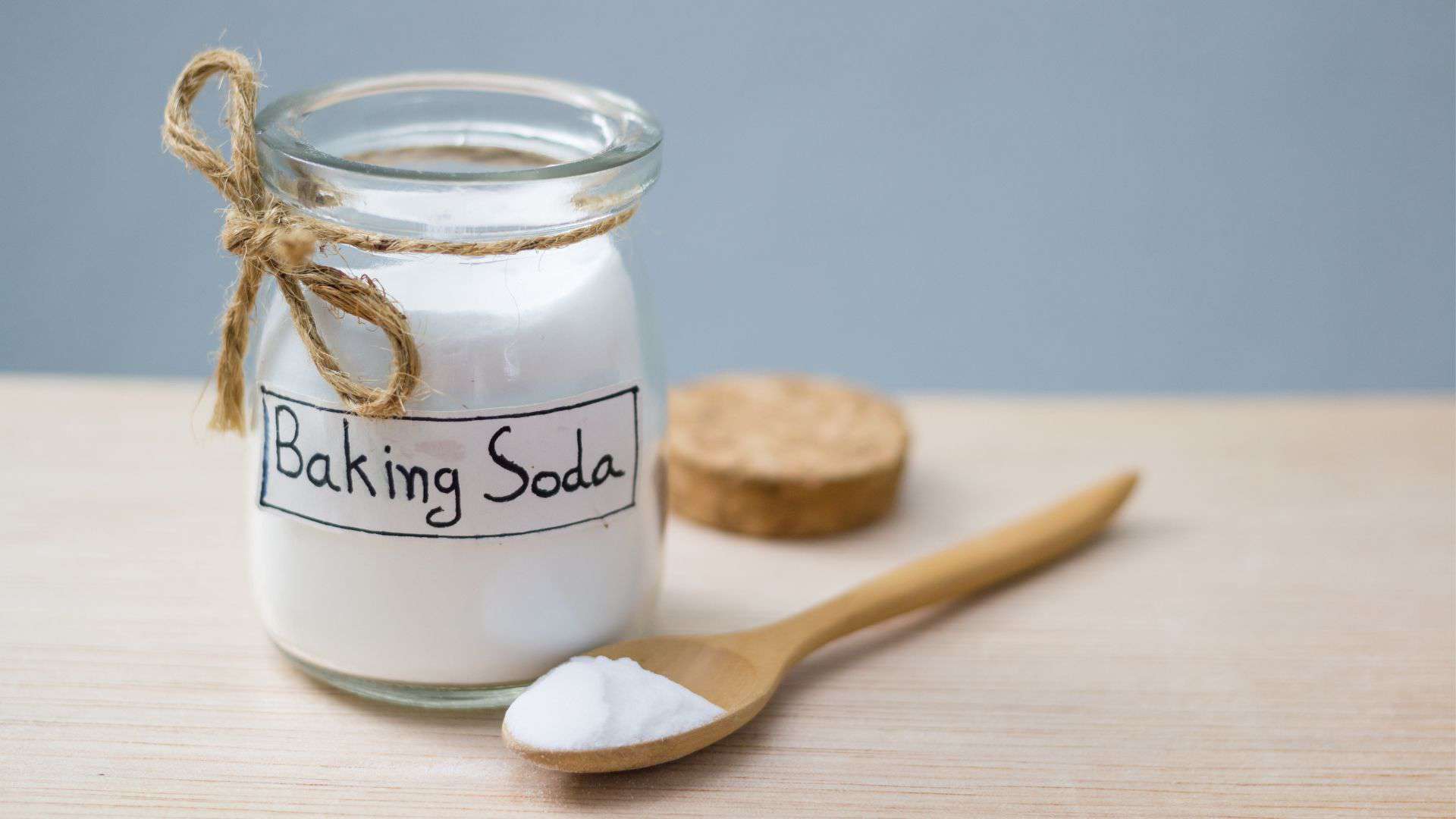
Baking soda works alongside acidic ingredients to create a rise and proper structure. It is not interchangeable with baking powder in many recipes, so it is important to keep both stocked and fresh.
The ingredients that are waste of money
Boxed mixes
Boxed mixes promise convenience, but they limit flexibility. A homemade batter made with flour, sugar, eggs, and butter takes only a few extra minutes and lets you control the flavor and texture. Boxed mixes often contain extra sugar, artificial flavors, and preservatives, which can make the final product taste less fresh or overly sweet.
Making desserts from scratch usually costs less and results in better taste, freshness, and control over what goes in.
Pre-made whipped toppings
Tub-style whipped toppings may be easy to use, but they lack the flavor and texture of freshly whipped cream. A carton of cream and a bit of sugar yield better results with minimal effort. It also has way fewer ingredients than anything that you'd buy at the store.
Store-bought syrups and frostings
Store-bought frostings and syrups with artificial flavors tend to be overly sweet and one-dimensional. Making frosting at home with butter, sugar, and cocoa or vanilla is straightforward and far more customizable. Here are some easy homemade frostings to try: American buttercream, cream cheese frosting, or rich chocolate fudge frosting.

Artificial flavorings
Artificial flavorings are chemicals made to mimic natural tastes, but they often lack the depth and complexity of real ingredients. They can make desserts taste artificial or overly sweet. Using real vanilla, citrus zest, or other natural flavors gives baked goods a richer, fresher taste.
Shortening
Shortening has specific uses, but it is not essential for most baking. Butter and oil can handle most recipes while delivering better flavor. For many kitchens, shortening ends up unused.

The takeaway
The best baking pantry is not the most stocked one. It is the one that is used. Keeping things simple does not limit what you can make. It does the opposite. With a small group of reliable ingredients, you can adapt and bake with confidence whenever you want.
When you focus on what actually works, baking becomes easier and far more rewarding.
Leave a Reply