
House rules can feel small until someone refuses to follow them.
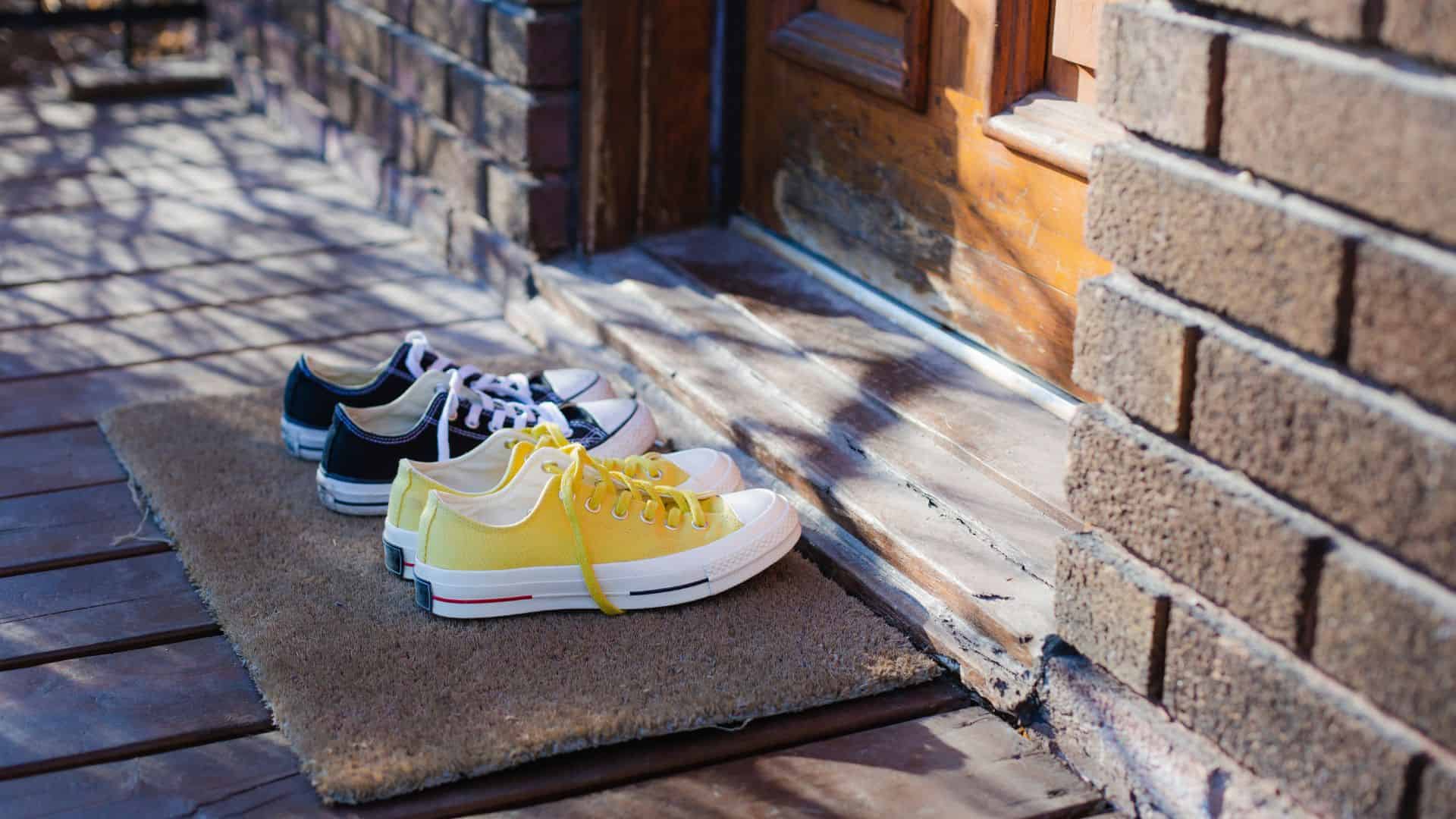
In a recent Reddit thread, it was asked, "Am I in the wrong for asking guests to my house to remove their shoes?" They went out to say they don't like people wearing shoes in their house. They always tell people in advance, so it's never a surprise. They also offer hotel slippers for anyone who wants them when they take off their shoes.
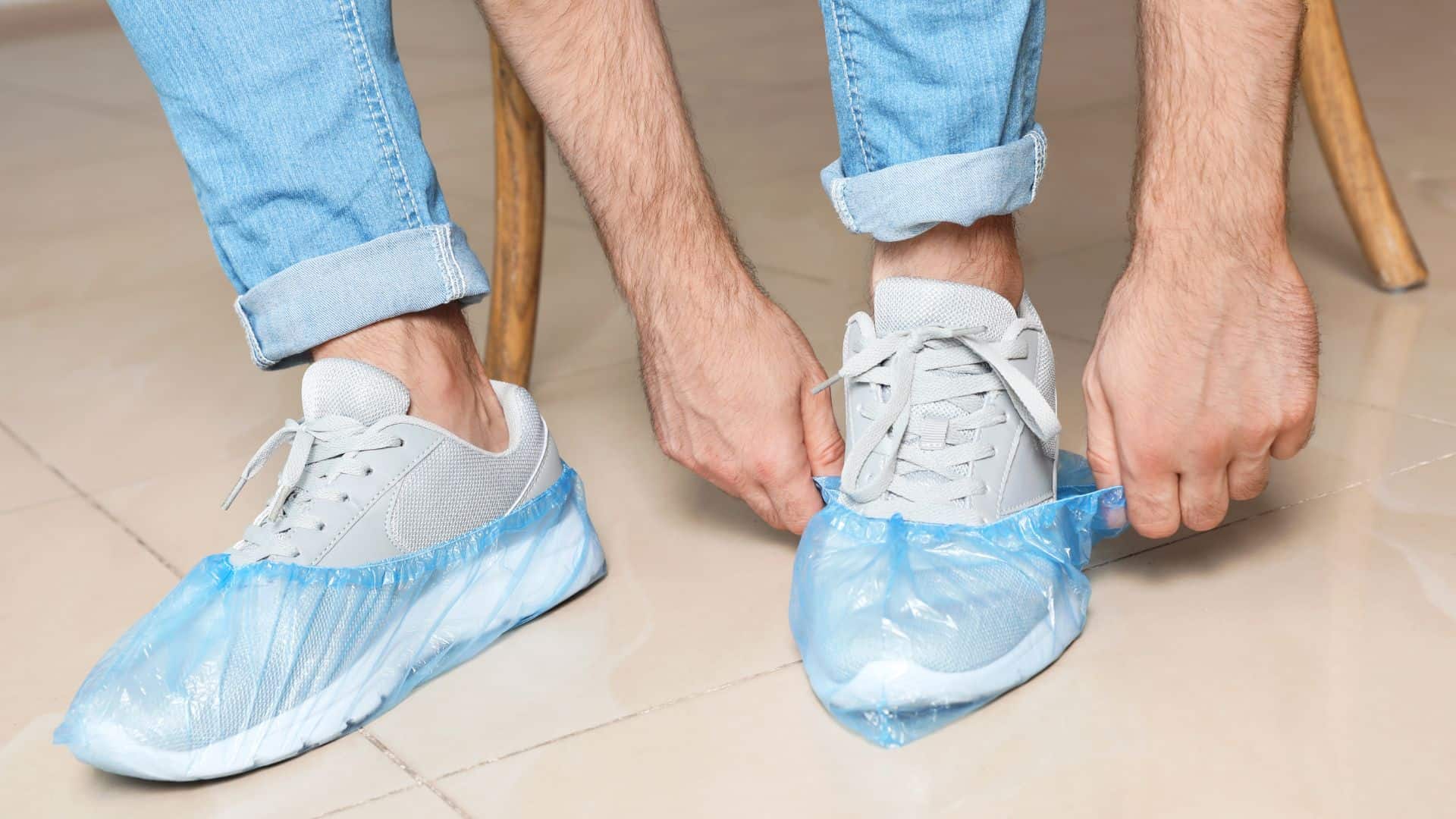
At a recent gathering, one woman refused to take off her shoes before entering. She said that they thought it was a joke and wouldn't have to take them off. She got really mad, refused to come inside, and left.
Now they want to know if they handled the situation incorrectly.
The responses
Over one hundred people determined that the poster of the thread wasn't wrong in how they addressed and communicated.
One person wrote, "Humans, take off your outside shoes when you go inside. It's basic hygiene, like washing your hands before you eat."
It's very interesting to see this as such a normal reaction and practice in other countries, but not in the United States.
Another wrote, "Right? It's wild how controversial this is in some places. I've had friends act like I'm asking them to walk on hot coals."
People have a very strong reaction to things they don't understand. If they're not used to taking off their shoes at home, they won't understand taking them off everywhere else.
Another person pointed out, "Your house your rules."
Even though the poster feels bad, it is their house and their rules. People don't have to like the rules, but if they want to come into the house, then they have to accept them. It's as simple as that.

Exactly. "Shoes are dirty and could have dog poo on them. Ew."
There are so many different types of germs and issues on the bottoms of shoes. People don't know or see them, so the fact that they react so strongly against it is mind-boggling.
When house rules become a power struggle
Most disagreements like this are not really about shoes. They are about expectations and how people respond when they feel corrected.
They did what many hosts forget to do. They communicated ahead of time. They gave people notice so they could plan accordingly. They even offered clean slippers so no one would feel uncomfortable or awkward standing in socks. That shows consideration, not control.
The issue arose when one person decided the rule was optional.
When someone ignores a clearly stated boundary and then reacts with anger, the tension shifts. It is no longer about carpet or cleanliness. It becomes about whether a person is willing to respect the environment they are walking into. A home is a private space, and it is reasonable for homeowners to set standards for how it is used.
At the same time, tone matters. Some people genuinely are not used to shoe-free homes. In parts of the United States, wearing shoes indoors is normal. In many other countries, removing them is automatic and expected. Cultural norms shape reactions. What feels obvious to one person can feel extreme to another.
The lesson here is not to soften the rule, but to reinforce it clearly and calmly. A direct statement at the door, such as, “We’re a no-shoes home, thanks for understanding,” keeps it firm without sounding confrontational. When boundaries are steady and unemotional, they are harder to argue with.

Protecting your space without losing relationships
Healthy boundaries reveal who is comfortable respecting them and who is not.
That said, reflection is still useful. Ask yourself whether the rule was communicated clearly. Was it written in the invitation? Mentioned more than once? Framed as a preference or as a firm rule? Small differences in wording can change how seriously people take instructions.
Ultimately, shoes feel personal. Being told to remove them can feel like being corrected. But that discomfort does not, by itself, make the request unreasonable.
Leave a Reply