
Summer has a way of making you feel like you should have more energy than you actually do. The days are long, the calendar is full, and yet by mid-afternoon, most people are running on fumes. The problem is rarely sleep. More often, it comes down to what you are eating and whether those choices are working with the heat or against it.
The good news is that summer is the season when the most energizing foods are also the most available. Farmers markets and grocery produce sections are at their peak, and the ingredients that do the most for sustained energy happen to be the ones that are ripest and most affordable right now. The key is knowing which ones are actually worth reaching for and why.
How heat changes the way your body uses food
Before getting into specific foods, it helps to understand how summer affects your metabolism. When temperatures rise, your body works harder to regulate its core temperature, which draws on energy reserves even when you are sitting still. Add even mild dehydration into the picture, and the mental fog and fatigue that follow are almost identical to the feeling of not having eaten enough. In many cases, the afternoon slump that people blame on a heavy lunch is actually a combination of heat stress and inadequate hydration.
This is why water-rich foods carry outsized importance in summer compared to any other season. They address hydration and nutrition simultaneously, which a glass of water alone cannot. Watermelon, cucumber, peaches, and berries all fall into this category. They replenish fluids, deliver natural sugars that convert to energy quickly, and require almost no digestive effort from a body already managing heat.
The foods worth prioritizing right now
Berries are among the most reliable energy foods available in summer and among the most underestimated. Blueberries, strawberries, and blackberries are packed with antioxidants that help reduce the oxidative stress that accumulates during physical activity and heat exposure. They are also high in natural sugars and fiber, which means the energy they provide arrives steadily rather than in a spike followed by a crash. A bowl of mixed berries in the afternoon does more for sustained focus than almost anything you could reach for instead.
Nuts, particularly almonds and walnuts, deserve a consistent place in a summer eating routine. They contain healthy fats, protein, and magnesium, a mineral that plays a central role in cellular energy production. Many Americans eat too little magnesium without realizing it, and the resulting fatigue is easy to mistake for something else entirely. A small handful of almonds alongside a piece of fruit is one of the most effective and underrated afternoon combinations available.
Eggs are another food that earns more credit than they typically receive in warm-weather eating. They are among the most complete sources of protein available, and protein is what keeps energy levels stable between meals. A hard-boiled egg is portable, requires no refrigeration for a reasonable period, and delivers the kind of slow-burning fuel that a granola bar simply cannot match.
Oily fish, including salmon, sardines, and mackerel, round out the list for good reason. The omega-3 fatty acids they contain support brain function and help manage the inflammation that builds up in the body during periods of heat and physical activity. Canned sardines and salmon are among the most affordable and practical ways to get this benefit, with no cooking required on a hot day.
How to put it together without overthinking it
The bigger picture here is about building meals with the right combination of water content, natural sugars, protein, and healthy fat. A summer lunch that hits all four of those markers will carry you through the afternoon in a way that most people have stopped expecting food to do.
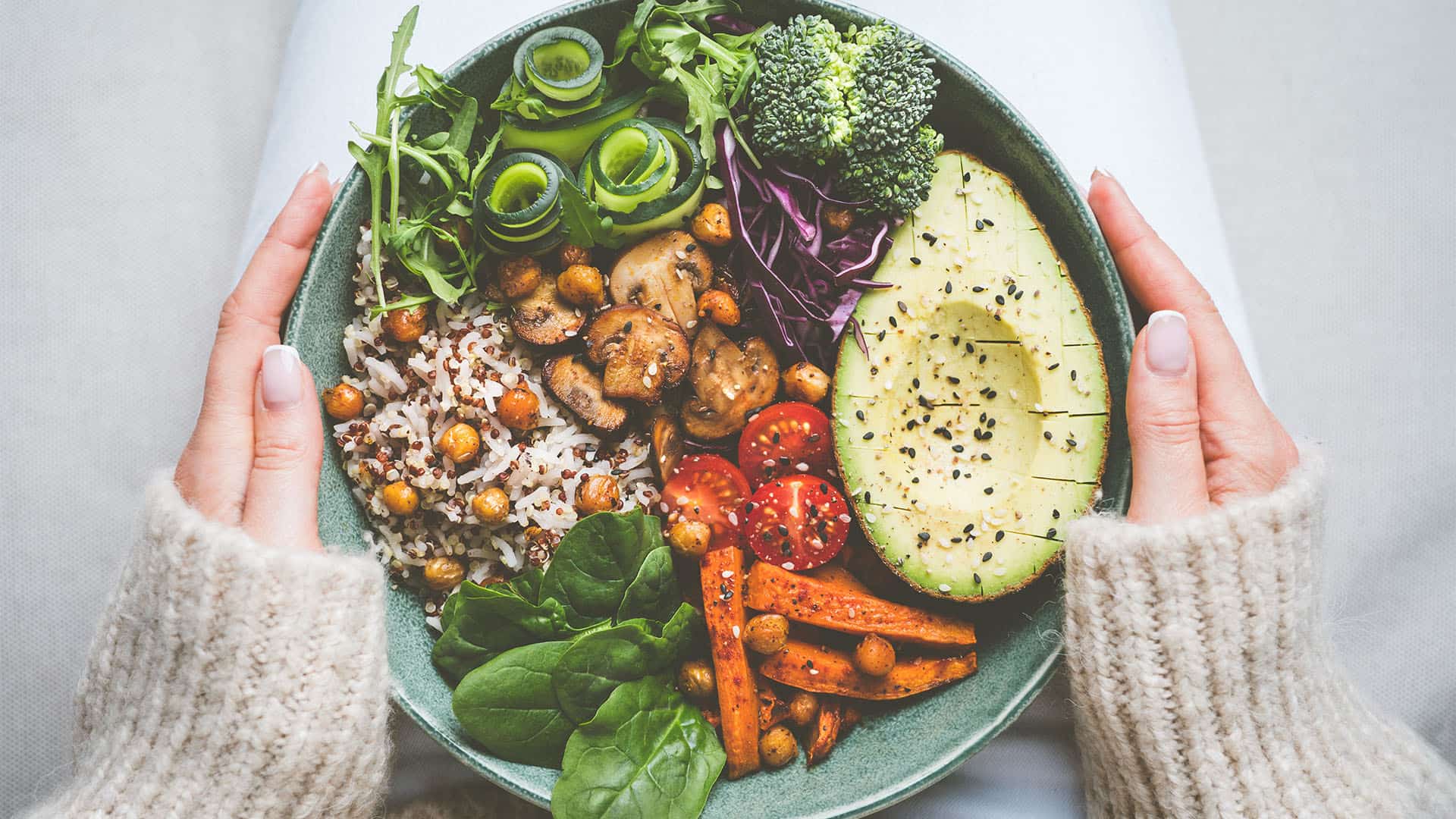
In practical terms, that looks like a grain bowl with salmon, cucumber, and avocado. Or a plate of berries, hard-boiled eggs, and a small handful of almonds. Or watermelon with a side of cottage cheese, which has become one of the most talked-about high-protein summer pairings in grocery and food media this year. None of these requires a recipe or much time; you just need to know what you are building toward and have the right ingredients on hand when the afternoon hits.
Summer eating does not need to be complicated to be effective. It just needs to be intentional.
Leave a Reply