
Did you know that every element of a dining experience, from the font size on the page to the song playing in the background, has been calibrated by a field called menu engineering? A discipline that blends behavioral economics, psychology, and design to guide you toward spending more than you planned. It works on almost everyone, including people who know it exists. Here is how it actually happens.
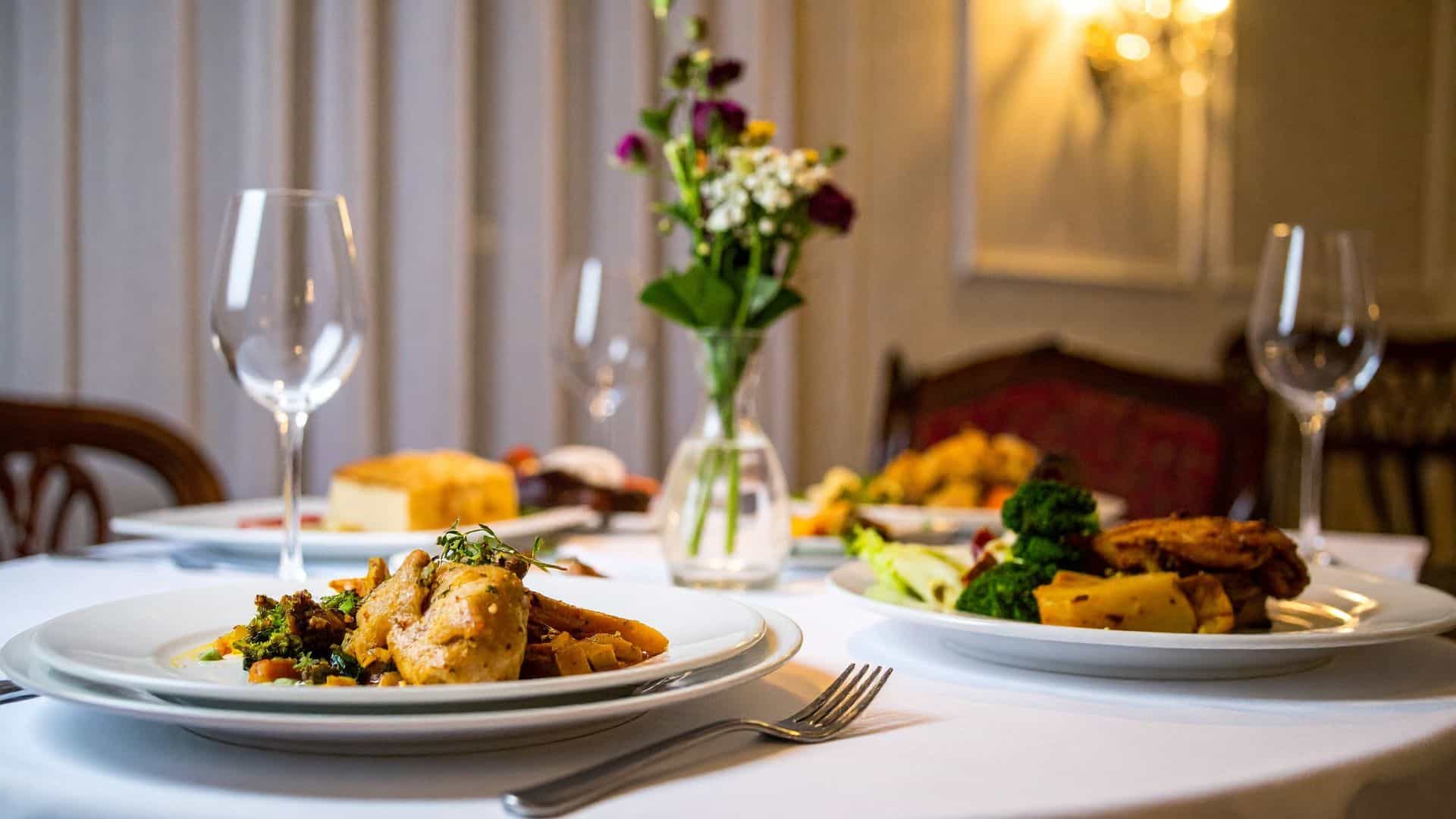
The menu is a psychological document
The most important thing to understand about a restaurant menu is that it is not a price list. It is a persuasion tool, and every design decision serves that purpose.
The first technique most diners encounter is anchor pricing. Restaurants deliberately place one or two extremely expensive items at the top of each section, not because they expect to sell many of them, but because their presence makes everything else look reasonable by comparison. When your eye lands on a $58 dry-aged ribeye first, the $32 chicken dish a few lines down registers as a bargain, even if $32 for chicken would have made you blink in any other context.
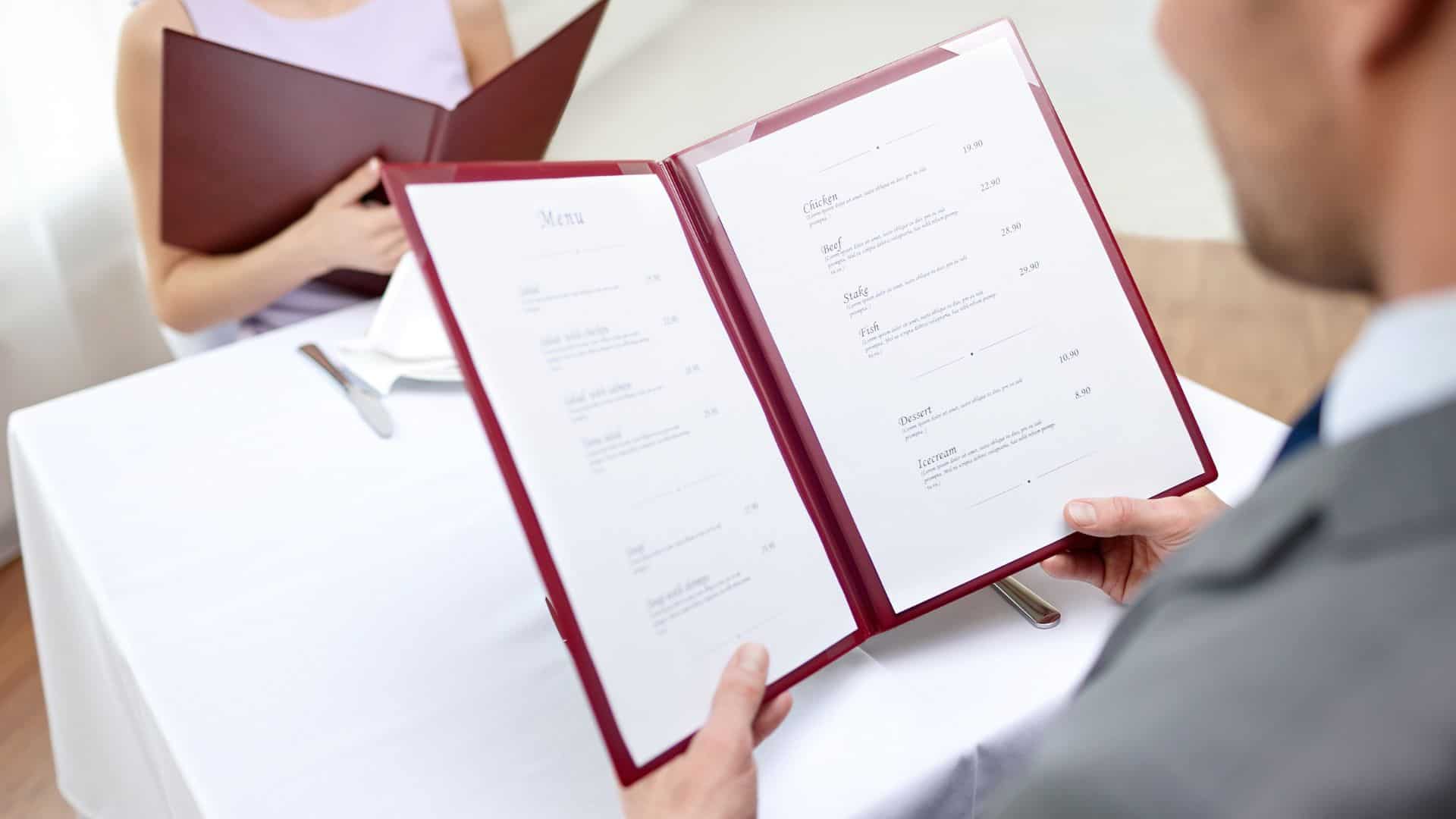
According to menu engineering research published by NetSuite, some restaurants go further and include what are called decoy dishes, items priced so high they are almost never ordered, placed strategically to make mid-range options feel like the smart, moderate choice.
The dollar sign disappears for the same reason. Research found that guests given menus without dollar signs spent significantly more than those given menus with dollar signs.
The words are working on you too
Descriptive language on menus is not decoration. Items described in more evocative detail are consistently more popular and perceived as higher quality.
This is why a menu rarely says "chicken breast with herbs." It says "free-range chicken, slow-roasted with garden thyme and a lemon butter reduction, served on a bed of hand-mashed potato." The dish might be identical. The experience of ordering it is not. Words like "slow-roasted," "hand-made," and "garden-fresh" activate associations with care, quality, and effort that make the price feel justified before you have tasted a bite.
Geographic and nostalgic language works the same way. "Grandma's braised short rib" or "Tuscan-style pappardelle" creates emotional warmth that shifts your attention away from the number at the end of the line.
The room is doing its part
The manipulation does not stop at the menu. The physical environment of a restaurant is tuned with the same deliberateness, and the biggest lever is music.
One industry report found that slow-tempo music led guests to order up to 3 additional drinks per table, boosting profits by 40% on those tables.
Lighting does similar work. Dim, warm lighting signals that this is a place to settle in, take your time, and order another round. Bright lighting moves people through. The restaurant chooses which one it wants based on its business model, not your comfort.
Upselling is a trained skill, not a suggestion
By the time the server arrives, the menu and the room have already done most of the work. But the table service is the final layer, and it is anything but casual.
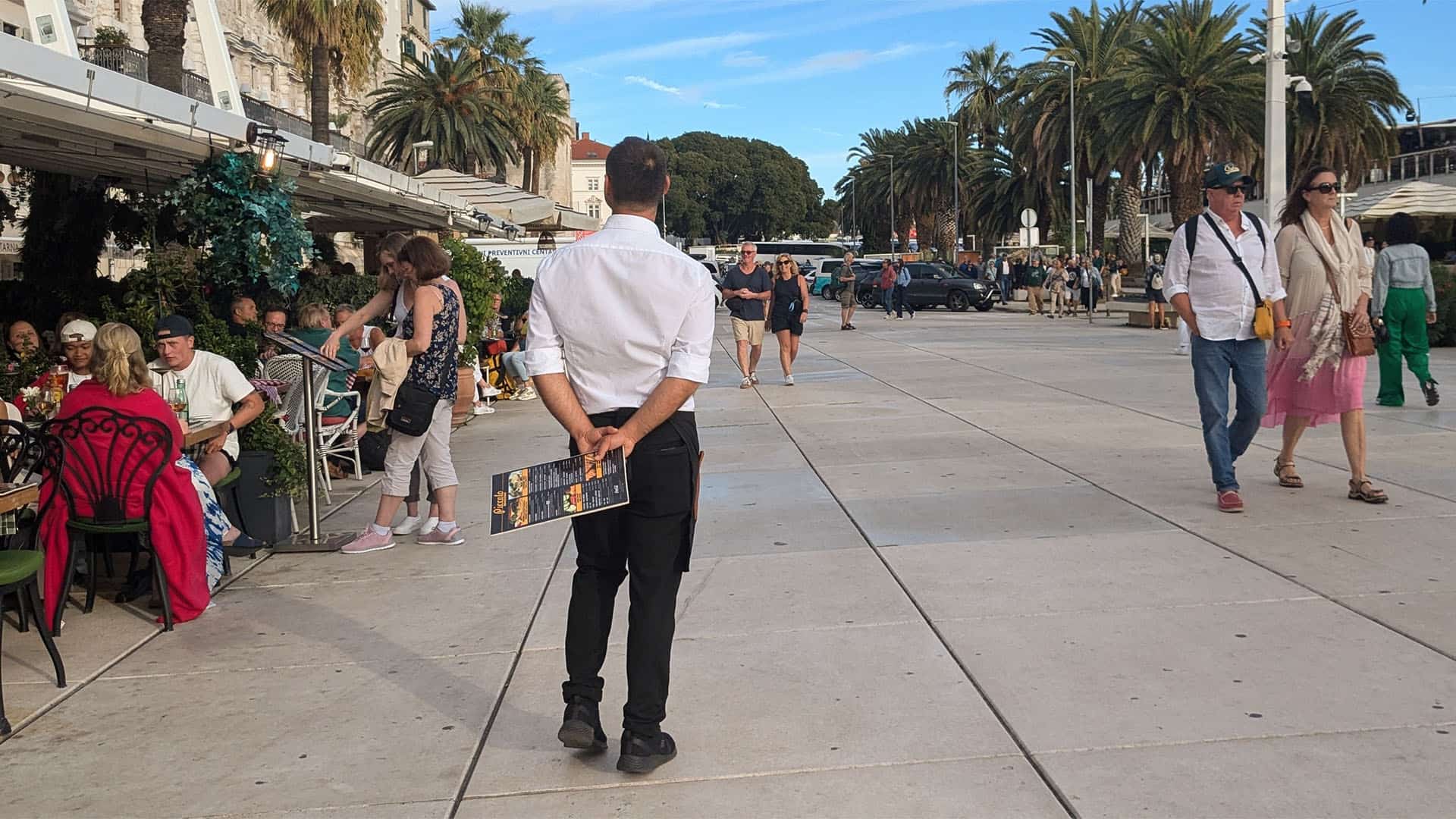
Restaurant staff are trained in upselling sequences that are designed to feel like hospitality. The question "Can I start you off with something from the bar?" is not an invitation. It is the opening move of a structured selling conversation. Recommending the chef's special or describing a dish with particular enthusiasm typically signals that it carries a strong margin for the kitchen, not that it is the server's personal favorite.
The bread basket, offered at the start of a meal in many restaurants, is another calculated move. Research on appetite and decision-making consistently shows that mild hunger sharpens attention and makes people more careful with choices. Filling the table with bread before ordering blunts that edge and makes diners more relaxed and more generous with the menu.
What you can actually do about it
None of this means you should stop eating out or turn every restaurant visit into an exercise in suspicion. Eating out is one of life's real pleasures, and a good meal with people you enjoy is worth every penny. The point is simply to spend what you actually intended to spend, not what the room nudged you toward.
The most useful thing you can do happens before you even arrive. Decide on a rough budget in advance, and think about what you actually want from the evening. Are you there for a full experience, a long table, wine, dessert, the whole thing? Then enjoy it fully and without guilt. Or is it a Tuesday night dinner where you want something good but simple?
Reading the menu from the middle outward rather than starting from the top also helps. The most profitable items for the restaurant are placed to be seen first. The dishes with the best value for you are rarely there.
Leave a Reply