
Every summer seems to come with its own unofficial food trend. One year, it’s elaborate charcuterie boards; the next, rainbow desserts, whipped coffee, or over-the-top grill hacks designed for social media. At first, these trends feel fun. They bring creativity to everyday meals and offer new ideas for entertaining.
But as the season goes on, something shifts. The novelty wears off, and the same ideas begin to feel repetitive.
Right now, one summer food style in particular is quietly reaching that point.

The rise of the “everything on a board” approach
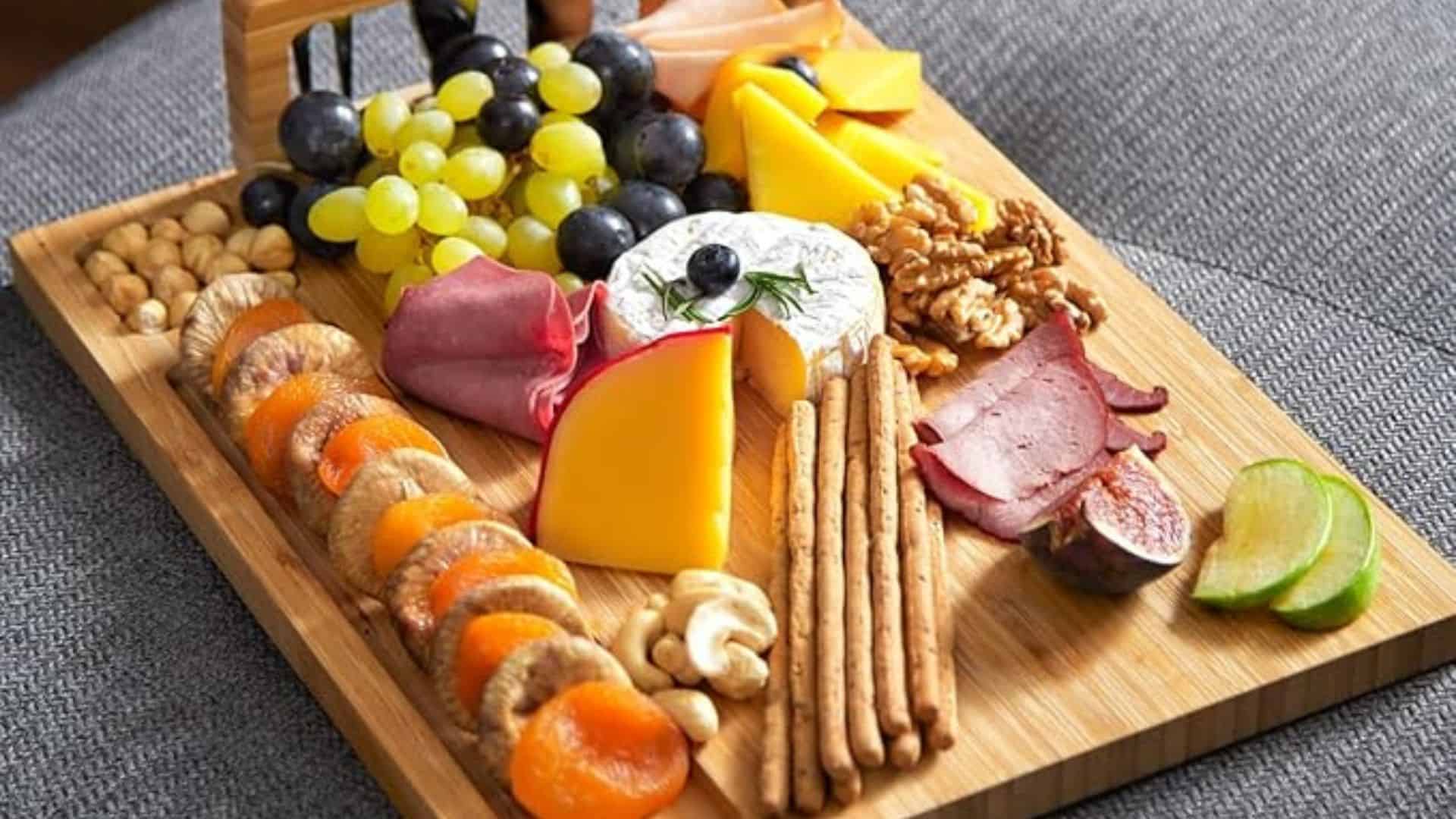
Food boards have become one of the most recognizable hosting trends in recent years. Charcuterie boards started it all, but the idea quickly expanded far beyond cheese and cured meats.
Now there are breakfast boards, dessert boards, taco boards, butter boards, pancake boards, snack boards, and even full dinner boards. The concept is simple: take a category of food and turn it into a visually appealing spread that people can pick at throughout the day.
At first glance, it makes sense. Boards are easy to share, visually impressive, and flexible. They also photograph extremely well, which helped push them into social media popularity in the first place.
Why it worked so well at first
There is a reason food boards caught on so quickly. They remove structure from dining in a way that feels relaxed and social. Instead of plating individual meals, everything is placed in the middle of the table, and people build their own combinations. It encourages grazing, conversation, and a slower pace of eating that fits summer gatherings well.
They also feel low effort in theory. A board can be assembled without complicated cooking and gives the impression of abundance without requiring a full menu.
For hosts looking for something easy but impressive, it seemed like the perfect solution.
The point where repetition sets in
The problem is not the idea itself. It is how often it is used now. When every gathering features a board of some kind, it stops feeling special. The surprise element disappears. Guests already know what to expect before they arrive. Instead of feeling like a thoughtful centerpiece, it can start to feel like a default option.
There is also a practical issue. Not all foods work well in board format. Some combinations feel forced, and others end up looking visually similar regardless of theme. After a while, many boards start to blur together.
Platforms like Instagram and TikTok played a major role in the rise of food boards, but they are also accelerating burnout.
Trends move quickly online. Once a concept becomes popular, it is replicated endlessly with small variations. What feels new in one video is already being copied in hundreds of others within days.
By the time the trend reaches real-life gatherings, it has often already appeared in so many online formats that it no longer feels fresh. Instead of inspiring creativity, it can feel like repetition.
Not all trends are meant to last
Food trends often follow the same pattern. They rise quickly, dominate social feeds, and then gradually fade as people move on to the next idea. Very few remain popular for long periods without evolving.
Food boards are unlikely to disappear completely. They are still useful in many settings, especially for casual entertaining. But they are no longer the novelty they once were.
In many ways, that is normal. Trends lose impact when they become too common.
Leave a Reply