
After spending time in different parts of Europe, one thing becomes quickly obvious: grocery shopping is not treated as a rushed chore everywhere. Stores are designed differently, routines feel more intentional, and even the layout of basic supermarkets reflects a different relationship with food. It is not “better” in a romantic sense, but small structural choices that influence daily habits in a very direct way.
1. Prioritizing fresh produce over packaged aisles
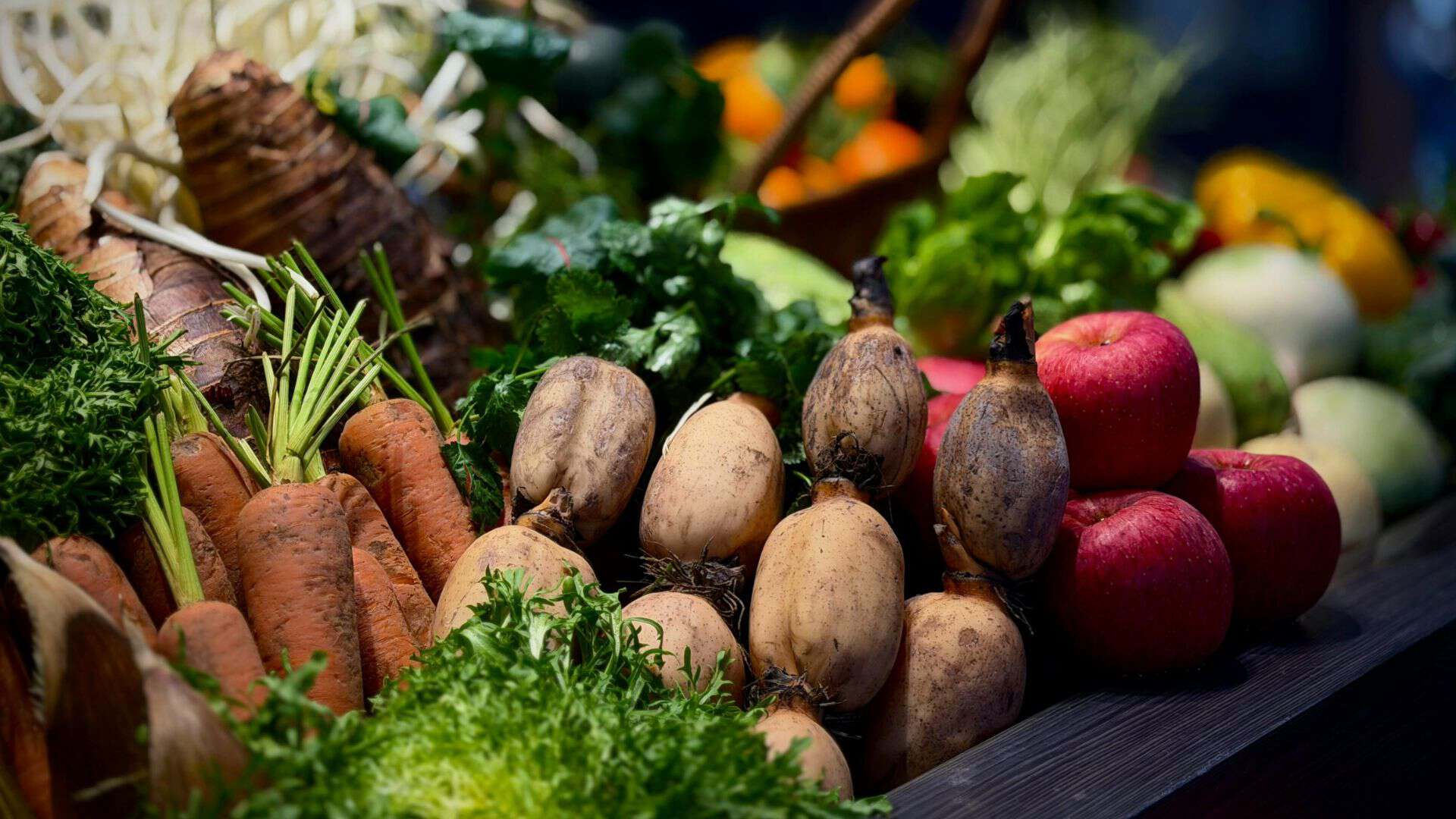
Fresh produce is often the first thing you see when you enter a store, immediately shifting the focus of the shopping experience. Instead of walking straight into processed goods, you are visually anchored by fruits, vegetables, and seasonal displays. This subtle positioning encourages people to think about meals starting with real ingredients rather than packaged convenience.
2. Smaller, more frequent shopping formats
Many European households shop more frequently in smaller amounts rather than doing large weekly stock-ups. Stores are often designed around this rhythm, with layouts and locations that support quick visits on the way home. This naturally reduces food waste and keeps kitchens stocked with fresher ingredients instead of over-purchased items that slowly expire.
3. Clearer seasonal food culture
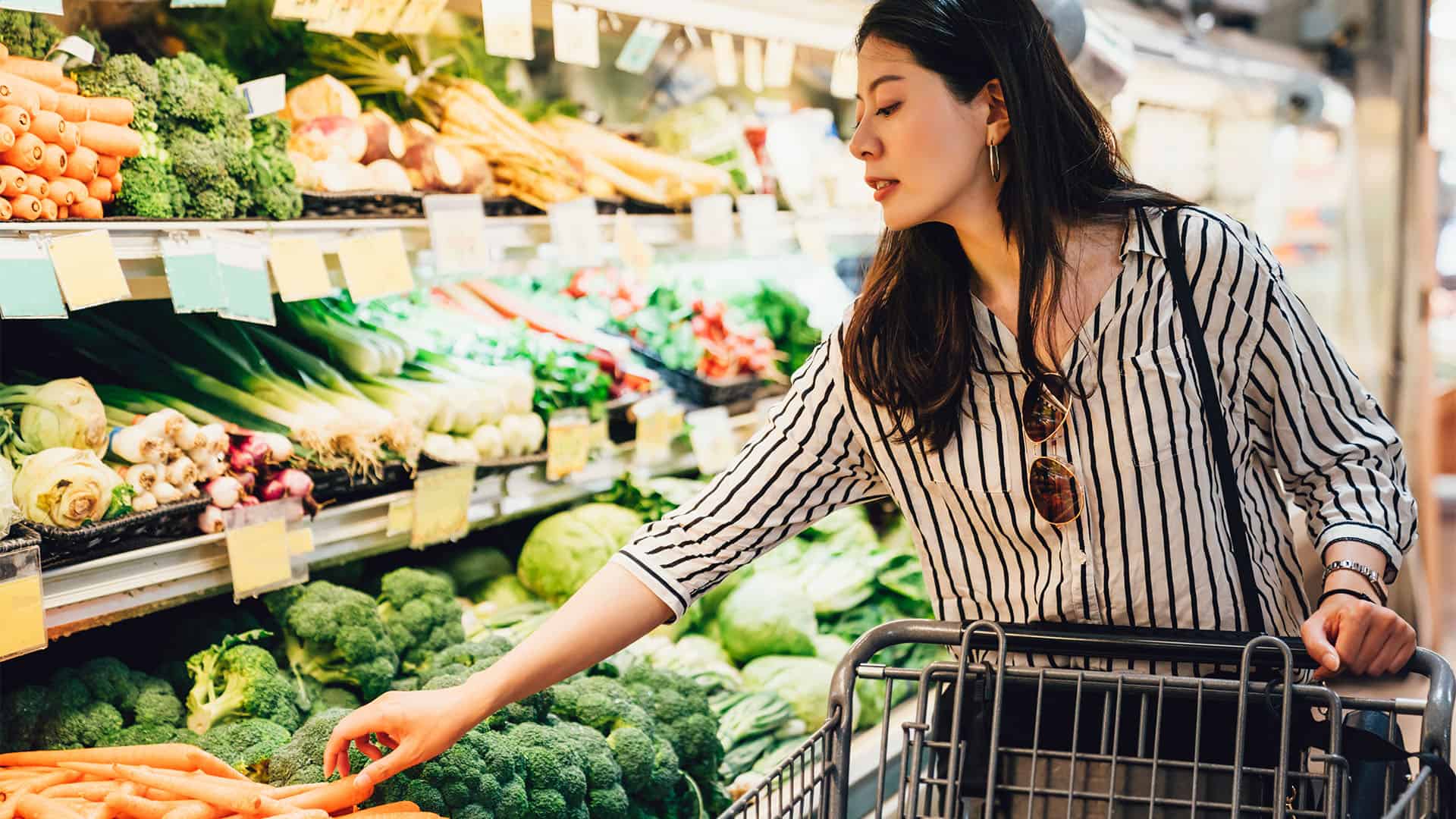
Seasonality is more visible in everyday grocery environments, not just specialty markets. Produce sections highlight what is currently in season, often at a favorable price point, which influences what people cook without needing strict meal planning. Over time, this creates a natural rotation in diets that feels more aligned with the year rather than repetitive year-round availability.
4. Stronger focus on bakery sections inside stores
In-store bakeries are treated as essential rather than decorative, and many supermarkets bake bread multiple times a day. The smell, visibility, and constant replenishment make bread feel like a daily staple rather than a packaged backup. This reinforces the habit of buying fresh bread almost every day instead of storing it for long periods.
5. Less emphasis on ultra-processed “center aisle” dominance

While processed foods are still widely available, they often do not dominate the visual center of the store in the same way. Fresh, chilled, and ready-to-cook sections tend to feel more prominent and accessible, which subtly shifts purchasing patterns. The layout encourages more ingredient-based shopping rather than aisle-by-aisle packaged browsing.
6. More straightforward ingredient labeling
Ingredient lists are often shorter and easier to interpret at a glance, especially on everyday staples. There is typically less reliance on heavy marketing language on the front of packaging, which makes the actual contents more important than branding claims. This simplicity helps shoppers make faster, more informed decisions without having to decode multiple health statements.
7. Stronger regional identity in food products
Even within large supermarket chains, regional identity is strongly emphasized through labeling and shelf placement. Local cheeses, meats, baked goods, and seasonal specialties are often highlighted alongside national brands. This creates a stronger sense of connection between everyday shopping and local food traditions.
8. Less reliance on ready-made meals
One of the most noticeable differences in many European grocery stores is the relatively smaller dominance of fully ready-made meals compared to what you might see elsewhere. While convenience foods exist, there is often a stronger presence of basic ingredients that encourage cooking at home.
9. Simpler portion expectations
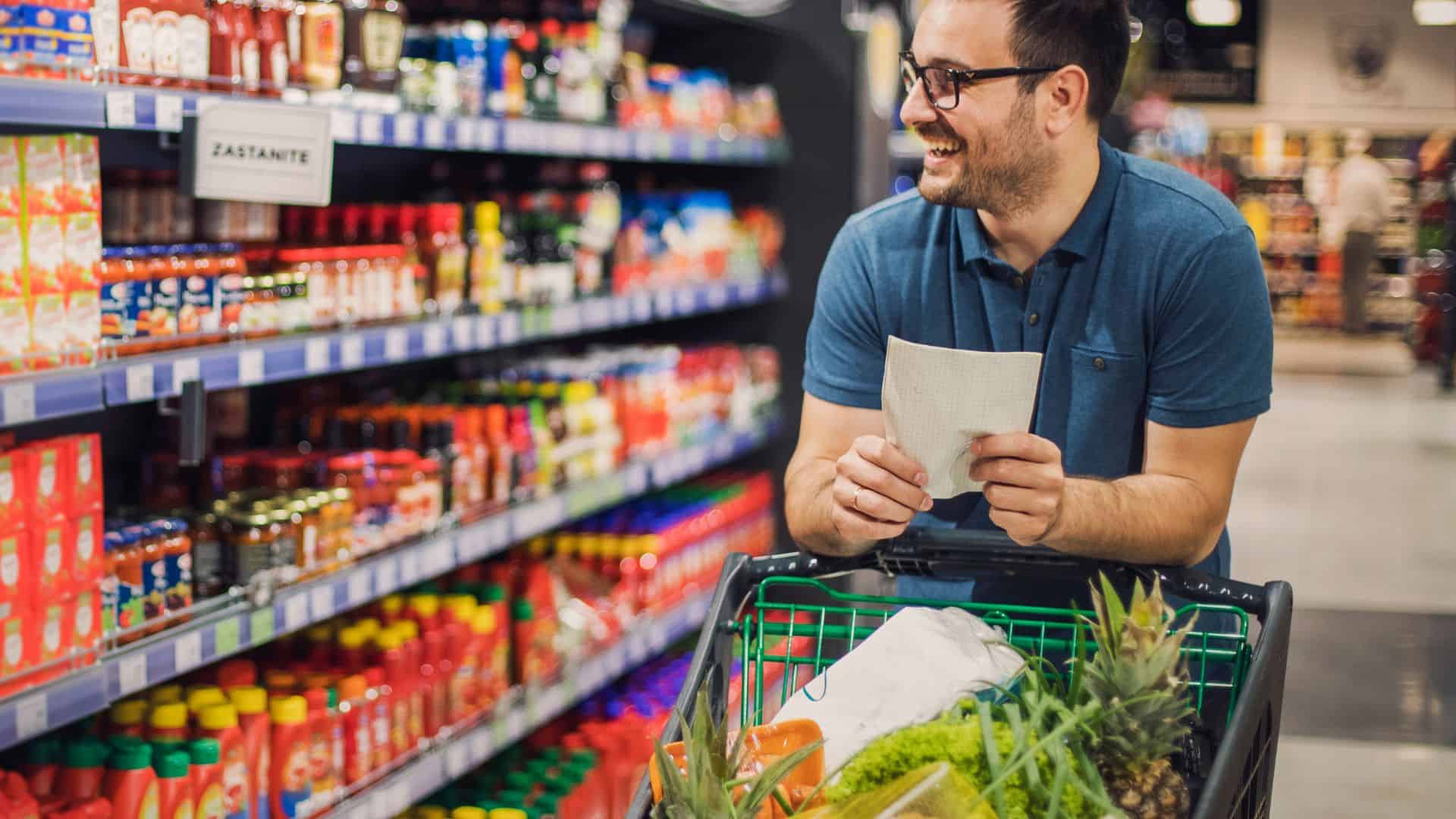
Packaging sizes are often more flexible, with a wider range of smaller portions available for everyday cooking. This reflects a different assumption about how people actually eat at home, where meals are often prepared more frequently in smaller quantities. It also reduces waste from oversized packaging that does not match daily needs.
10. Food culture embedded in everyday shopping
Grocery shopping is more directly connected to cooking habits and meal planning rather than just stocking up on products. People tend to think in terms of what they will cook that day or the next, which makes food feel more active in daily life. Over time, this creates a stronger link between what is bought and what is actually eaten, with fewer forgotten items in the fridge.
Leave a Reply