
There’s a reason so many people fall off track when they try to “eat healthier.” If not prepared correctly, food can start to feel like a downgrade.
However, the right cooking methods can preserve nutrients, reduce unnecessary fat, and still deliver the flavor and texture that make a meal feel complete. Once you understand how to use them properly, they stop feeling like restrictions and start feeling like upgrades.
Roasting: high heat, big flavor
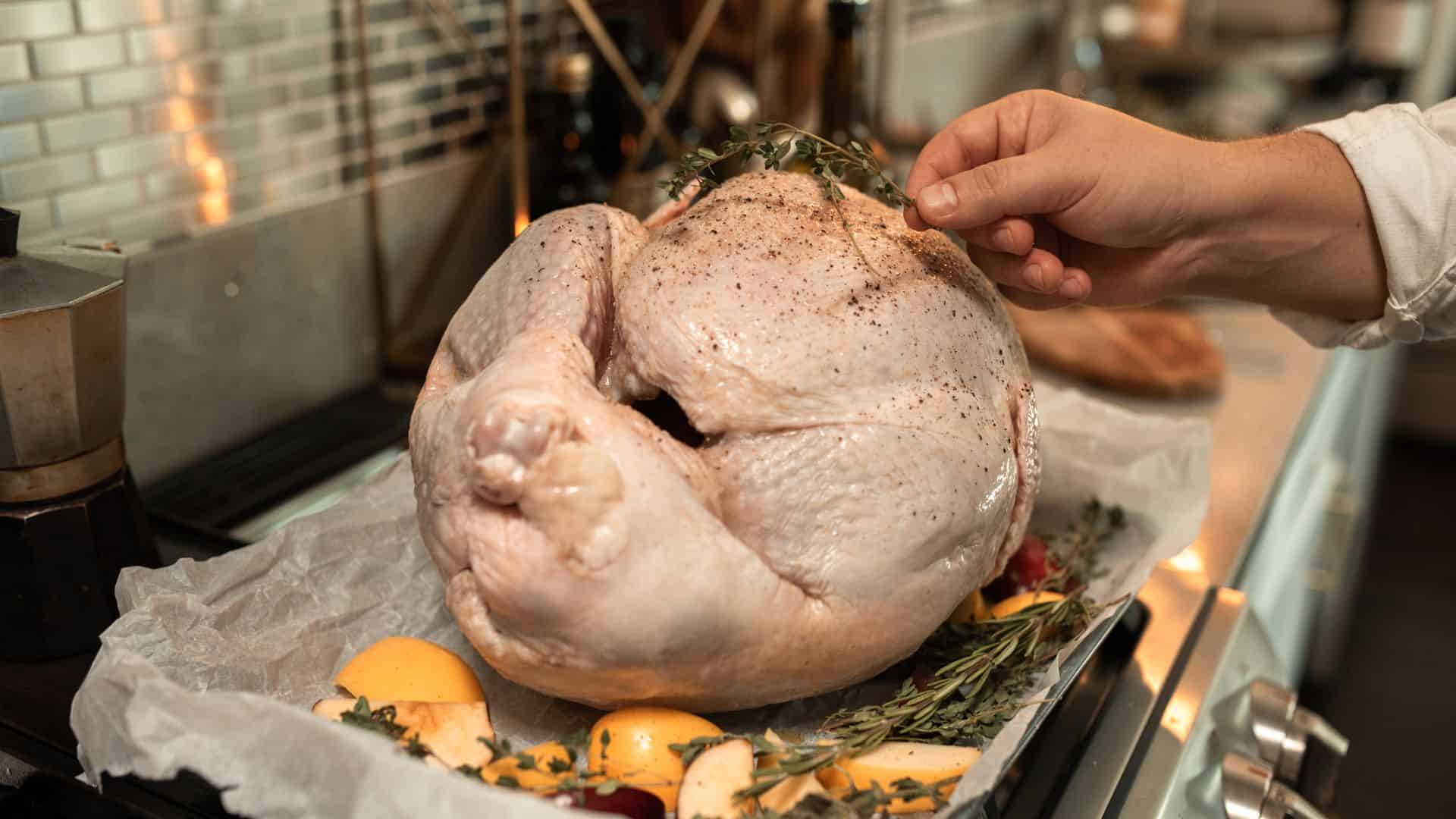
Roasting is one of the easiest ways to make healthy food taste genuinely good. It uses heat to cook food at higher temperatures, which helps develop deep flavor through browning.
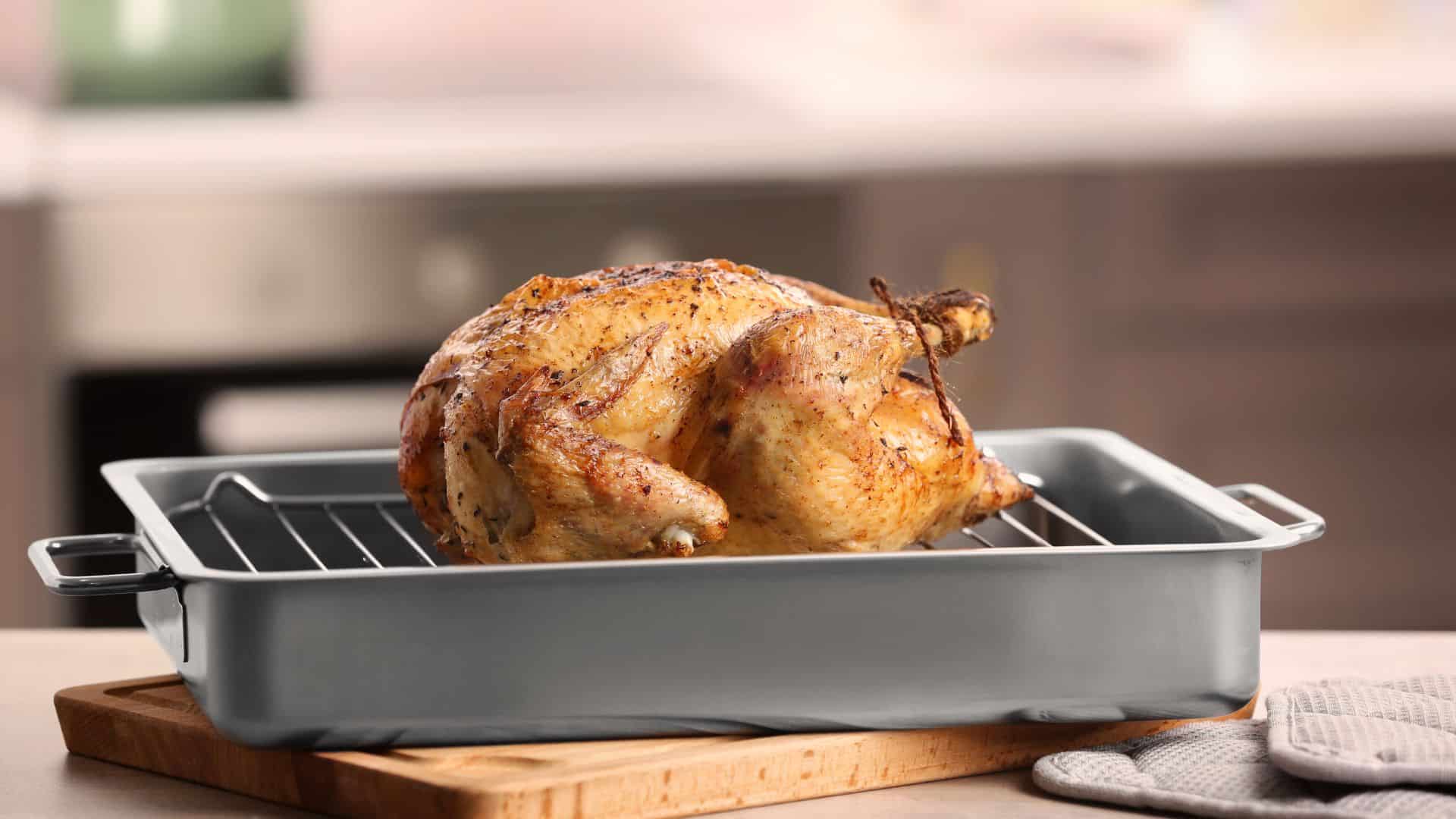
What makes roasting stand out is how it transforms ingredients. Vegetables like broccoli, carrots, and Brussels sprouts go from slightly bitter or bland to caramelized and slightly sweet. Proteins like chicken or turkey develop a crisp exterior while staying tender inside.
From a health perspective, roasting requires far less oil than frying. A light coating is usually enough to promote browning without adding excess fat. It also helps retain nutrients better than boiling, since nothing is leached into the water.
The key is spacing. If everything is crowded on the pan, it steams instead of roasting. Give ingredients room, use high heat, and don’t be afraid of a little color. That’s where the flavor lives.
Steaming: simple, but underrated
Steaming is often dismissed as boring, but that’s usually because it’s done without follow-through. On its own, steamed food can feel plain. But as a base, it’s one of the cleanest cooking methods available.
Because food isn’t submerged in water, vitamins that would normally be lost during boiling stay intact. Vegetables hold their color and structure better, which makes a difference both visually and nutritionally.
The trick to making steaming work is what you do after. A drizzle of olive oil, a squeeze of lemon, a sprinkle of salt, or even a quick toss with garlic or herbs turns it into something you actually want to eat. Think of steaming as the foundation, not the final step.
It’s especially useful for vegetables like green beans and broccoli, where overcooking can quickly ruin both texture and flavor.
Grilling: flavor without extra fat
Grilling brings a lot to the table without adding many calories or fats. The high heat creates a charred exterior that adds depth and complexity, something that’s hard to replicate with lower-temperature methods.
One of the biggest advantages is that excess fat naturally drips away during cooking, especially with meats. Grilling can reduce a dish's overall fat content without altering its ingredients.
Grilling also encourages the use of marinades, which add flavor without relying on heavy sauces. Acidic components like vinegar or citrus can completely change how a dish tastes without adding unnecessary calories.
The one thing to watch is over-charring. That is one of the biggest grilling mistakes. While some char adds flavor, too much can create bitter notes. Aim for controlled browning rather than burning.

Sautéing: quick cooking with control
Sautéing is often misunderstood as unhealthy because it uses oil, but when done properly, it’s actually a very controlled and efficient cooking method.
It uses moderate to high heat with a small amount of fat to cook food quickly. Because cooking time is short, ingredients retain more of their natural texture and nutrients than with longer cooking methods.
The key is to use just enough oil to coat the pan, not pool it. A good pan and proper heat control go a long way. When done right, sautéing enhances flavor without making food greasy.
It’s especially useful for building layers of flavor. Cooking onions, garlic, or spices at the start creates a base that carries through the entire dish. From there, you can add vegetables, protein, or grains to make a complete meal in minutes.
Baking: consistent and reliable
Baking is similar to roasting but usually associated with more structured dishes like casseroles or even healthier versions of comfort foods.
One of the biggest advantages of baking is consistency. The oven's controlled environment allows food to cook evenly without constant attention. That makes it easier to avoid overcooking or undercooking, which can affect both nutrition and taste.
Baking also allows you to recreate traditionally heavier dishes in a lighter way. Think baked chicken instead of fried, or baked fries instead of deep-fried versions. You still get the texture and satisfaction, but with significantly less added fat.
Using parchment paper or nonstick surfaces can reduce the need for additional oil, and incorporating ingredients like yogurt or spices can boost flavor without relying on butter or cream.
Air frying: the shortcut that actually works
Air frying has gained a lot of attention, and for good reason. It mimics the texture of frying by circulating hot air around the food, creating a crisp exterior with little to no oil.
From a health standpoint, it significantly reduces fat intake compared to deep frying while still delivering the crunch people tend to crave. That alone makes it a practical option for foods typically considered indulgent.
It’s not a perfect replacement for every fried dish, but it gets surprisingly close. Foods like potatoes and even some vegetables come out crisp on the outside and tender inside.
The key is not to overcrowd the basket and to use a light coating of oil when needed. That small amount helps with browning and improves texture without turning it into a heavy dish.
Poaching: gentle and effective
Poaching is one of the most overlooked cooking methods, but it’s incredibly effective for delicate foods like eggs and fish.
It involves cooking food gently in liquid at a lower temperature, which helps preserve moisture and prevent toughness. Because it requires no added fat, it keeps dishes light without sacrificing texture.

It’s also a great way to infuse subtle flavor. The cooking liquid can include herbs or aromatics that transfer into the food as it cooks.
Poaching works especially well when you want clean flavors without heavy sauces or added fats. It’s not flashy, but it’s reliable and often produces better texture than more aggressive cooking methods.
None of these methods is complicated, and none of them requires sacrificing the experience of eating. The difference isn’t in expensive ingredients or complicated techniques. It’s in the small choices that you make that change how your food turns out every time.
Leave a Reply