
Eating out should feel like a treat, not a guessing game. But not every dish on a menu delivers on flavor or quality. The gap between what you pay and what you get often comes down to a single factor: whether you ordered the right dish.
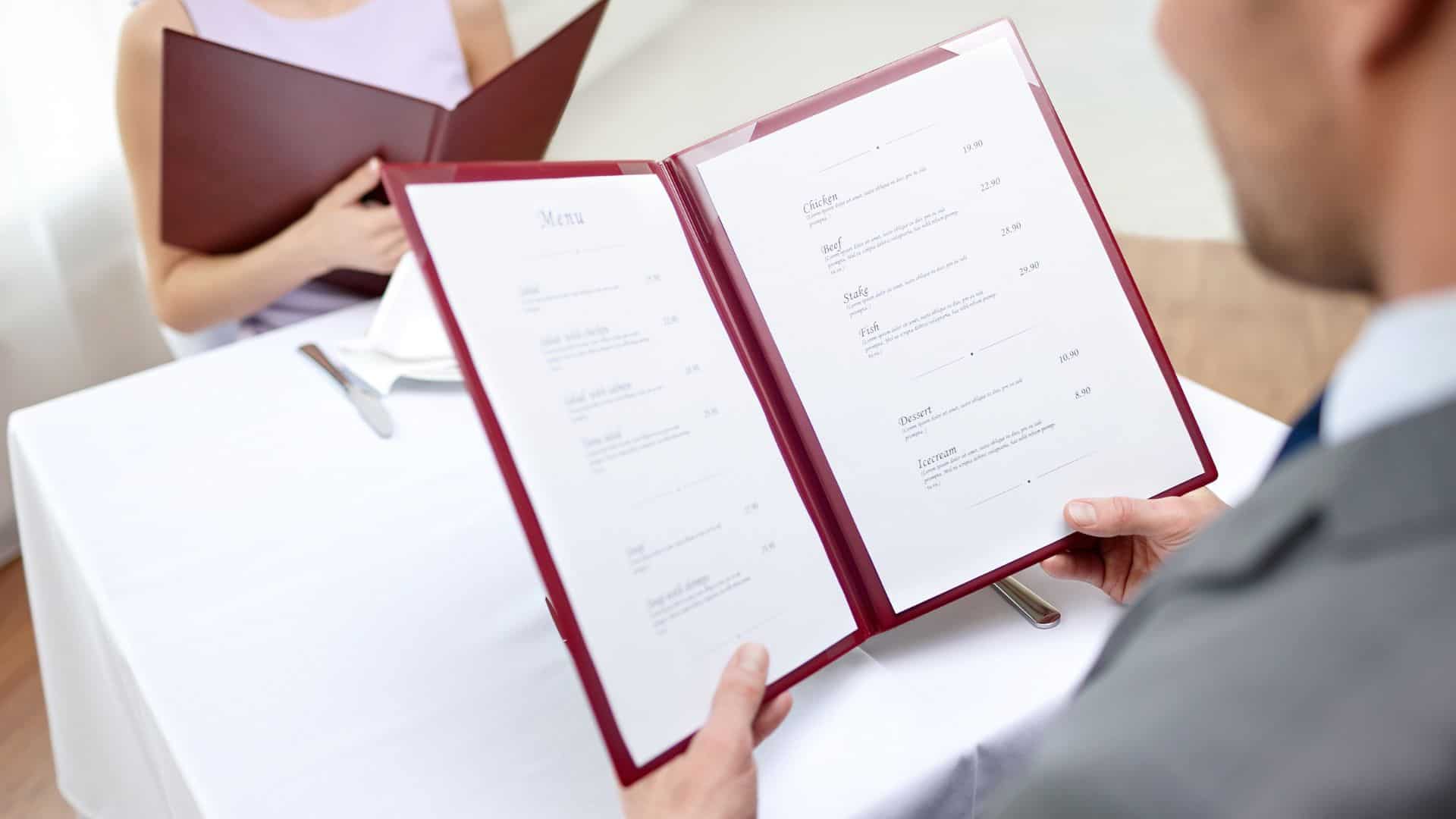
High-risk foods that depend heavily on handling
Some dishes are only as good as the care taken behind the scenes. Raw or lightly cooked seafood is a prime example. Oysters, sushi, ceviche, and rare fish dishes rely on precise storage temperatures and quick turnover.
In coastal areas or in restaurants known for seafood, this is usually well managed. But farther from the source, the margin for error gets tighter. Fish may be previously frozen or handled multiple times before it reaches your plate.
That doesn’t mean you should never order it. It just means you should be selective. I personally only eat seafood in restaurants that specialize in seafood, ideally close to the source.
Undercooked eggs and meats fall into a similar category. Think runny yolks, rare burgers, or dishes that hinge on partial cooking. When done well, they’re great. But consistency depends entirely on kitchen standards, and those vary more than most people realize.
Overpriced dishes with low ingredient cost
Some menu items look appealing but carry one of the biggest markups in the kitchen.
Fried appetizers are a classic example. Calamari and mozzarella sticks are typically made from inexpensive ingredients. Yet they often show up on menus at premium prices.
Let's take a look at fried calamari. Squid itself is usually affordable, especially when bought whole or frozen in larger quantities. But once it’s sliced, battered, and served in a small portion, the price jumps dramatically. You’re paying more for the presentation and convenience than for the ingredient itself. In many cases, the cost of one appetizer could cover enough of the ingredients to feed a family at home.
Pasta dishes can fall into this category, too. A plate of spaghetti with a simple sauce may cost a fraction to make, yet it’s frequently priced as a centerpiece item. Having been to Italy several times, I am very picky with pasta and would only order it from a specialized Italian restaurant where the ingredients and cooking methods are superior to what I make at home.
Even basic breakfast items follow this pattern. Pancakes are inexpensive staples, but once plated in a restaurant, they carry a hefty markup.
None of this means these dishes are “bad” choices. But it’s worth recognizing when you’re paying for convenience versus complexity.

Dishes that are easier to make at home than expected
Some menu items seem restaurant-specific but are surprisingly easy to make at home.
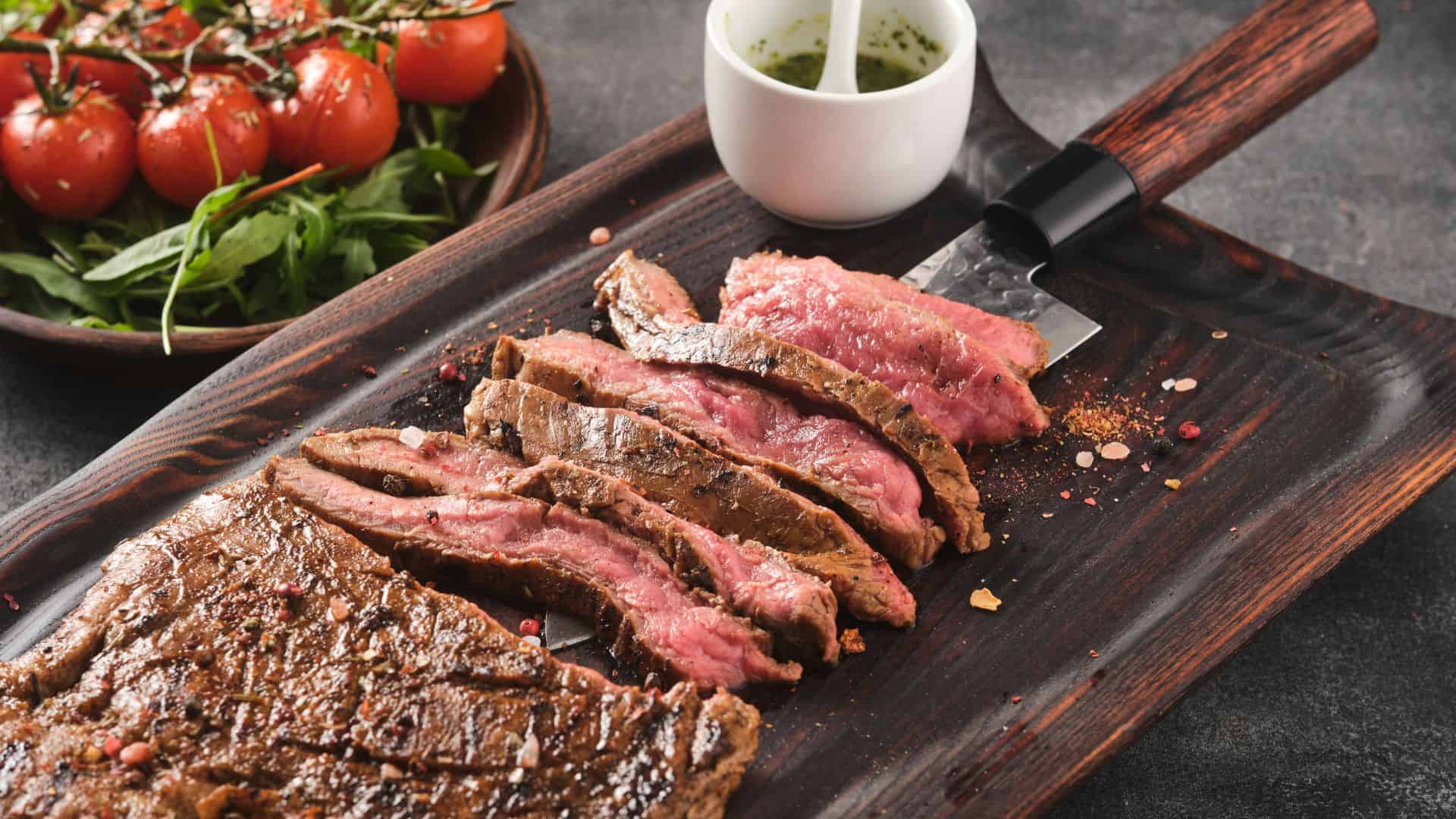
Grilled proteins fall into this category. A well-seasoned steak or chicken breast cooked in a hot pan or on a grill doesn’t require specialized equipment. What matters is controlling the heat and letting the meat rest before serving.
Even dishes like scrambled eggs or omelets are largely about technique. Once you dial in the temperature and timing, the difference becomes noticeable.
The advantage at home is control. You choose the ingredients, adjust the seasoning to taste, and serve the food immediately. That combination leads to better results, even without professional tools.
Where restaurants still shine
Not everything should be second-guessed. Some dishes are worth ordering out because they require time or expertise that’s difficult to replicate at home.
Specialty cuisines that rely on unique ingredients or techniques also fall into this category. Handmade dumplings or dishes that require precise fermentation or preparation are often better left to professionals.
Restaurants also excel at scale and consistency for certain items. A well-run kitchen can execute complex dishes quickly and repeatedly, something that’s harder to do at home without practice.
Ordering smarter doesn’t mean ordering less. It means understanding what you’re paying for.
Some dishes carry a higher risk because of how they’re handled. Others are priced more for convenience than for the value of their ingredients. And many are easier to make at home than they first appear.
The goal isn’t to avoid certain foods but to know when they’re worth it, and when they’re not.
Leave a Reply