
Scrolling through viral recipes can feel like hitting a goldmine of easy, creative ideas, especially when everything looks so effortless and impressive on screen. A perfectly gooey center or a quick “mix and bake” method that promises bakery-level results with almost no effort is the kind of content that makes you want to stop what you’re doing and try it immediately. And sometimes, that instinct pays off. But just as often, what looks simple and foolproof in a short video turns into something underwhelming or flat-out disappointing once you actually make it.
As a professional recipe developer, I see this all the time. Here are the biggest red flags to look out for when making some of the current viral recipes that "promise" delicious results.

The pressure to simplify everything
The challenge with viral recipes is that they’re built to capture attention first. They’re created to be quick to watch, easy to share, and visually appealing in seconds. That means cutting out details that don’t translate well on camera. Measurements get vague. Techniques get simplified. Timelines get compressed. And while that makes for engaging content, it doesn’t always translate into a recipe you can trust in your own kitchen.
One of the most common issues is the push toward extreme simplicity. There’s nothing wrong with a short ingredient list when it’s done well, but when recipes are stripped down too far, they lose the elements that make them work. Texture and structure both rely on specific components doing specific jobs.
Remove too many of those pieces, and you’re left with something that might look fine in a quick clip but doesn’t hold up in real life.
When precision gets lost
Another thing that stands out quickly is the lack of precision. Cooking can be flexible, but baking and recipe development rely heavily on ratios. When instructions rely on phrases like “a splash” or “a handful,” it creates a wide margin for error.
A small difference in quantity can completely change the outcome, especially with moisture, fat content, or binding ingredients. Without clear measurements, a recipe becomes difficult to replicate.

Skipping the techniques that actually matter
Technique is another area where shortcuts tend to show up. Steps that seem minor on the surface play a major role in how a dish turns out. Mixing methods, resting times, oven positioning, and temperature control all affect the final result.
When those details are skipped or overly simplified, it leaves too much up to interpretation. That’s when you start to see results that vary widely from person to person, even when they’re following the same basic instructions.
The reality behind “quick” results
Timing is another frequent red flag. Recipes that promise complex textures or deep flavor in unusually short timeframes should always be approached with a bit of caution. Specific results take time, period.
If a recipe claims to skip those steps entirely, it can result in something that feels underdeveloped or inconsistent. There are no shortcuts in many recipes, and it's a major red flag if anyone says differently.

The problem with unlimited substitutions
Ingredient swaps are an area where viral recipes tend to overpromise. Flexibility in cooking is helpful, but not all ingredients are interchangeable. Eggs, butter, flour, and sugar each serve specific roles beyond flavor. They contribute to structure and stability.
If a viral recipe suggests broad substitutions without explaining how those changes affect the outcome, the results won't hold together or taste as intended.
When looks matter more than results
Then there’s the visual factor. Social media has created a strong focus on how food looks in a single moment. Melts, pulls, layers, and textures get the most attention. But those visuals don’t always reflect how the food performs outside of that moment.
A dish might look impressive right out of the oven or when sliced for the camera, but that doesn’t guarantee it has the right consistency or flavor when actually eaten.
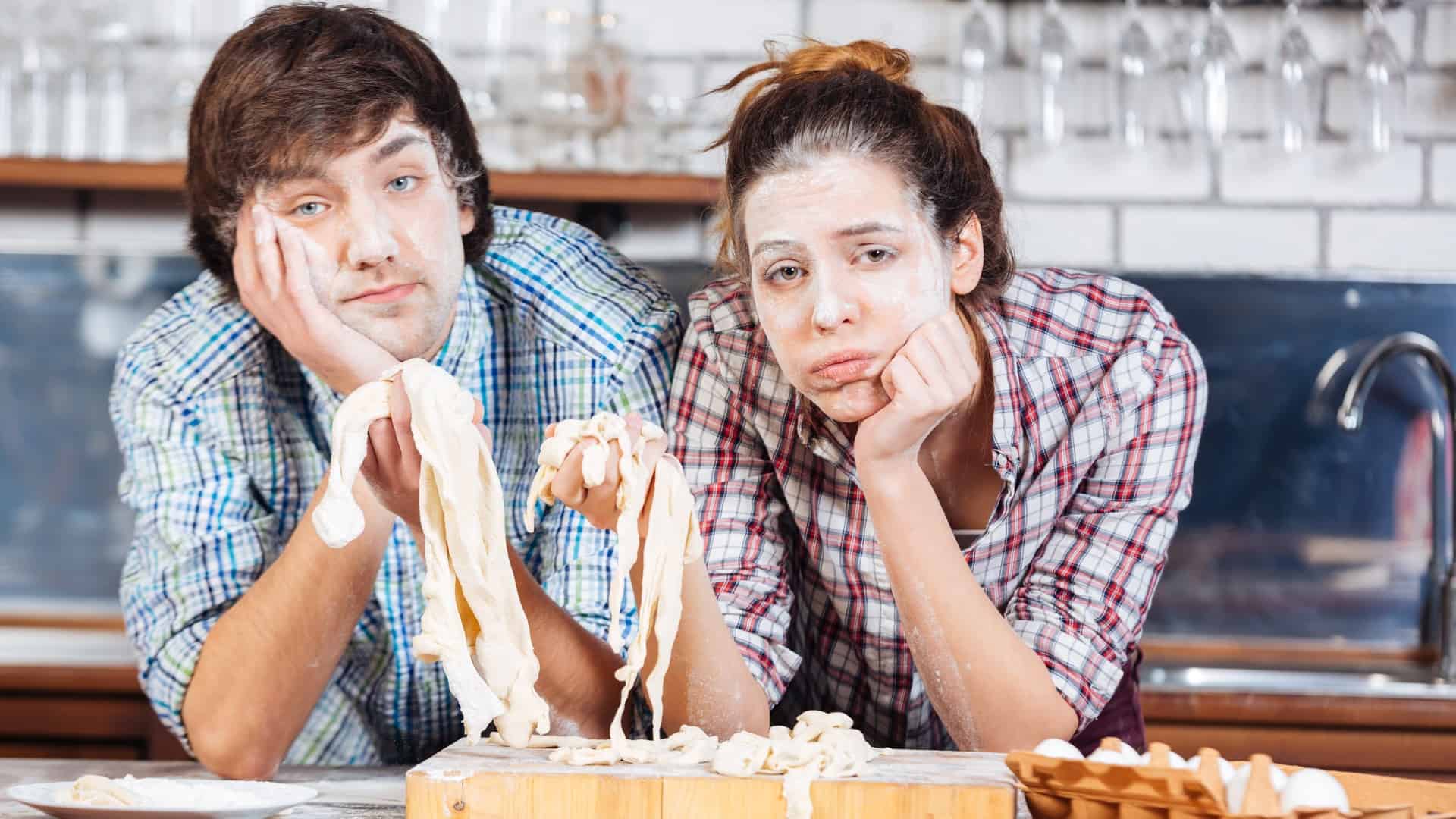
The takeaway
At the end of the day, a good recipe should work beyond the screen. It should hold up when you measure the ingredients and put them through the same process in your own kitchen. Viral recipes can absolutely be a source of inspiration, but they shouldn’t replace the fundamentals that make cooking reliable and enjoyable.
Learning to recognize these red flags doesn’t make cooking more complicated. It actually does the opposite. It helps you filter out what’s unlikely to work and focus on recipes that are built on solid foundations. That means fewer wasted ingredients and more meals that turn out the way you expected.
Leave a Reply