
Smoothies are blended drinks typically made from fruits, vegetables, liquids, and optional add-ins such as protein or fat. They have become popular for their convenience, portability, and the perception that they are an easy way to consume more nutrients. However, whether a smoothie is actually healthy depends largely on its ingredients, proportions, and overall calorie balance.
A smoothie is not automatically healthy just because it includes fruit or is green. Ingredients, portions, and even the way it’s blended all play a role in whether it supports a balanced diet or quietly adds excess sugar and calories.
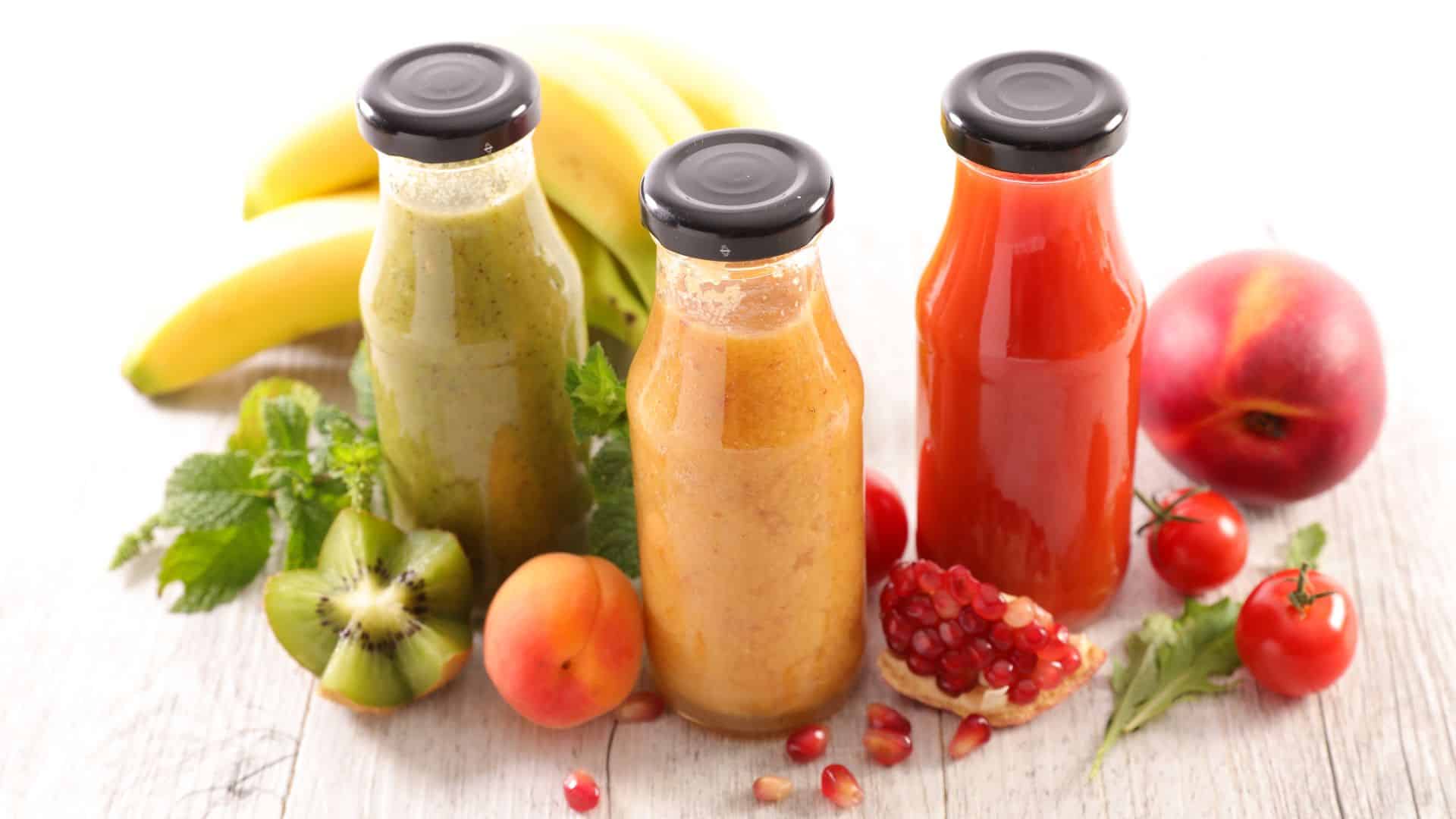
Why smoothies get the health halo
Smoothies are often associated with health because many of their core ingredients are nutritious on their own. Fruits bring vitamins and antioxidants. Vegetables like spinach or kale add fiber and micronutrients. Yogurt or milk can contribute protein and calcium.
Blending these ingredients together also makes them more accessible. For someone who struggles to eat enough fruits and vegetables, a smoothie can be a practical way to fill that gap. It’s quick and easy to customize.
Where things start to shift
The line between a balanced smoothie and a high-sugar drink is thinner than it seems. It often comes down to how many sweet ingredients are included at once.
Fruit is healthy, but it still contains natural sugar. When multiple servings are blended together, that sugar adds up quickly. A smoothie with banana, berries, mango, and fruit juice may taste refreshing, but it can contain as much sugar as a soft drink or dessert.
Liquid choices matter just as much. Using fruit juice instead of water or milk as a base increases the sugar content without adding much fiber. Sweetened plant milks or flavored yogurts can quietly raise both sugar and calorie levels.
Then there are extras that feel healthy but add up fast. Honey, maple syrup, nut butters, chocolate chips, and granola can all make a smoothie much more calorie-dense than expected.
None of these ingredients is inherently bad. The issue is how easily they stack together in one glass.

The fiber factor
One of the biggest differences between a smoothie and other sweet drinks is the fiber content. Whole fruits contain fiber that helps slow digestion and keeps blood sugar from rising too quickly.
Blending does not remove fiber, but it changes how it’s consumed. Because smoothies are easy to drink quickly, it’s possible to take in several servings of fruit in a short amount of time. That can lead to a faster spike in blood sugar compared to eating the same fruit whole.
What makes a smoothie balanced
A balanced smoothie usually includes more than just fruit. It combines a few key elements that help stabilize energy and keep it satisfying.
Protein is one of the most important. Greek yogurt, protein powder, milk, or even cottage cheese can help slow digestion and support fullness. Without protein, a smoothie is likely to leave you hungry soon after drinking it.
Healthy fats also play a role. Ingredients like chia seeds or a small amount of nut butter can make a smoothie more filling without overwhelming it.
Fiber-rich add-ins help round things out. Leafy greens or even frozen cauliflower can increase volume and nutrients without adding much sugar.
The goal is not to remove fruit but to keep it in proportion. A smoothie built around one serving of fruit, paired with protein and fat, tends to be more balanced than one that relies on multiple fruits for flavor.
Portion size is easy to overlook
One of the biggest reasons smoothies become calorie-heavy is portion size. A large smoothie can hold far more than a standard serving, especially when it’s packed into a tall cup or bottle.
It’s easy to lose track of how much is being added. A scoop here, a handful there, and suddenly the smoothie contains several hundred calories. Drinking it quickly can make it feel like less than it is.
This is where smoothies differ from whole meals. When food is eaten with a fork or spoon, it takes time, and that time helps signal fullness. A smoothie can be finished in minutes, making it easy to consume more than intended.
When smoothies work well
Smoothies can be a helpful option in certain situations. They work well as a quick breakfast when there is no time to cook. They can be useful after a workout, especially when they include protein and carbohydrates. They can also help increase fruit and vegetable intake for those who struggle to eat them whole.
For example, a smoothie made with unsweetened milk, frozen berries, spinach, and Greek yogurt offers a mix of protein, fiber, and nutrients without excessive sugar. It’s simple and filling.
When they lean toward dessert
A common example is a smoothie made with orange juice, mango, pineapple, and a flavored yogurt. It sounds refreshing, but it can carry a high sugar load with limited protein or fat to balance it.
Another version might include ice cream, chocolate syrup, and fruit. At that point, it’s closer to a milkshake than a balanced smoothie, even if fruit is part of the mix.
These options are not off-limits. They simply serve a different purpose and should be seen as treats rather than everyday staples.

The takeaway
Smoothies can be a smart, nutrient-packed choice, or they can quietly turn into sugar-heavy drinks that don’t keep you full for long. The difference comes down to what goes into the blender and how much of it is used.
Keeping fruit portions in check and paying attention to liquid choices can make a noticeable difference. A small shift in ingredients can turn a smoothie from something that spikes energy and fades quickly into something that supports steady energy and keeps you satisfied.
Leave a Reply