
One generous holiday dinner can shift group dynamics in ways no one sees coming. A small lie told in the name of self-preservation can feel harmless at first. But when that story starts to get questioned, it shifts from clever to complicated.

The story
A recent Reddit question asked, "Am I in the wrong for creating a fake tradition so I never have to host again?" They went on to say that a few years ago, they hosted a holiday dinner with friends. It was exhausting, and the next year everyone assumed that they'd just host again. They didn't want to, so they made up a lie about a family tradition in which the hosts rotate by birth month.
The lie worked, and everyone changed yearly to host. But now they're asking more about the tradition's history, and the poster is worried he's in the wrong for making up a tradition to avoid having to host every year.
The responses
Over 400 people hopped on the thread to share their thoughts and opinions.
One person said, "Honestly, I can’t even be mad at the creativity, that’s some next-level holiday survival strategy."
It's true. To be able to think of something like that and then pass it off so everyone is on board is pretty good. Another problem that can come from this is trying to remember the details of what was said later on.

Someone else loved it. "You are a godsend to millions of women who hadn’t thought of such a clever ruse. We who host endless holiday dinners salute you!"
What this person has done is a game-changer for hosts everywhere. They have an excuse and a plan to push off the hosting on other people for once.
Another person pointed out, "This is hilarious, but I do think eventually it might be easier to just say hosting isn’t your thing. Still, 10/10 creative problem solving."
Creativity is a plus when it comes to making excuses and ideas. But yes, the easier thing would be to just tell the truth from the start.
This person wrote, "Nobody should be obligated to host every time."
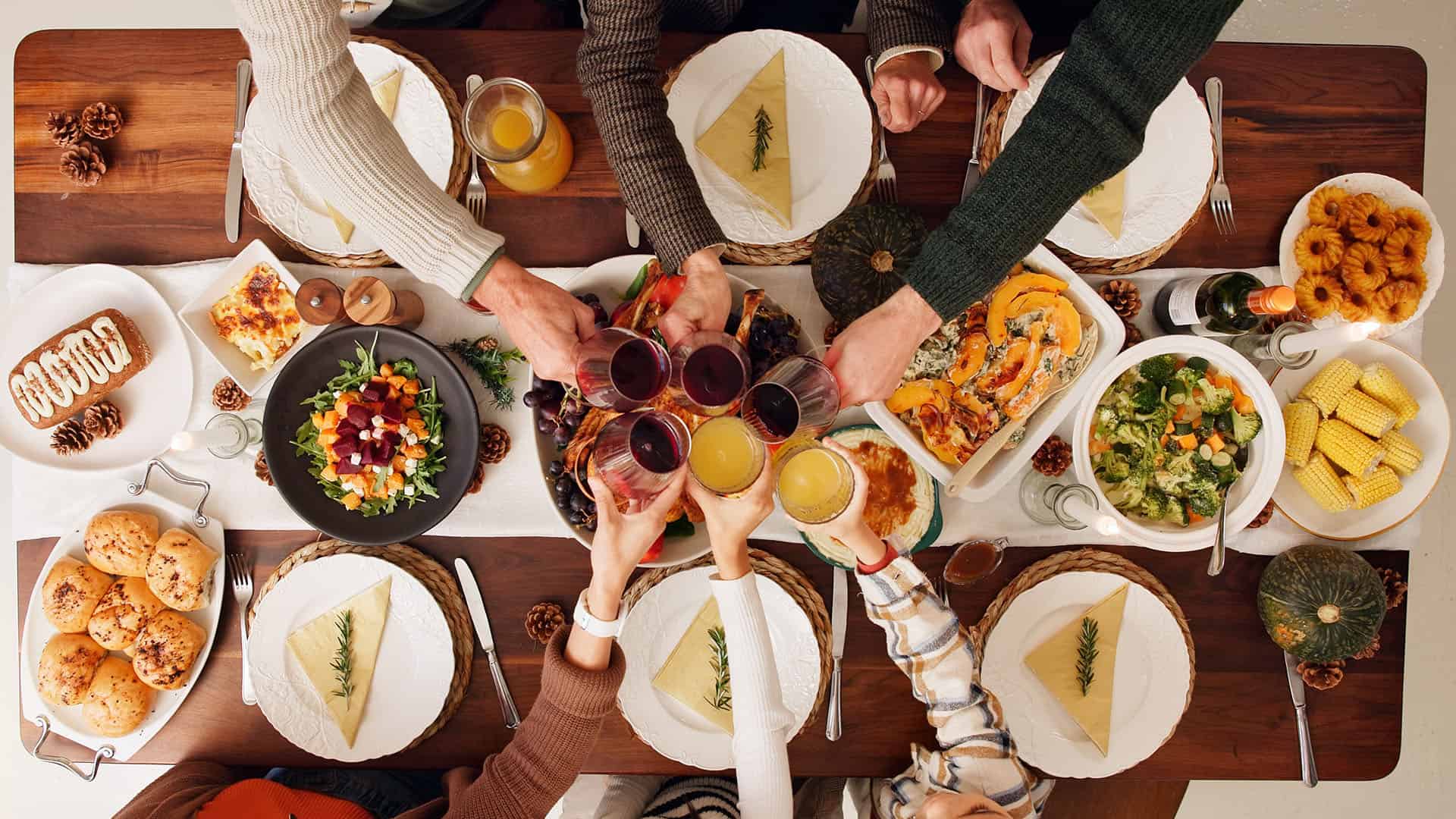
When a group of friends is celebrating, it's absolutely not fair for one person to be the host all the time. This really does happen more often than people realize. Someone offers to host, and then everyone else thinks that they have the night off. It's not true, but it does seem to be the trend.
One person had this idea. "This is when you make it entirely potluck except for the meat. And the younger generation does the dishes. Be honest, tell them you are burnt out."
Yes, this is a great idea. A potluck takes away the stress and pressure of hosting, and then having everyone clean up after keeps it simple. It makes the holiday fun a group effort, and not just relying on one person's shoulders.

Why this hit a nerve
Holiday hosting carries more weight than people admit. It is not just about setting out plates and turning on music. It is deep cleaning before guests arrive, smoothing over awkward seating dynamics, and staying “on” for hours. When one person does it well, the group can quietly fall into the habit of expecting it again.
That is why this story resonated. It taps into something familiar: the unspoken pressure to keep volunteering once you have proven you are good at it. Many commenters were not reacting to the fake tradition itself. They were reacting to burnout. They saw someone who felt stuck and found a creative, if questionable, way out.
At the same time, the thread also reflects a broader truth. Most friend groups do not formally assign roles. Traditions often form by default. If no one speaks up, the same person can end up hosting year after year simply because it is easier than reorganizing the plan.
The lesson
The bigger takeaway is not about inventing heritage. It is about boundaries.
If hosting leaves you drained, it is reasonable to say so. Rotating responsibilities or alternating venues are fair solutions. Most people are more open to change than we assume, especially if the alternative is losing the gathering altogether.
The fake tradition worked because it introduced structure. That suggests the group may have accepted a simple rotation just as easily.
Avoiding conflict can feel easier in the moment. But in the long term, clear communication tends to create stronger friendships than clever cover stories. If you are tired of being the default host, you are not wrong for wanting balance.
Leave a Reply