Your groceries can either stay fresh all week or spoil faster than expected, and where you store them in your fridge often determines which one happens.
You open your refrigerator dozens of times a week without thinking twice about it, but one small habit inside that door could be shortening the life of your groceries and quietly increasing your food safety risks.
Why the fridge door is the warmest spot
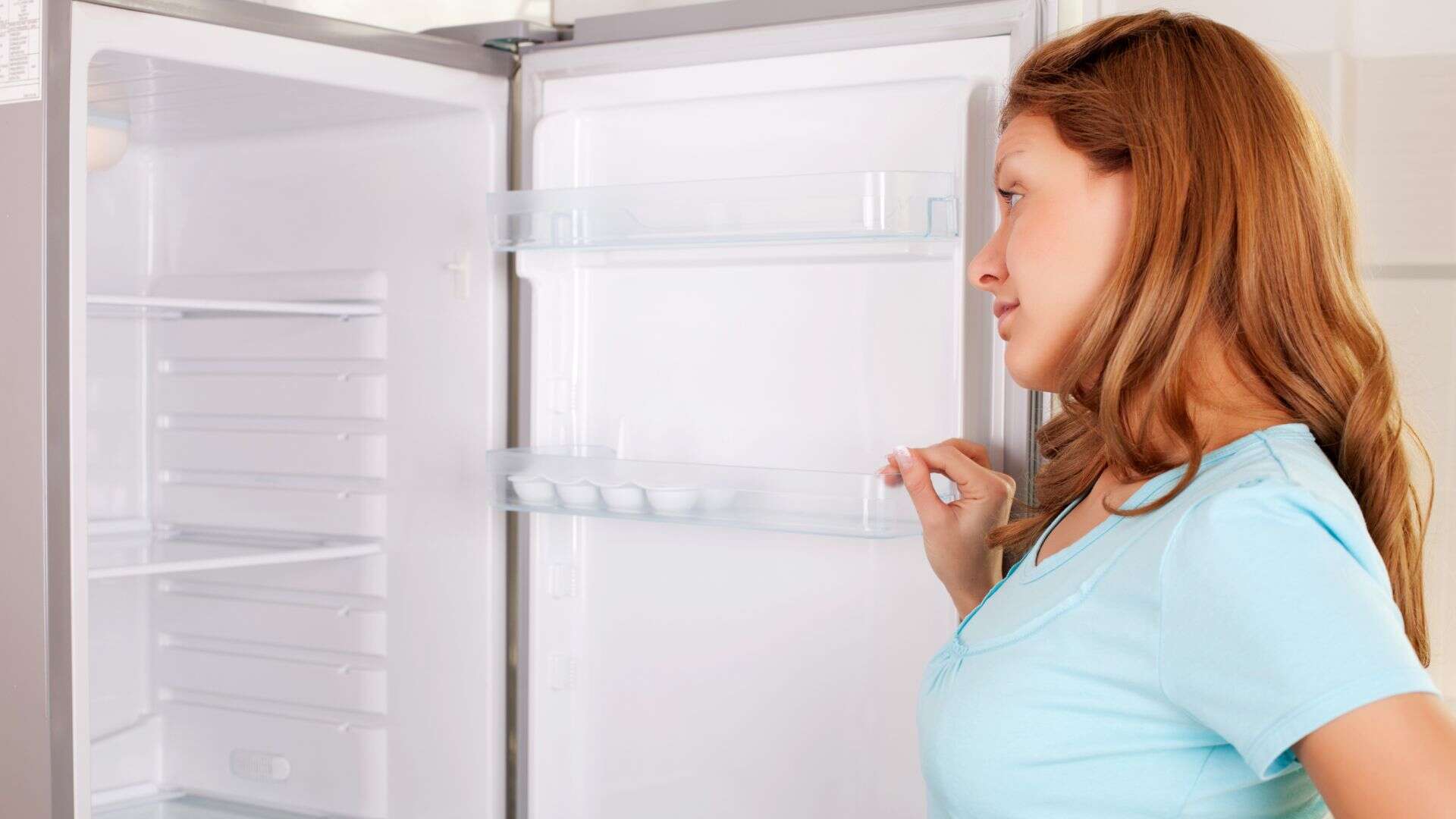
The refrigerator door is the most temperature-unstable part of the appliance. Every time it swings open, cold air escapes and warmer kitchen air rushes in. The door shelves take the brunt of that exchange.
Inside the main body of the fridge, cold air circulates and stays relatively steady, especially toward the back. The door, by contrast, is constantly exposed to room temperature. Even in a well-functioning refrigerator set to 37 to 40 degrees Fahrenheit, the door shelves can run several degrees warmer.
That difference may not seem dramatic, but food safety depends on consistency. According to the USDA, bacteria multiply quickly as temperatures rise above 40 degrees, earning the name the "danger zone". Even short spikes can reduce shelf life over time, especially for perishable items.
How fluctuations affect food safety
Temperature swings do not automatically spoil food overnight. The concern is a gradual decline.
Milk, raw eggs, soft cheeses, and certain condiments are sensitive to warmth. When stored in the door, they experience repeated warming and cooling cycles. Over days and weeks, that stress can change texture and safety.
The U.S. Department of Agriculture advises keeping refrigerators at or below 40 degrees Fahrenheit. Above that threshold, harmful bacteria such as Salmonella and Listeria can multiply more quickly. When food sits in the door, it is more likely to cross into that higher range, even briefly.
Repeated fluctuations also shorten freshness. Cream-based dressings can separate. Fresh salsa can sour faster, and deli meat may develop off flavors before its printed date. This means you will have to throw food away sooner than expected and waste more food in the process.
For families trying to stretch grocery budgets, that slow loss adds up.

What to store on the door
The door is not a useless space. It just needs the right content. Items that are shelf-stable before opening and have natural preservatives tend to handle warmer spots better. These include ketchup, mustard, soy sauce, hot sauce, and many commercial salad dressings. Their salt, sugar, or vinegar content helps limit bacterial growth.
Beverages are also fine for the door. Bottled water, soda, juice, and sparkling drinks tolerate minor temperature changes without issue. If they warm slightly, the impact is on taste, not safety.
Nut butters and jams can also stay on the door if labels indicate refrigeration after opening. Their high sugar or fat content gives them more stability than fresh dairy.
Butter is more flexible. Some people prefer to keep a small portion in a covered dish on the door for easy spreading, while storing the rest deeper inside. If your kitchen runs warm, keeping butter inside the main compartment will slow spoilage.
If a product could sit on a pantry shelf before opening, it is usually a good candidate for the fridge door afterward.

What should never go there
Certain foods do not belong in the door under any circumstances. Milk should always sit toward the back of the main compartment, where temperatures are coldest and most stable.
Raw eggs should also stay inside the main body of the fridge. In the United States, eggs are washed before sale, which removes a natural protective coating. That makes steady refrigeration especially important.
Soft cheeses, heavy cream, and yogurt are better stored on interior shelves. Deli meat and leftovers should also be kept in sealed containers, away from the door.
Meat that is raw should always be placed on the lowest interior shelf to prevent drips and to maintain consistent cold. The door’s warmth and movement make it one of the least safe locations for these items.
How to organize for longevity
Reorganizing a refrigerator starts with understanding zones.
The backs of the top and middle shelves are usually the coldest areas. That is where dairy, eggs, and other highly perishable foods should go. The bottom shelf works well for raw meat, especially when placed in a tray to catch leaks.
Crisper drawers are designed to control humidity. Use the high-humidity drawer for leafy greens and herbs, and the low-humidity setting for fruits.
Keep leftovers in clear containers and place them at eye level. When food is visible, it is more likely to be eaten before it spoils.
Be sure to avoid overcrowding. Cold air needs space to circulate so it keeps the fridge cooled. When shelves are packed tightly, airflow slows, and temperatures rise in certain pockets.
It can also help to check your refrigerator’s internal temperature with a small appliance thermometer. Built-in dials are not always accurate. A quick check can confirm whether your fridge stays within the safe range.

The takeaway
The refrigerator door feels convenient, but convenience does not always align with food safety. It is the warmest and most unstable spot in the appliance, and that matters more than most people realize.
By moving dairy and sensitive foods into the main body of the fridge and reserving the door for condiments and drinks, you create a more consistent cold environment. That small adjustment can extend shelf life and lower the risk of foodborne illness.
Most kitchen habits form without much thought. Taking a closer look at where you store your groceries can be one of the simplest ways to protect both your health and your budget.
Leave a Reply