
Some of the richest flavors in home cooking once came from simple ingredients now rarely used.
Grandmothers rarely followed trends. They cooked with what they had and leaned on ingredients that stretched a dollar while building deep flavor. Some of those staples have faded from modern kitchens, replaced by convenience or low-fat labels. Others are still around but overlooked, tucked behind flashier options.
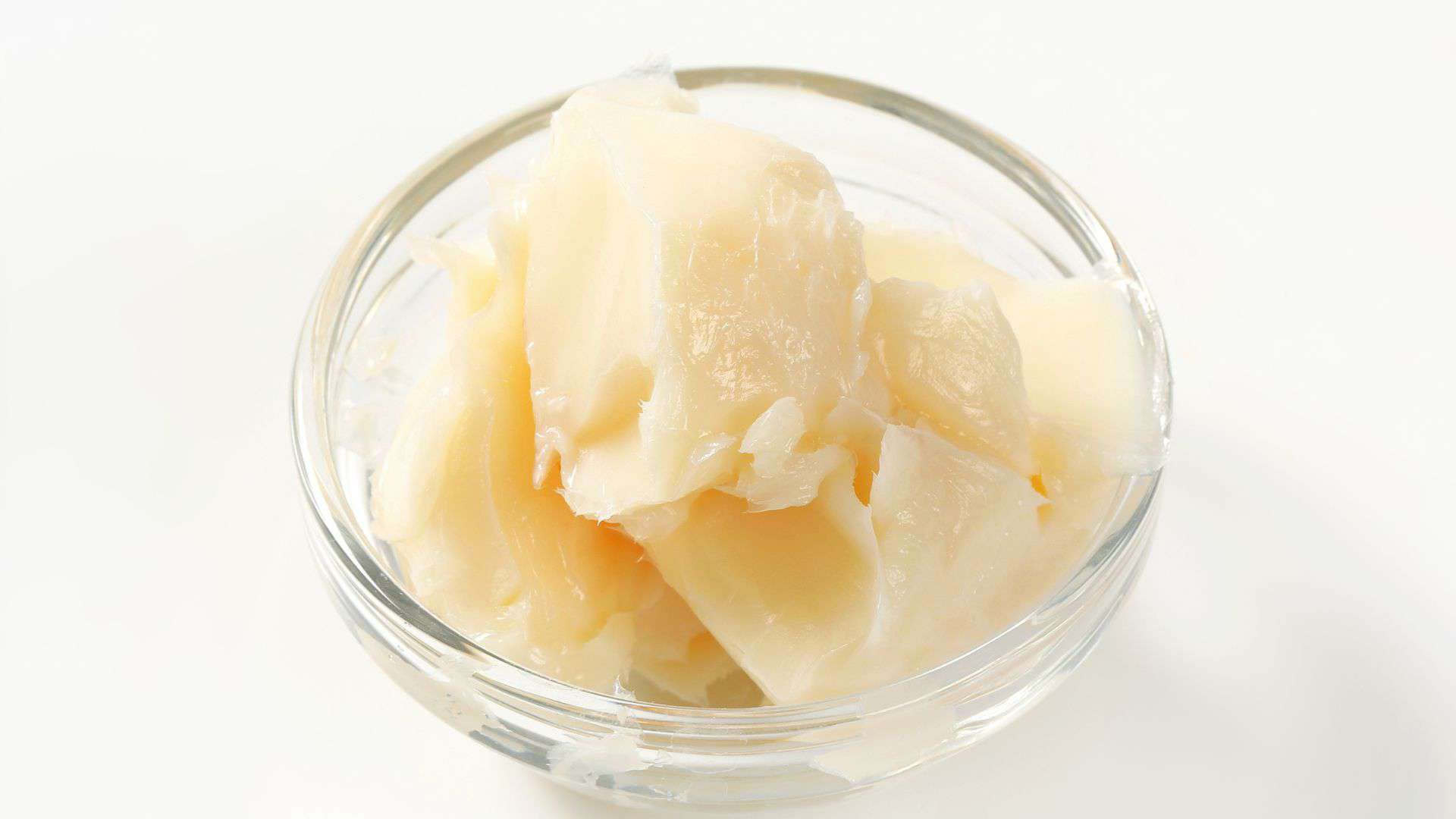
Lard
Lard was used to make pie crusts and fried chicken long before vegetable shortening dominated grocery shelves. It gave pastry a tender flakiness that butter alone sometimes struggles to match. In savory dishes, it added richness without overpowering other flavors.
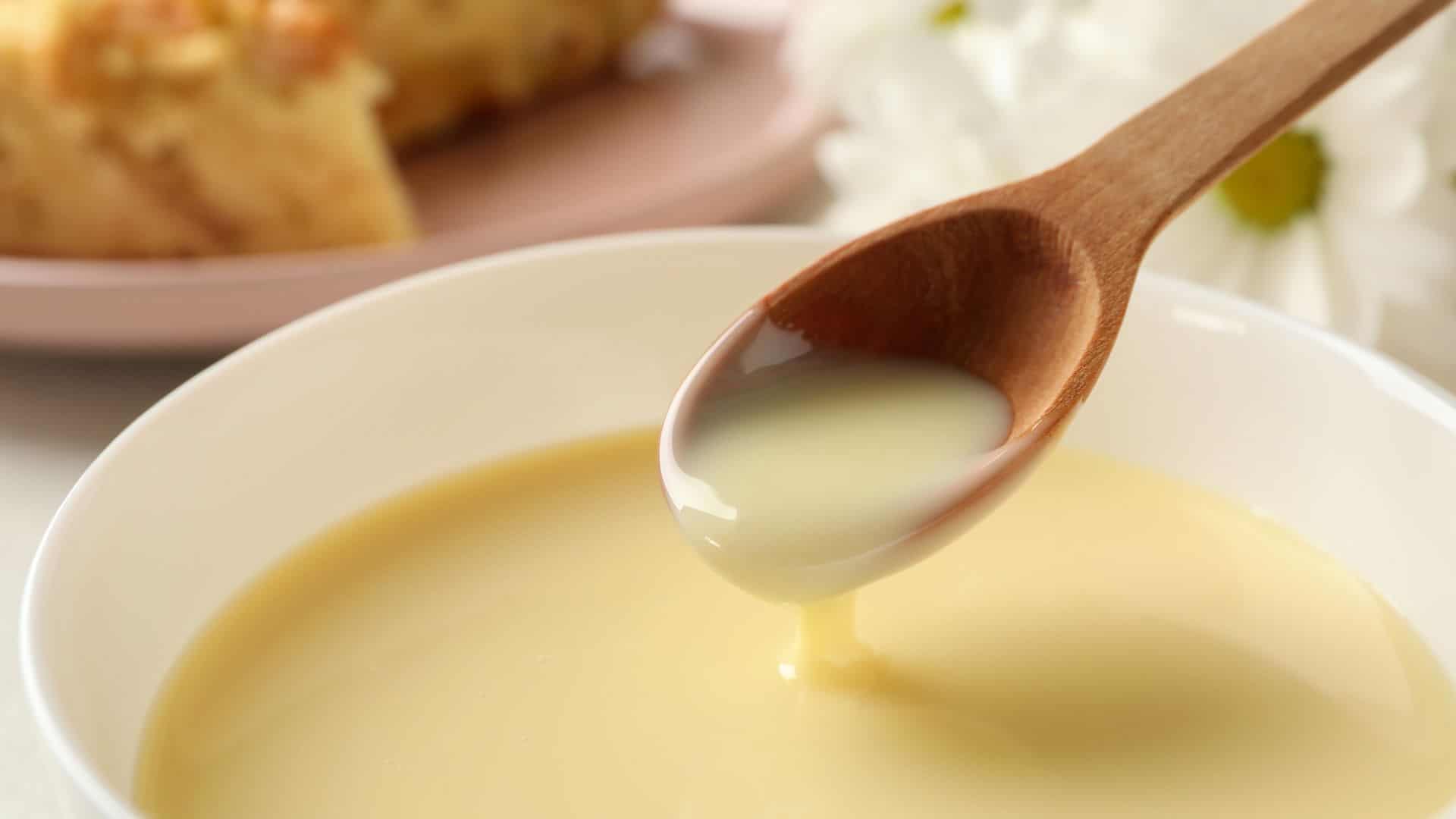
Evaporated milk
Before heavy cream became common in every refrigerator, evaporated milk filled the gap. It thickened casseroles and made pumpkin pie silky without feeling heavy.
Because it was shelf-stable, it offered security. A can in the cupboard meant you could still bake a cake or make fudge even if fresh milk ran out. That reliability supported countless homemade desserts and Sunday suppers.
Bacon grease
Grandma did not throw away bacon grease. She strained it and saved it for later. A spoonful transformed skillet cornbread into something crisp and golden. Fried eggs gained edges that snapped slightly when cut. It also seasoned vegetables in a way salt alone could not.
And if you've never popped bacon grease popcorn, you're truly missing out!
Buttermilk
Real buttermilk comes from the process of making butter. If you're curious to try, you can learn how to make butter at home here.
Biscuits made with buttermilk rose higher and baked more softly. Pancakes gained flavor beyond sweetness. That slight acidity also tenderized meat, giving fried chicken its familiar bite.

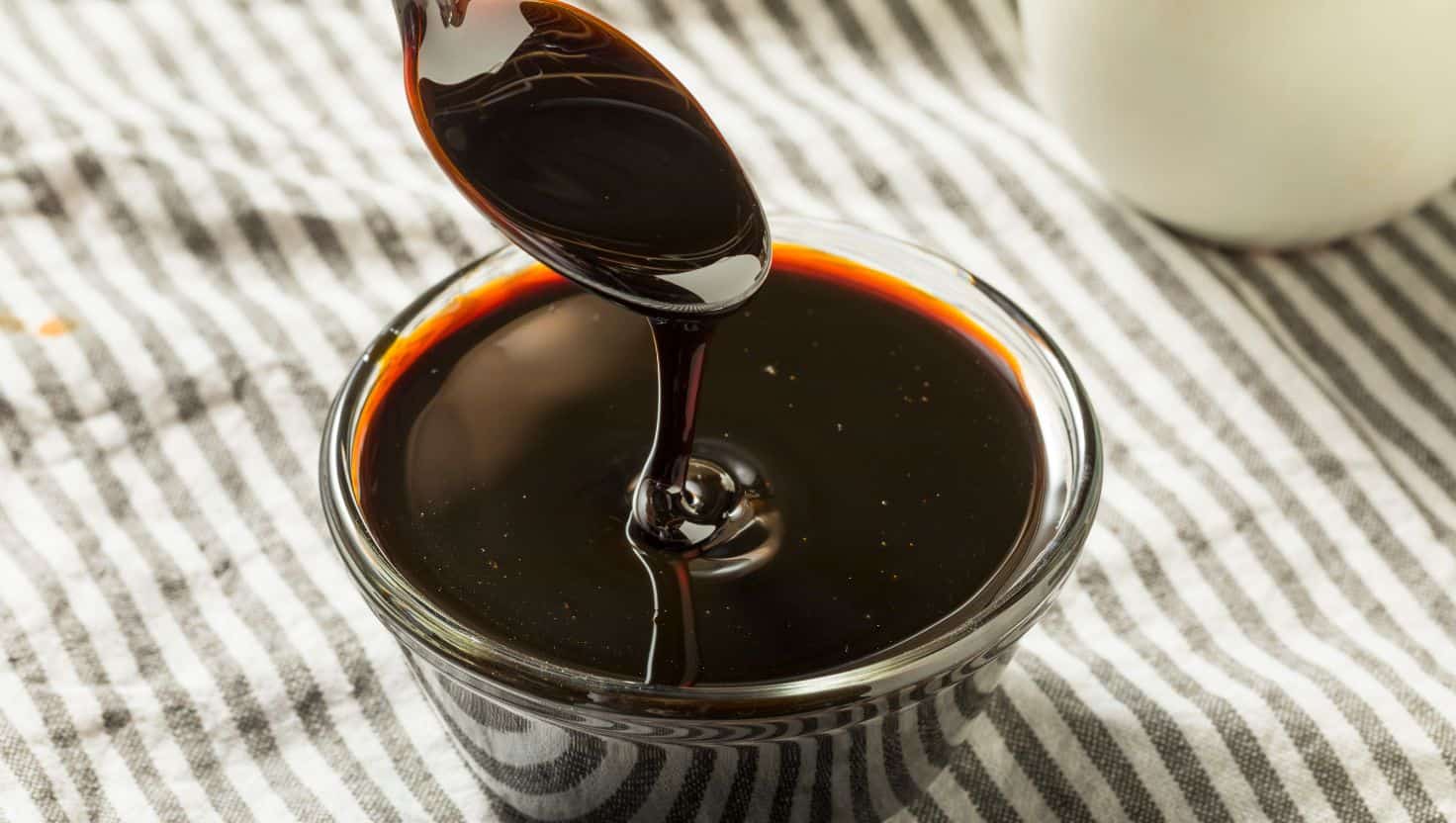
Sorghum molasses
In parts of the South and Midwest, sorghum molasses was more common than refined sugar. Its flavor is deeper and less sharp than blackstrap molasses, with a warm finish.
Drizzled over hot biscuits or stirred into baked beans, it added sweetness that felt rounded and full. Many families kept a jar on the table, the way others kept honey. There are many ways to substitute molasses, but each has a slightly different taste than the original.
Canned peaches in syrup
Fresh fruit is seasonal, but canned peaches in syrup brought summer into colder months. The syrup itself sweetened cakes and cobblers, adding moisture and a hint of fruit flavor.
Grandmothers folded those peaches into quick bakes or served them with a splash of cream for dessert. It felt simple and complete, even on an ordinary weeknight.

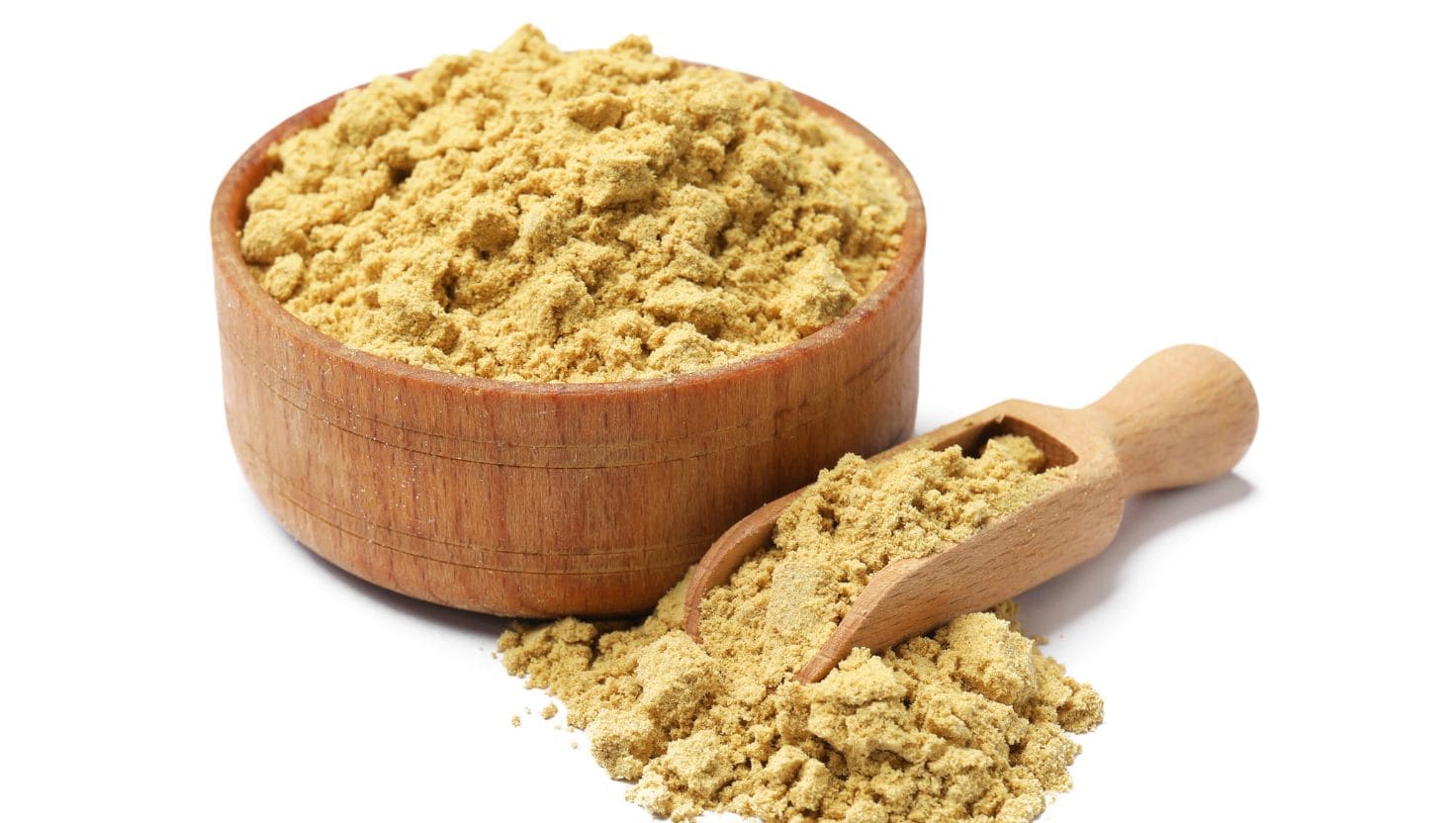
Powdered mustard
Dry mustard often sat in a small tin near the flour and sugar. It sharpened deviled eggs and balanced cheese sauces without making them taste like mustard.
In macaroni and cheese, just a pinch deepened the flavor. Everyone noticed something tasted better, but could not quite name it.
Vinegar
A splash of vinegar brightened more than salads. It sharpened braised greens and added lift to red velvet cake. In pie dough, a small amount helped keep the crust tender.
Grandmothers reached for vinegar when food tasted dull. It brought balance without announcing itself.

Chicken fat
Rendered chicken fat carried flavor into soups and potatoes. It tasted familiar and savory, with a richness that butter could not replace.
You can also render it and store it in the freezer for later, and it is perfect for reducing waste. Grandmas are known for using up ingredients as much as possible without waste, making this perfect.
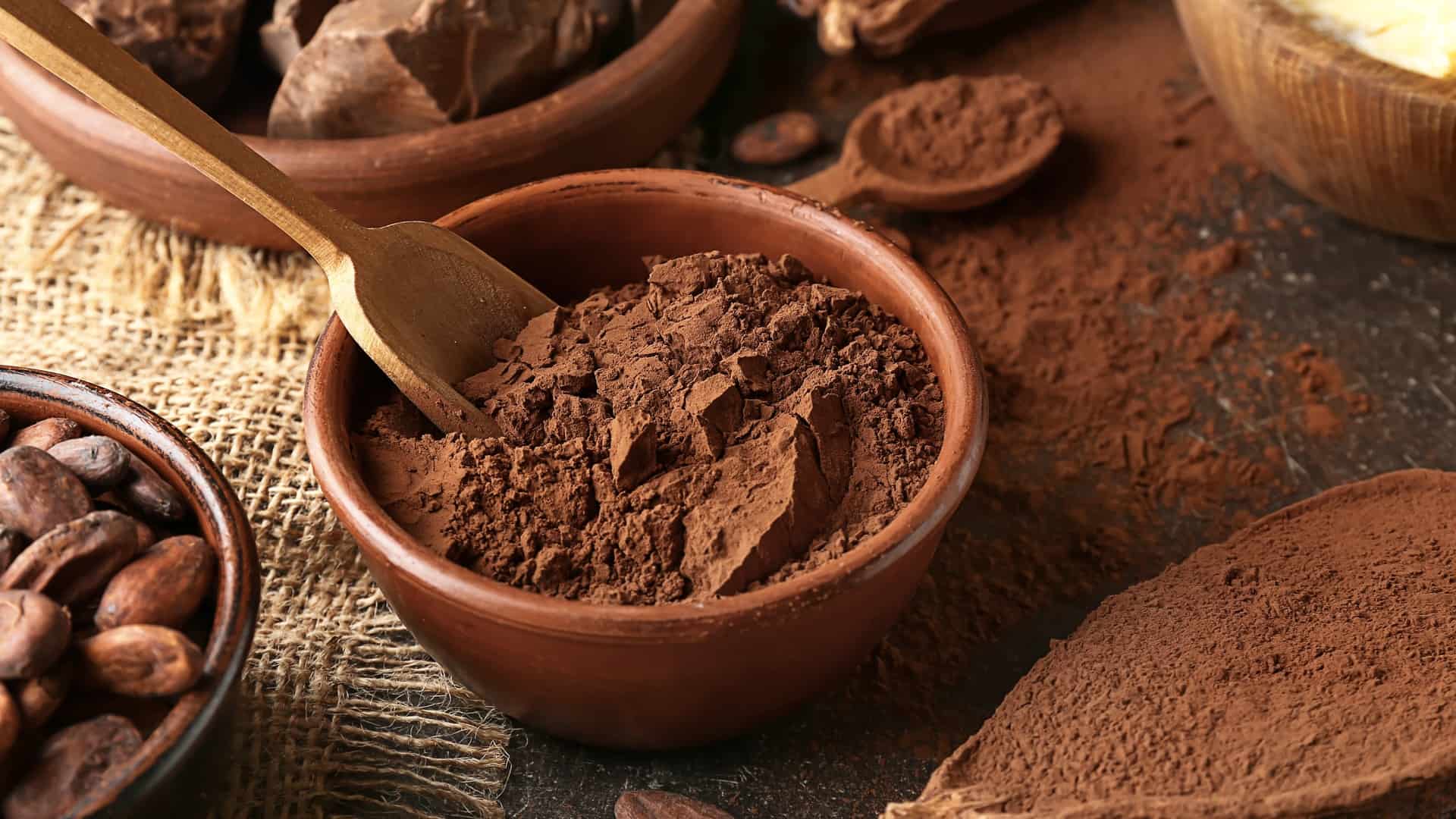
Cocoa powder
Cocoa powder was not reserved only for cake. A spoonful of it in chili or gravy added depth that felt smoky. It did not make the dish sweet. It simply rounded out sharper notes.
Grandmothers who cooked by instinct understood that cocoa, used carefully, could deepen savory flavor the same way it enriched dessert.
The takeaway
Grandma’s pantry leaned on practicality and instinct. Many of these ingredients were affordable or born from a refusal to waste anything. They added texture and richness, and were readily available when the timing was right.
Modern kitchens offer endless options, yet flavor often returns to a few simple choices. A spoonful of bacon grease adds an unexpected flavor, and a splash of vinegar takes a dish from good to great. These are additions that reward attention and patience, and were used quite frequently back in the "good old days."
Bringing them back does not mean copying every old recipe. It means remembering that great taste often rests in thoughtful touches that have stood the test of time.
Leave a Reply