
Walk down the baking aisle, and a can of shortening is still advertised like a pantry staple. It sits in a white tub, promising flakiness and reliability. Many people recognize the name, but few can explain what it is or why it became so common in American baking.
Shortening is not a mystery ingredient, but it has benefited from decades of marketing. The idea that it makes baked goods better has been repeated so often that it feels practiced rather than true. In reality, it solves a narrow set of problems and is rarely the best choice for flavor-driven baking.
What shortening actually is
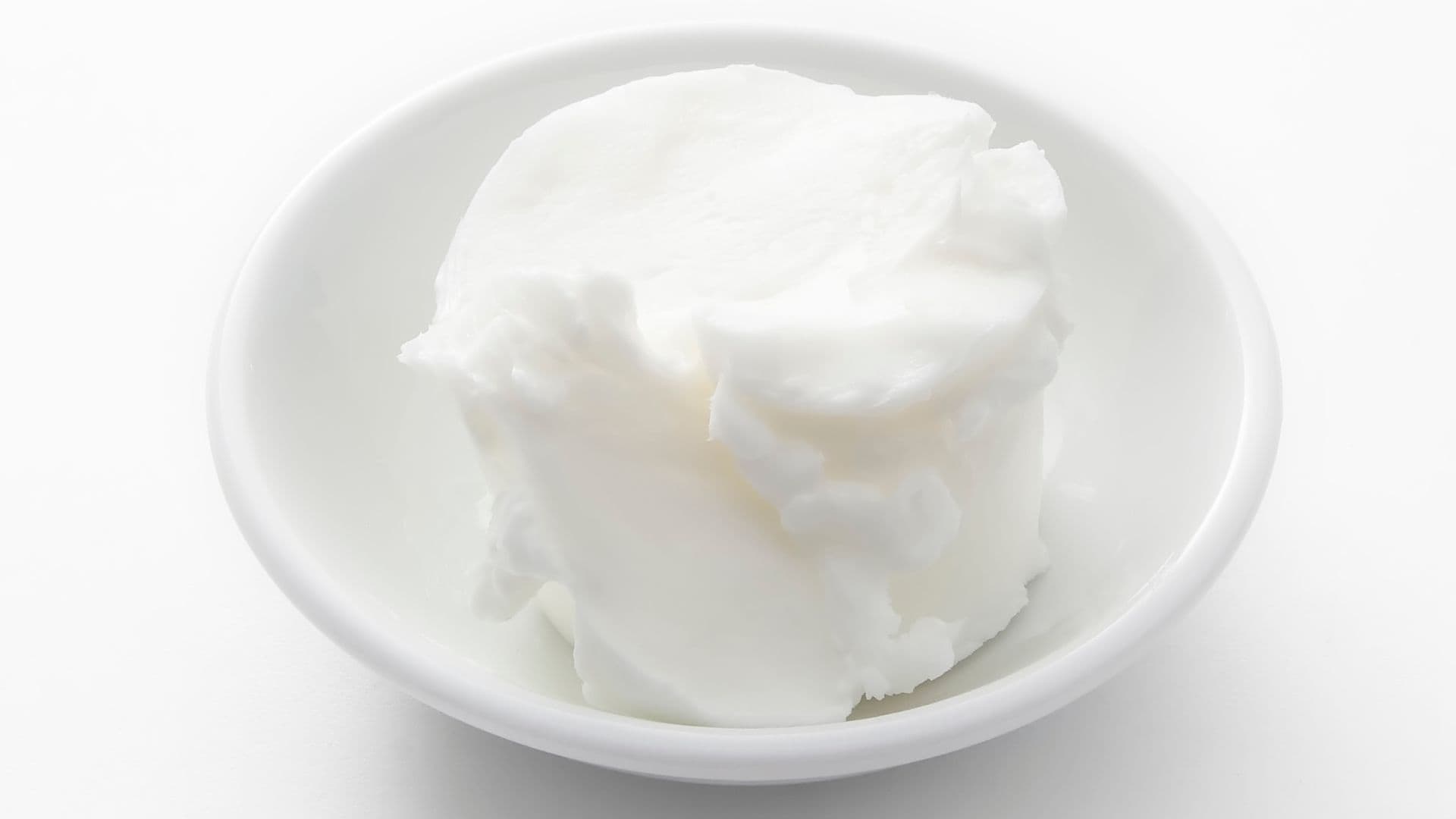
If you're wondering what is shortening in baking, you're about to learn all the important details. Shortening is a solid fat made almost entirely from vegetable oil. Historically, it was produced by partial hydrogenation, a process that turned liquid oil into a solid that remained shelf-stable for months. That process also created trans fats, which later became a public health concern.
Modern versions are usually reformulated to avoid trans fats, but the base idea remains the same. Fully hydrogenated vegetable fats must be mixed with liquid fat to be spreadable. These interesterified fats may cause health problems.
The ingredient list on a shortening tub is short and revealing. Refined vegetable oils, often soybean or palm, emulsifiers to improve texture, and preservatives to extend shelf life. There is no water, no dairy, and no natural flavors. It is engineered to be neutral and resistant to melting.
That neutrality is the point. Shortening does not brown and does not contribute flavor. It exists to coat flour and limit gluten formation, which can make doughs softer and easier to handle. That function is real, but it is also limited.
Why shortening became popular
Shortening rose in popularity for practical rather than culinary reasons. It was cheap and shelf-stable at a time when refrigeration was less reliable. It behaved the same in every kitchen, regardless of temperature. For large-scale production and standardized recipes, that mattered.
It also made doughs forgiving. Pie crusts made with shortening were less likely to shrink or toughen when handled roughly. Cookies spread less, and frostings held their shape longer. For bakeries producing volume rather than nuance, those traits were useful.
Over time, those advantages turned into assumptions. Shortening was framed as the secret to flakiness and tenderness, especially in pie dough. That claim stuck, even as home kitchens changed and better techniques became more accessible.
The pie crust myth
One of the most persistent baking myths is that shortening is necessary for a flaky pie crust. It is not. Flakiness comes from layers of fat separated by flour and activated by steam.
A flaky pie crust relies on temperature control and technique. Cold butter, cut into the dough in pieces, creates pockets. When the crust hits the oven, the water in the butter turns to steam, lifting those layers apart. Rolling and folding the dough, a process often called lamination, multiplies those layers and improves structure.
Shortening skips the steam step entirely. It can create tenderness, but it cannot create the same kind of lift. A crust made with shortening alone may be soft, but it will lack the layered texture that defines a truly flaky crust.
The idea that shortening is more reliable usually comes from recipes that do not emphasize technique. When butter is smeared or overworked, it fails. That failure is blamed on the ingredient instead of the process. With proper handling, butter is not just sufficient; it's essential and superior.

Flavor matters more than convenience
Butter brings flavor because it contains milk solids, water, and fat in balance. Those components interact with flour and heat in ways that produce complexity. Even a simple crust smells different when it bakes with butter.
Shortening offers none of that. It does not smell like anything when heated. It does not contribute richness or depth. In pastries where the dough is meant to stand on its own, that absence is noticeable.
Better alternatives to shortening
Butter is the most obvious alternative, and for good reason. It delivers flavor and browning when used with care. It is the standard for most professional and pastry chefs.
In some instances, other fats can work as well. Rendered lard, when sourced well, produces exceptional flakiness and a clean finish, though it carries its own flavor profile. Coconut oil can function in specific recipes, but its melting point and taste require careful adjustment.
The key is choosing a fat that contributes something beyond texture. Fat is not just a structural tool. It is part of the eating experience.
Why I do not use shortening
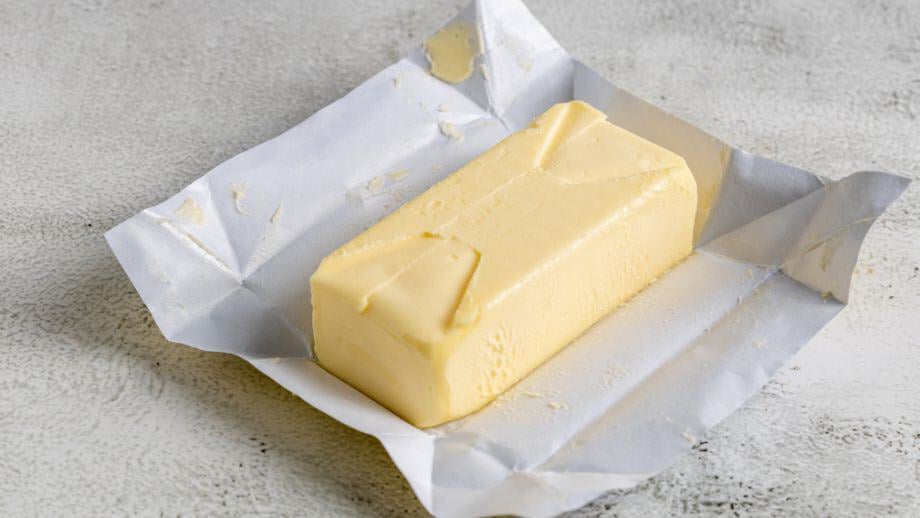
I avoid it because it solves problems I don't have and creates ones I don't need. With temperature control and proper mixing, butter-based doughs are superior and more responsive for my baking style.
Shortening removes the need for precision, but it also removes the reward for it. Baking improves when ingredients are allowed to behave as they are meant to. Butter reacts to heat and timing in ways that teach you something. Shortening simply sits there. I love the texture and rich flavor that come from using real butter. I refuse to use an ingredient that doesn't add any value in a dessert that I've spent time and effort making.
The bottom line
Shortening is not mysterious, and it is not harmful in small amounts. It is simply overvalued. Its reputation rests on convenience and repetition, not on flavorful results.
Baking is not about finding the ingredient that does the work for you. It is about learning how ingredients respond when you do the work. When you do that, shortening becomes optional, and in many kitchens, it becomes completely unnecessary.
Claudine Gibson
Thank you so much for letting us, inexperienced cooks, know this secret! It's wonderful to learn the art of great tasting crusts!!!