
Refrigerators feel like a safe bet. When in doubt, many people assume colder is better and safer. But for several everyday foods, the fridge does more harm than good. Cold temperatures can dull flavor or accelerate spoilage in ways that feel counterintuitive. Some foods last longer and taste better when kept out on the counter or stored in a cool, dry place instead.
Here are 12 foods that should stay out of the refrigerator, and why.
Tomatoes
Tomatoes are one of the most common fridge mistakes. Cold temperatures stop the ripening process and break down the compounds that give tomatoes their flavor. The result is a fruit that tastes dull and watery, even if it still looks fine on the outside.
Refrigeration also damages tomato cell walls, leading to a mealy texture once they warm back up. Tomatoes do best at room temperature, stem side down, away from direct sunlight. Once fully ripe, they should be used within a few days rather than chilled.

Potatoes
Potatoes and refrigerators do not get along. Cold storage speeds up the conversion of potato starches into sugars, altering both taste and texture. Cooked potatoes that were previously refrigerated often turn gritty.
There is also a cooking issue. Potatoes with higher sugar content brown too quickly when fried or roasted and can develop a bitter flavor or even a harmful chemical called acrylamide. Potatoes should be stored in a dark, cool place with airflow, such as a pantry or cupboard, but never next to onions.

Onions
Whole onions absorb moisture easily, and refrigerators create exactly the kind of damp environment they dislike. Cold storage softens onions, making them spoil faster once cut.
Onions also release strong odors that can spread to other foods in the fridge. Whole onions should be stored in a dry, well-ventilated space. Once cut, they should be wrapped and refrigerated, but whole onions last longer outside the fridge.
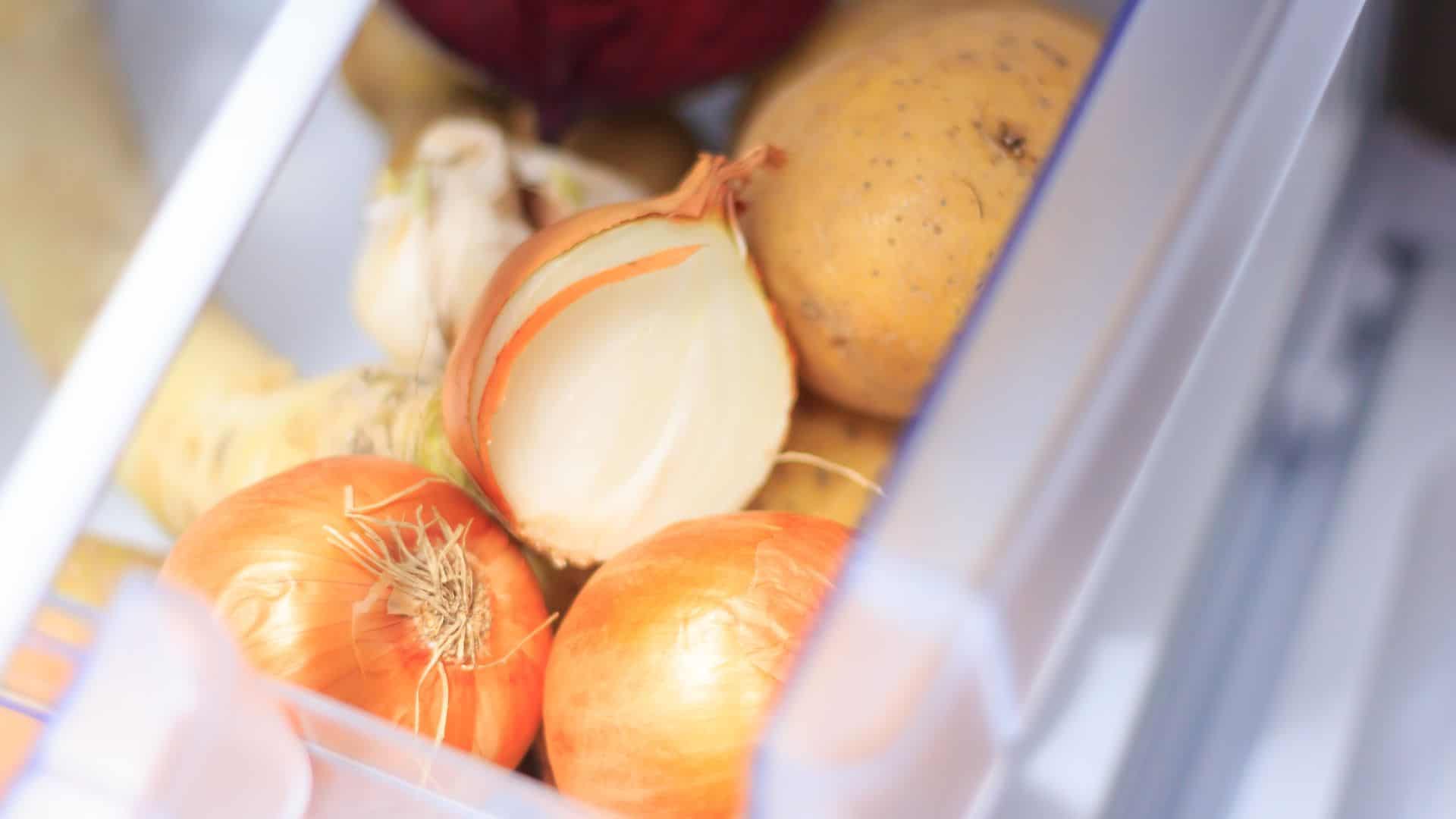
Garlic
Garlic stored in the refrigerator often sprouts early and develops a rubbery texture. Moisture encourages mold growth, especially if garlic bulbs are stored in plastic or sealed containers.
Cold temperatures also mute garlic’s sharp flavor. Whole garlic bulbs keep best in a cool, dry place with good airflow. Refrigeration is only appropriate once garlic has been chopped or peeled.

Bread
Bread dries out faster in the refrigerator than it does on the counter. The cold speeds up starch crystallization, which is why refrigerated bread turns stale so quickly, even when it is tightly wrapped.
Room temperature storage works best for bread that will be eaten within a few days. For longer storage, freezing is far better than refrigeration. Bread can go straight from the freezer to the toaster without losing quality.

Coffee
Coffee beans and grounds absorb moisture and odors, making refrigerators among the worst places to store them. Cold air and condensation strip coffee of its aroma and introduce off-flavors.
Temperature changes also accelerate coffee's degradation over time. Coffee storage is best in an airtight container at room temperature, away from heat, light, and humidity. Refrigeration does not extend freshness and often shortens it.

Honey
Honey never spoils when stored properly, but refrigeration causes it to crystallize quickly. Cold temperatures harden honey, making it grainy and difficult to use.
Once crystallized, honey requires gentle reheating to return to a smooth state. Keeping honey in a sealed container at room temperature preserves its natural texture and flavor without any food safety risk.

Basil
Fresh basil reacts poorly to cold. Refrigeration causes basil leaves to turn black and wilt within hours. The herb also absorbs refrigerator odors readily, which can affect its flavor.
Basil stays fresh longer when treated like fresh flowers. Trim the stems, place them in a glass of water, and loosely cover the leaves. Stored this way at room temperature, basil remains usable for several days.
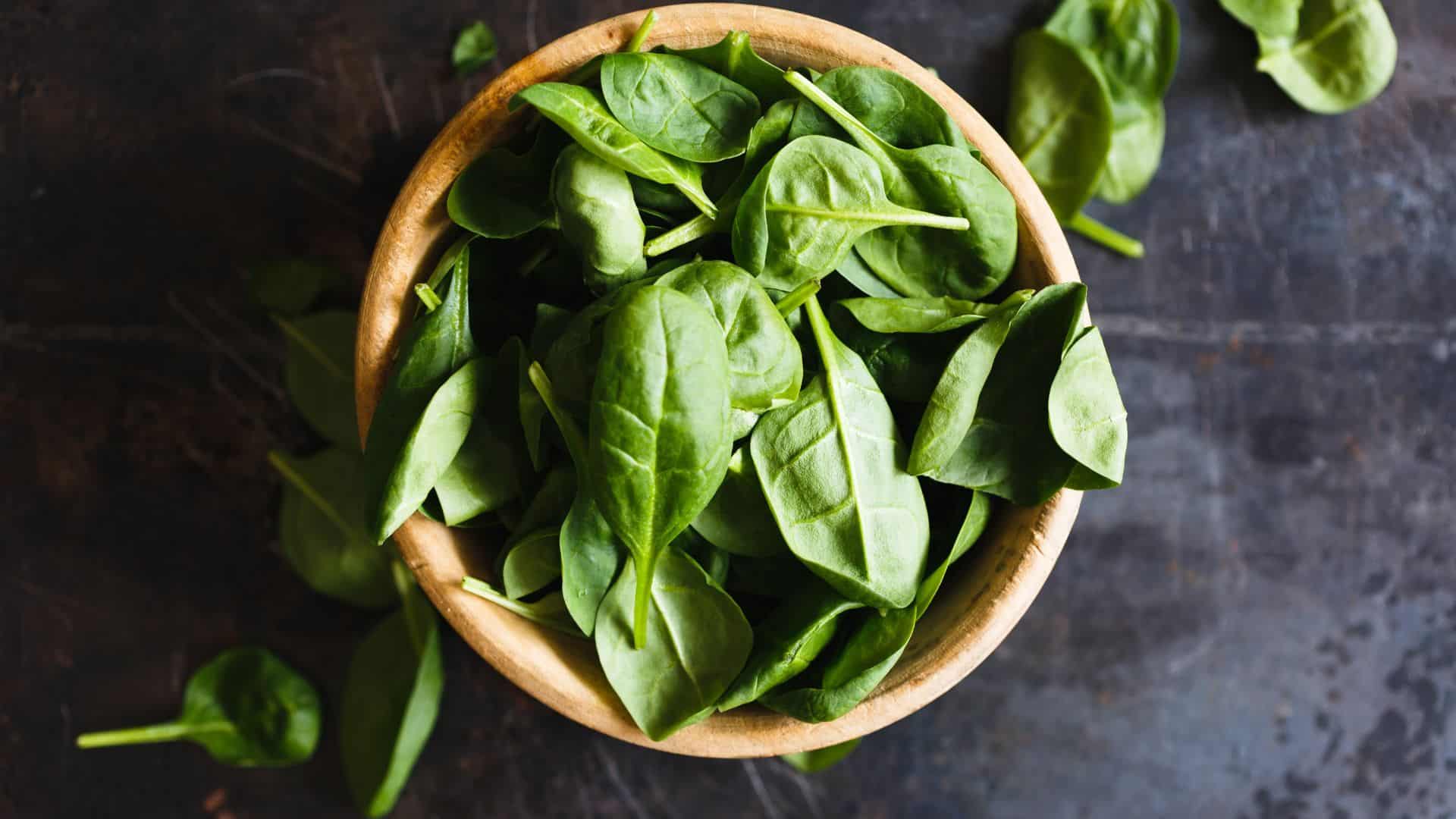
Stone fruits
Peaches, plums, nectarines, and apricots lose both flavor and texture when refrigerated too early. Cold temperatures halt ripening and can leave the fruit tasting flat and dry.
These fruits should ripen at room temperature until they reach the desired softness. Refrigeration is only useful once they are fully ripe and need short-term storage to prevent over-ripening.
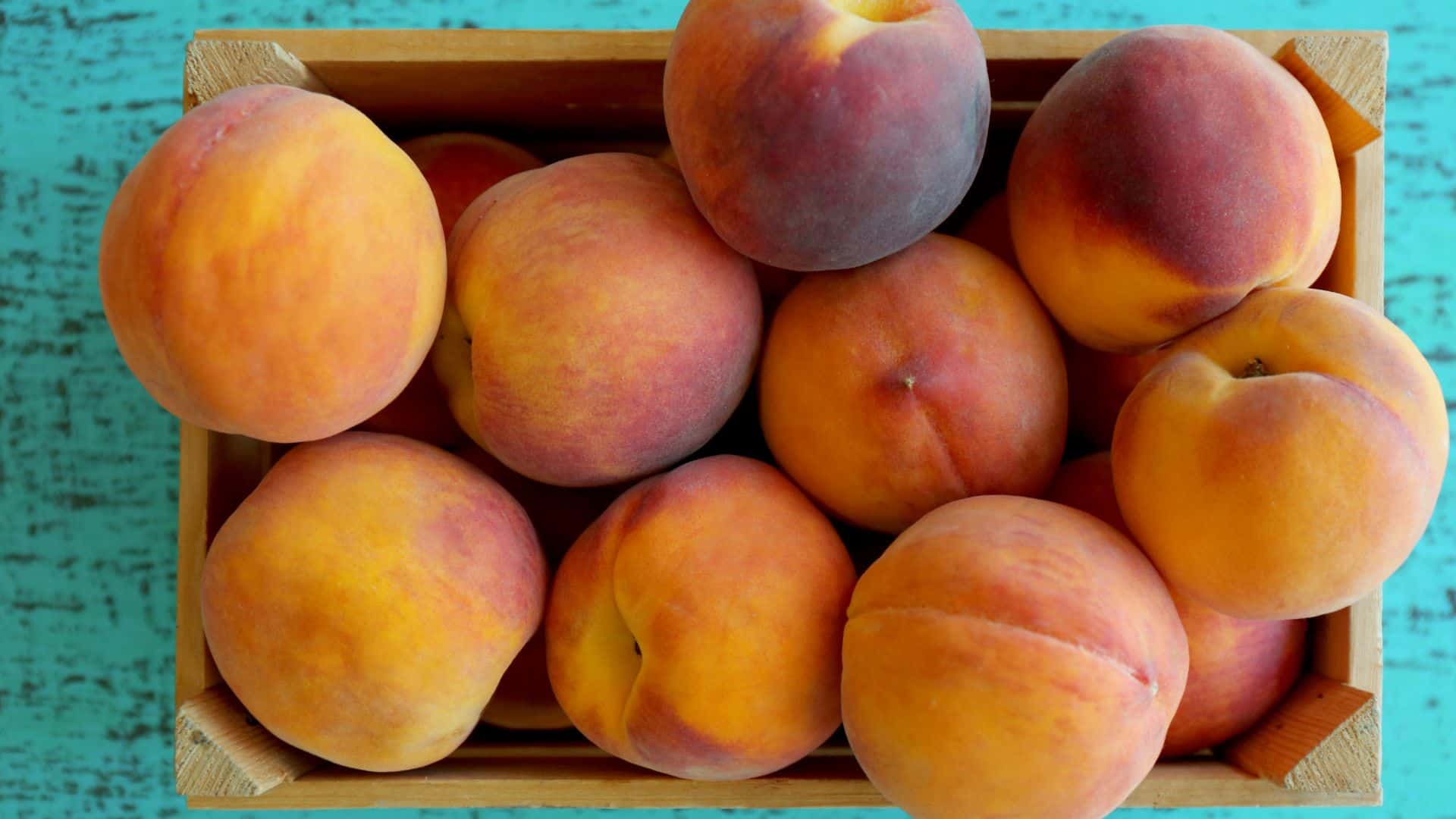
Avocados
Unripe avocados should never be refrigerated. Cold temperatures halt ripening, leaving avocados hard and unripe even after days in the fridge.
Once ripe, avocados can be refrigerated briefly to slow spoilage, but chilling too early ruins their texture. The best approach is counter ripening followed by short refrigeration, only if needed.
Hot Sauce
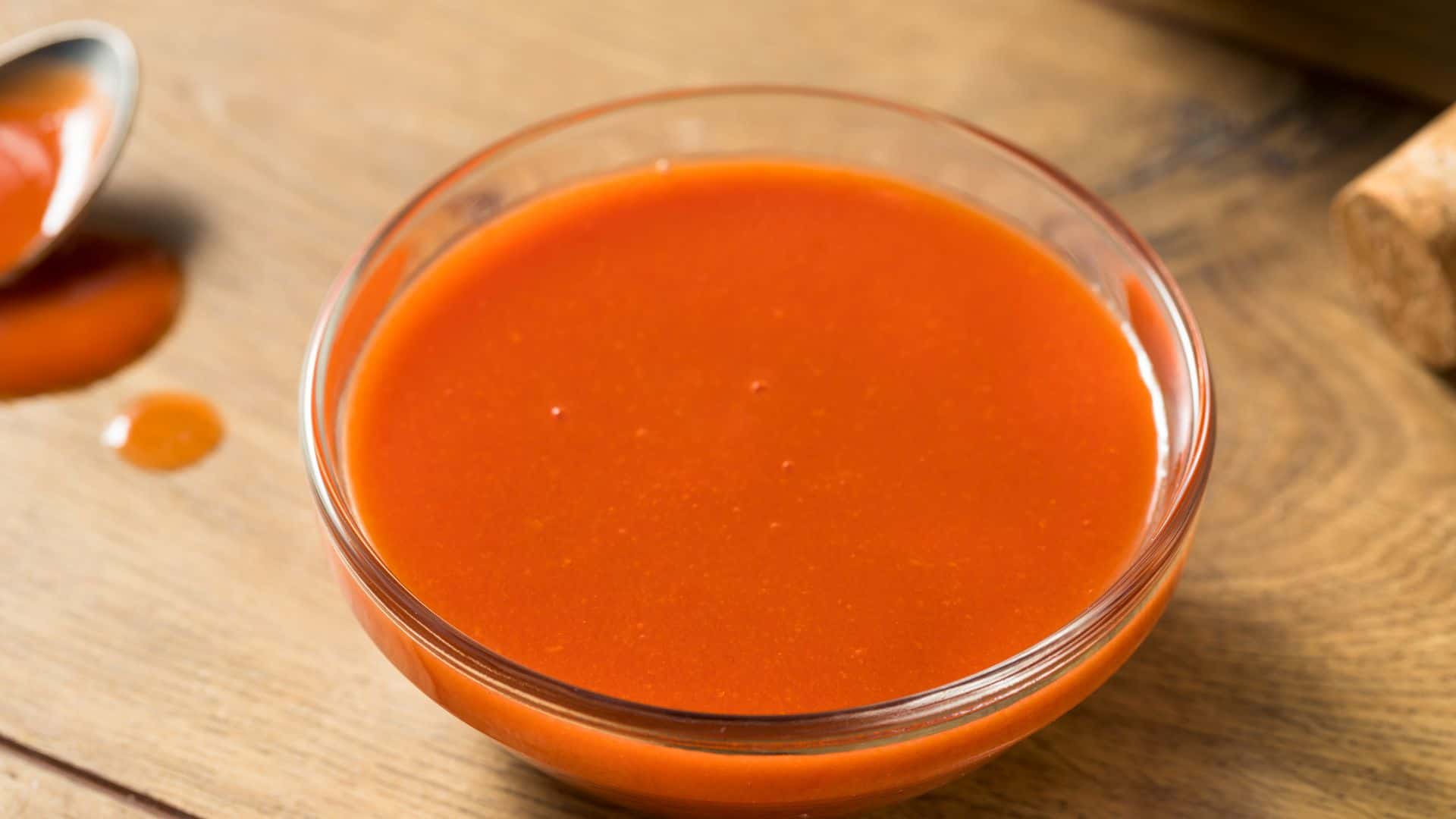
Most hot sauces are shelf-stable thanks to vinegar and salt, yet many end up in the refrigerator out of habit. Cold temperatures thicken sauces and dull their heat and complexity.
Unless the label specifically instructs refrigeration, hot sauce keeps well in a pantry or cabinet. Storing it at room temperature preserves its intended texture and flavor profile.
Chocolate
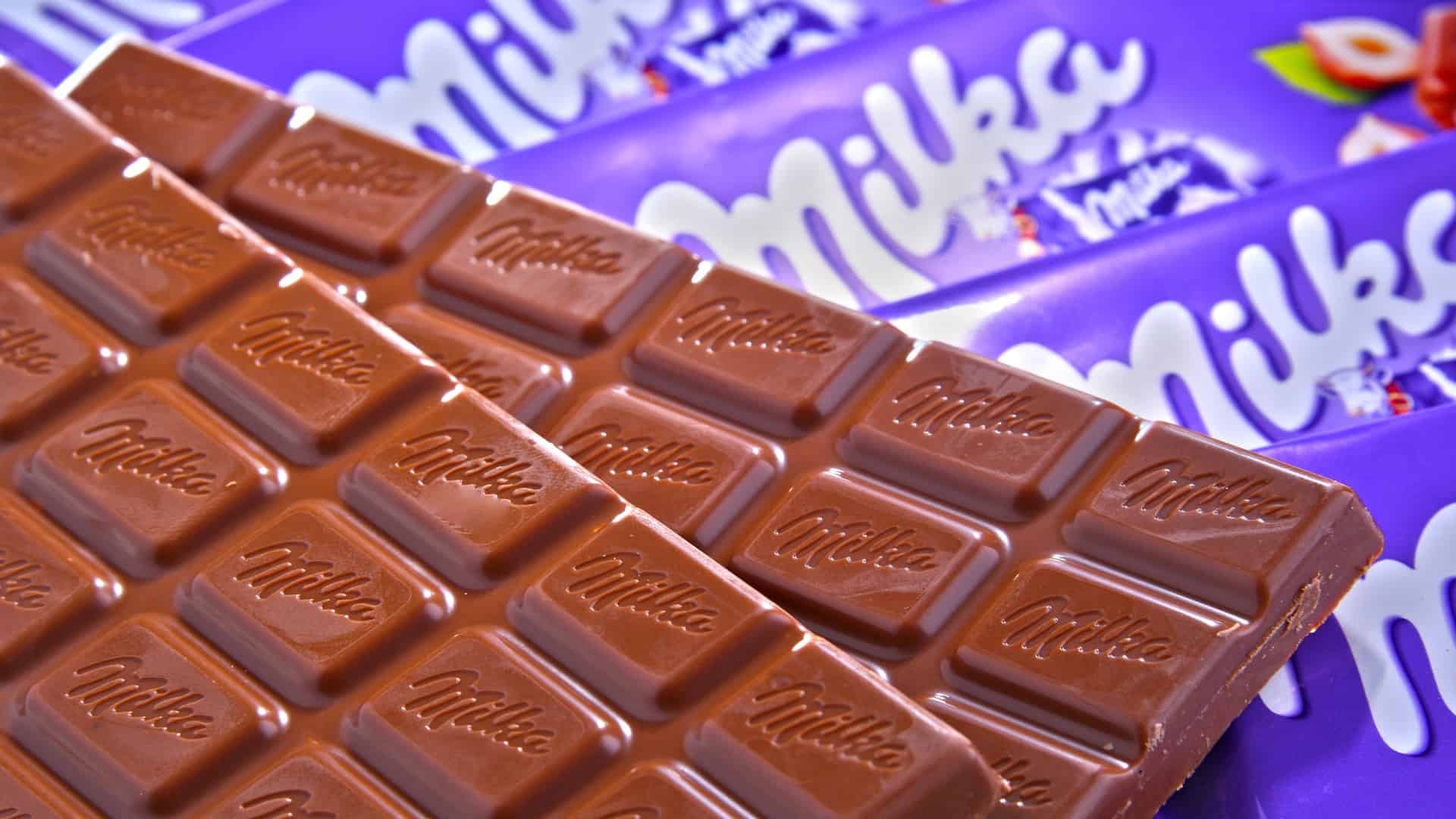
Chocolate absorbs odors easily and reacts poorly to temperature changes. Refrigeration often causes sugar bloom, a white film that forms when moisture draws sugar to the surface.
Cold storage can also cause condensation when chocolate is removed from the fridge, which can affect texture and snap. Chocolate should be stored in a cool, dry place away from light, not in the refrigerator.
The takeaway
Refrigeration is not a one-size-fits-all solution. While it protects many foods, it damages others by changing flavor and shelf life. Knowing which foods belong on the counter and which belong in the fridge helps reduce waste and keeps ingredients tasting the way they were meant to. A little storage awareness goes a long way in preserving both quality and enjoyment.
Leave a Reply