
American food culture has a tendency to absorb dishes so fully that their origins fade into the background. Certain foods become tied to specific cities or moments in U.S. history, even when they were borrowed or imported from somewhere else. What many people don't know is that many classic American foods often have roots that stretch far beyond U.S. borders.
Here are 12 foods commonly labeled “American” that actually come from somewhere else.
Beignets
Beignets feel inseparable from New Orleans, where these airy, powdered sugar–covered, square-shaped desserts are served alongside coffee at all hours of the day. Despite that association, beignets trace back to France, where the word simply means "fried dough." French brought the recipe to the States, where it evolved into the version we all know and love. The city may have made the beignet famous, but it did not invent it.

Hot dogs
The hot dog is a fixture of ballparks and summer holidays, yet its roots are European. Sausages similar to hot dogs originated in Germany, and German immigrants brought these sausages to the United States in the 19th century. What changed was the presentation. Serving the sausage in a bun made it portable and easy to eat, helping it become a defining American street food.

Hamburgers
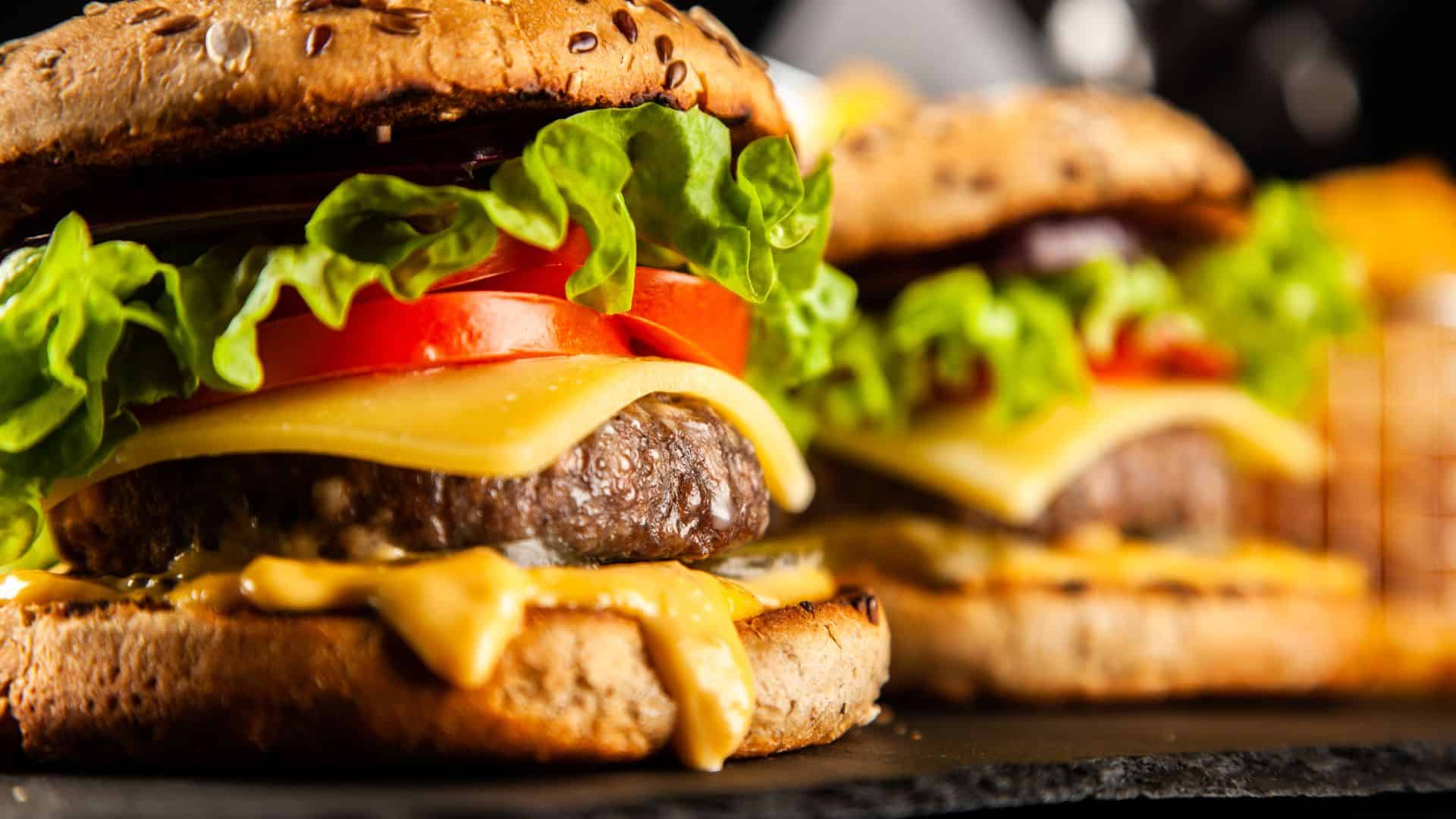
Few foods are more strongly associated with American identity than the hamburger. Minced beef patties were common in German cuisine long before they appeared between two buns in the United States. Immigrants introduced the concept, and American cooks adapted it into a sandwich. Over the years, the hamburger grew larger and more customisable, becoming a symbol of American dining.
Pizza
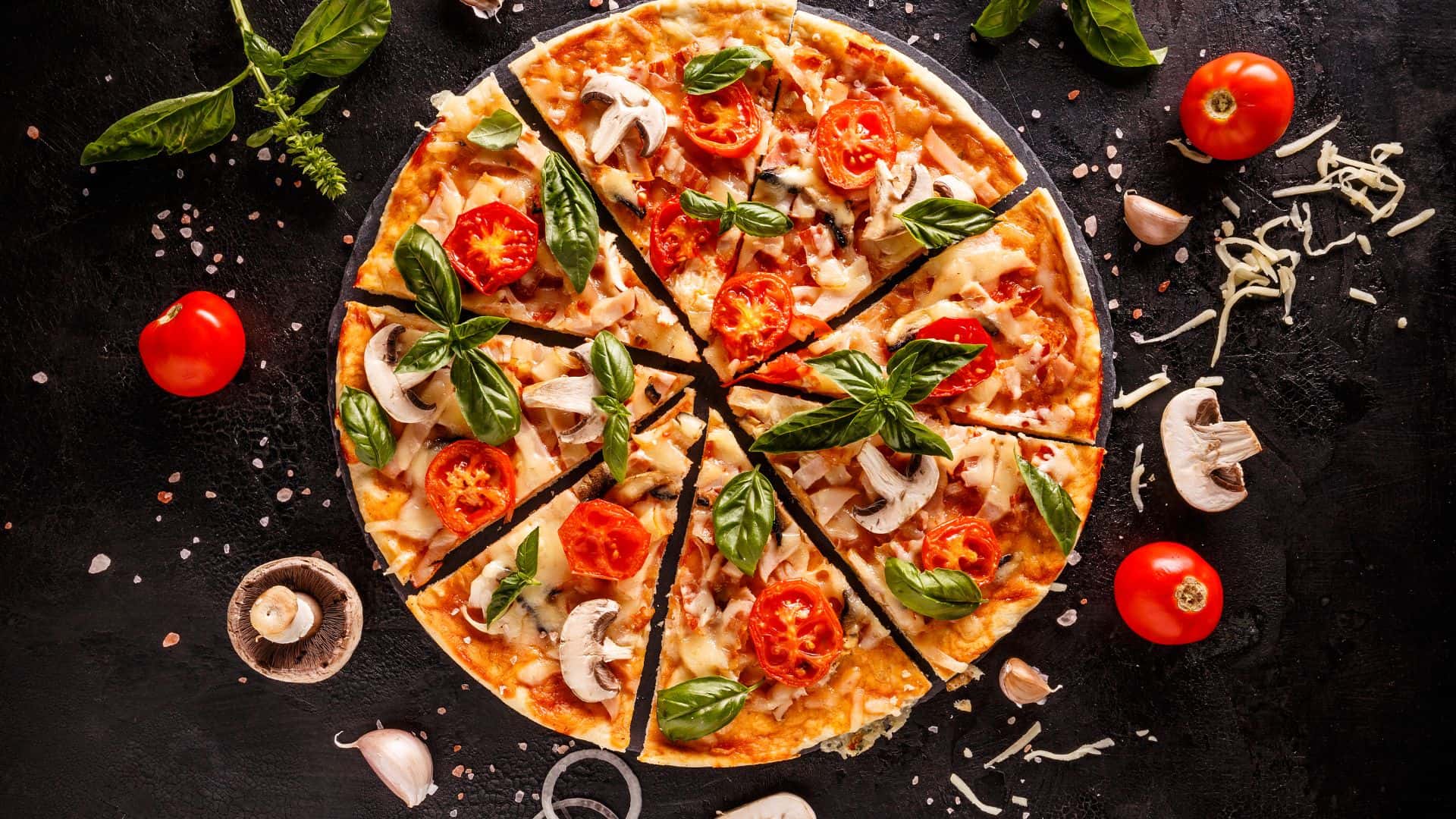
Pizza is often framed as a New York creation, but its origins are firmly Italian. Flatbreads topped with simple ingredients were common in Naples long before pizza arrived in the U.S. Italian immigrants brought their recipes with them, and American versions soon took on thicker crusts and endless topping combinations. While styles like New York and Chicago pizza are uniquely American, the dish itself was not born here.
French fries
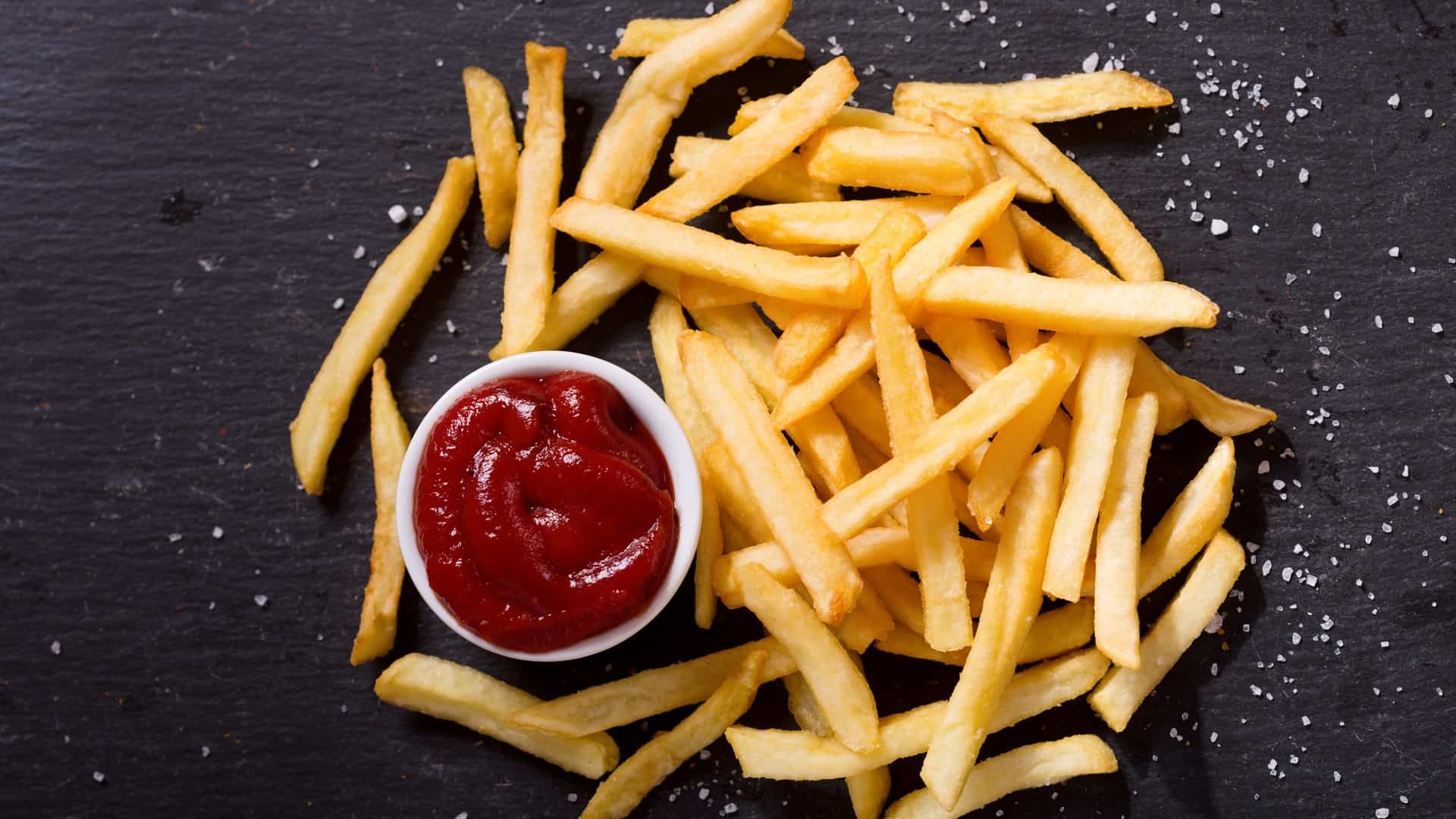
French fries are deeply tied to fast-food culture, but they are neither American nor French. Most food historians trace the origin of fried potatoes to Belgium, where they were eaten as early as the 17th century. American soldiers stationed in Belgium during World War I encountered the dish and brought the idea home. The name stuck and became a favorite.
Doughnuts
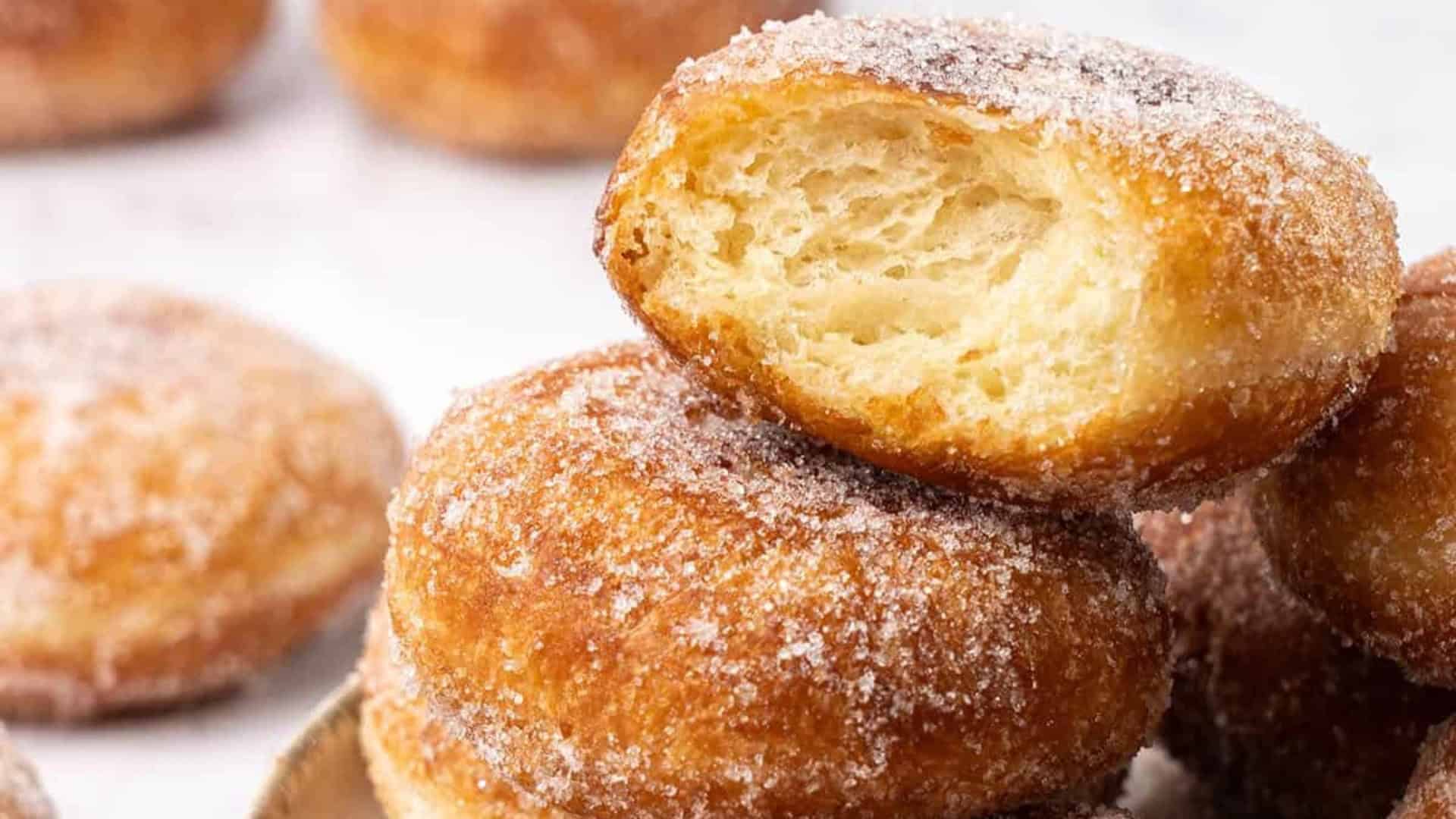
The doughnut feels like a purely American creation, especially since they're everywhere in bakeries and coffee shops. In reality, its roots lie in Dutch cuisine. Early settlers brought olykoeks, or “oil cakes,” to North America. These fried dough balls gradually changed in shape and texture, eventually becoming the ringed doughnut that is everywhere today.
Apple pie
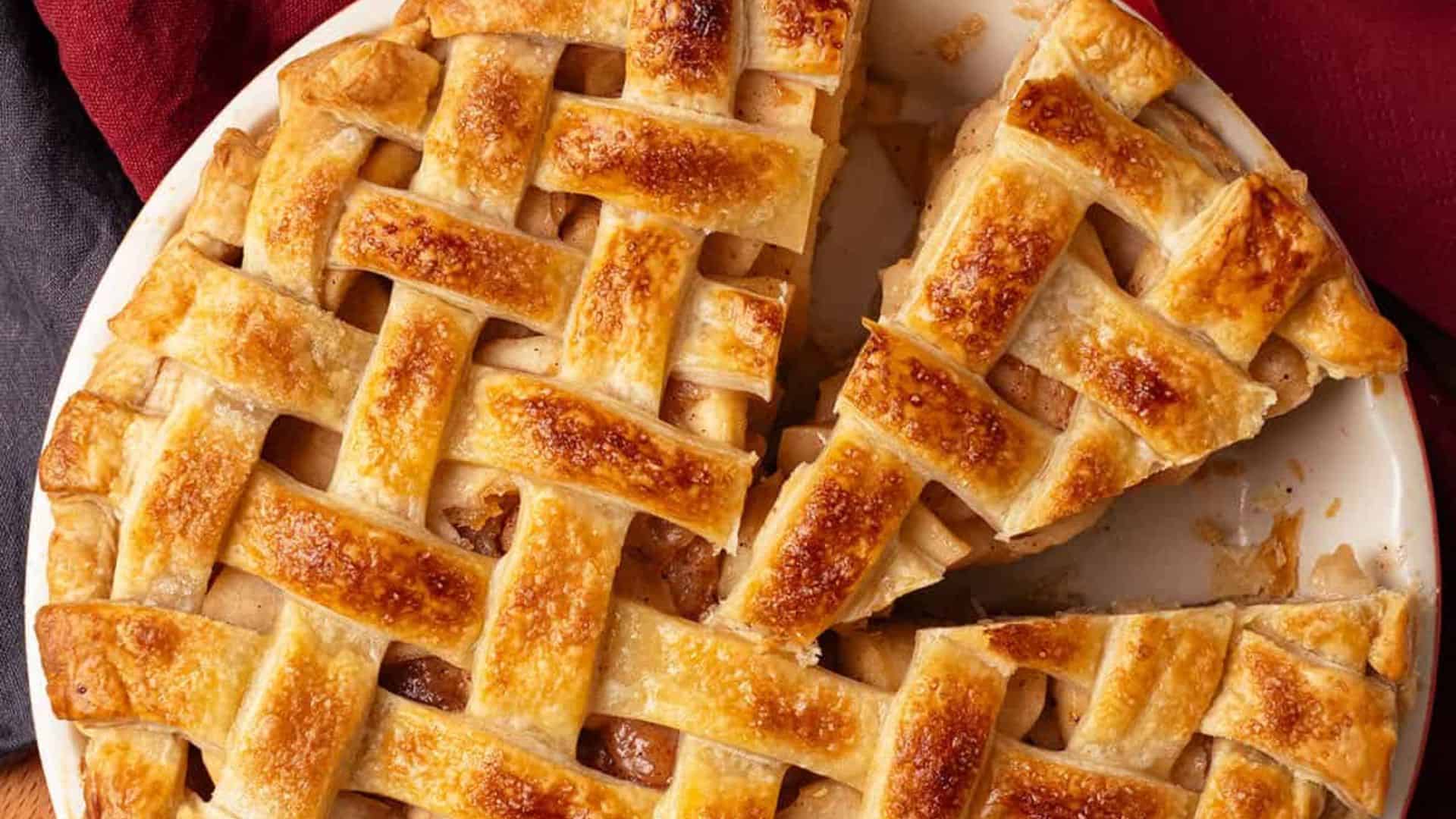
Apple pie is often taken as a shorthand for American tradition, yet the dessert predates the country itself. Recipes for apple pastries appeared in England centuries ago. Apples were not native to North America and were introduced by European settlers. The phrase “as American as apple pie” indicates cultural adoption rather than origin.
Fried chicken
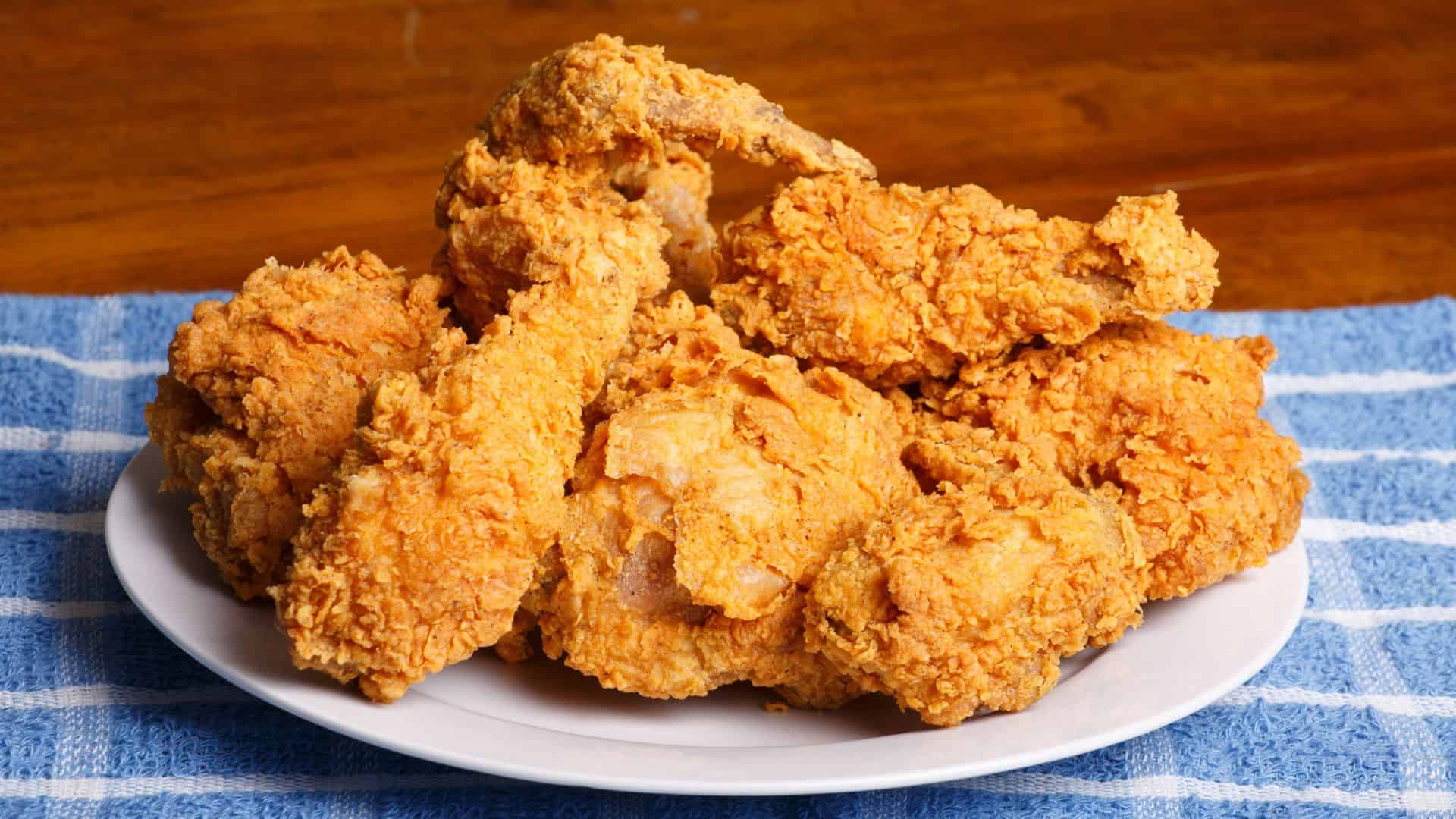
Fried chicken is associated with Southern cooking, but its history is more complex. The technique of frying chicken has roots in both West African and Scottish traditions. While fried chicken became iconic in the U.S., the practice itself originated in multiple cultures outside the U.S.
Macaroni and cheese
Macaroni and cheese is often seen as comfort food, but its roots are European. Pasta and cheese casseroles existed in Italy long before the dish gained popularity in the United States. The modern boxed version is a distinctly American development, but the dish itself is not.

Bagels
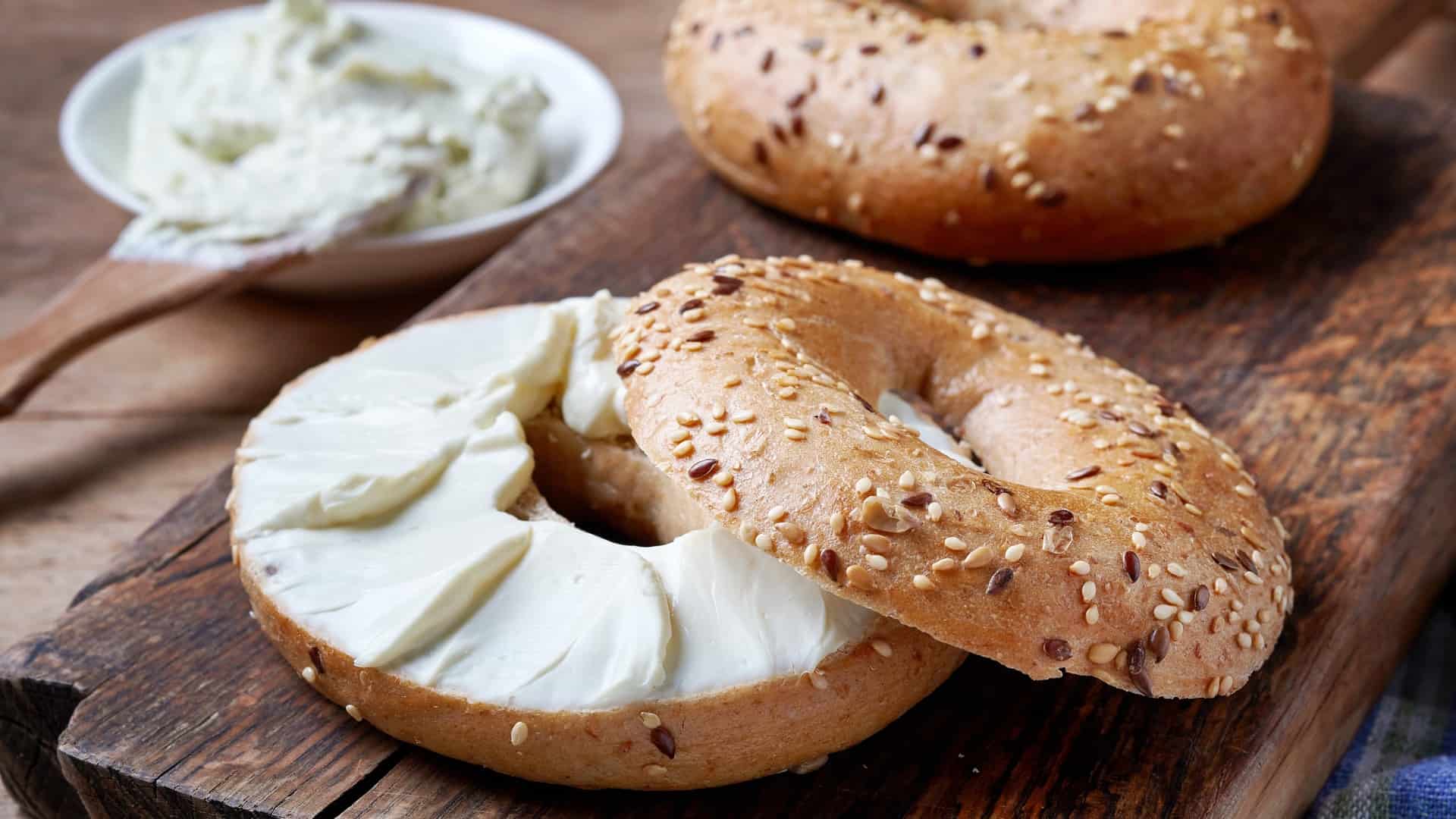
Bagels are strongly associated with New York, yet their origins lie in Eastern Europe. Jewish communities in Poland have made bagels for centuries, boiling and baking them to achieve a chewy texture. Immigrants brought bagels to the U.S., where they eventually became mainstream. Cream cheese and oversized versions helped transform a traditional food into an American breakfast staple. Bagels in different flavors are also a twist Americans have created.
Chili
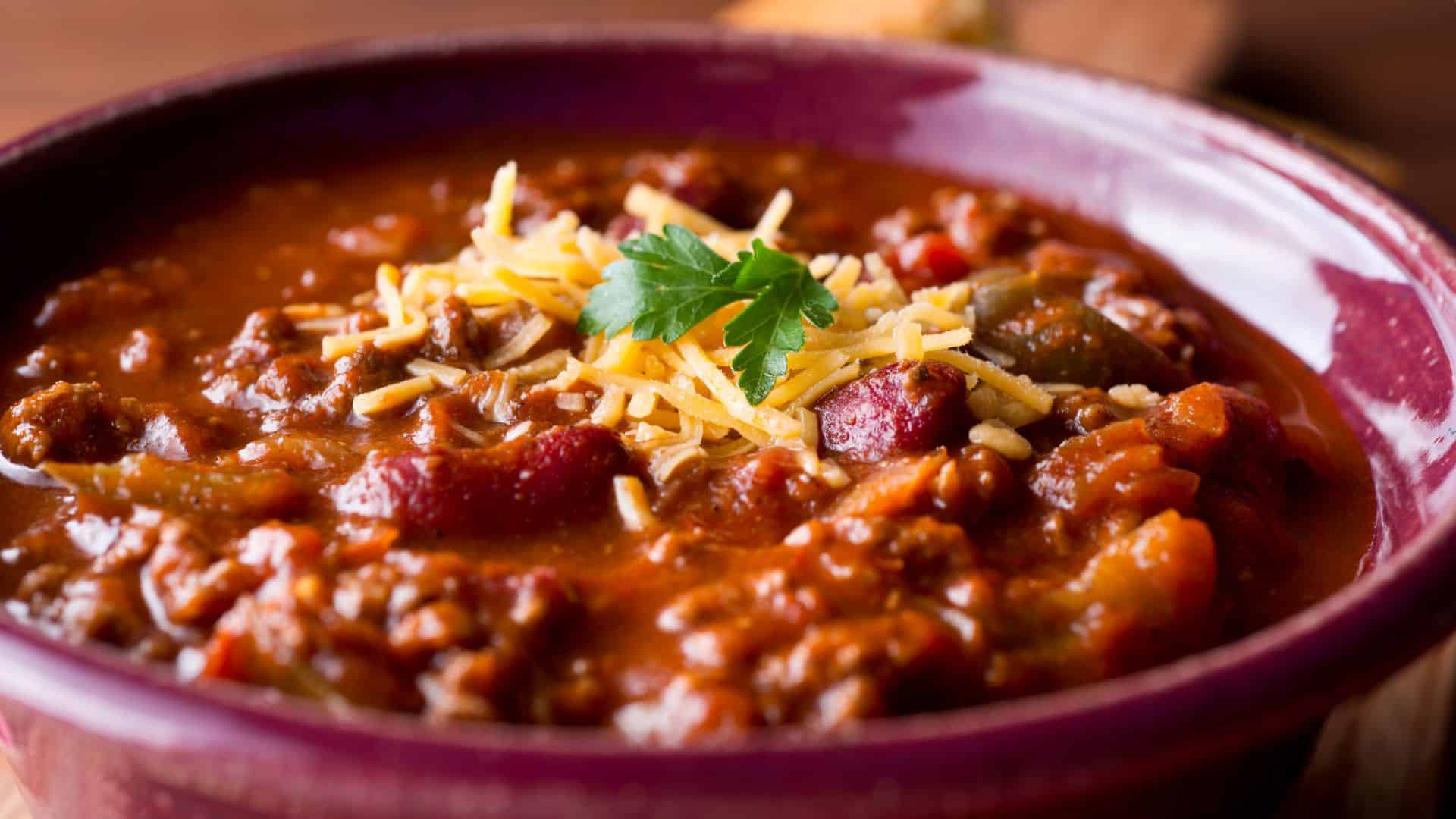
Chili is often treated as a Texas original, but its roots extend into Mexico. Dishes made with chili peppers, meat, and spices were common long before chili con carne appeared in American cookbooks. What changed was the meat choices and the spice. American chili became its own category, but it did not appear out of nowhere.
Pretzels
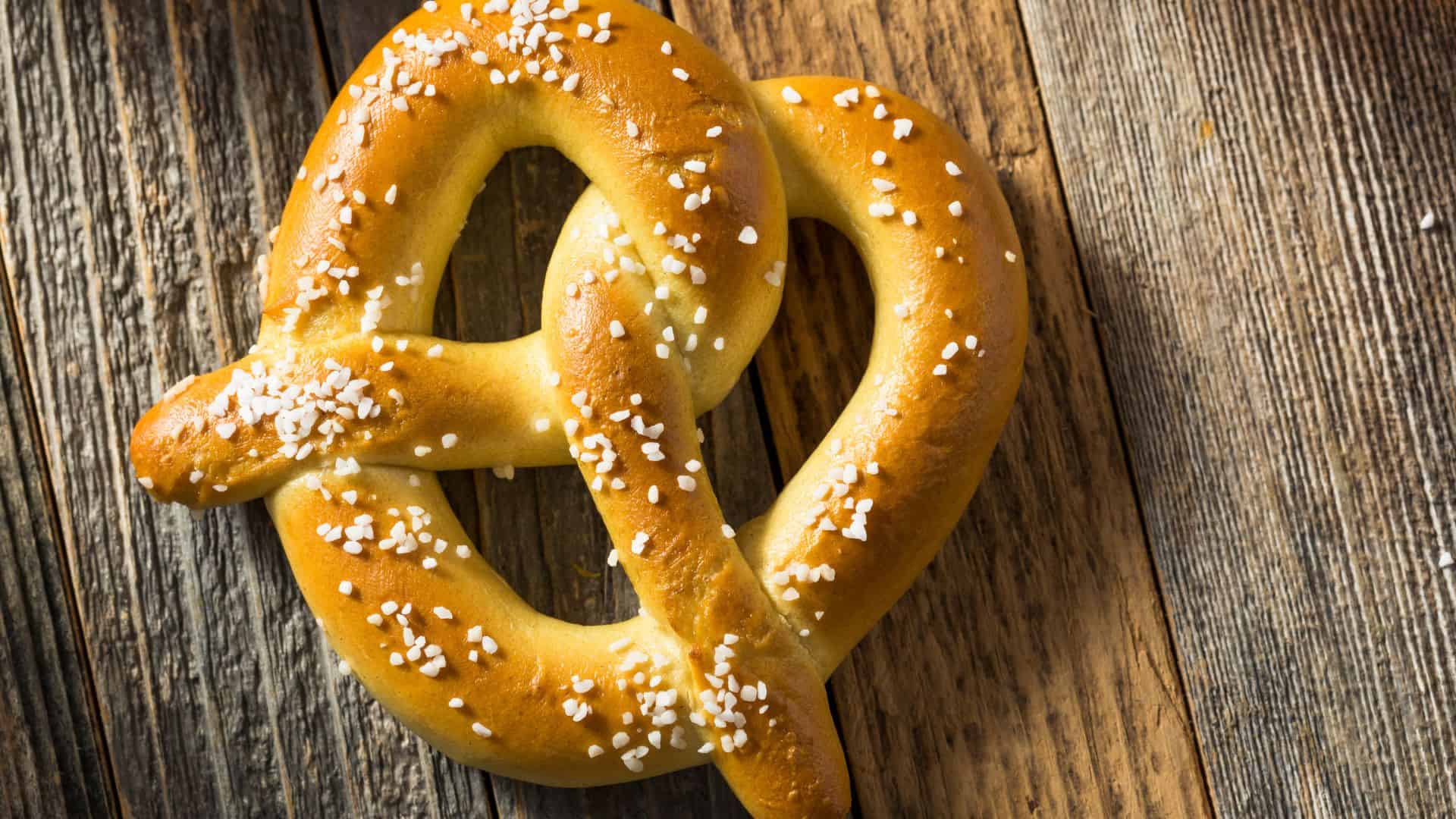
Pretzels are everywhere in American snack culture, from mall kiosks to stadiums. Their history goes back to Europe, where they were associated with monasteries. Soft pretzels later became popular through street vendors, giving the snack a distinctly American presence. Dipping them in cheese or coating them with cinnamon sugar was also an added American change.
The bigger picture
Food rarely belongs to one place alone. Dishes travel and settle into new cultures, often becoming more closely associated with their adopted home than their place of origin. American cuisine is built on that exchange. Many of the foods people think of as purely American are better understood as shared creations shaped by migration and local taste.
Recognizing where these foods came from does not make them less American. It simply shows how much of American food culture is rooted in influence and reinvention.
Leave a Reply