
High-protein eating has become a major food trend, but the most talked-about options are often not the most affordable. Powders, specialty products, and premium cuts can quickly push grocery bills out of budget. As costs rise, many people are looking for everyday foods that provide protein for a reasonable price.
This list focuses on foods that pull their weight. That means reasonable portions and prices that still make sense at checkout. Using an online food calculator is the best way to get accurate protein and calorie counts. It's an excellent resource that can be filtered by food brands, serving size, and more.
Eggs
Eggs are one of the most efficient sources of protein in the grocery store. A large egg has about 6 grams of protein and roughly 70 calories. This can vary depending on the egg's size. Two eggs make a realistic serving for most meals and provide enough protein to matter without pushing calories too high.
Prices fluctuate, but even during increases, eggs still compete with most animal proteins on a cost-per-serving basis. They are easy to cook and can be used at any meal.

Chicken leg quarters
Chicken breast gets most of the attention, but leg quarters are usually cheaper and more forgiving. A leg quarter includes the thigh and drumstick, offering more calories, fat, and protein. This matters for people who need both energy and fullness.
A 4-ounce leg quarter has about 31 grams of protein, but that can vary depending on its size and how it is cooked. Bone-in cuts also tend to cost less per pound, making them a good option for batch cooking and leftovers.

Ground turkey
Ground turkey costs less than beef and still provides a reliable source of protein. A four-ounce cooked portion offers about 24 grams of protein and enough calories to anchor a meal.
Higher-fat versions are usually cheaper and more filling than extra-lean options, but they also mean calories and protein will vary. Higher-fat versions tend to cook better in simple dishes like skillets, pasta sauces, and casseroles, where dryness can be a problem with lean meat.
Pork shoulder
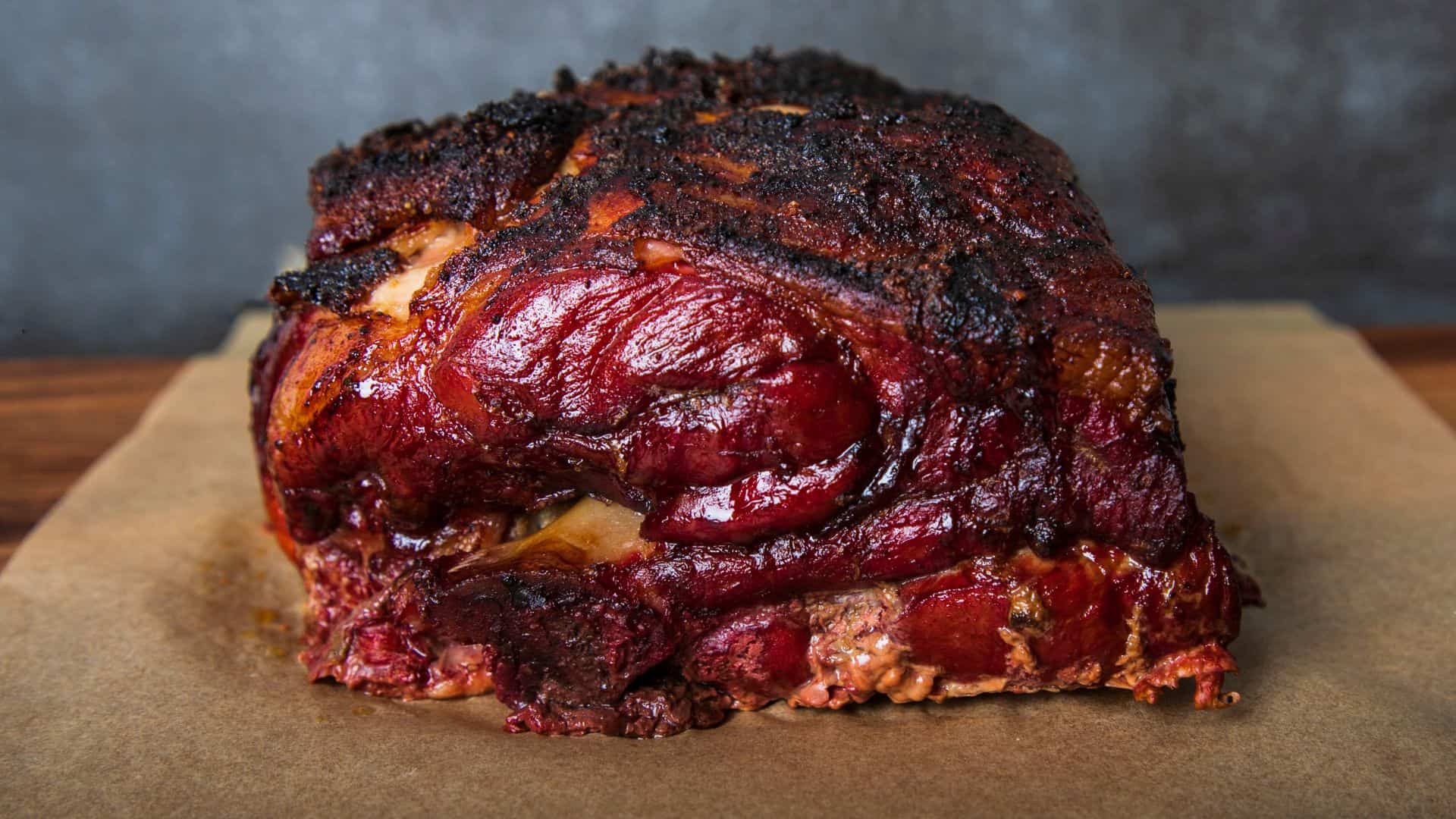
Pork shoulder is one of the most overlooked budget proteins. It is sold in large cuts, but the price per pound is often far lower than that of chops or tenderloin. It is also calorie-dense, which helps stretch meals further.
A modest portion delivers both protein and fat, making it useful for people trying to avoid constant snacking. Pork shoulder works well for slow cooking and freezes well after cooking. Just 3 ounces have around 20 grams of protein.
Canned tuna
Canned is a favorite pantry staple for a reason. One can contains about 15 grams of protein and roughly 90-100 calories, depending on whether it is packed in water or oil. The serving size is realistic and easy to use.
Water-packed tuna is leaner, while oil-packed versions add calories that can be helpful when energy intake matters. Shelf stability also reduces waste, which affects real-world food costs.
Sardines
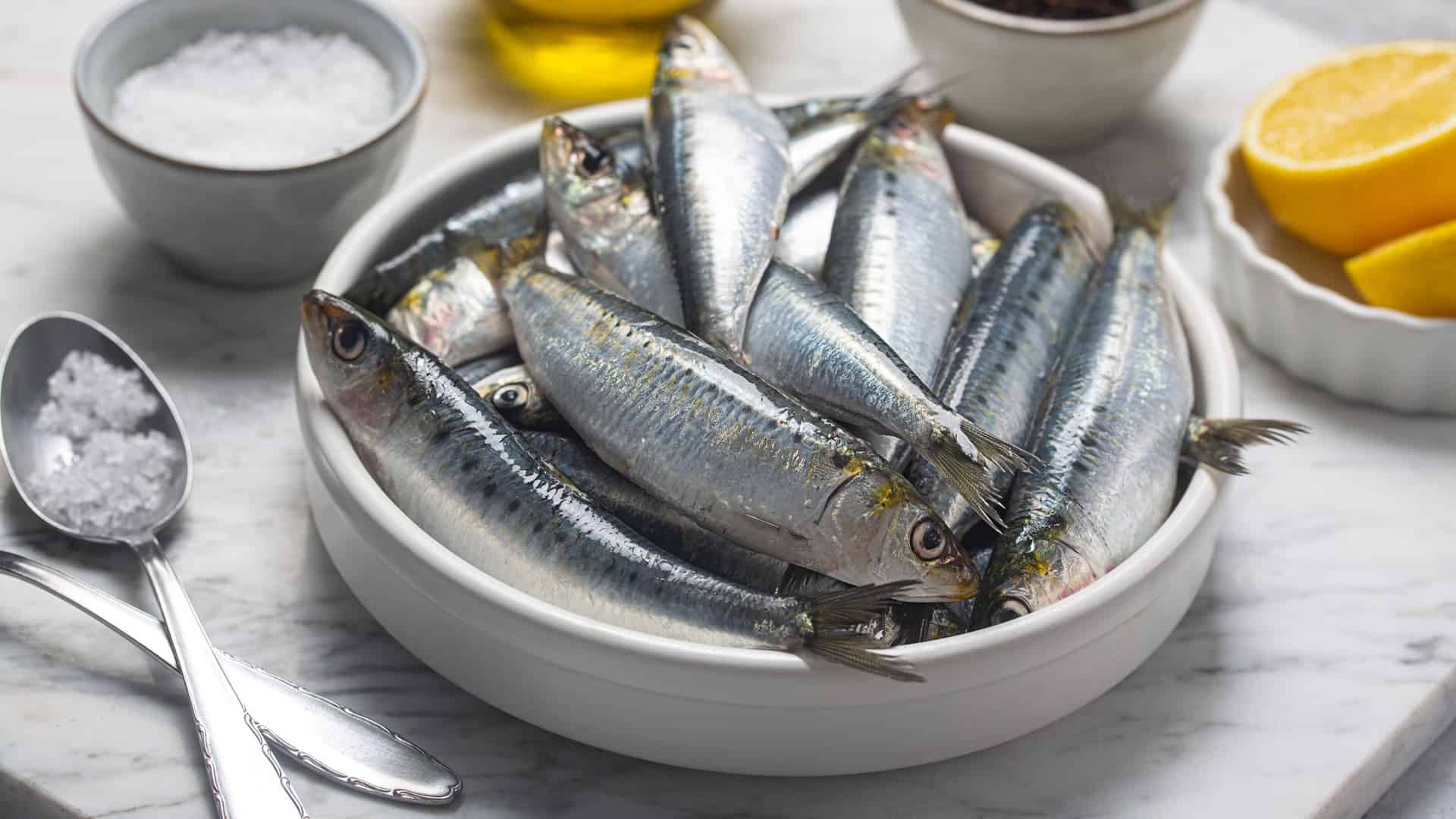
Sardines offer good nutrition at a low price. A single can provides around 14 grams of protein, along with fats that help meals feel more filling.
Because sardines are calorie-dense, they work well in small portions. They can be eaten straight, added to toast, or mixed into simple dishes without needing large quantities.
Milk
Milk delivers both protein and calories in a form that is easy to consume. One cup of 2% milk provides about 8 grams of protein and around 125 calories. Lower-fat versions reduce calories but still offer some protein.
Milk often costs less per serving than many foods, especially when used alongside meals rather than as a standalone option. It also works well for people who struggle to eat large portions and would rather drink their protein.
Cottage cheese
Cottage cheese is one of the cheapest high-protein dairy foods available. A half-cup serving offers 12 to 14 grams of protein and moderate calories, depending on the fat content.
Full-fat versions are more filling and sometimes cost about the same as low-fat options. Cottage cheese works well on its own or mixed into meals without requiring large amounts. It pairs with eggs and fruit as well.

Yogurt
Plain yogurt can be a budget-friendly source of protein. A one-cup serving usually provides 10+ grams of protein and fits into most meals.
Greek yogurt offers more protein but costs more. Regular yogurt still has value when portion sizes remain reasonable, and added sugars are kept low.
Oats
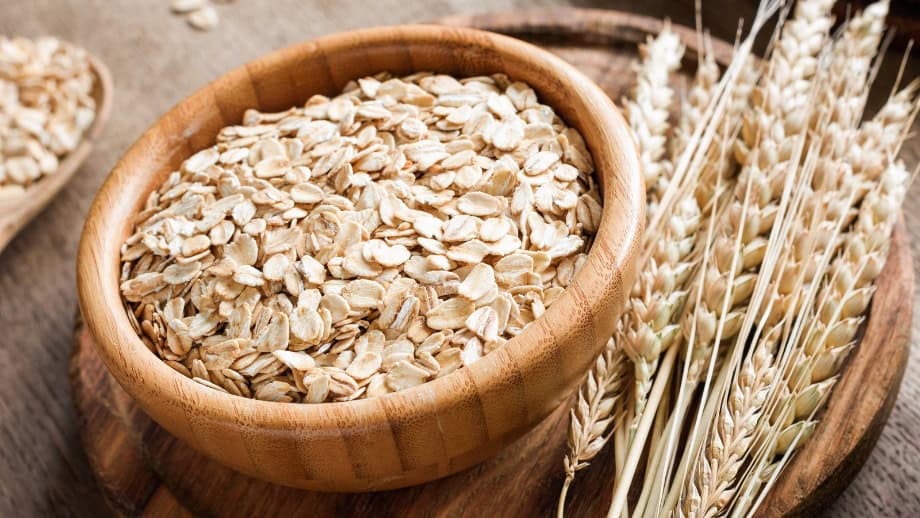
Oats are not a high-protein food, but they offer a meaningful amount when cost and calories are considered together. One cup of cooked oats contains about 5-6 grams of protein and roughly 180 calories.
Oats work best as a base that supports other proteins. They are cheap and easy to prepare, which helps stretch more expensive ingredients.
Peanut butter
Peanut butter is calorie-dense and high in protein, but portion size matters. Two tablespoons provide about 8 grams of protein and nearly 200 calories. One thing that most people dont' realize is that they're overusing peanut butter when it comes to serving size. Measuring it accurately is important.
Because it is shelf-stable and filling, it can reduce the need for frequent snacks.
Seitan
Seitan offers one of the highest protein contents per calorie among non-bean options. A 1 slice serving can deliver over 15 grams of protein with low calories.
It is often cheaper when made at home, but even store-bought versions can be cost-effective compared to meat alternatives. Seitan works well in stir-fries, sandwiches, and skillet meals.
Cheese in small amounts
Cheese is not cheap by weight, but small servings add both protein and calories efficiently. An ounce of cheddar provides about 6 grams of protein and around 110 calories.
Used sparingly, cheese enhances meals without requiring large portions. Block cheese is often more affordable than pre-shredded options and lasts longer.

Canned Chicken
Canned chicken offers convenience similar to tuna but with a different flavor profile. A can has around 26 grams of protein with under 200 calories.
It works well in soups and casseroles, especially when fresh meat is not practical. Prices vary, but sales can make it competitive.
Why serving size matters
Some foods look cheap until you factor in portion size. Nuts, seeds, and specialty snacks deliver protein but have a higher calorie content that adds up fast.
The most reliable budget proteins are those that fit easily into meals without breaking the bank or pushing portions beyond what people normally eat. Calories matter just as much as protein, especially for people trying to stay full and energized.
The bigger picture
Affordable protein does not require extreme choices or specialty products. The cheapest options are familiar foods that balance protein, calories, and practicality.
When meals rely on foods that make sense in real portions, budgets stretch further, and eating feels less like a math problem. The goal is to have meals that work day after day without strain.
Leave a Reply