
Refrigeration is often treated as a safety measure, but cold storage is not always protective. For certain foods, a refrigerator can accelerate spoilage or create conditions that allow harmful bacteria to thrive. In other cases, refrigeration simply destroys flavor and texture, leaving food dull or unusable.
Proper storage depends on the food itself. These foods are better kept out of the refrigerator, either for safety or because cold temperatures actively make them worse.
Potatoes
Refrigerating raw potatoes causes starches to convert into sugar more rapidly. The chemical shift alters both flavor and texture, leaving potatoes oddly sweet and gritty when cooked. High sugar levels can cause acrylamide to form when potatoes are fried or roasted at high temperatures.
Potatoes keep best in a cool, dark, well-ventilated space. A pantry or cellar is ideal. Plastic bags trap moisture and accelerate spoilage, while refrigeration triggers harmful changes.

Tomatoes
Cold temperatures damage tomatoes' exterior. They can become mushy fast in the fridge. Once that structure breaks down, the fruit loses its natural firmness and becomes watery. Flavor also degrades and can alter the tomato's sweetness.
Refrigerated tomatoes may appear intact, but the damage is permanent. Even after being brought back to room temperature, the texture typically does not recover. Whole tomatoes should be stored on the counter, away from direct sunlight, until fully ripe.

Honey
Honey does not spoil under normal conditions. Its low moisture content and natural acidity prevent bacterial growth, so refrigeration is unnecessary. Cold storage causes honey to crystallize more quickly, making it thicker and grainier.
While crystallized honey is safe, it becomes difficult to pour and measure. Storing honey at room temperature preserves its smooth consistency and avoids unnecessary texture changes.
If the honey crystallizes, soften it by placing the bottle in a bowl of warm water. Honey doesn't have an expiration date, so storing it properly means you can use it for months or even years to come.

Bread
Refrigeration dries bread out faster than leaving it at room temperature. Cold air causes the bread to lose moisture and get stale. This happens even faster in the refrigerator than on the counter.
If bread needs to be stored long-term, freezing is the better option. For daily use, bread should be kept in a container at room temperature, where texture and flavor hold up longer. A plastic sealable bag works well for storage as well. Make sure it's sealed to minimize air leakage.

Garlic
Garlic exposed to cold temperatures often sprouts prematurely. Refrigeration can also increase moisture, which can lead to mold growth.
Whole garlic bulbs should be kept in a cool, dry, well-ventilated place (not airtight and not refrigerated). Airflow is essential to prevent moisture buildup and spoilage.
Refrigeration is appropriate only after garlic has been chopped or cooked, not before.

Onions
Whole onions do poorly in cold, humid environments. Refrigeration softens their structure, promoting mold growth. Cold storage also lessens flavor.
Onions need air circulation. A pantry or open basket works well. The only exception is cut onions, which should be refrigerated in a sealed container and used quickly.

Coffee
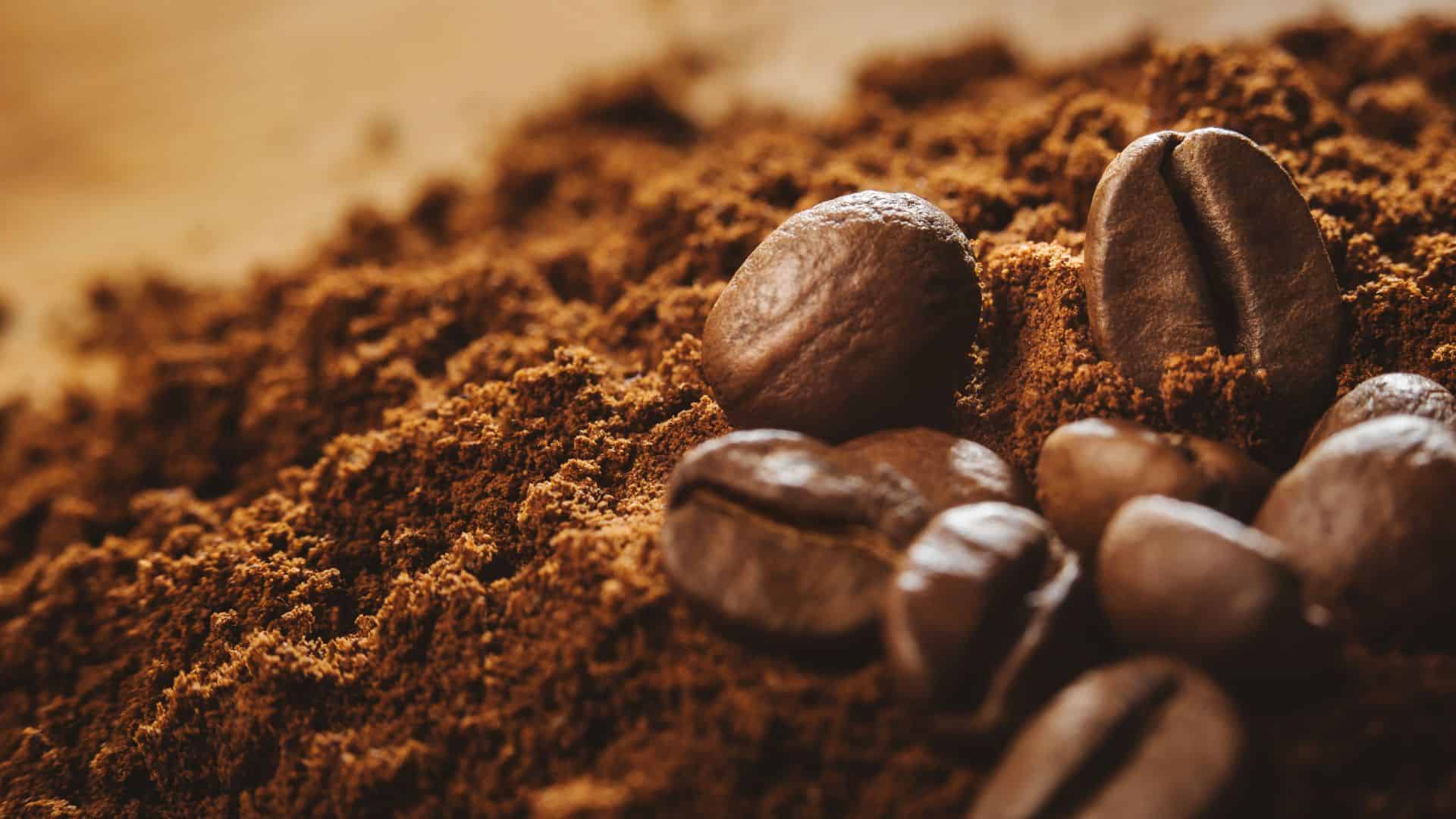
Coffee beans and grounds absorb moisture and odor. Refrigeration introduces both. Moisture develops when the coffee is taken out of the fridge or the door is opened, which accelerates flavor loss and staleness.
Coffee also contains aromatic compounds that degrade at varying temperatures. The best storage is an airtight container kept in a cool, dark place, away from heat and light.
Olive Oil
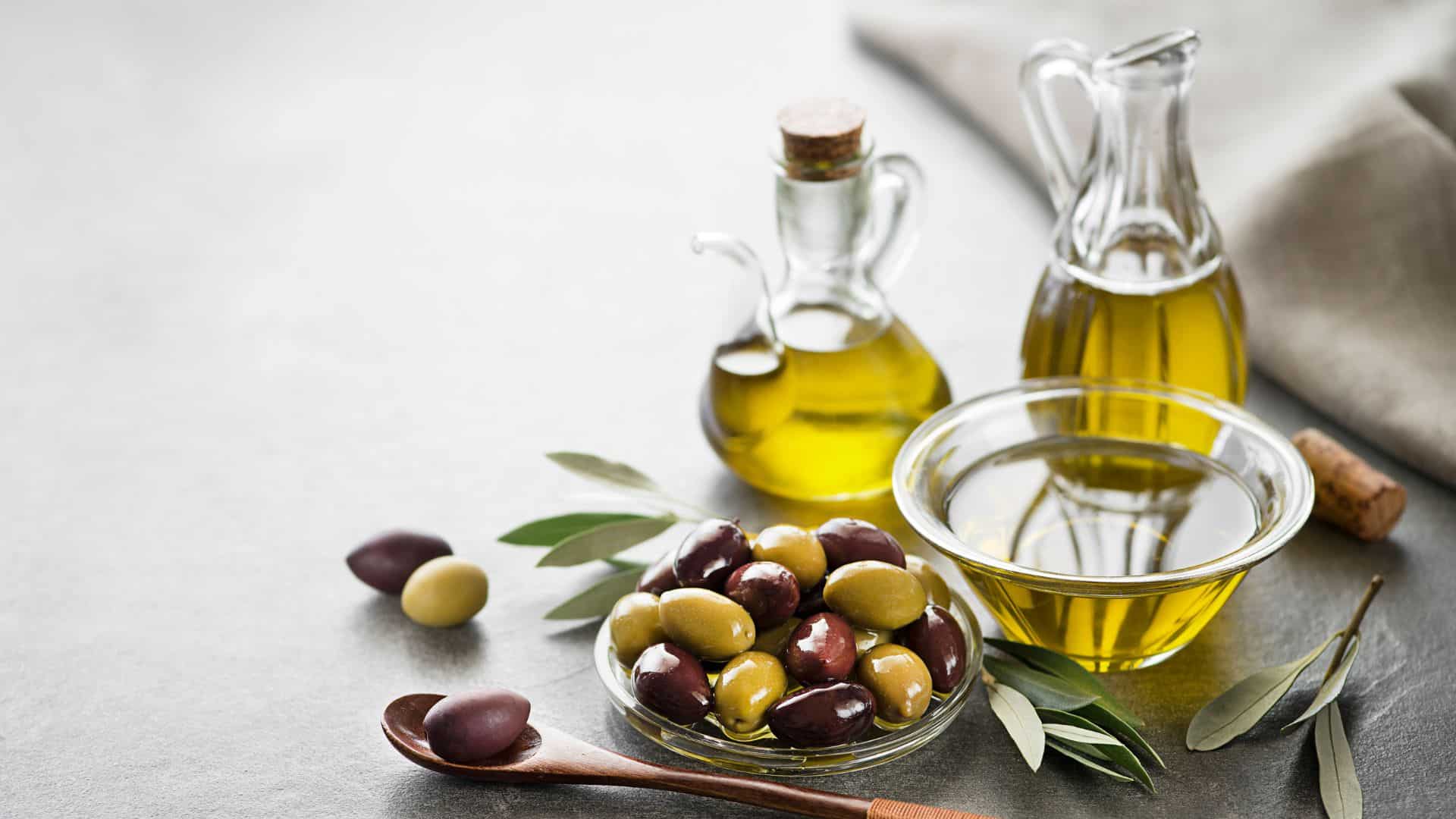
Refrigerating olive oil causes it to cloud and solidify. While this does not make the oil unsafe, it changes texture and complicates use. Repeated temperature shifts can also affect flavor.
Olive oil is best stored at room temperature, away from light and heat. Cold storage can introduce unnecessary quality issues.
Certain fruits
Fruits such as bananas, mangoes, pineapples, and avocados are sensitive to cold. Refrigeration disrupts their ripening process, which results in browning, reduced flavor, and texture issues.
These fruits should ripen at room temperature. Once fully ripe, some varieties can be kept in short-term refrigeration, but early cold storage often ruins them before they are ready to eat.

Eggs, in some contexts
In countries where eggs are not washed and retain their natural protective coating, refrigeration can increase condensation on the shell. That moisture allows bacteria to pass through pores more easily, and in those countries, eggs shouldn't be stored in the refrigerator.
In the United States, eggs are washed before sale, which removes the coating and makes refrigeration necessary. However, once refrigerated, eggs should not be left out. Temperature changes pose greater food safety risks than consistent storage.

Why refrigeration isn’t always protective
Refrigeration slows bacterial growth, but it does not stop chemical reactions, moisture, or structural damage. Many foods are stable at room temperature, and cold storage disrupts those natural defenses. In some cases, refrigeration creates problems that did not exist before.
Food storage is most effective when it aligns with the food's properties. Treating the refrigerator as a universal solution can lead to waste, disappointment, and, in some cases, health issues.
Understanding which foods belong in cold storage and which do not is a practical skill, not a trend. Adjustments to food storage can preserve quality, extend shelf life, and reduce unnecessary risk.
Leave a Reply