
Buying fish can be one of the most uncertain moments at a grocery store or market counter. Labels may promise freshness, but visual cues and handling often tell a more accurate story. For many people, the difference between a great seafood meal and a disappointing one is decided long before the fish reaches the pan. Chef Sergio offers a practical guide to assessing fish quality with simple checks that require no special equipment and little guesswork.
Sergio focuses on the fish's freshness. These tips work for professional chefs as well as for people who are cooking at home.
Why people rely on visual and tactile checks
Fresh fish rarely arrives with marketing language attached. People need to be able to evaluate quality quickly and confidently. According to Sergio, the most reliable indicators are those that can be seen, smelled, or felt immediately. These checks are not about perfection or appearance for display. They are about identifying signs of freshness and early spoilage before cooking begins.
This matters because fish is highly perishable. Visual cues reveal issues before odor becomes strong enough to be noticed from a distance. People learn to trust these signals because they provide a clearer picture of quality than sell-by dates alone.
The USDA also offers guidance on what to look for when selecting fresh and frozen seafood.
Eyes as an early indicator of freshness
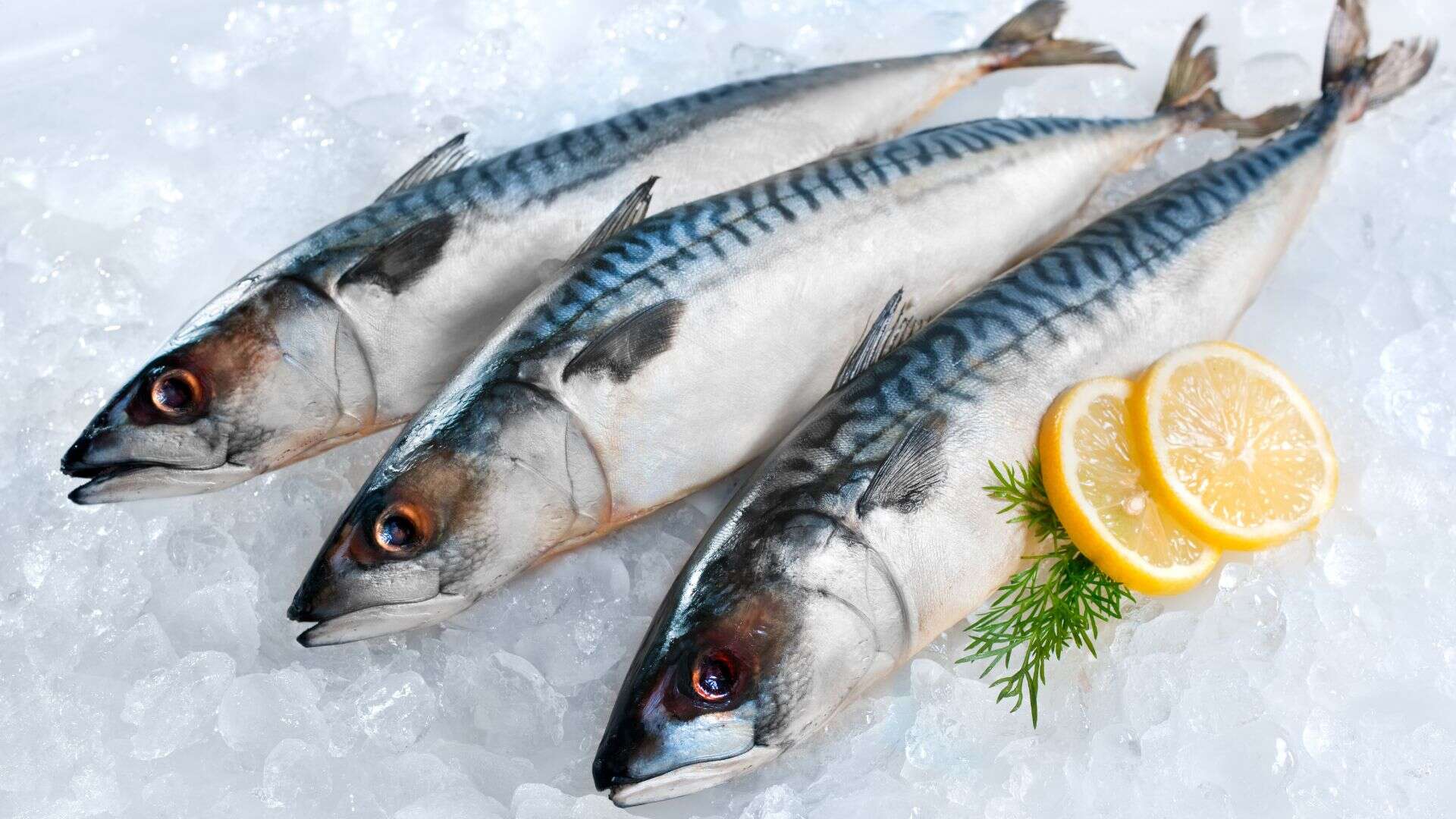
In fresh fish, the eyes appear clear and bright. Milky eyes are not a good sign, and any fish with those types of eyes shouldn't be purchased.
In markets where whole fish are displayed on ice, this cue is especially useful. Eyes are difficult to manipulate without affecting the rest of the fish, which makes them a reliable indicator.
Gills reveal storage conditions
Sergio points to gills as another key area to inspect. Fresh fish typically have pink or red gills, reflecting oxygenated blood and minimal oxidation. As fish age, the gills darken, turning brown or gray, which are two colors that you want to stay away from.
Gills provide insight not only into age but also into handling practices between catch and sale.
Smell should be clean, not sharp
Contrary to popular belief, fresh fish should not smell overpowering. Sergio emphasizes that a mild fish scent is normal, while sharp or ammonia-like odors are not.
If a fish smells off, don't debate or work around it. It needs to be rejected.

Firmness shows structural integrity
Texture is another central point in Sergio’s explanation. When held, a fresh fish should feel firm and structured. A drooping tail or limp body suggests that muscle fibers have weakened. This loss of firmness affects not only appearance but also how the fish will cook.
Pressing the flesh tells a clear story
Sergio demonstrates a simple press test by gently pushing on the fish’s flesh. Fresh fish springs back quickly, returning to its original shape. If the indentation remains, it indicates that the flesh has begun to break down and the fish is older.
This simple test requires no tools and works across all types of fish. The fish's flesh shows that freshness is measurable through direct interaction, not just observation from a distance.
Understanding natural slime versus spoilage
The presence of slime often makes people uneasy, but Sergio clarifies that the slime on the fish's surface is natural. Fresh fish produce a thin layer that helps protect against bacteria while alive. Problems arise when that slime becomes thick, sticky, or jelly-like.
Scales reflect handling and age
Finally, Sergio points to scales. In fresh fish, scales remain tightly attached to the skin. Loose or falling scales suggest rough handling or age. While scales alone do not determine quality, they contribute to the overall assessment.
Building confidence when adding more fresh fish to meals
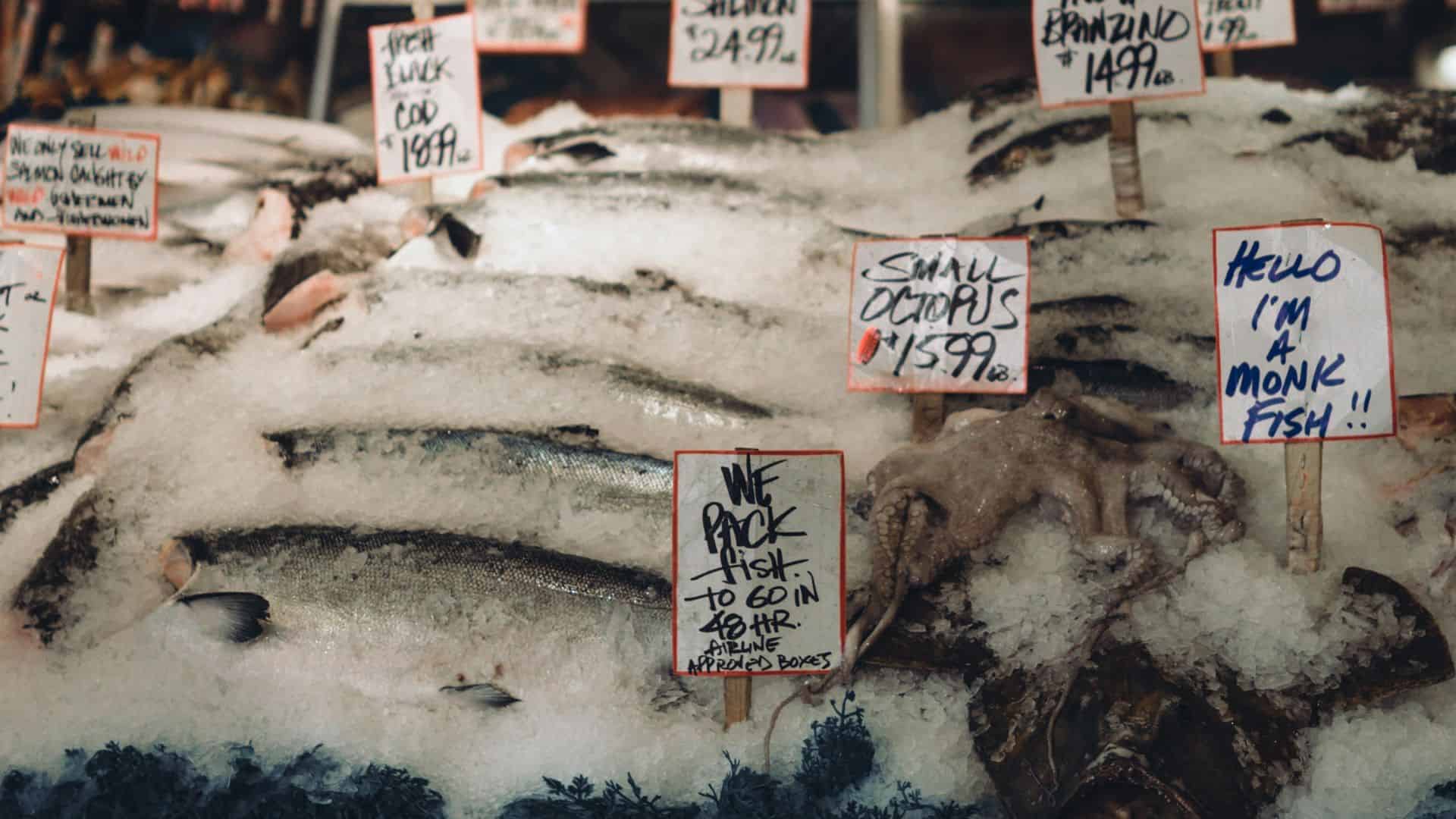
Eating more fresh fish often starts with reducing uncertainty at the point of purchase. Many people avoid the seafood counter because they are unsure how to judge quality or worry about waste. Learning a few tricks for checking freshness removes much of that hesitation and makes fish feel like a practical option rather than a risky one.
Fresh fish also benefits from simple preparation. When quality is high, seasoning can stay minimal and cooking times short. This lowers the barrier for weeknight meals and reduces the pressure to follow complex recipes. As familiarity increases, fish becomes easier to rotate into regular meals, guided by availability and freshness rather than habit or guesswork.
Good meals begin with informed choices. Applying these simple standards consistently means that people can buy fish with greater confidence and enjoy results that reflect the care taken long before dinner is served.
Leave a Reply