
Federal dietary guidance in the United States has shifted with the release of the 2025–2030 Dietary Guidelines for Americans. Health and Human Services Secretary Robert F. Kennedy Jr. wants to change how Americans view and eat food, returning to the roots of eating "real food" rather than processed foods loaded with sugar.
The updated guidelines and "upside-down" pyramid are intended to encourage Americans to adopt diets centered on whole foods and to avoid highly processed products. The changes aim to address high rates of obesity and chronic disease and to simplify federal nutrition messaging.
The structure of the new food pyramid
The traditional food pyramid was created in the 1990s, and it placed carbohydrate-rich foods like grains and cereals at its broadest base and fats and oils at its narrow top. The new dietary guidelines for Americans invert that shape. Instead of a wide base of grains and starches, the pyramid now prioritizes foods such as red meat, poultry, eggs, seafood, vegetables, fruits, and full-fat dairy, placing these nutrient-dense options at the top where higher consumption is encouraged.
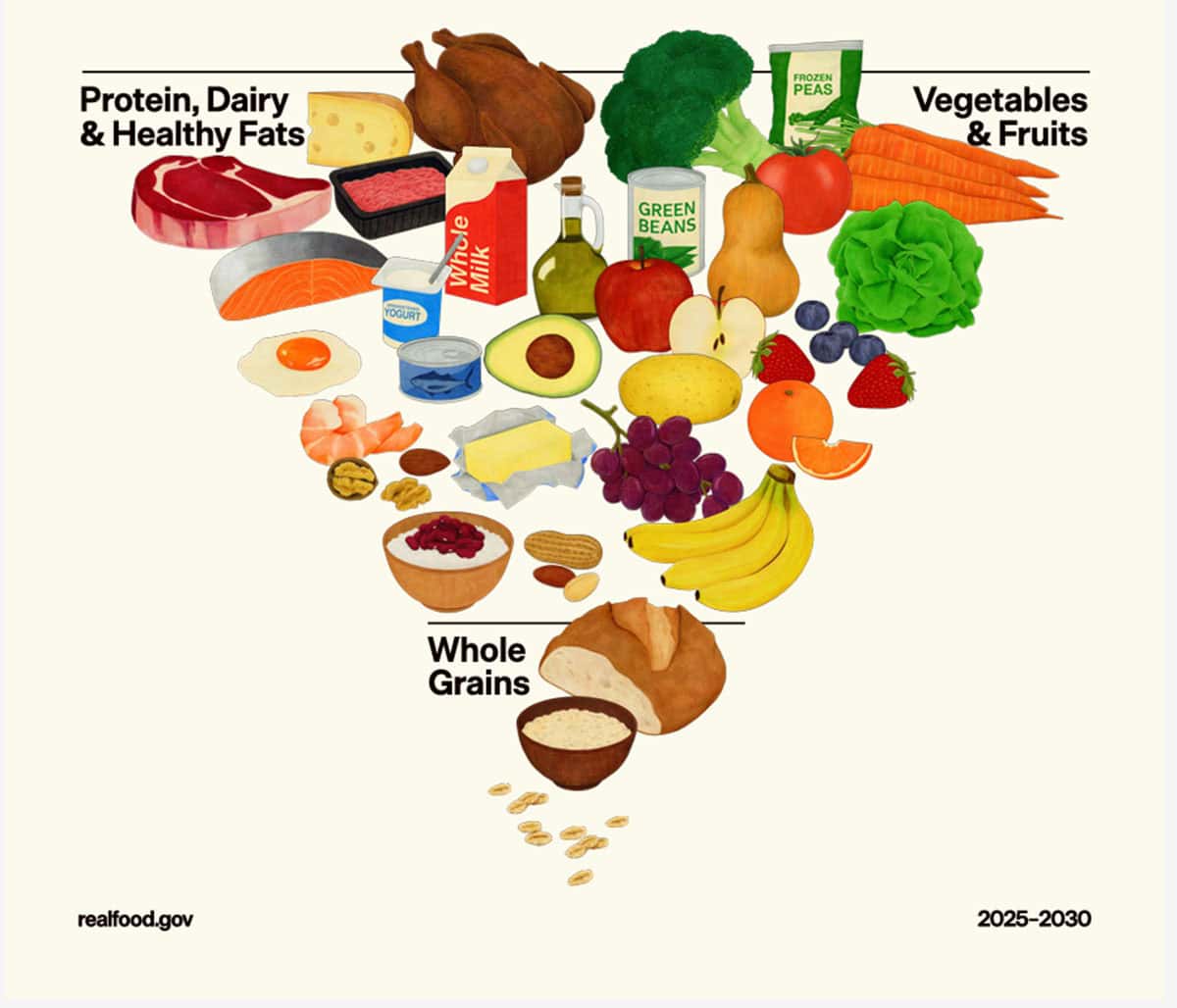
The visual guidance shows that Americans should make protein and healthy fats the foundation of their diets. Grains appear lower on the pyramid, with whole grains still recommended but not emphasized to the same extent as in past models. Highly processed foods, added sugars, and refined carbohydrates are not shown on the pyramid, but the information states that they should be limited or reduced.
Key recommendations in the guidelines
The current administration announced new guidelines to make America healthy again: eat real food. This includes a balance of protein, dairy, fruits, and vegetables. One of the biggest changes to the new guidance is the focus on dyes and artificial flavors. Americans are being urged to limit processed foods and avoid foods enhanced with food dyes.
High-quality protein
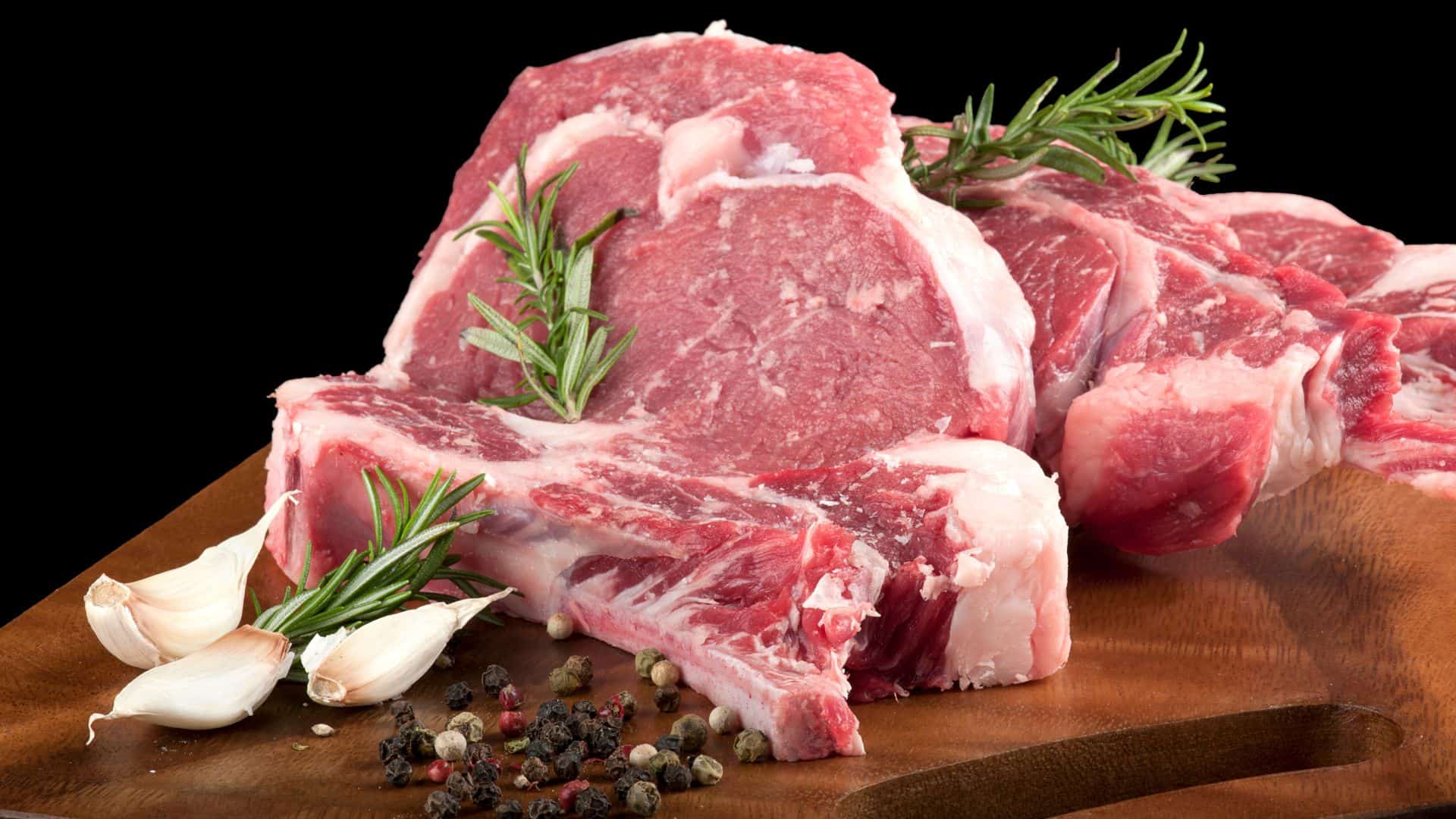
Protein should be prioritized at every meal. It includes red meat, eggs, poultry, seafood, nuts, and legumes. The guidelines recommend a daily protein intake of 1.2 to 1.6 grams per kilogram of body weight, which is higher than previous recommendations.
Full-fat dairy
Add more full-fat dairy as part of a healthy dietary pattern. Dairy serving goals are set at approximately 3 servings per day, with no added sugars. The guidance says that dairy products are excellent sources of protein, healthy fats, vitamins, and minerals.
Highly processed foods
Reduce highly processed foods and added sugars or eliminate them completely from diets. The guidelines encourage significant cuts in refined carbohydrates, sugary drinks, and products with added sodium, artificial flavors, dyes, or preservatives.

Dietary balance
The key to supporting overall dietary balance is adding vegetables, fruits, and whole grains. New guidance also recommends limiting alcohol consumption and monitoring sodium intake.
The new dietary guidance also provides information for children, pregnant and lactating women, and older adults.
Rationale behind the redesign
According to the CDC, more than 70 percent of American adults are overweight or obese. Diet-related chronic diseases have placed a growing burden on the health system. By refocusing guidance on nutrient-dense foods, the administration hopes to improve public health.
Kennedy characterized the inverted pyramid as a corrective measure to decades of misguided nutritional advice, particularly the long-standing emphasis on limiting fat and prioritizing carbohydrates. According to NPR, he stated, “We are ending the war on saturated fats”.
Public reactions
The change in the structure of the food pyramid has prompted varied reactions and opinions.
In the comment section under the video, one person said, "Make Whole Foods affordable!" A higher protein diet means paying more out of pocket for meat. Beef prices were more than 14% higher in 2025 than in 2024.
Another comment said, "Pressure companies to make food healthier, not pressure people to eat better; most people eat what companies make."
Critics have expressed concern about the new focus on red meat and full-fat dairy. The American Heart Association recommends keeping saturated fat intake below 6% of total calories. They caution that higher intake of red meat and saturated fats may increase the risk of cardiovascular disease.

Policy and practical implications
Changes in the guidance can influence food procurement and professional dietary counseling. Schools and other federally funded programs use the food pyramid as a basis for ensuring people get the best possible food, in accordance with guidance from the Department of Health & Human Services.
The inverted food pyramid represents one of the most significant changes to federal nutrition guidance in decades. The new guidelines mark a clear departure from earlier models that emphasized carbohydrates and low-fat foods. As federal programs begin to integrate the new guidance, its effects on public health messaging and eating habits will continue to unfold.
Leave a Reply