
A small charge on a receipt doesn’t usually spark a bigger debate, but this one did. After noticing a tip amount that didn’t match what they approved, this person took to Reddit to ask whether it was something to brush off or a line that should never be crossed. This sparked a conversation about trust, tipping etiquette, and how even a couple of dollars can affect people's feelings about eating out.
The story
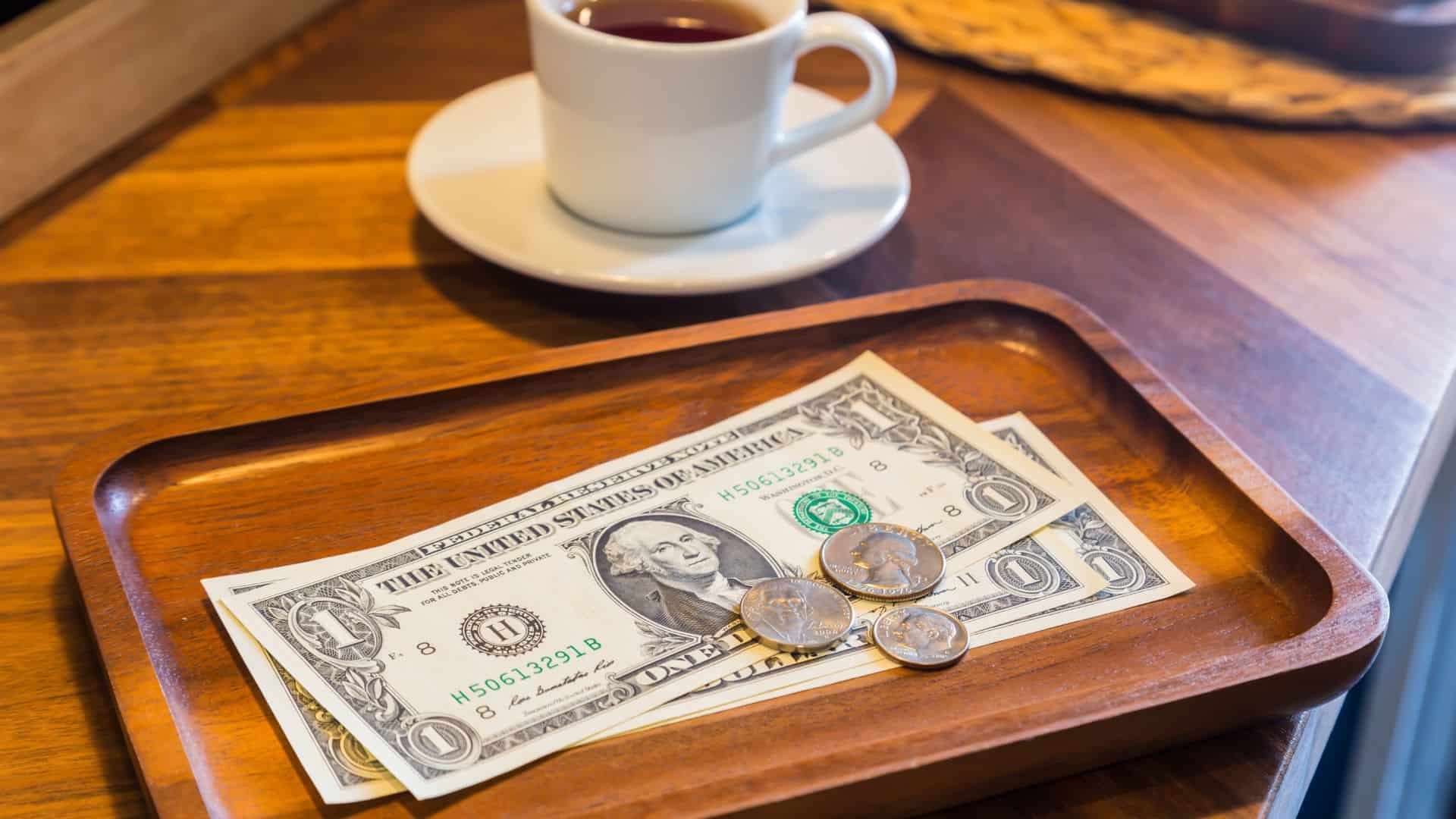
A Reddit user said a restaurant they visited added $2 to their tip. They went on to say that this was the first time it had happened to them, so they didn't know how to feel. They said they tipped $8 at the sushi restaurant, but it was rounded up to $10 when they checked their bank account. They felt that there was no way this could have been a mistake, as they were literally the only diners there that afternoon.
They were saddened; it had been a nice place to eat, but now they're considering never going back. They asked whether to be angry or let it slide. Tons of comments came pouring in.
The reactions
When it comes to tipping expectations, people have many opinions.
Someone in the industry said, "As a restaurant owner I would want to know. Sometimes people have bad handwriting, don’t fill in the tip just the adjusted total and did bad math, or some other acceptable misunderstanding. But I definitely would want to know if there were a pattern of behavior there."
This seems reasonable. A restaurant owner should be notified so that they can correct and educate if it truly was a mistake. If it wasn't a mistake and is a pattern, the owner should still know, so the person doing this doesn't continue to give their restaurant a bad name.

Plainly put. "Theft is theft." If this was done on purpose, it is theft. The person who dined there wanted to leave $8, and that is what they put. Having that changed by even a couple of dollars could have caused so many other issues, like an overdraft or more.
This comment brought up a good point. "Has the charge settled? Sometimes the authorized amount is different than the final."
It is important to wait for the charge to post. Some places charge an extra "holding" fee that is then refunded once the transaction is complete. This is common at gas stations and restaurants.
Another person said, "As an owner, I would automatically fire any employee that does this."
A few people on the thread agreed with this. If an employee is stealing money, they should be terminated immediately.
This person wrote, "Way more common than you'd think. Most people don't notice, and many of the ones that do notice don't care."
It's always shocking how many people pay for things and never check the balance or the total that is charged or taken out of their bank account.
A reminder on tipping etiquette
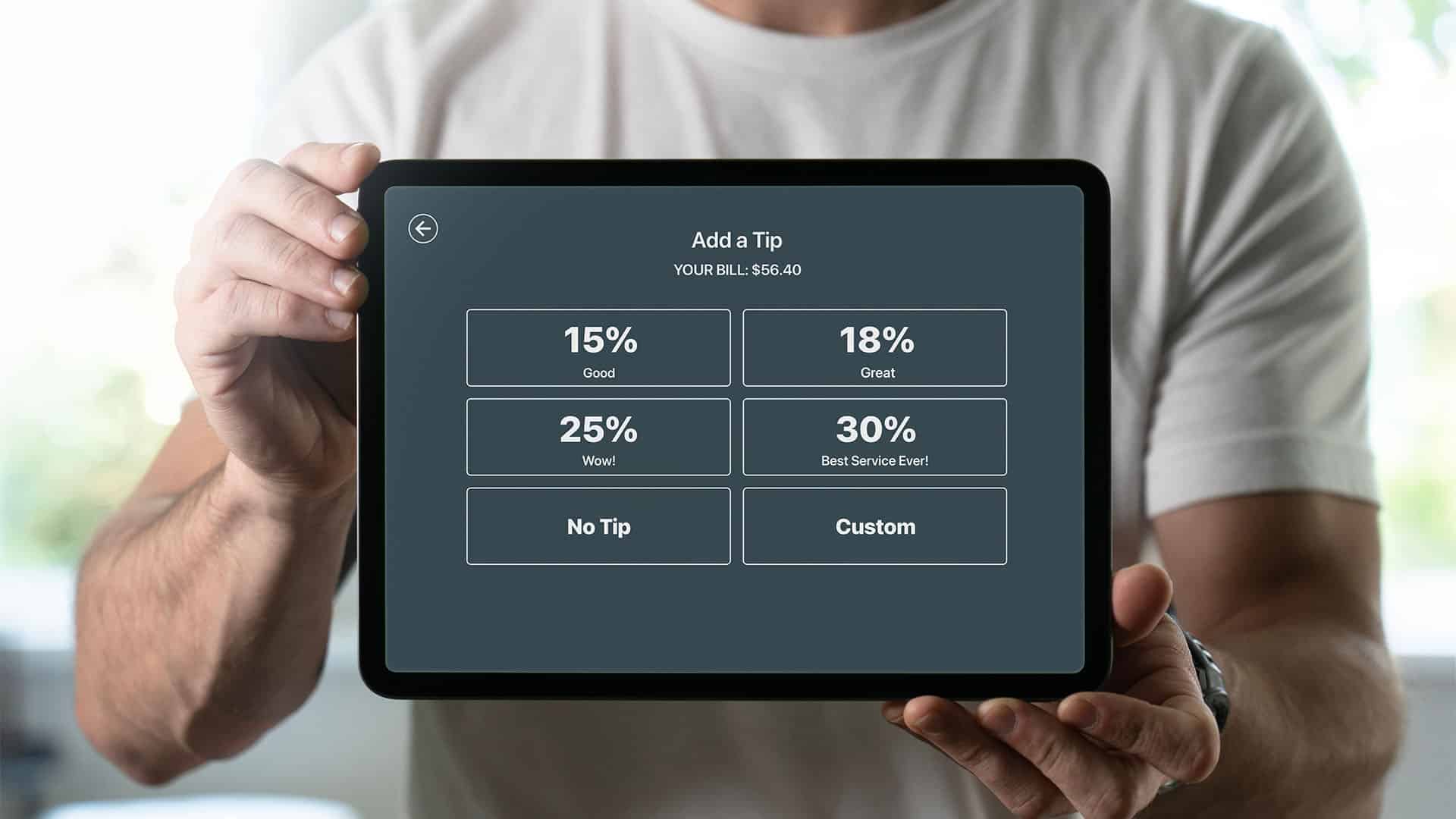
Tipping is a voluntary choice, not a flexible suggestion that can be adjusted after the fact. The amount on the receipt is final. Any changes made without the customer’s approval cross a line, regardless of the dollar amount.
To avoid confusion, it helps to write tips clearly and fill out both the tip line and the total line whenever possible. This reduces the risk of mathematical errors or misinterpretations and protects both the diner and the restaurant. Paying attention to your receipt before leaving can also prevent issues from escalating later.
If a tip amount doesn’t feel right to you, that’s okay. Tipping norms vary widely, and no one is obligated to round up or increase an amount they intentionally chose. Respect goes both ways, and honest tipping practices help keep that balance intact.
How to handle incorrect charges at a restaurant
If you notice a charge on your bill that doesn’t match what you approved, the first step is to slow down and verify the details. Check whether the transaction is still pending or fully posted. Temporary authorizations can look higher than the final amount and often correct themselves once the charge settles.
If the amount has been posted and is still incorrect, contact the restaurant directly. Speaking with a manager or owner gives them a chance to review the receipt and tip line and identify whether it was a mistake or something more serious.
When the restaurant cannot explain or resolve the discrepancy, disputing the charge with your bank or credit card provider is appropriate. Banks can investigate altered tip amounts and often reverse unauthorized charges. Keeping a photo of your receipt makes this process much easier.
Trust your comfort level. Even minor billing issues can change how safe people feel spending money at a business. Addressing the problem directly protects you and helps ensure fair practices, no matter if the issue was an honest error or an intentional one.
Leave a Reply