
As competition intensifies among beverage makers, flavor has once again become the frontline of innovation. Emerging trends offer a glimpse of where brands are placing their bets and what consumers will soon find on store shelves.
Shoppers are searching for novelty, comfort, and premium experiences in their beverages, and brands are responding with new flavors, according to the 2026 flavor forecast.
Flavors will continue to drive innovation in drinks, with brands shifting toward more immersive, sensory experiences that go beyond traditional beverages.
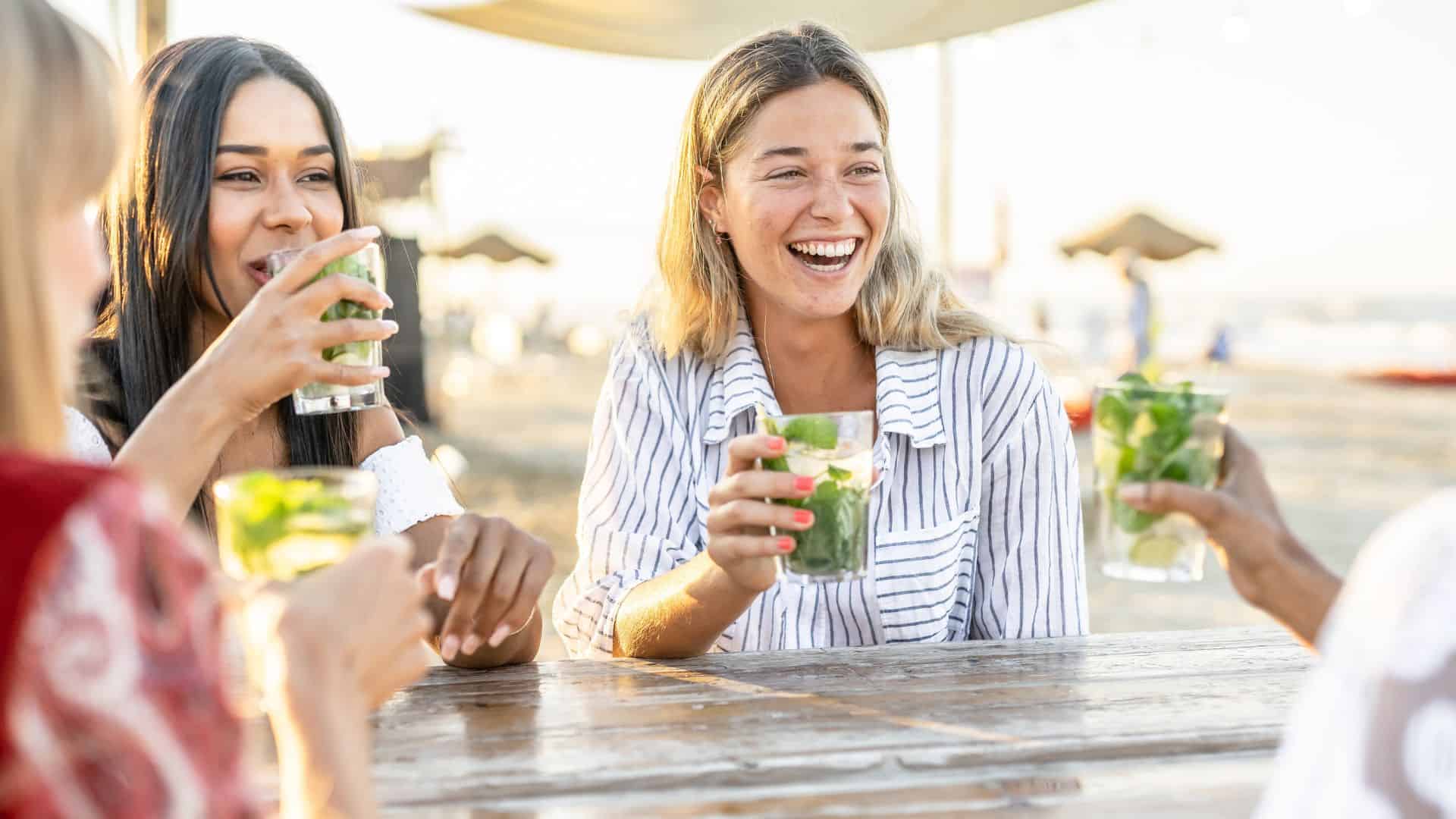
A market defined by flavor exploration
The report shows flavor is the primary driver of innovation in carbonated soft drinks, and brands use new profiles to stand out in a crowded market. Spicy and aromatic flavors continue as a mature.
At the same time, botanicals and dessert-inspired flavors are gaining momentum, signaling a move toward more sophisticated and nostalgic options. Together, these trends suggest that the next wave of soft drinks will lean heavily into layered, sensory-driven formulations that appeal to a broader and more adventurous audience.
Fruity flavors enter a new era
Fruit flavors are not new to the beverage industry, but the future forecast indicates they're evolving. Three types of fruity flavors are prevalent in the beverage world: berries, citrus, and tropical/exotic.
Berry and citrus flavors, such as blackcurrant, passion fruit, blackberry, and grapefruit, will dominate the market. Still, there is growing interest in exotic fruit flavors, such as mangosteen and dragon fruit.
Tropical flavors are on the rise
Tropical flavors are already being launched in Europe and Asia, while North America is starting a bit slower in the sector.
The report shows increased interest in tropical and less familiar fruits, including pineapple, dragon fruit, and mangosteen. These flavors have excellent visual appeal and a sense of discovery that consumers find exciting.
Pineapple is currently trending popular, and dragon fruit shows signs of becoming popular within the next 12-14 months. Mangosteen is another exotic fruit getting more attention, with a forecast of 24+ before peak popularity.
Some global launches from brands with exotic flavors include Olipop Pineapple Paradise, Bundaberg Apple & Lychee, and Evolution Pineapple Dragon Fruit.

Why exotic fruits matter
Exotic fruits create experiences that feel special, even in an everyday beverage. Their bright colors and unique aromatic profiles stand out on shelves and in social media, further fueling demand.
Dragon fruit is a social media dream. Consumers love its color. The bright pink skin and dalmatian flesh is a really popular aesthetic. The fruit also has antioxidant and hydrating benefits. Resonating with consumers who want flavorful but calorie-conscious refreshment.
Dessert-inspired drinks gain ground
One of the biggest shifts in the drinks landscape is the rise of dessert flavors. Consumers are looking for new ways to enjoy beverages without alcohol. This is becoming increasingly popular due to the sober-curious movement. Dessert drinks are great for parties, dinners, or social hours, while still delivering great flavor.
They add a whole layer of fun to the beverage industry that bottled water, soda, or other carbonated beverages can't mimic.
In the past five years, dessert-inspired carbonated soft drink launches in the United States grew by more than 170 percent. This shows that people like the pairing, which is why seven new dessert flavors have been introduced in the last 12 months to keep up with demand. (These flavors are brownie, cinnamon bun, donut, shortcake, yogurt, salt caramel, and sugar icing.)
Some global launches from brands with dessert flavors include Pepsi Gingerbread, Drink ID Dubai Chocolate Soda, and Spindrift Shortcake Vanilla Soda.
Nostalgic dessert flavors
Young adults and adults in the US who enjoy premium, gourmet experiences and are looking for unique, Instagrammable beverages. Ideal for dessert lovers and those seeking a multisensory treat.
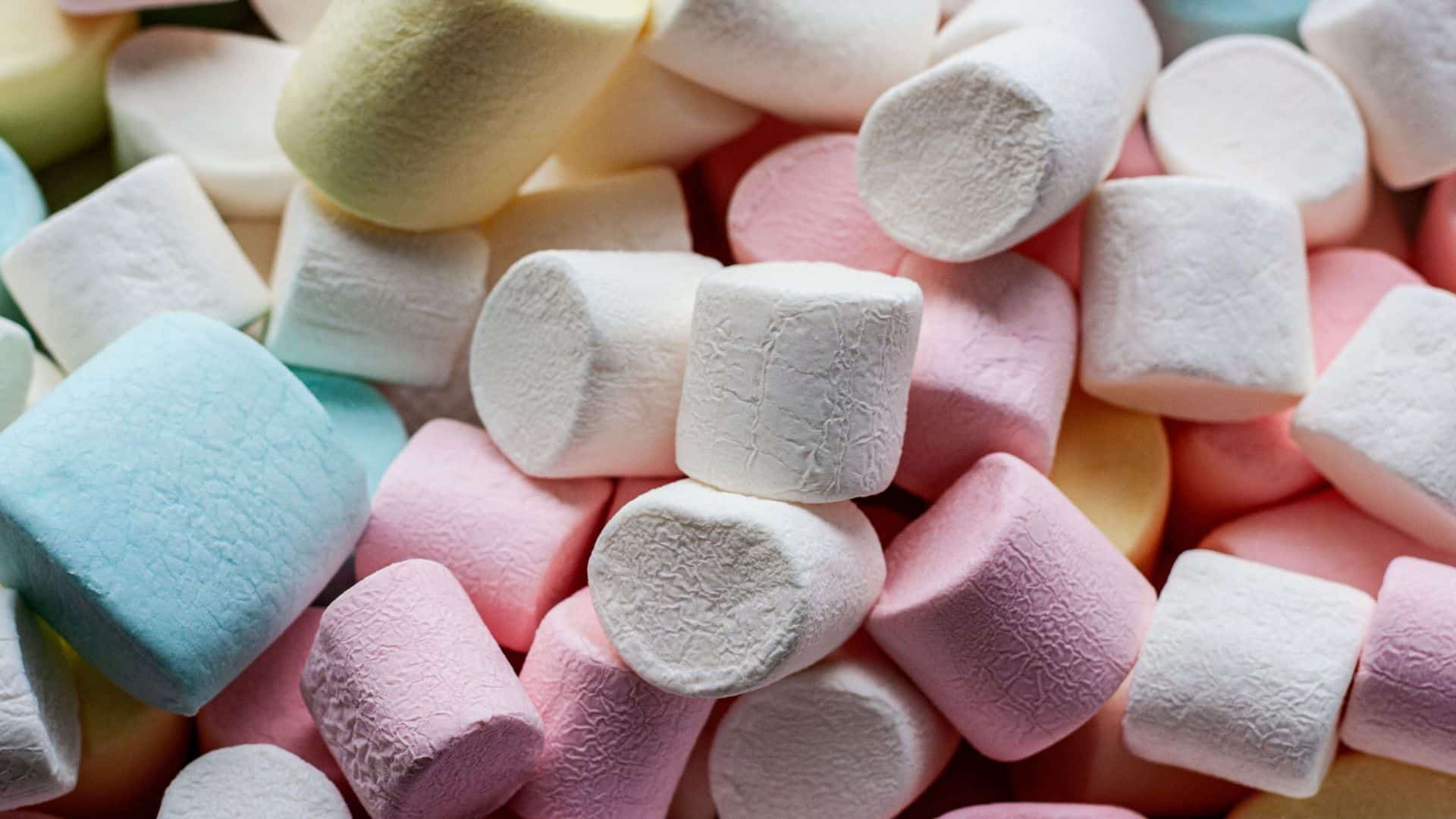
Dessert drink flavors linked to childhood memories are becoming increasingly popular. This includes marshmallows, salted caramel, or edible glitter. These flavors offer comfort, simplicity, and emotional connection at a time when many consumers are looking for familiar pleasures.
Indulgent sweet-rich flavors
Dessert flavors such as milk chocolate, Belgian chocolate, dulce de leche, and caramel flavors cater to consumers who want a decadent, treat-like beverage. These flavors blur the line between carbonated beverage and dessert, redefining what soda can be.
Creamy flavors
The drink forecast highlights a rising interest in creamy, velvety flavor profiles. Coconut cream, double cream, and butter-cream notes are appearing more often in carbonated soft drinks, creating smoother, richer sensory experiences that go beyond the traditional soda taste.
These creamy elements pair especially well with classic bases like cream soda, adding depth and indulgence.
Why are these trends emerging
Many consumers are adopting a moderation-focused approach to drinking, and they want non-alcoholic options that still feel like a treat. Dessert sodas let them enjoy indulgence without alcohol.
Exotic fruits pair with an interest in global cuisines and cultural discovery. These flavors help people experience unfamiliar tastes that feel expensive, premium, and adventurous.
Consumers want beverages that offer visual appeal, layered flavors, and fun textures. They're no longer just looking for sweetness or carbonation.

Opportunities for beverage brands
The drink predictions for 2026 point to several opportunities for beverage developers and marketers.
Innovate beyond basic fruit profiles
Traditional flavors like lemon or cherry will never go away, but the strongest growth projections are among global fruits and multi-dimensional blends. Brands that embrace niche fruits and unique combinations will resonate with younger audiences and become a force on social media and in the beverage industry.
Position drinks as treat experiences
The rise of dessert flavors shows that consumers want beverages to serve emotional roles, not just functional ones. Drinks that feel indulgent, nostalgic, or comforting appeal to consumers who want rewards without high sugar or alcohol.
Experiment with texture
Creamy flavors hint at new possibilities around mouthfeel. While beverages are liquid-based, innovations involving foam or layers are going to gain in popularity.
Seasonal and limited-edition releases
Many dessert-flavored drinks are prime for seasonal launches. Cinnamon bun for winter, shortcake for summer, and s’mores for late summer or fall are examples of how brands may time these flavors to consumer moods. That adds a whole other layer of appeal and seasonality.
What this means for the future of beverages
The 2026 drink flavor landscape shows a shift toward beverages that feel personal, sensory, and emotionally satisfying. I believe that consumers want more from their drinks than refreshment. They want experiences, comfort, indulgence, and fun. If beverage makers respond with creativity, quality, and strategic flavor choices, 2026 could mark a new era for soda and non-alcoholic beverages. One where taste, memory, and identity matter as much as fizz.
Research methodology
Mintel's platform retrieves all the relevant consumer posts in a category from TikTok, IG, Reddit, etc. In this example, 36+ million posts related to Non Alcoholic Beverages in the USA.
Mintel uses AI and data science to identify individual trending topics and behaviors, and to understand how they cluster and ladder up into category growth drivers.
The system updates each month to reflect changing consumer habits and category shifts.
About Mintel
Mintel is one of the world’s leading market intelligence agencies, known for its deep analysis of consumer behavior, product innovation, and category trends. Mintel helps brands understand how markets are evolving and where future growth opportunities lie. In this report, Mintel’s product and category insights complement Black Swan Data’s predictive analytics, creating a forward-looking view of how flavor trends will shape the next wave of non-alcoholic beverages.
Leave a Reply