
Holiday grocery shopping often turns out to be more expensive than expected, not just because of rising prices, but also because many shoppers give in to pretty packaging and impulse purchases that bust their holiday budget. Without a plan, it's easy to fill the cart with items that look festive but add little value to the holiday meal.
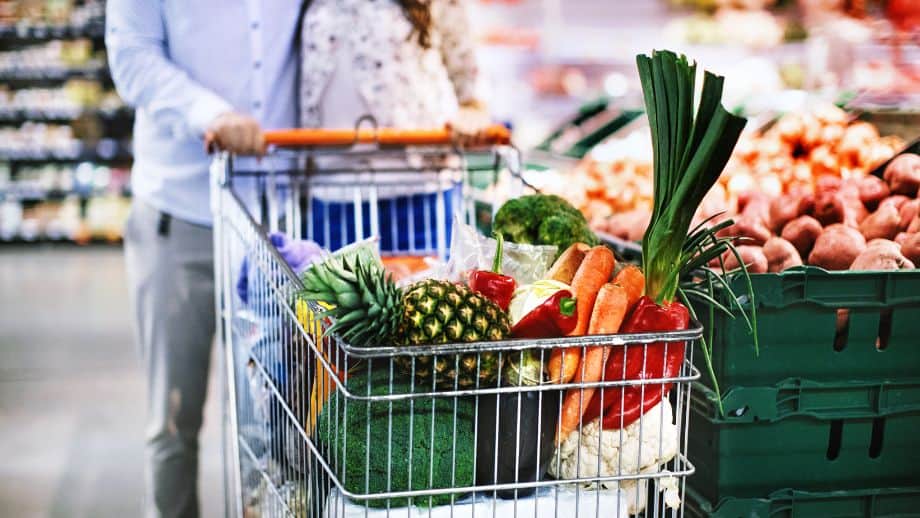
How holiday displays influence unplanned menus
The biggest mistake shoppers make during the Christmas season is allowing holiday displays and promotions to dictate their menus. Retailers design stores to increase seasonal spending, hoping shoppers fill their carts with trendy goods.
Seasonal decor, themed packaging, and eye-level displays are meant to capture attention. This causes shoppers to shift from their planned list (and surprisingly, some don't even have a list?!) to items that appear more festive or convenient. These substituted products are typically value-added items with higher per-unit costs, meaning they're simply more expensive.
Retailers will also use strategies to make products appear to be bargains, even when they are not. During the holidays, these displays are placed near store entrances and main aisles to grab attention quickly and hope shoppers react as they walk by.
Take inventory at home
Duplicate purchasing is one of the most overlooked contributors to overspending. Many shoppers fail to check their pantry, refrigerator, and freezer before buying Christmas staples like flour, spices, canned broths, and baking chocolate.
A simple inventory check prevents buying items already at home and reduces the risk of throwing away unopened or partially used products in January.

Seasonal snack aisles and the cost of small additions
Holiday snack aisles are no strangers to December. Novelty chocolates, flavored nuts, single-serve desserts, and trendy beverages can quickly inflate a grocery bill. Each item is festive and fun, and shoppers will grab and add to their carts without thinking. Many of these items are inflated by a large amount, leading to overspending in the final few minutes at the store.

Why shopping hungry matters even more in December
The National Institutes of Health stated that shopping while hungry increases impulsive buying and the purchase of indulgent foods. During the holidays, stores spread delicious aromas and offer product sampling, making overspending driven by hunger even more likely.
The difference in doing this in December is that the aisles are lined with high-priced seasonal goods, making that hunger impulse buying even more costly.
The importance of unit pricing
Holiday packaging does a great job at disguising smaller portions that cost more per ounce. Comparing unit prices helps shoppers determine whether those festive containers offer real value.
More and more stores are showing unit costs on labels to help shoppers understand the price per unit they're paying and figure out which food options are a good value.
Consider also store brands that almost always have lower unit pricing. During the holiday baking season, choosing store brands can lead to big savings without compromising meal quality.
The checkout zone spending trap
The cashier area was made to increase last-minute spending. Holiday gift cards, premium candies, stocking-stuffer snacks, and miniature baked goods are all positioned at eye level, easily within grasp while waiting to check out. Awareness is the best defense against these strategically placed temptations.
Pressure shopping and peak hour decisions
Many people shop for Christmas meals during peak hours, typically grabbing what is most accessible rather than what is most cost-effective. Shopping during off-peak hours, such as early mornings or weekday evenings, improves decision-making and allows for more careful comparison. You can take your time, shop at your own pace, and avoid feeling rushed.
Seasonal upcharges
Upgraded holiday packaging or limited-edition flavors can feel festive and fun, but often carry price increases. These items trigger emotional decision-making, a tendency that becomes pronounced during the holidays. Do your best not to buy something based on an emotional response. Take a breath, count to 10, and then ask yourself if it's needed or just something that you want.
Digital tools help with planning
Grocery store apps can help shoppers compare sales, load digital coupons, and create shopping lists before stepping into the store. Separating the process from the in-store experience limits the influence of displays and seasonal marketing. A shopping list is one of the most effective tools for preventing overspending, as long as you don't forget it at home. This is why a digital app is great: you'll always have it with you as long as you have your phone.
Final thoughts
Holiday promotions will always be part of the December shopping experience, but they do not have to dictate what ends up on the table. If you plan ahead, check what you already have at home, and stay aware of pricing tactics, you can navigate the season with fewer surprises at checkout. With a bit of preparation, the holidays remain festive, and the grocery bill stays under control.
Leave a Reply