
The Thanksgiving meal is over. Plates are stacked in the sink. The counters are full of carved turkey, mashed potatoes, and gravy. It's tempting to put it off, but waiting can lead to trouble. Bacteria grow fast in food left out too long. One mistake could send someone to bed with a stomachache or worse.
Food safety experts from the USDA stress the basics. Refrigerate leftovers within two hours of serving. If the room is warmer than 90 degrees, set it to 1 hour. Food left out longer than those times should be tossed in the trash.
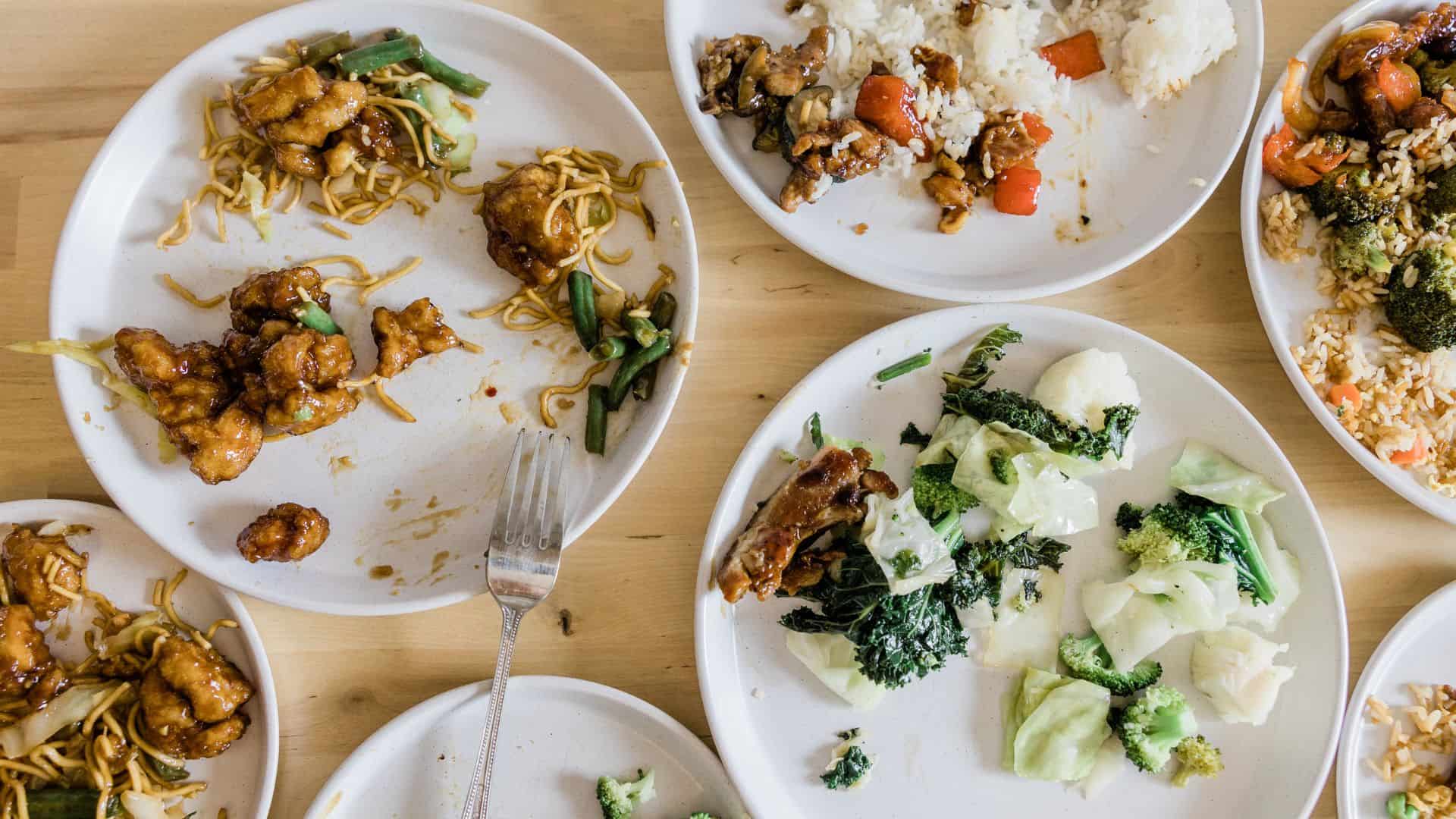
Getting educated about proper food storage and food safety matters. Each year, about 48 million people in the U.S. get sick from foodborne illness. Taking the proper steps to store leftovers can help keep people safe and healthy.
Cooked turkey
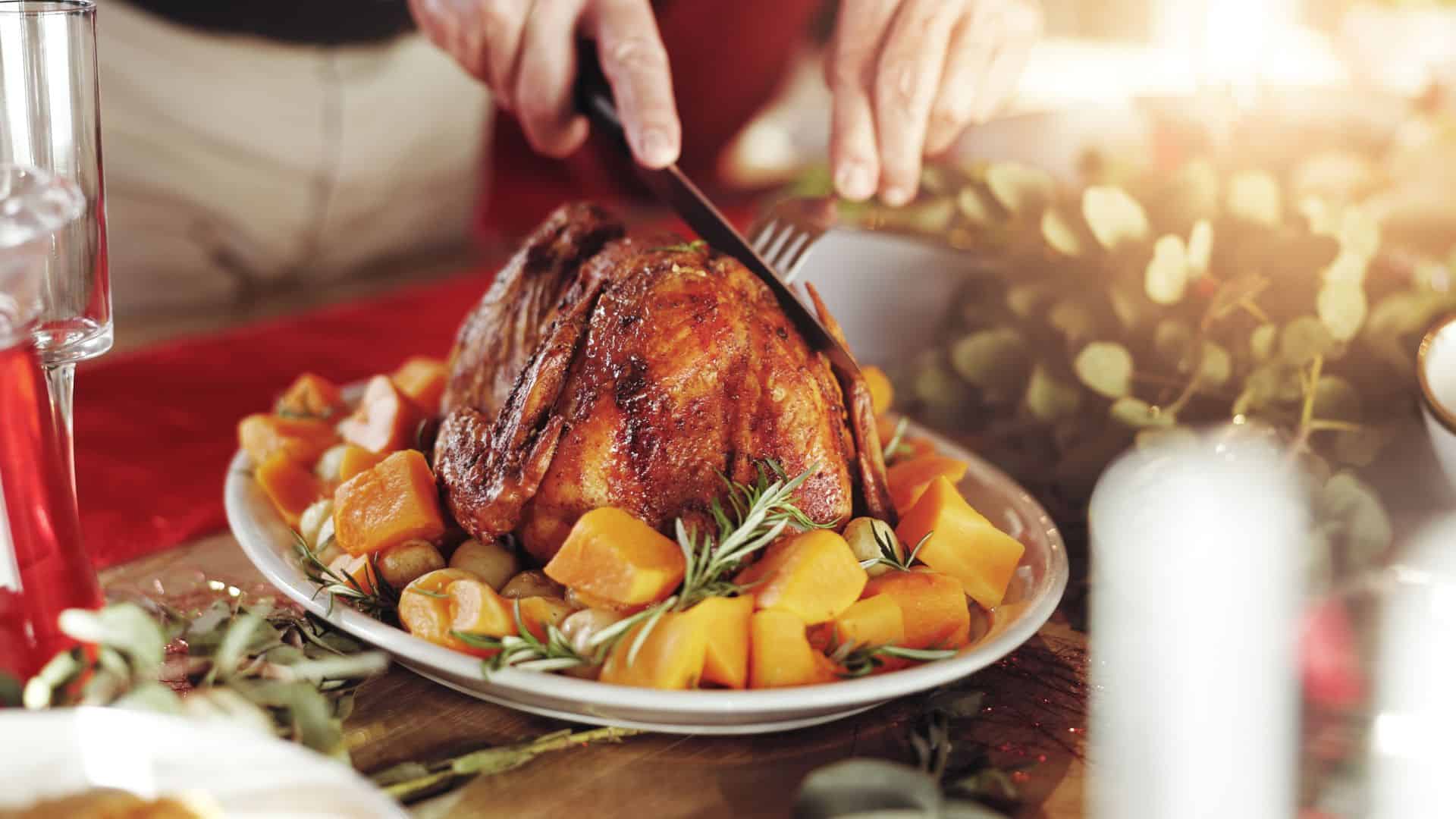
Turkey is the star of the Thanksgiving show, and likely there will be leftovers. After roasting, carve it into slices or chunks for easy storage. Store bones separately if you plan to make broth. Place meat in airtight containers or heavy-duty freezer bags. Try to remove as much air as possible to prevent freezer burn.
Cooked turkey lasts 3 to 4 days when refrigerated. Eat it cold in salads, or reheat to 165 degrees. For more extended storage, freeze it right away and use it within 2-6 months. To thaw frozen turkey, place it in the fridge overnight. Never thaw the meat at room temperature.
Stuffing
Whether it's inside the turkey or baked on the side, cool it fast for storage by dividing it into smaller storage containers. Keep the leftovers covered with a lid, aluminum foil, or plastic wrap.
Leftover stuffing should be eaten within 3-4 days, if refrigerated, but the sooner the better, as it will dry out the longer it sits. Before eating, check for sliminess or off smells. Reheat to 165 degrees in a covered pan and add a splash of broth to add moisture. Freezing stuffing extends the life to 1 month. When ready to eat, thaw it in the fridge, then crisp it up in the oven. Avoid microwaving large amounts, as this can make it soggy.
Mashed potatoes
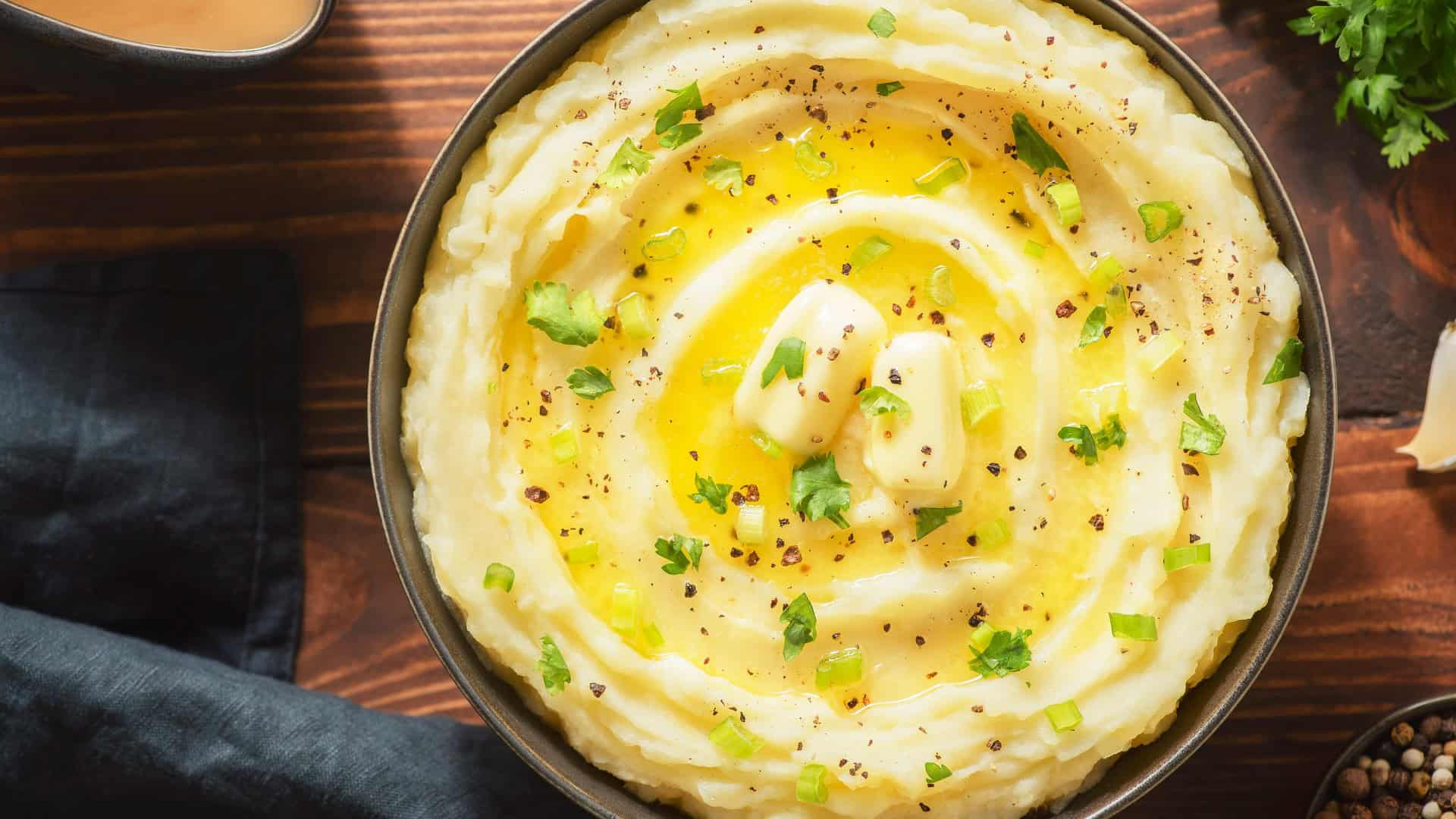
Creamy mashed potatoes are a crowd favorite, but there are always leftovers to enjoy. Add the leftovers to an airtight container and refrigerate for 2 to 3 days. Add milk when you reheat to restore moisture and creaminess.
Keep an eye out for mold, and pay attention to a sour taste when eating. This means that the mashed potatoes need to be tossed in the trash. One easy way to freeze mashed potatoes is to use a cookie scoop and freeze the scoops on a baking sheet. You can then bag the frozen scoop of potatoes. This prevents clumping. Frozen mashed potatoes last 1 to 2 months. Thaw them overnight in the fridge and stir well before serving. Some texture change is normal, and they will still taste delicious.
Gravy
There are many types of gravy, so you may or may not need to skim off excess fat before storing it. Ladle the gravy into a jar with a lid, leaving a little room in case it expands in the freezer.
Gravy can be stored safely in the refrigerator for three to four days. If not used within that time, you can freeze it for four to six months.
The easiest way to freeze it is to use ice cube trays for portions. Once solid, pop them into bags. Thaw the gravy in the fridge, then reheat to a rolling boil. If it is too thick for your liking, you can add a small amount of water to thin it. Homemade gravy lasts shorter than store-bought.
Cranberry sauce
No matter if you have jelly from a can or homemade relish, store any leftovers in a covered bowl or jar.
Homemade versions last up to 1 week in the fridge. The added sugar acts as a preservative. Before using again, be sure to check for separation or mold. Canned sauce can be stored a bit longer, but treat it the same. Freeze the cranberry sauce in small mounds on parchment paper, then add to a freezer-safe bag. They keep 1 to 2 months frozen. Thaw at room temperature for a few hours and then stir to blend.
Green bean casserole
Since casseroles serve more, leftovers are almost always a given. Cover the dish with foil and refrigerate it. Eat any leftovers within 3 to 4 days. Reheat in the oven, covered with foil to retain moisture.
Pay close attention while reheating, as the heat can cause the cream soup base to curdle if it is too high. If you are going to freeze leftovers, do so without the onion topping, as they will get soggy. Frozen green bean casserole should last 2-3 months in the freezer.
Move to the fridge to thaw, top with fresh onions, and bake. The texture may change a bit, but the flavor will be there.
Sweet potatoes
Leftover sweet potatoes can be stored in an airtight container in the fridge for 3 to 4 days. As they cool down, they'll develop a firm texture but soften when reheated.
You can freeze them in scoops using an ice cream scooper, then bag them in a freezer-safe bag. They should be fine for 10-12 months in the freezer. Once thawed, reheat slowly and stir often as the natural sugars can crystallize and cause a different texture.
Pies
Pumpkin pie and pecan pie leftovers need proper storage to stay fresh. Cover loosely with foil to prevent the tops from sticking to it.
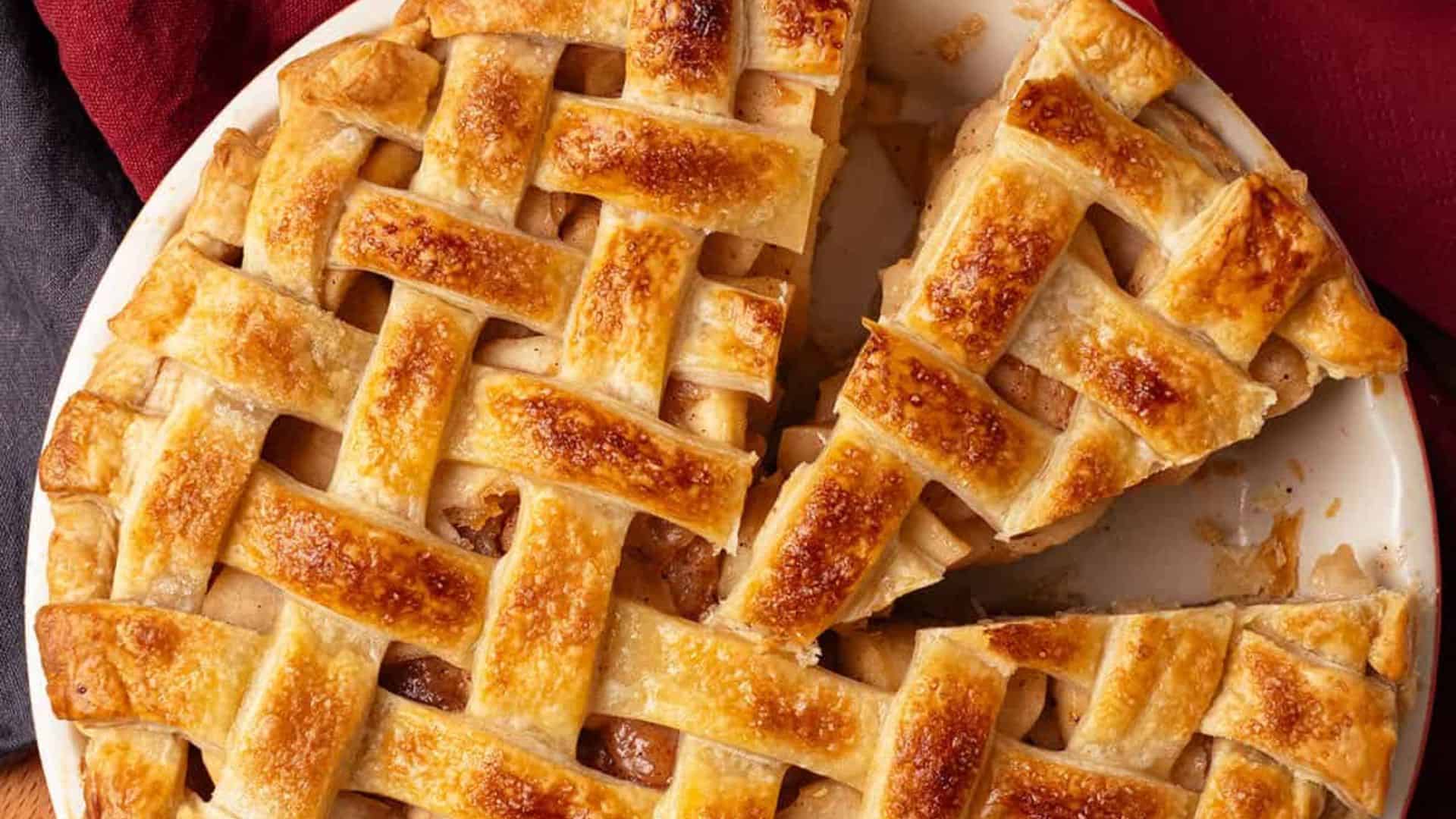
Pumpkin pie lasts 3 to 4 days in the fridge. Loosely covering helps keep the pie crust crispier. Apple pie can be eaten within 1 to 2 days at room temperature or for a few more days in the fridge.
Freeze the pies whole or in slices, wrapped well. You can store these pies in the freezer for 2 to 3 months. Thaw them in the fridge once ready to eat.
Rolls and bread
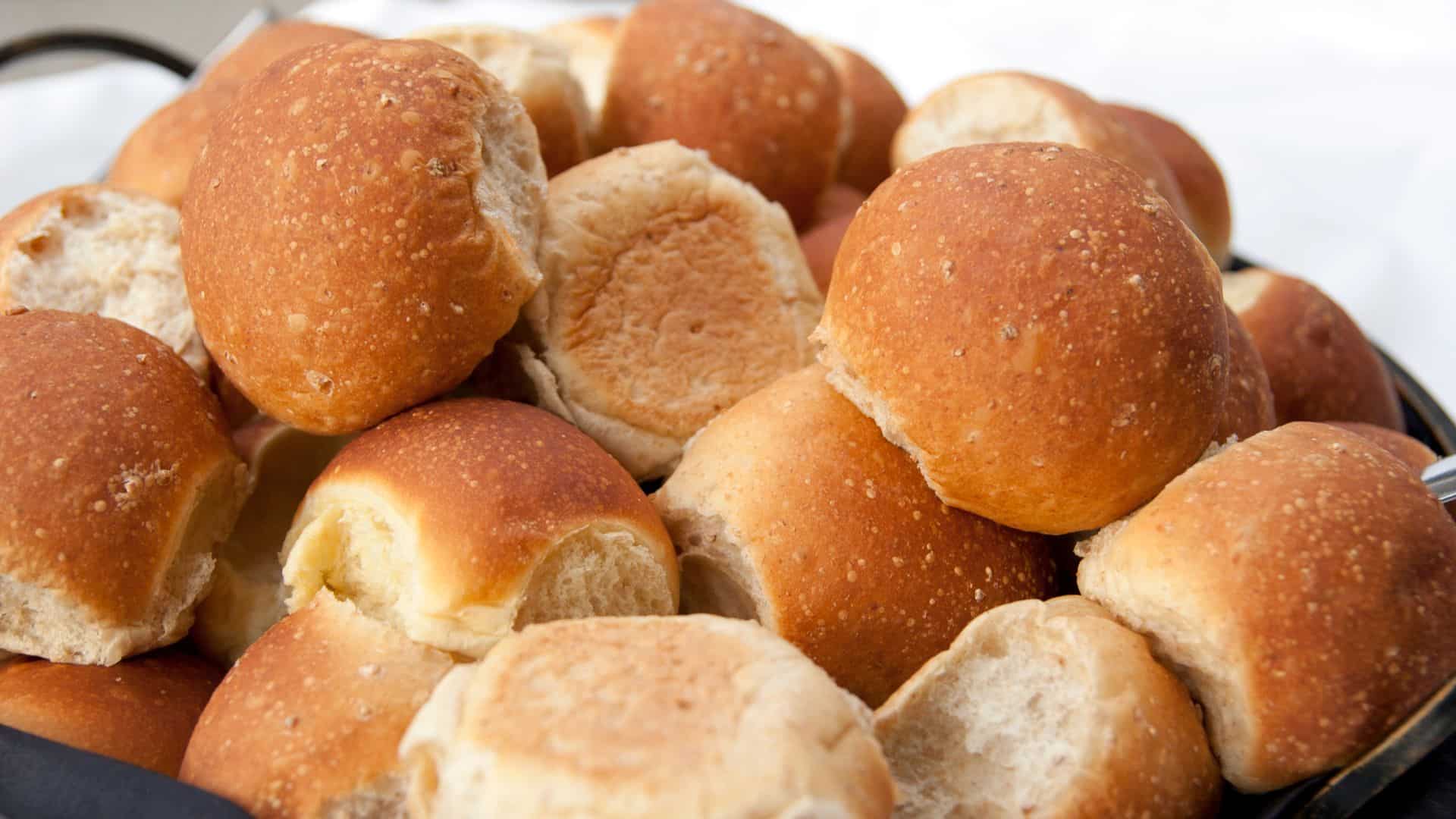
The best way to store leftover bread or rolls is to wrap them in foil or plastic. They should stay fresh for 1 to 2 days at room temperature, but storing them in the fridge extends that to 4 to 5 days.
The cold of the fridge will cause them to harden quickly, so you can toast or warm them before eating. Freeze the bread in bags for 2-3 months of storage.
The takeaway
These guidelines apply to most homes, but factors like fridge crowding or power outages change things. If the power does go out, food stays safe in a packed fridge for 4 hours with the door closed. Always smell and inspect food before eating, and discard any food with mold, an unusual color, or odor.
Thanksgiving leftovers can stretch the joy of the meal and the fun of the holiday season. Store them properly, and they can keep you fed for days. Freezing these leftover items is a great way to save money and reduce waste. Come January, a taste of turkey might brighten a cold day. Just remember that safe eating starts with proper storage. Your family will thank you.
Leave a Reply