
Gordon Ramsay never backs down when it comes to food trends. In a recent interview with The Times, the British chef dismissed the growing talk of “Ozempic-friendly” or “Mounjaro-sized” menus that serve smaller portions to match reduced appetites among users of weight-loss drugs. He shared that there is no way he’d give in to the Mounjaro jab. He also pointed out that it’s the diners’ fault for eating too much in the first place.
Ramsay dismisses smaller menus
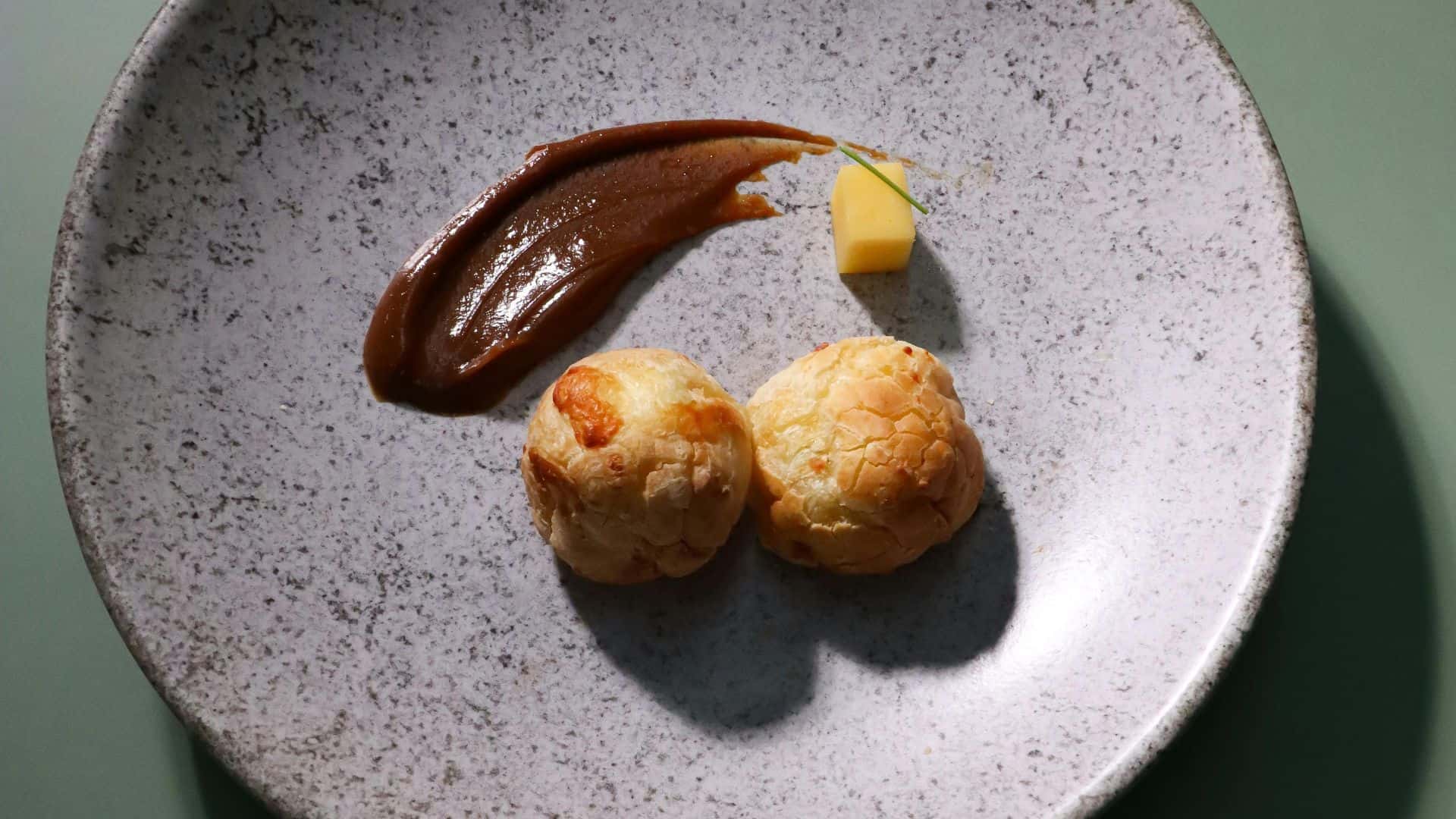
Ramsay was recently asked about diners adapting to taking weight-loss injections. For example, Heston Blumenthal recently launched a reduced-portion “mindful experience” menu at the Fat Duck; "A journey into the culinary creativity and Wonka-like wonderment of Hestonland, but with a slightly different focus – a scaled-back version of each dish that gives you the opportunity to explore especially mindfully, slowly savouring every mouthful, taking the time to detect flavours, textures, aromas."
Ramsay dismissed the idea, saying there’s no chance his restaurants would offer an Ozempic-friendly tasting menu. “Eat less in the first place,” he told the paper, emphasizing that industry trends should not change because of individuals’ choices.
The comments fit the chef’s long-standing reputation for demanding standards and consistency. Ramsay said his focus remains on quality and execution, not catering to any such trends. “You need to adapt and you need to be personable,” he said.
The Ozempic trend and its impact on dining

The rise of weight-loss injections such as Ozempic and Mounjaro has started to influence eating habits and restaurant behavior across the country. The drugs have now become a lifestyle trend. Smaller appetites and reduced food orders are being noticed in many restaurants, with some chefs quietly adjusting portion sizes or streamlining menus to minimize waste.
For restaurant owners already facing higher food costs, this shift poses both a challenge and an opportunity, a chance to rethink portion sizes without sacrificing quality or presentation. In that sense, the “Ozempic effect” goes beyond medicine. It reflects how ideas about moderation are reshaping dining culture. While some chefs see it as a prompt to encourage mindfulness, Ramsay views it as unnecessary interference with the craft of cooking. To him, portion control belongs to diners, not to the menu.
Portion culture in America
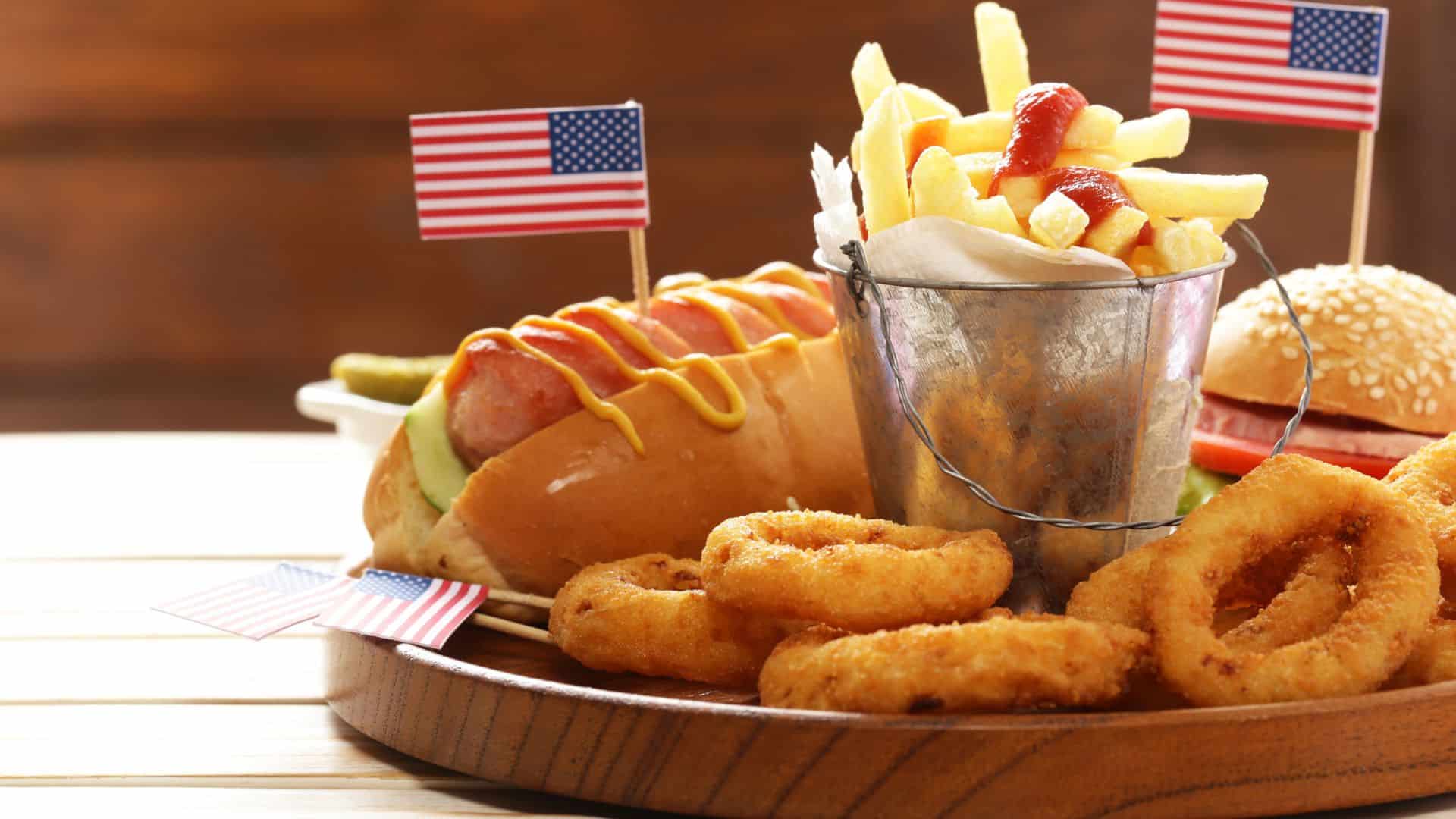
Portion sizes have been a long-standing issue in the United States. A study by the U.S. Department of Agriculture (2024) found that serving larger portions leads people to eat more overall, while smaller, pre-portioned servings naturally curb intake. The same report noted that restaurant meals across the country remain far bigger than recommended serving sizes.
For people visiting from abroad, the size of American meals often comes as a surprise. In much of Europe and Asia, portions are smaller but satisfying. So the idea of smaller portions isn’t a new trend elsewhere.
While Ramsay rejects tailoring menus to weight-loss trends, the notion of smaller servings isn’t entirely unreasonable. In fact, it aligns with public health advice Americans have heard for years. The difference is in who decides. Ramsay argues that chefs shouldn’t redesign fine dining to address an issue rooted in consumer behavior.
Smaller portions as an opportunity

There’s another way to view the debate. Regardless of weight-loss drugs, if restaurants naturally begin offering smaller portions, it could bring positive results. The USDA’s Dietary Guidelines for Americans 2020–2025 emphasize portion awareness and nutrient-dense foods. Aligning with that guidance could help restaurants reduce waste and cost while promoting healthier eating patterns.
Smaller portions also make sense economically. Rising food prices and labor costs have forced many restaurants to rethink value. Serving less food at the same quality can help manage margins without compromising standards. In that respect, “mindful” menus could be focused more on sustainability.
From Ramsay’s perspective, a chef’s job is to craft balanced dishes, not chase pharmaceutical trends. His argument explains a traditional culinary principle: the menu sets the experience; diners set their own limits.
The discipline behind modern eating habits
In the Times interview, Ramsay linked the issue of eating discipline to his own career. He described competing in triathlons and maintaining a rigorous routine to balance physical demands with professional pressure. “You can get sucked in, it gets too much, and it destroys you,” he said. “I have to find time and space to balance out and recalibrate.”

That same philosophy underlies his view on food. The restaurant industry, he suggests, already faces enough challenges, rising costs, staff turnover, and post-pandemic recovery, without rebranding itself around weight-loss drugs.
Still, his comments tap into a cultural conversation that isn’t going away. Americans eat out frequently, often with portions that exceed health experts' recommendations. Even without Ozempic, the push toward moderation is growing. Ramsay’s response, unfiltered and unapologetic, reminds diners that restraint begins at the table, not in the kitchen.
While smaller servings may eventually become common for economic and health reasons, he insists they should come from thoughtful cooking, not from the influence of a medical trend.
Leave a Reply