
Homemade pizza can be one of the most satisfying things to make when it turns out right. With the perfect crust, balanced toppings, and just the right bake, it easily beats delivery. But getting there takes more than just good ingredients. Small mistakes in the dough, sauce, or baking method can result in a disappointing outcome. The good news? Most of these slip-ups are easy to fix once you know what to look out for.
Note: The content of this article does not reflect the Writer's personal beliefs.
Not using high-quality and high-protein flour
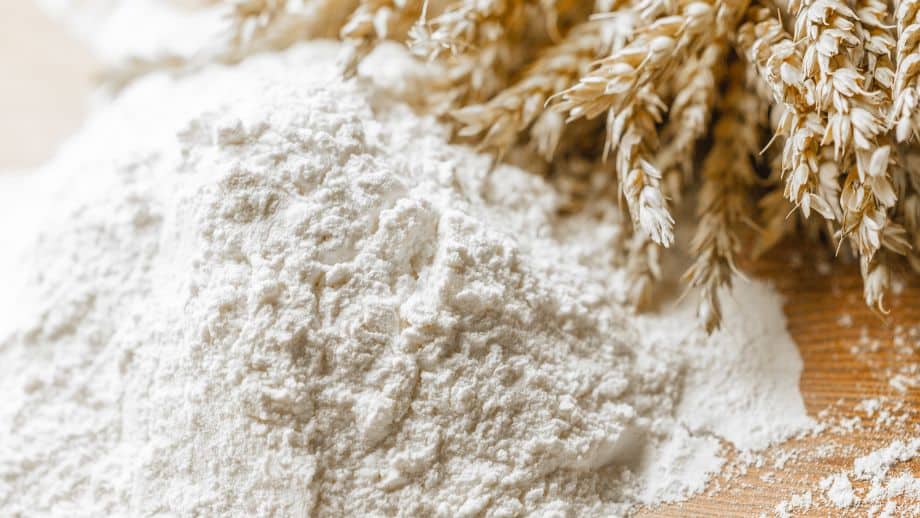
Using low-quality flour can result in a sad and flat pizza dough, lacking the perfect chewiness and flavor. High-protein, so-called bread flour gives your pizza that texture we all crave!
Skimping on high-quality flour is like wearing flip-flops to a fancy party; it just doesn't work! You need the good stuff to give your pizza that perfect texture and flavor.
Not using enough or using too much yeast
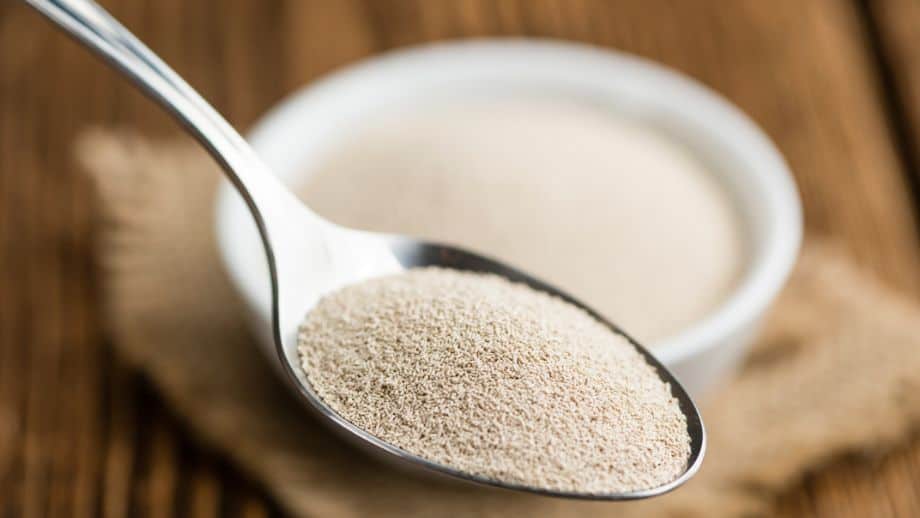
Yeast is like the tiny wizard that makes your dough rise and come to life. Use too little yeast and your pizza will be flatter than a pancake. If you have too much yeast, your pizza will puff up like an overinflated balloon.
Getting the amount of yeast right is key to great pizza dough. Too little and your crust may turn out flat and dense. Too much and it can rise too quickly and collapse. The right balance gives your crust a beautiful rise with an ideal combination of lightness and chewiness.
Rolling or stretching the dough too thin or too thick

Rolling or stretching your dough too thin can result in a crust that resembles a cracker more than a pizza. If it’s too thick, you might end up with something closer to a loaf of bread. The key is finding the right thickness so your crust bakes up crispy on the outside and soft and tender on the inside. A well-balanced dough gives you the perfect bite every time.
Using ketchup instead of homemade tomato sauce

One of the biggest mistakes is using ketchup instead of real tomato sauce. Ketchup has a completely different flavor profile that doesn’t work well with pizza. It’s too sweet and lacks the depth and freshness that a proper tomato sauce provides. A good sauce brings balance to the crust, cheese, and toppings, making every bite taste like true homemade pizza.
Overloading with toppings

Adding too many toppings can make your pizza heavy and unbalanced. When overloaded, the crust may not bake properly and can turn soggy, while the flavors compete instead of coming together. A better approach is to use a few well-matched ingredients that enhance each other. This lets the crust stay crisp and gives each topping a chance to shine, resulting in a more enjoyable and flavorful pizza.
Putting a pineapple on top

Pineapple on pizza is one of the most debated choices out there. While some enjoy the sweet and savory contrast, others stick to more traditional toppings. Classic Italian-style pizzas do not include pineapple, so it’s definitely a modern twist. If you like experimenting with flavor, it can be a fun option, but it’s not for everyone. Ultimately, the best pizza is the one that tastes right to you.
Neglecting to preheat the oven

Preheating the oven is an essential step when making pizza. The oven needs to be really hot to create a crisp crust and evenly cooked toppings, just like in a pizzeria. Skipping this step can lead to undercooked dough and a soggy texture that takes away from the final result. Give your oven enough time to reach the right temperature, and your pizza will bake with a golden, crisp base and perfect texture.
Not using a pizza stone
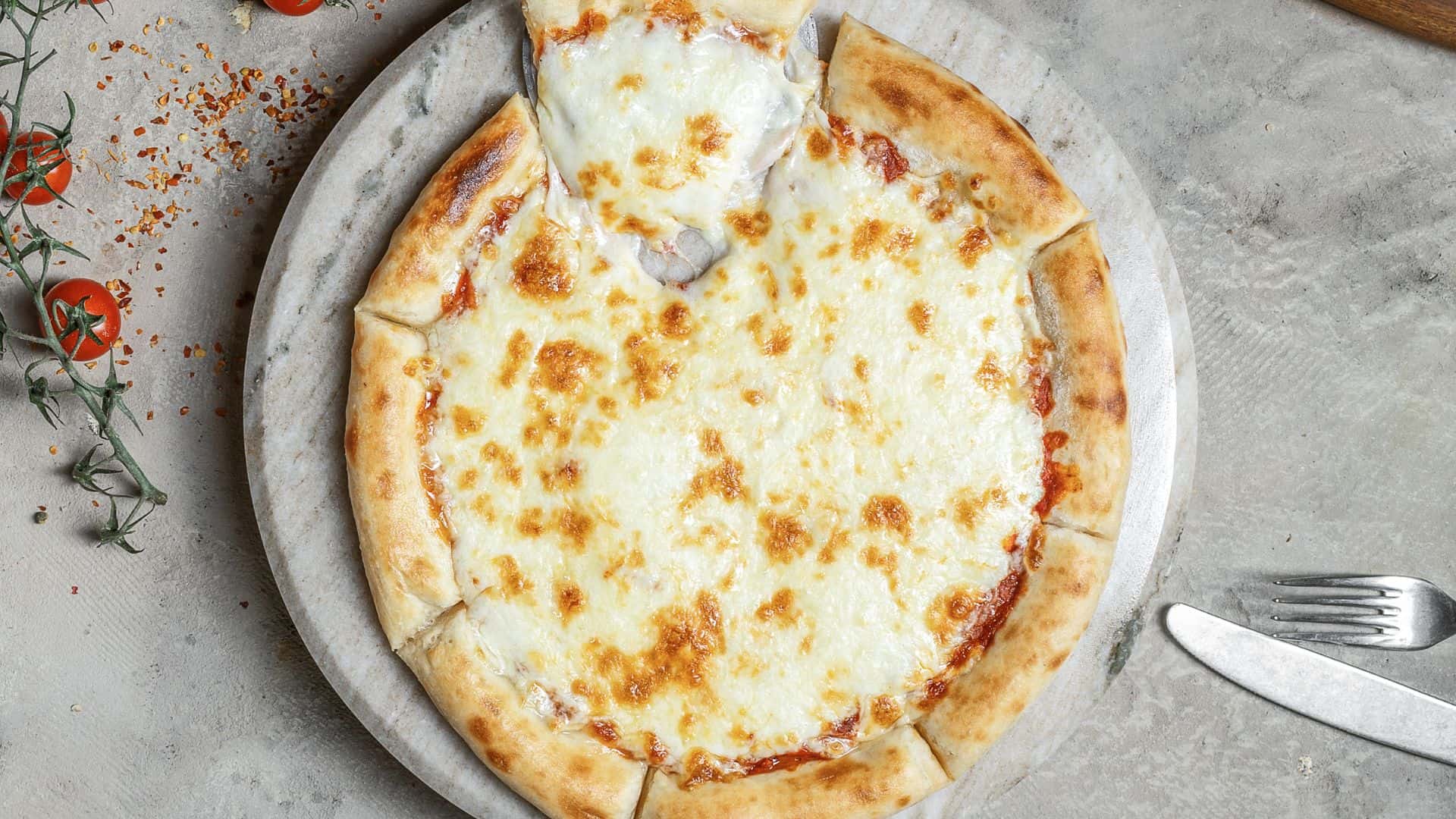
Using a baking sheet might work in a pinch, but it won’t give you the same results as a pizza stone. A pizza stone absorbs and distributes heat evenly, helping the crust cook faster and become crisp on the bottom. It also mimics the high-heat surface of a traditional pizza oven. Investing in a good pizza stone can take your homemade pizza to the next level and deliver a more authentic, professional result.
Overbaking or underbaking
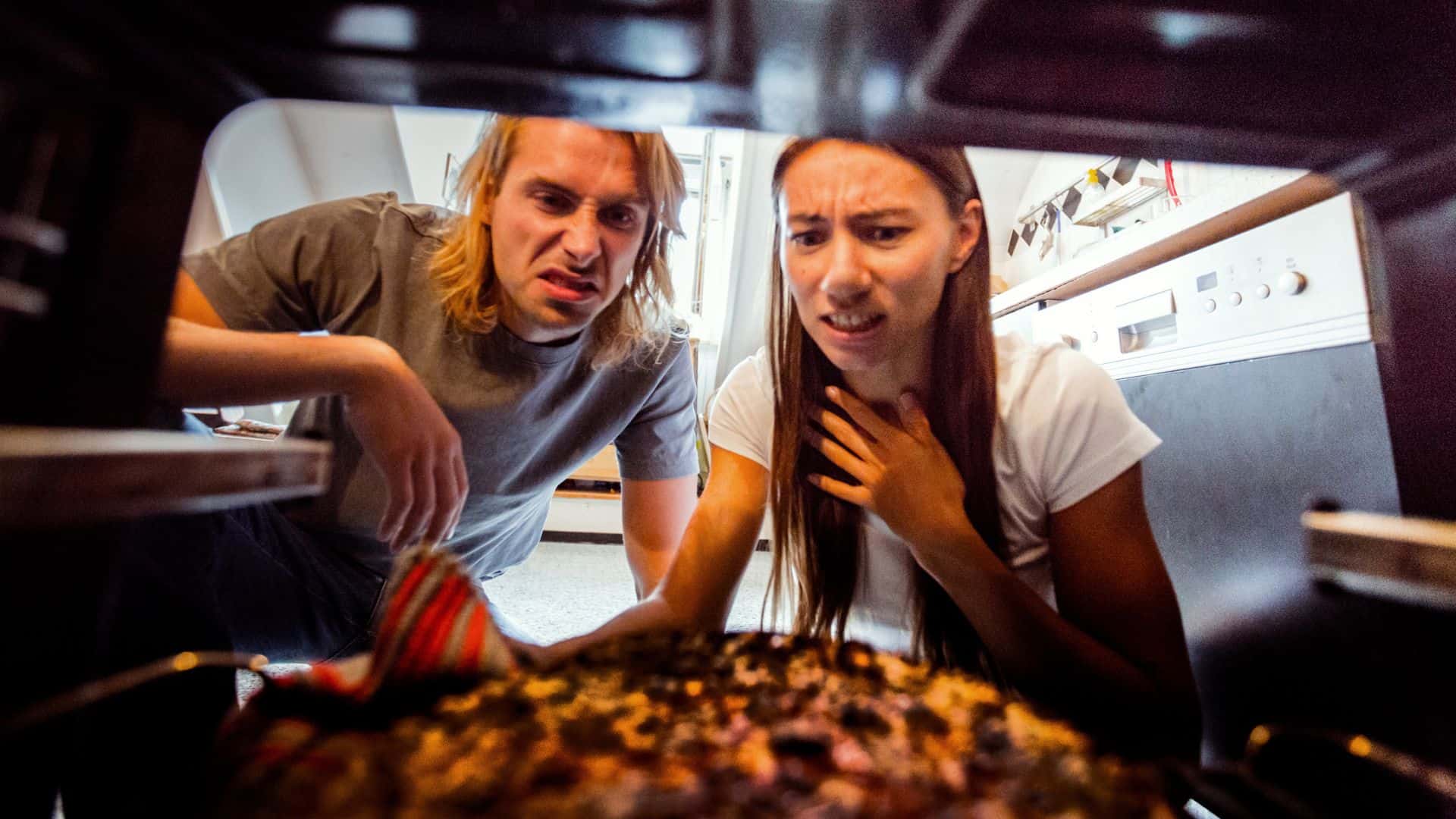
Overbaking can lead to a dry and charred crust, sacrificing the overall enjoyment. On the other hand, underbaking results in a doughy and undercooked pizza that's far from desirable.
Keep a close eye on your pizza while it's in the oven, and remove it when the crust is golden and the cheese is beautifully melted. Finding the perfect baking time is essential for achieving a pizza that's cooked to perfection.
Reheating
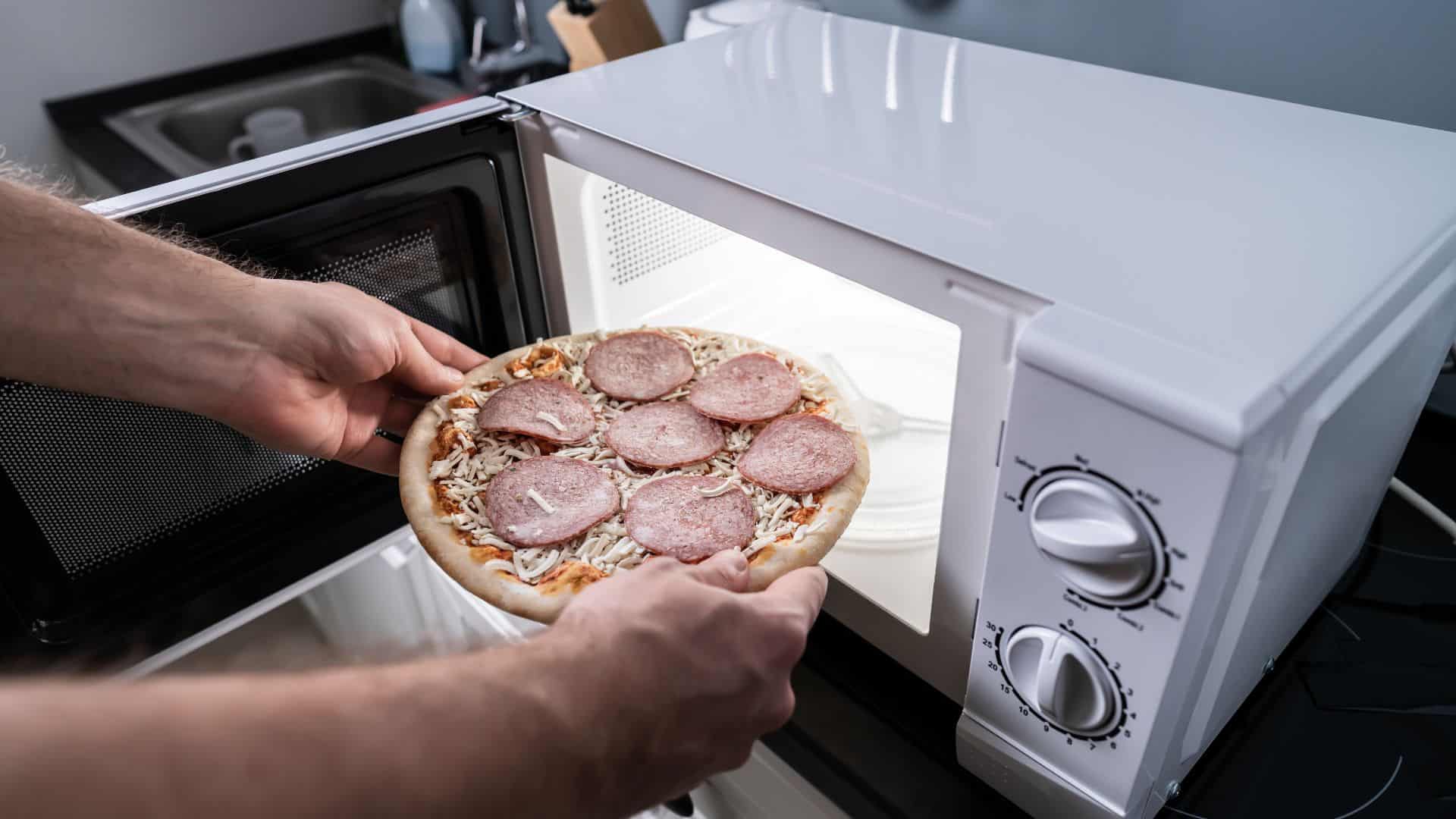
Reheating pizza the wrong way can ruin the texture and flavor. Microwaving often makes the crust soggy and the cheese rubbery, while using a high oven temperature can dry it out or burn the toppings. For the best results, warm your pizza in a skillet over medium heat or place it on a preheated baking sheet in the oven at a moderate temperature. These methods help restore the crisp crust and melty cheese, making your leftovers taste almost as good as fresh.
Using pre-shredded cheese
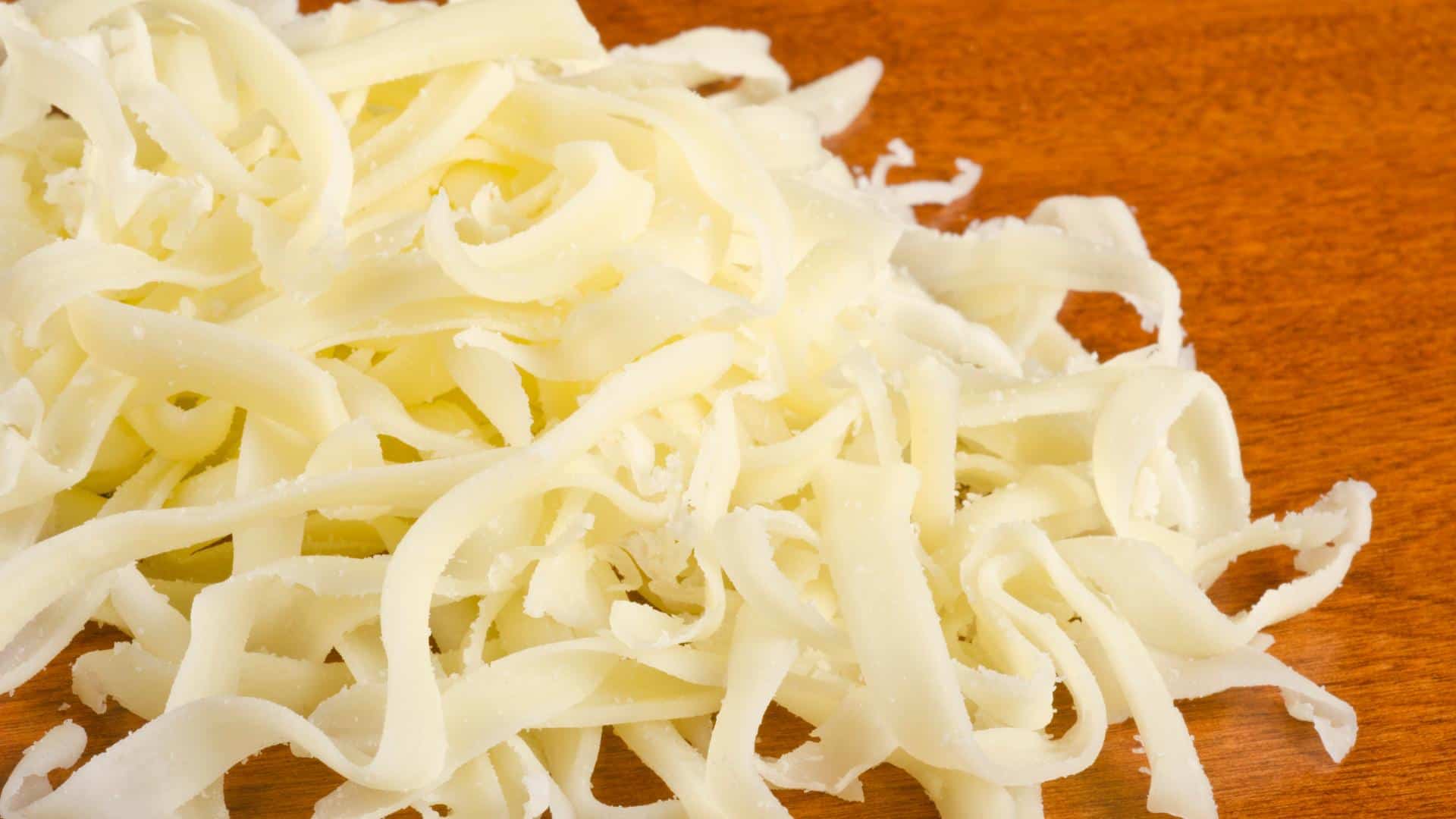
Pre-shredded cheese may be convenient, but it can reduce the quality of your pizza. It often contains anti-caking agents and preservatives that affect how the cheese melts and can leave your pizza with a less creamy texture. It also tends to hold more moisture, which can lead to a soggy crust. For the best results, use a block of cheese and grate it yourself. It melts better, tastes fresher, and gives your pizza a richer finish.
Not using dipping sauces
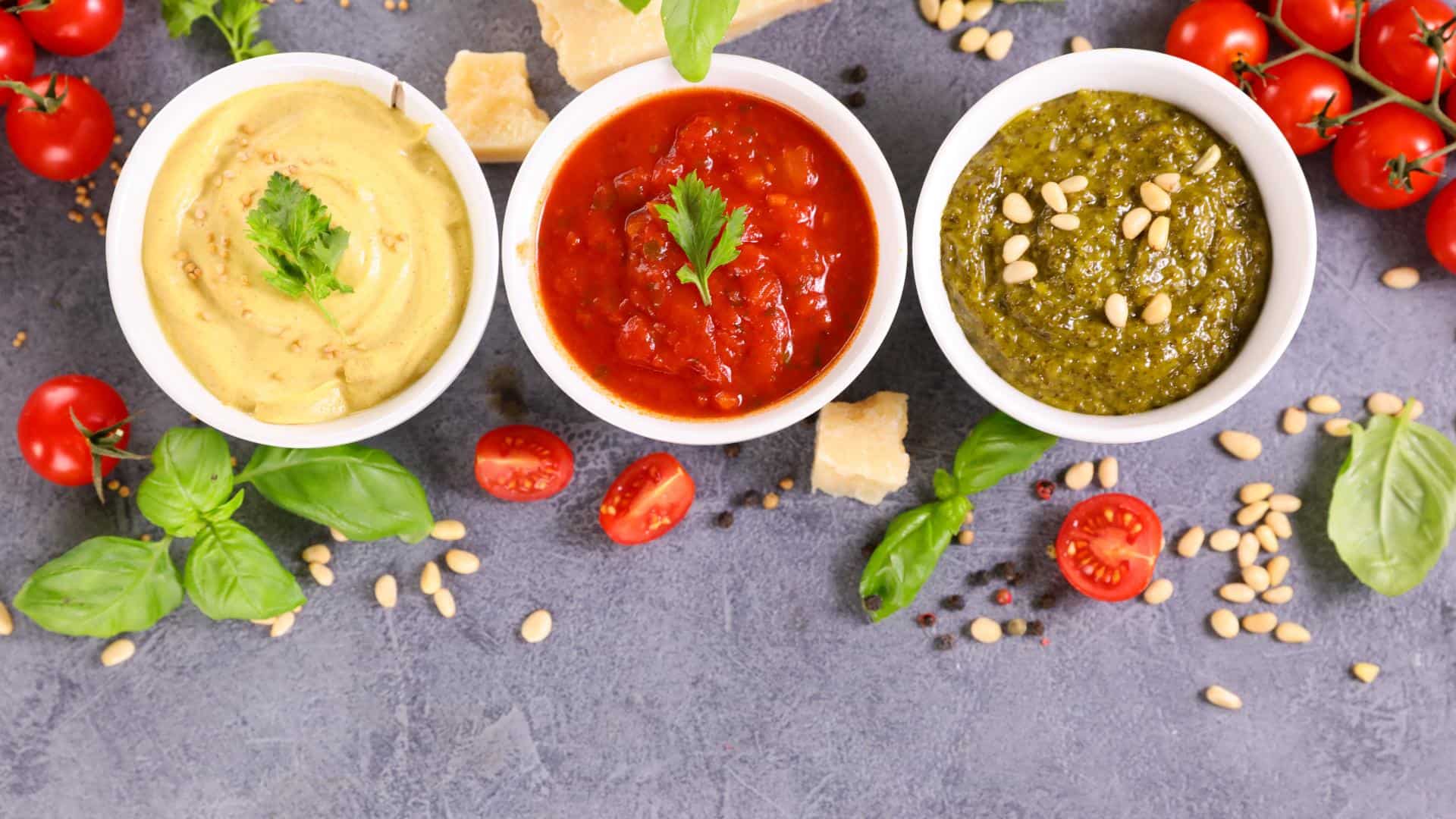
Adding a dipping sauce is an easy way to elevate your pizza experience. Sauces like marinara, garlic butter, or ranch bring extra flavor and variety to every bite. They can enhance the taste of the crust, complement the toppings, and add a satisfying contrast in texture. Whether you use them for the crust or drizzle a little on top, dipping sauces make pizza night even more enjoyable.
Making the dough too late

Great pizza starts with well-prepared dough, and that means giving it enough time to rise. Making the dough too close to mealtime can result in a dense, underdeveloped crust. To get that light, airy texture, the dough needs several hours to rise properly. Always check your recipe in advance and plan ahead so your dough has enough time to proof. Starting early makes all the difference in achieving the perfect crust.
Use Semolina
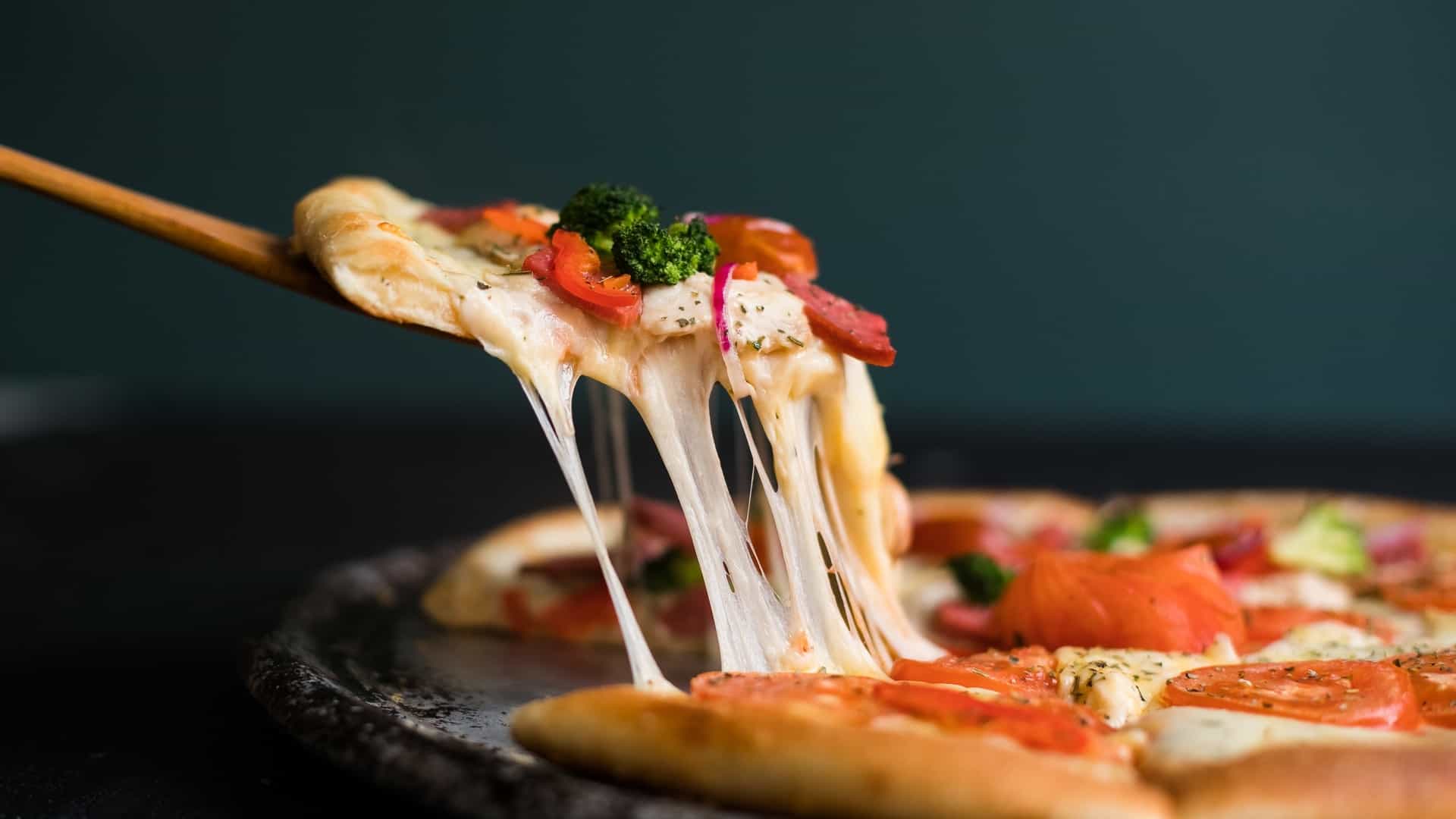
Remember to sprinkle your pizza stone or baking tray with a little extra semolina flour to prevent the dough from sticking. As it bakes, the dough tends to adhere to the baking surface and can easily stick. This will make your pizza not only look bad but also make cleanup a lot harder.
Making the dough too early
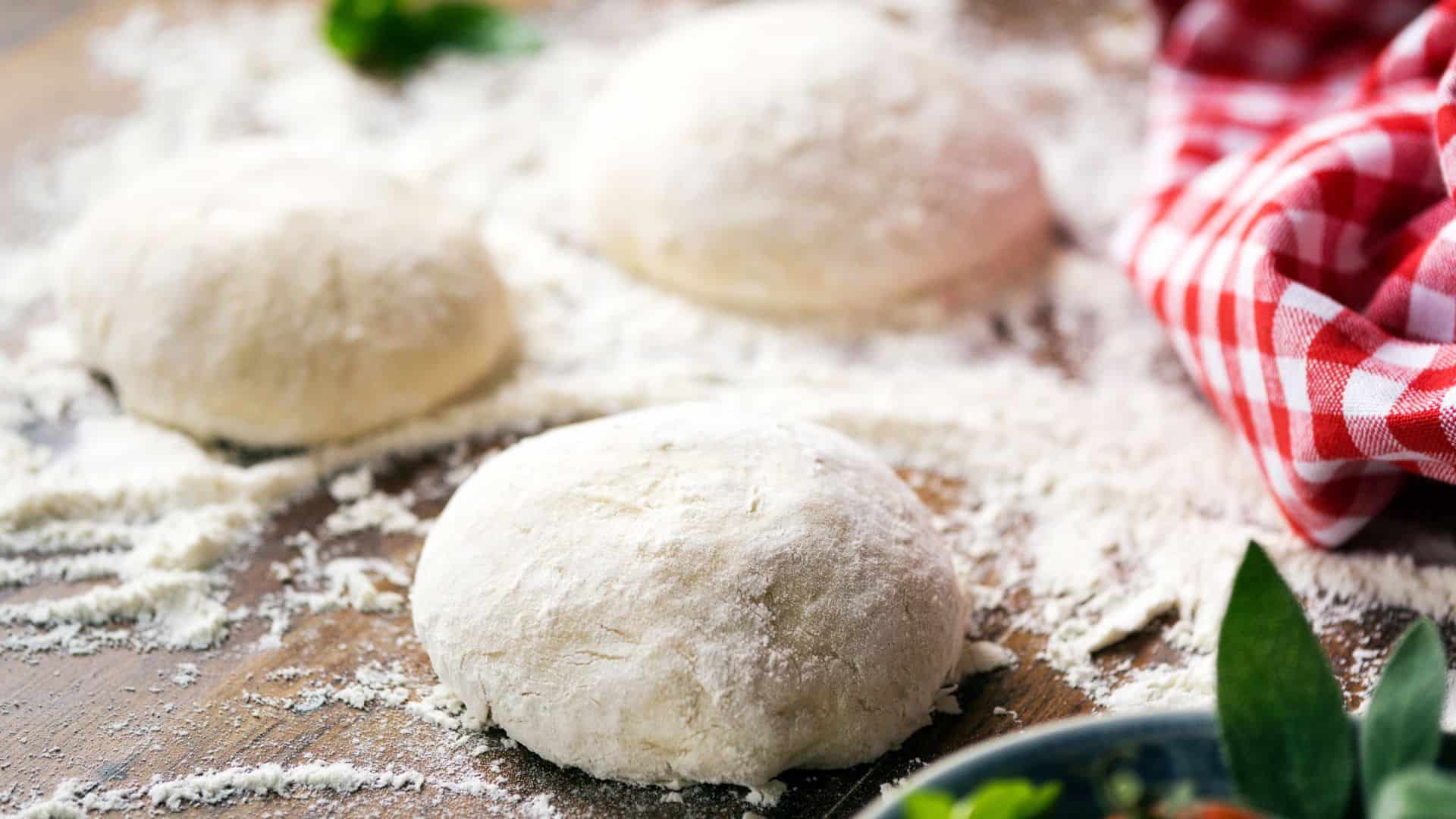
We all like to get ahead when it comes to cooking, but making pizza dough too far in advance can be a serious disaster. When you make the dough too early, the yeast will continue to grow, and the dough will become large, airy, and difficult to work with.
Pizza dough that is left to sit too long will also have a very tangy, sour taste and bake poorly when it finally goes into the oven. Follow your pizza dough recipe directions carefully, and don't make the dough too early.
Baking too cold
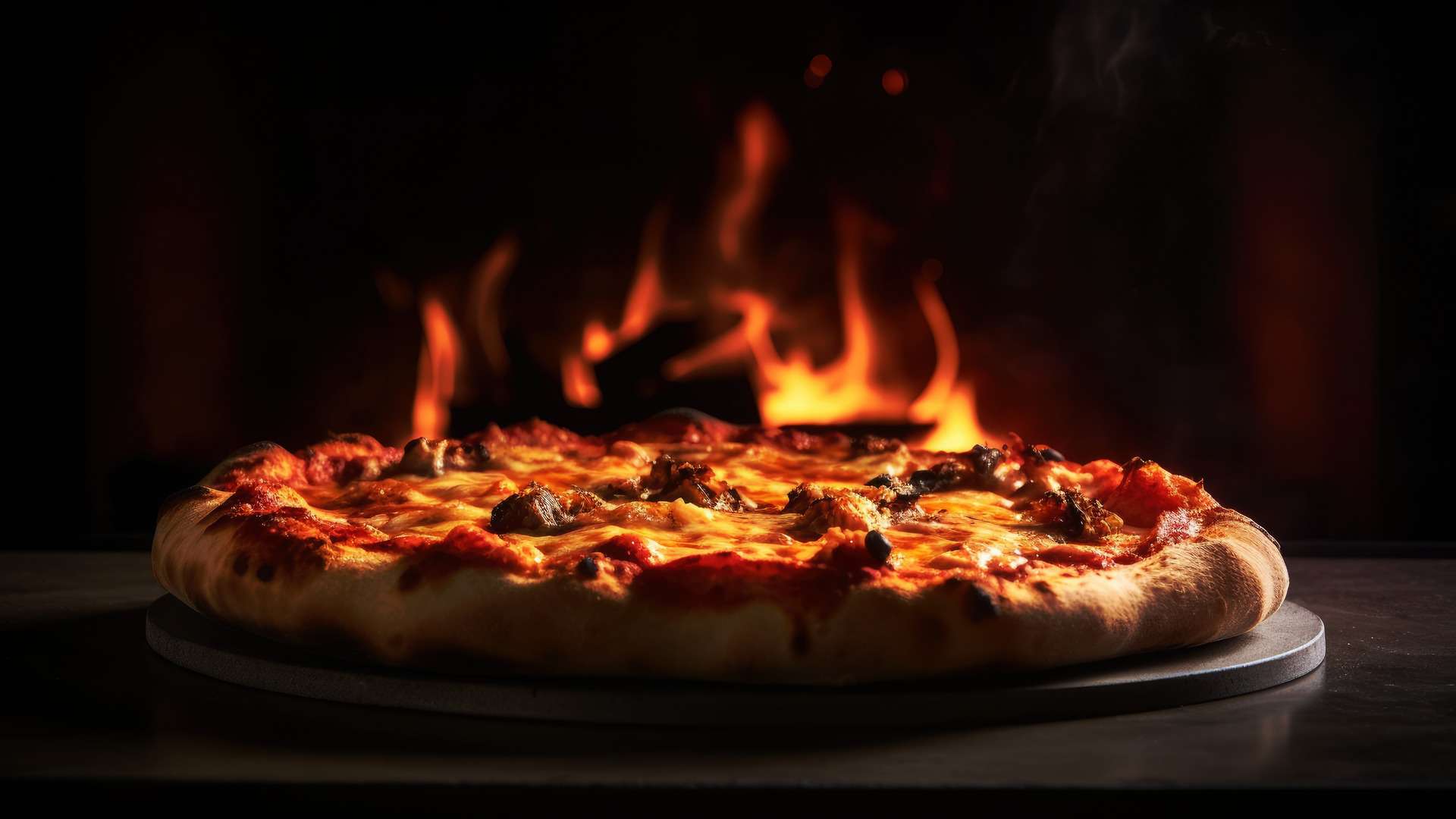
Baking pizza at too low a temperature can lead to a disappointing result. A regular 350°F oven won’t give your dough the heat it needs to rise properly and develop a crisp, golden crust. Instead, you may end up with a dense base and unevenly cooked toppings. For best results, pizza should be baked at 475°F to 500°F or even higher. In a standard home oven, use the highest temperature setting available to get as close as possible to the ideal baking conditions.
Leave a Reply