
French cuisine has a reputation for being some of the most delicious and elegant food in the world, but what’s the real magic behind it? We decided to dig a little deeper and uncover some of the secrets that make French cooking so special. From simple techniques to little-known traditions, these insider tips explain why French food always seems a cut above the rest. And the best part? You can use some of these secrets to bring a little bit of that French magic into your own kitchen.
Note: The content of this article does not reflect the Writer's personal beliefs.
There’s no limit to wine
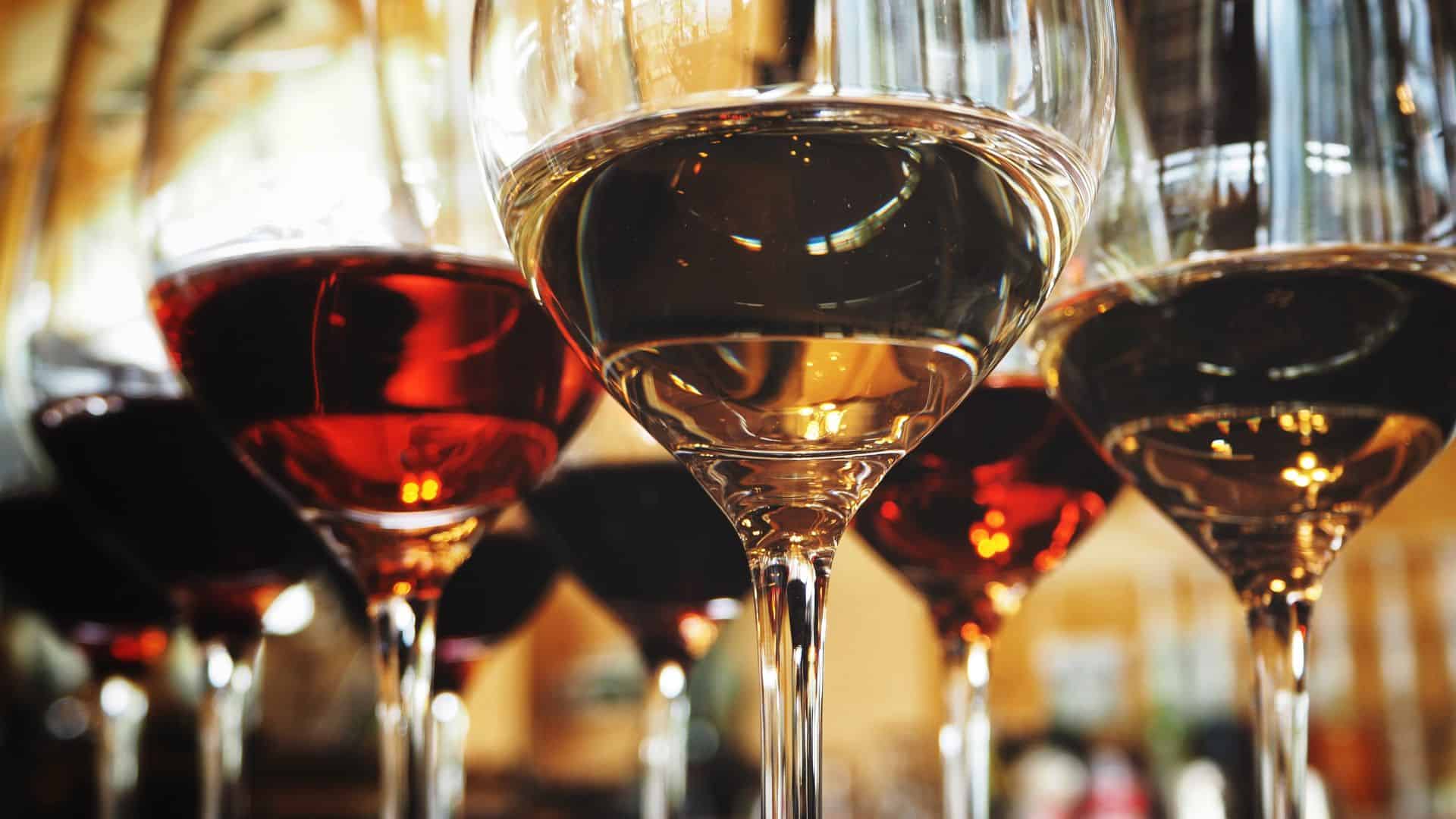
In France, wine isn’t just something you drink with dinner—it’s an essential part of the entire meal experience. Whether you’re enjoying fresh oysters or a simple stew, there’s always a perfect wine to pair with it. But the French don’t stop at sipping; they often add wine right into their cooking to boost flavor and richness. It’s a simple yet powerful trick that brings an extra layer of depth to so many classic dishes. No wonder everything seems to taste better there!
Rules are Rules
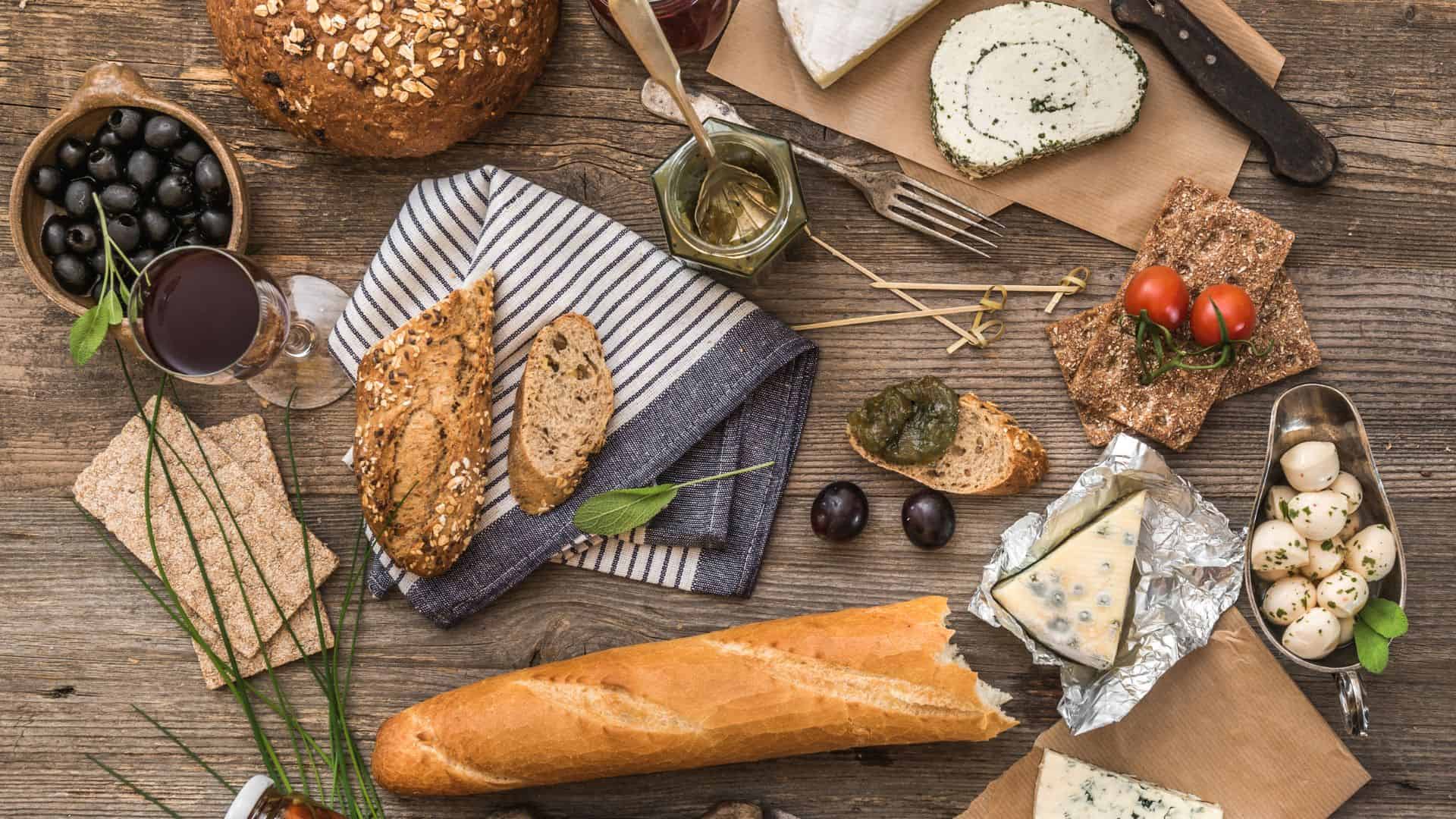
There’s only one place after Italy that takes its rules seriously: France.
Although French cuisine is a little complex, it has a very simple rule: don’t add something that the dish doesn’t call for, and don’t subtract an essential ingredient without cause.
Altering French recipes takes us away from originality, and then we wonder why it tastes so different.
Slow cooking is best
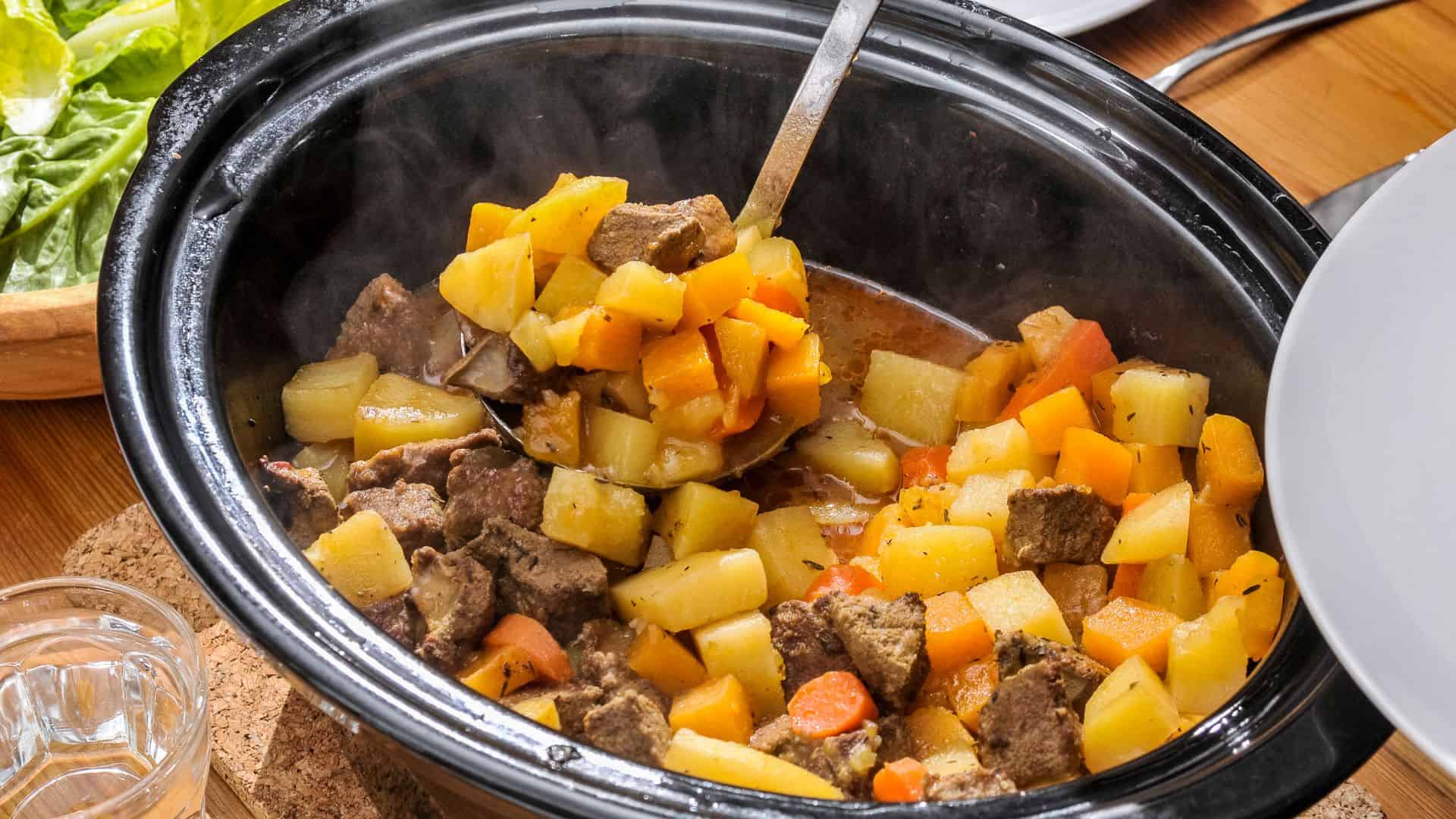
These days, many of us are in a rush, tossing ingredients into a pan or pressure cooker and hoping for the best. In France, though, taking time in the kitchen is part of the culture—and it shows in their cooking. Slow-cooking techniques are a cornerstone of French cuisine, allowing flavors to deepen and blend beautifully. When dishes are given the time they need, the result is rich, layered flavors that feel almost effortless. It’s no wonder so many French meals taste like pure perfection.
The sharper the knives, the better
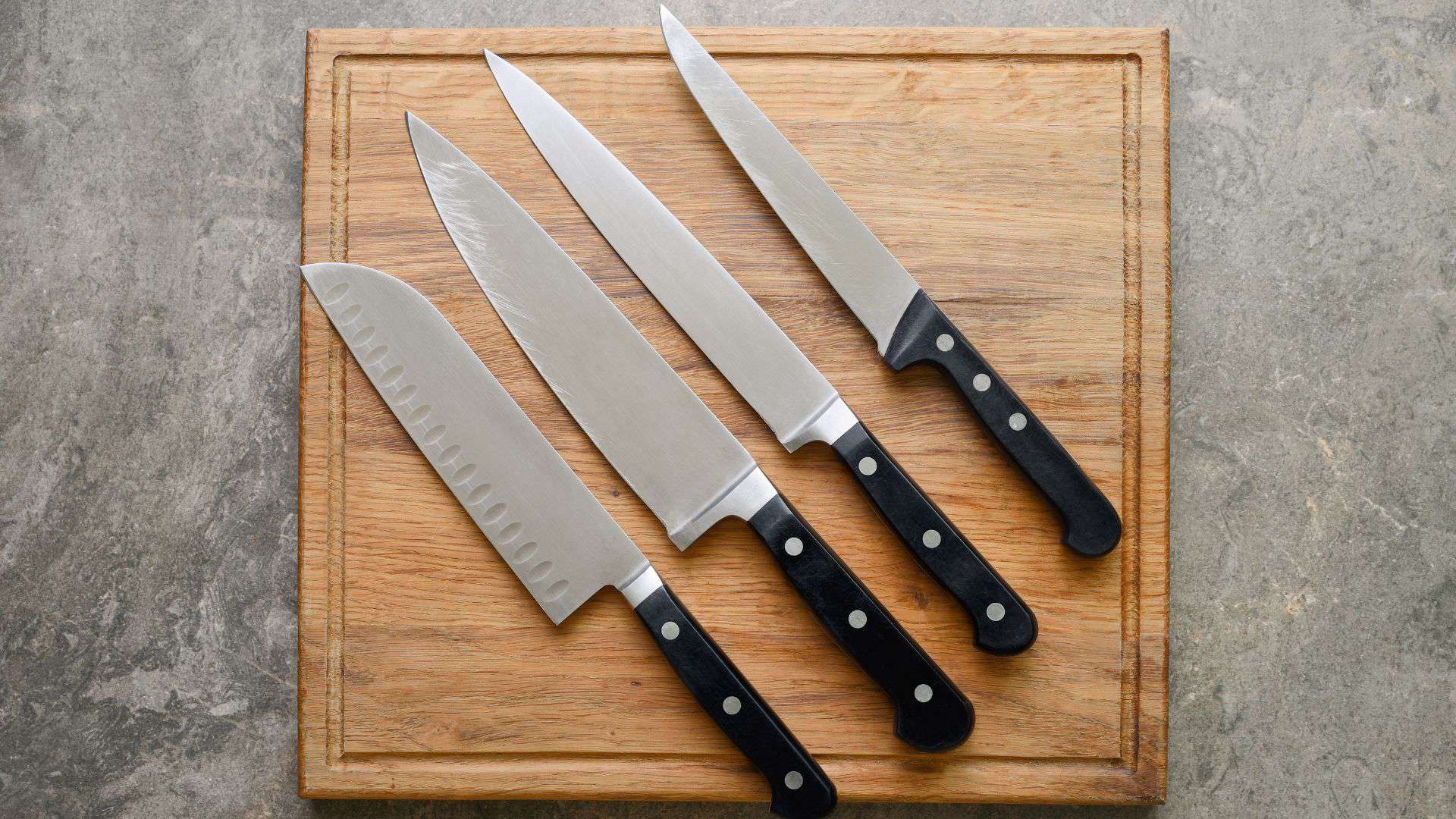
Ask any chef and they’ll agree—a sharp knife is one of the most important tools in the kitchen. Surprisingly, sharper knives are actually safer because they slice through ingredients quickly and cleanly. French chefs, in particular, depend heavily on sharp knives, especially with dishes that require precise cuts and delicate presentation. A dull knife can crush or tear ingredients, taking away from the beauty of the final plate. In French cuisine, every detail matters—even how perfectly something is sliced.
Butter is your best friend

If French cuisine had a motto, it would be butter, butter, butter.
Seriously, if you don’t use heaps of butter in your French dish, you’re never going to get good results.
French cuisine uses butter in everything: garnishing, significant ingredients, and even as a base for several sauces. Learn how to make butter at home!
Seasonal stars
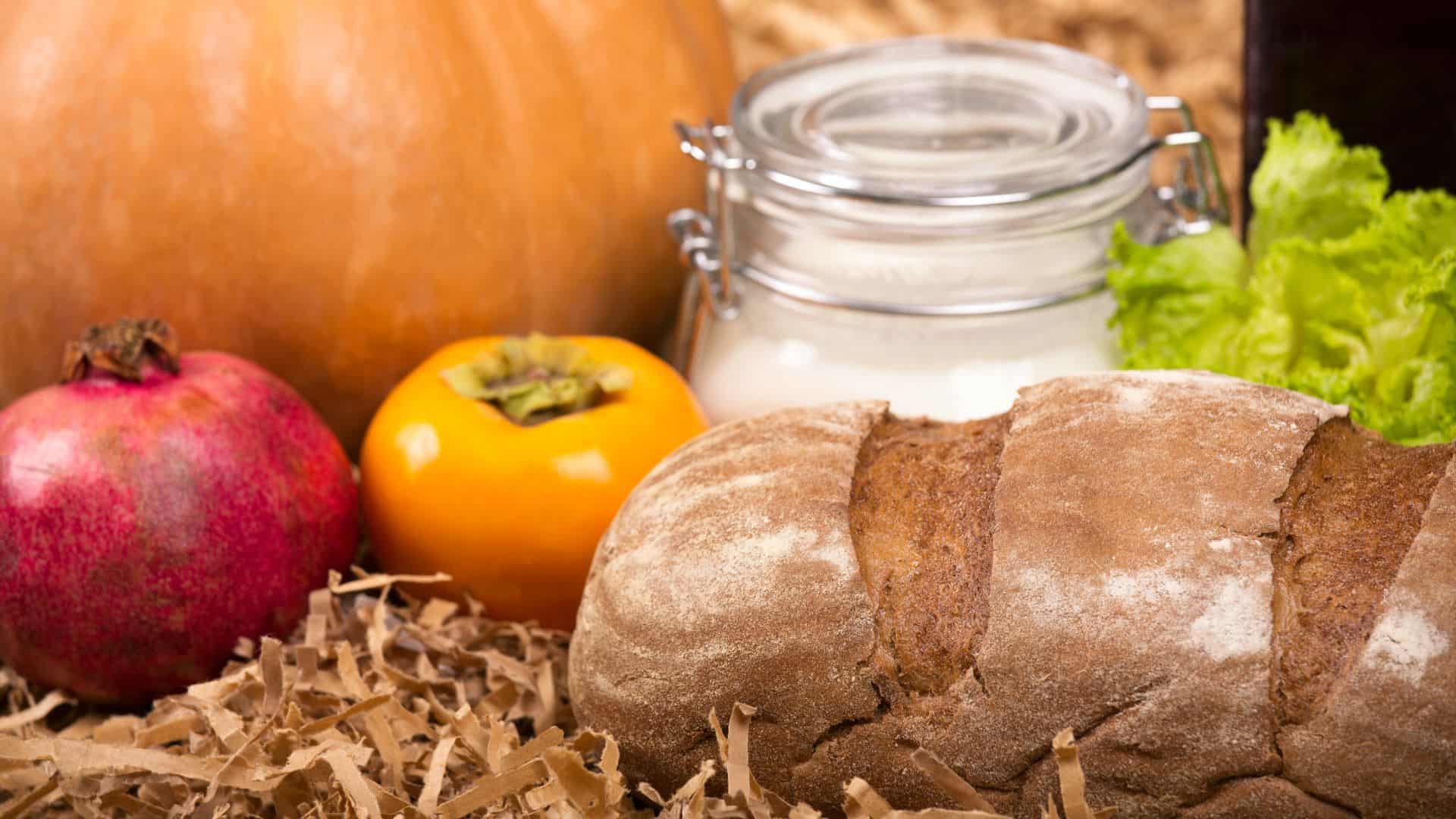
The French don’t shy away from embracing seasons, and you can tell it in their cuisine.
French cuisine prefers specific ingredients, but when a particular crop is in season.
It’s really one of the few things that tell us the French like experimenting as much as they like their comfort zone.
No waste
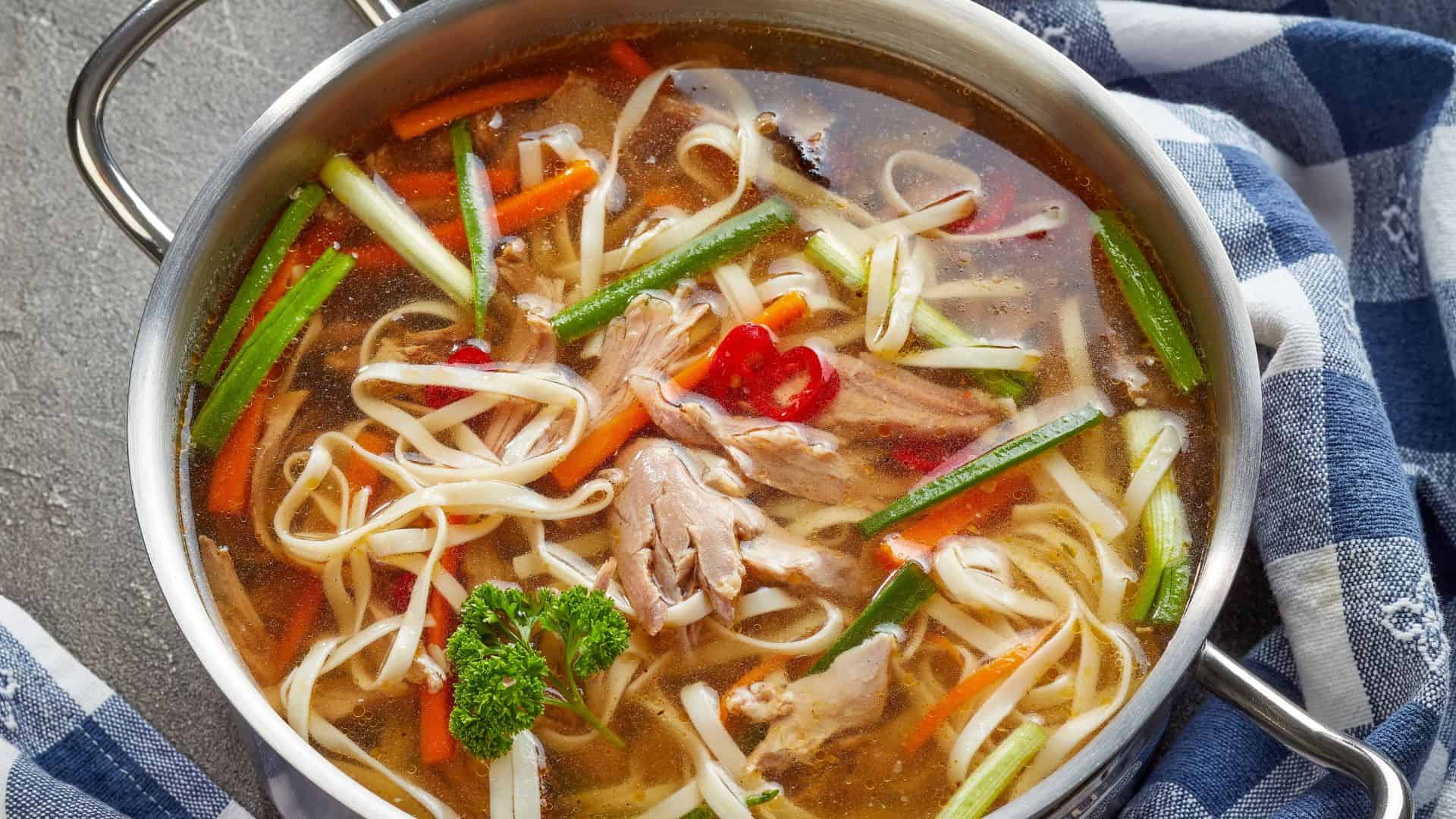
Don’t toss away the scraps, even if it's the stuff we wouldn’t normally use.
If a French dish calls for spring onions, the chef will use the scallion and the green part right to the very end.
If part of an ingredient is close to withering, they’ll throw it in a soup but won’t let it go to waste. Similarly, leftover ingredients are merged in stock to enhance flavor and intensity.
Flavor in layers

Every French dish, no matter how simple, works on the principle of layering.
Some dishes call for layers of stuff added in a particular order, while others rely on heaps of layers to mask any signs of blandness.
The layering helps intensify flavor and ensures every ingredient's essence is absorbed to the max.
Know the sauce

Bechamel, mornay, bearnaise, hollandaise.
There are many sauces, and some even look similar, so we’ll cluelessly add them to whatever dish we feel like. But that’s not how French cuisine works.
Every sauce has a specific pairing idea, and the sauce only works if you follow that idea. Naturally, pouring bechamel on a dish meant for Monday and vice versa won’t work that much.
The longer it takes, the better it tastes
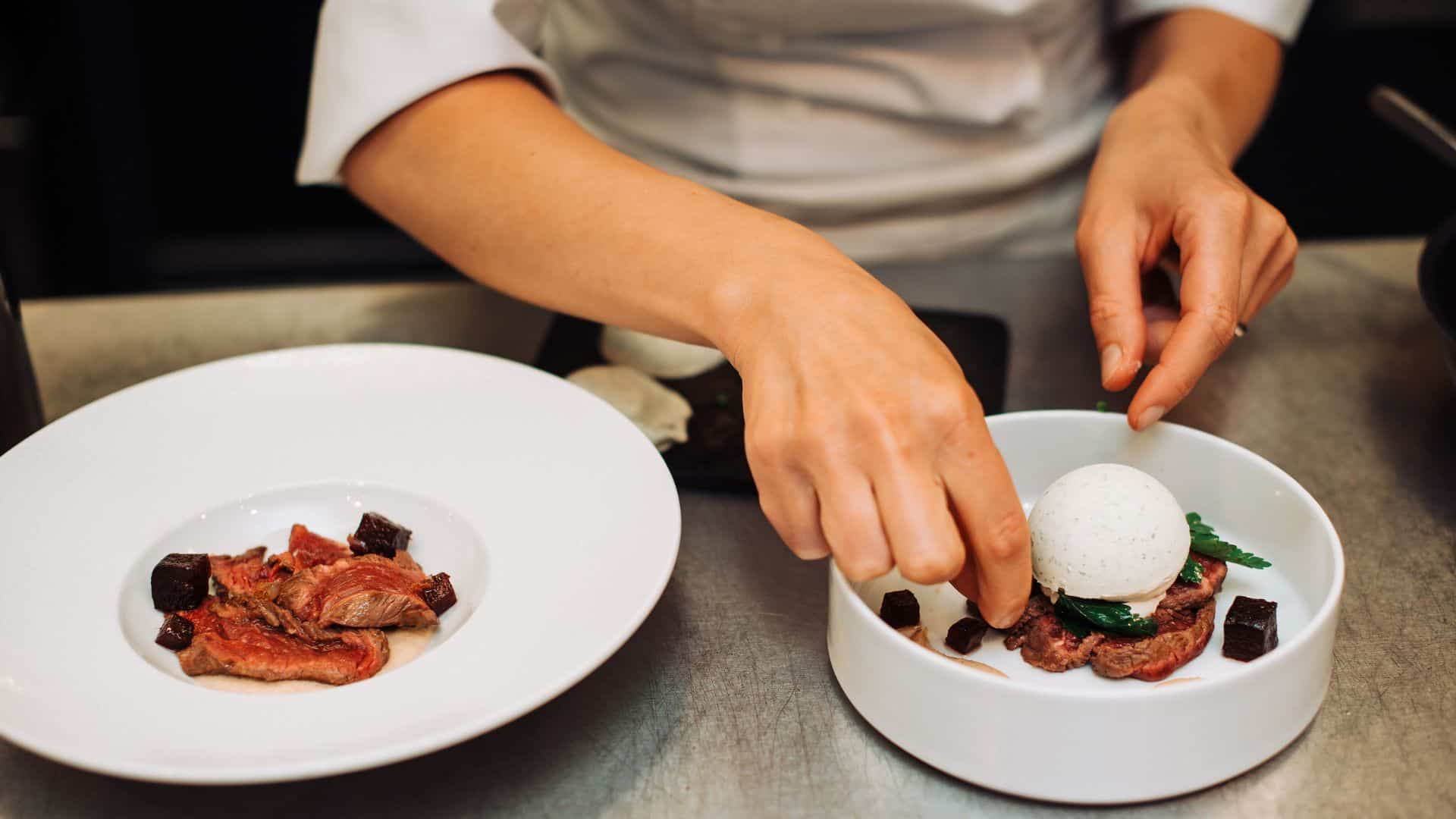
Slow cooking ensures flavor and intensity. But taking the time to prepare the ingredients works wonders, too.
Basically, when we cook, we try to prep in advance and ensure we’re done quickly. But the French love taking their time, even when prepping.
If we think about it, certain French foods, especially stews, can take more than a day to cook. But the longer they take, the more appetizing they taste.
Aroma, aroma, aroma
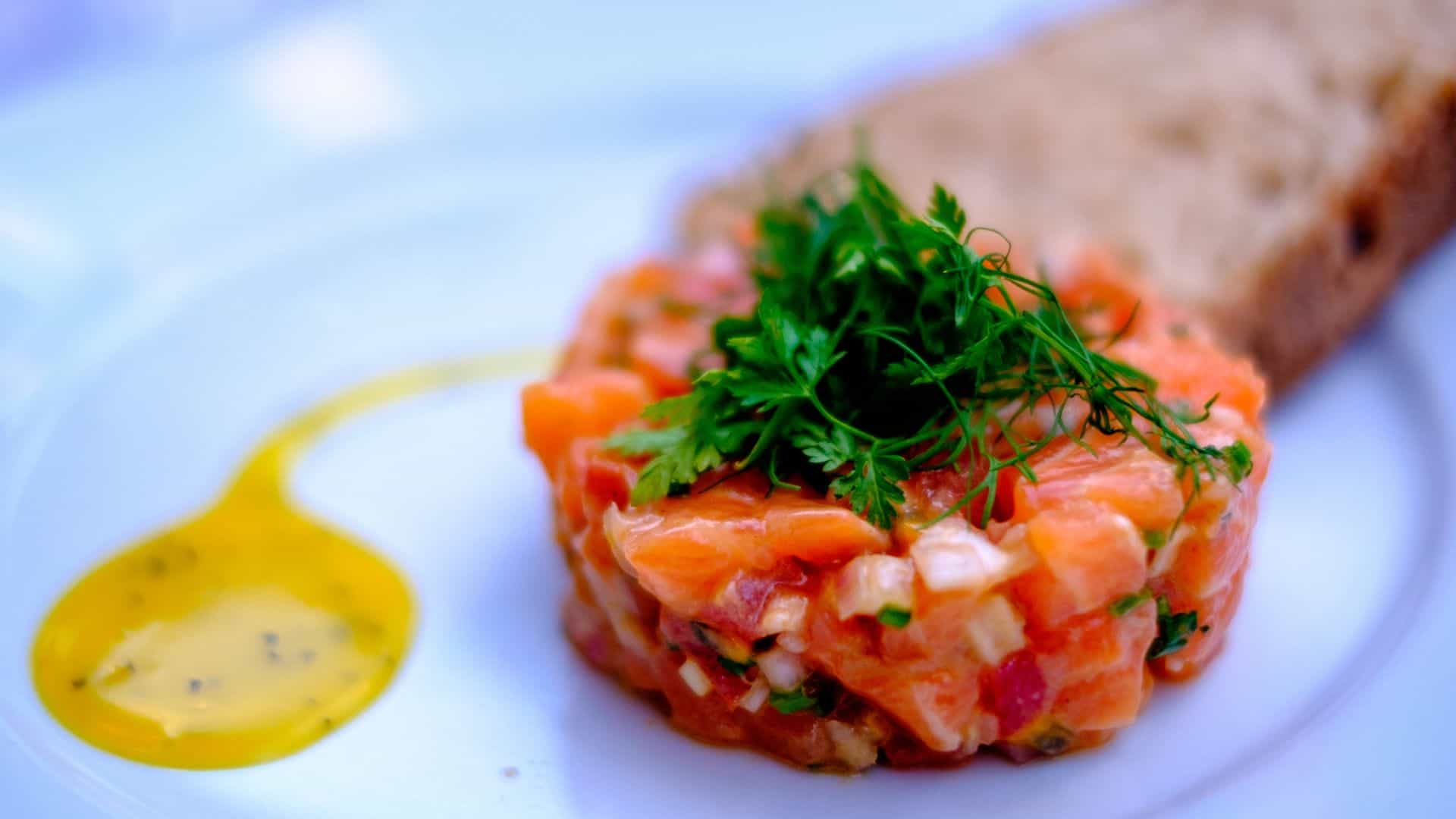
There’s no denying the aromatic waft of food makes everything taste better. We don’t know if it’s just how our psyche works or if there is a connection between aroma and food, but just smelling something good makes us feel better.
French cuisine heavily relies on this. Not only do French chefs openly use spices and herbs with a heavy scent, but they also maximize their use in garnishing.
As a result, everything just tastes better.
Simple Can Be Best
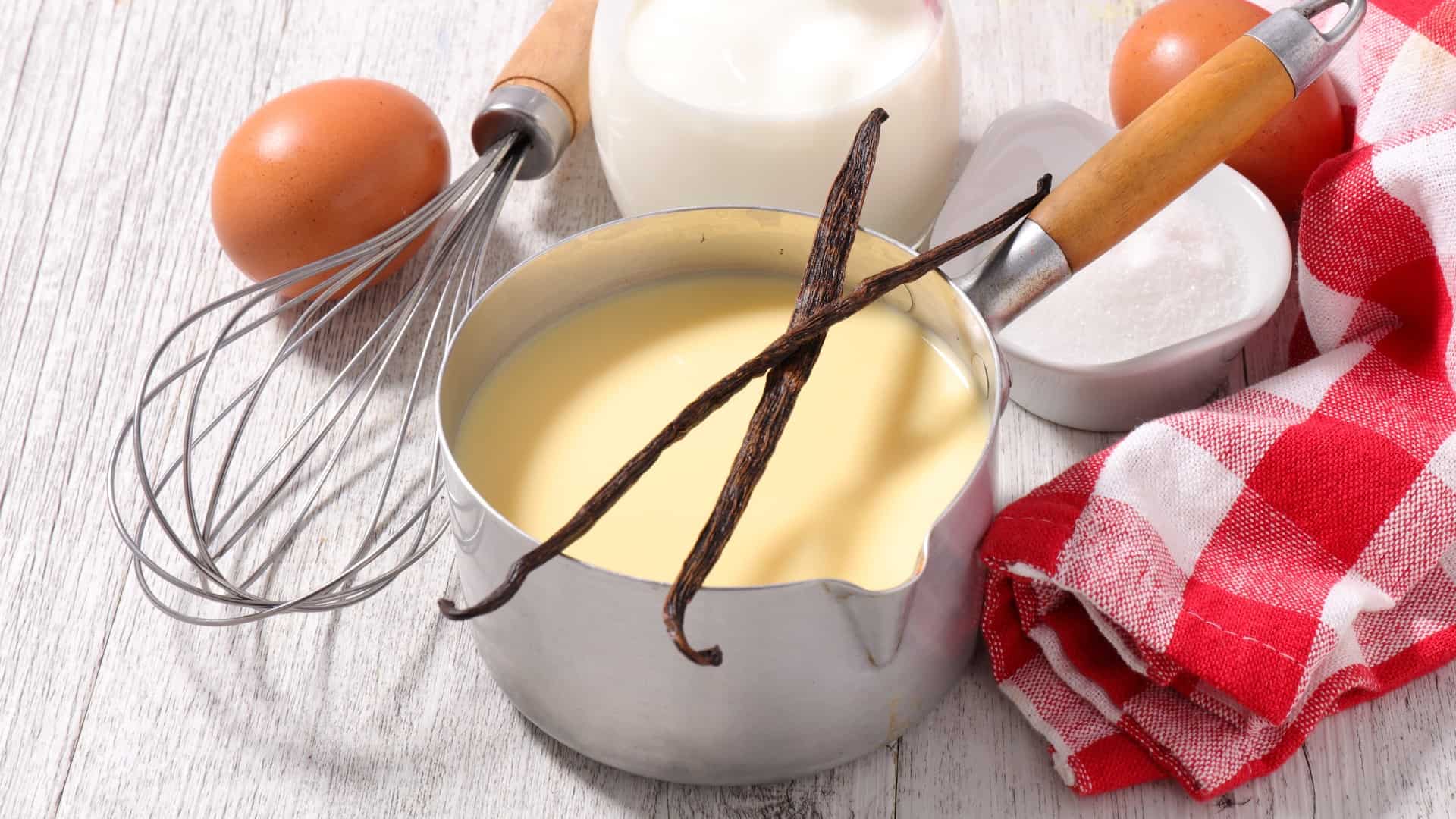
Americans like to overdo it with all the extra spices and added condiments and more, more, more! The French know that more is not always better. Simple foods can be the most flavorful.
Many French dishes focus on the flavor of a single ingredient, a concept many Americans just don't get. Trust your French recipes when making a meal, and do not keep adding things that aren't needed.
Preparation is Everything

Knowing your recipe inside and out before you start cooking is essential. French chefs know that preparing to cook is almost more important than actually cooking. You must ensure you have all your ingredients on hand and ready to go. You also need to know how to follow the recipe to prepare the food correctly.
Think of it as culinary research that will lead to great food. The French have surely done their food research!
Quality Ingredients
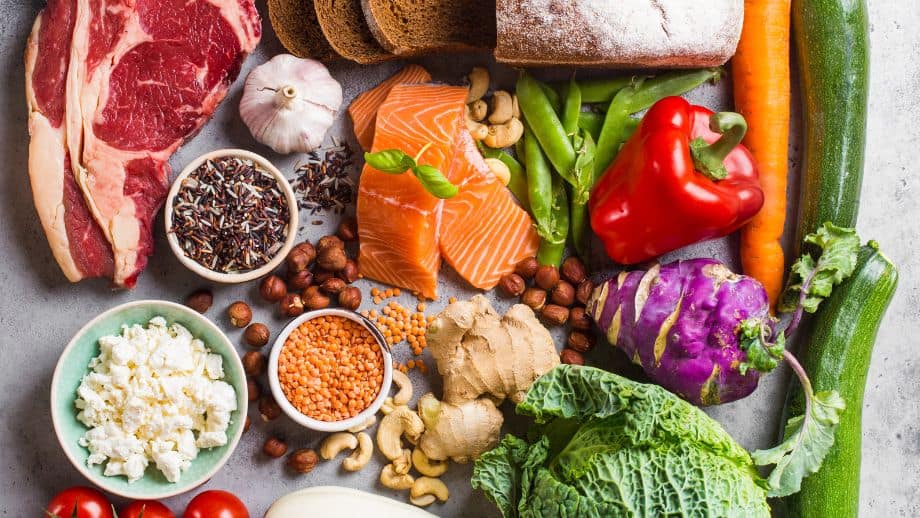
The French know that high-quality ingredients are the start of any good dish. The final product will taste cheap if you start with cheap food. You need to use high-quality meats, farm-fresh produce, and freshly ground spices. Start with the best stuff, and your food will taste the best.
Skip The Snacks

The French are known for skipping snacks completely. They do not tend to indulge in little snack foods between meals but rather have heartier foods at designated meal times. Because of this, the actual meals tend to be better.
When you are hungry, everything tastes better! If you want to eat more like the French, skip the snacks and focus more on the real food.
Leave a Reply