
Bananas are one of the most popular fruits around—portable, sweet, and packed with nutrients. But for all their convenience, they have one major downside: they ripen at lightning speed. One day, they’re perfectly yellow, and the next, they’re soft, spotty, and halfway to banana bread territory. How you store bananas plays a huge role in how long they last. We have collected 12 simple tips that can help you slow down the ripening process and keep your bananas fresh for days longer.
Why So Brown?
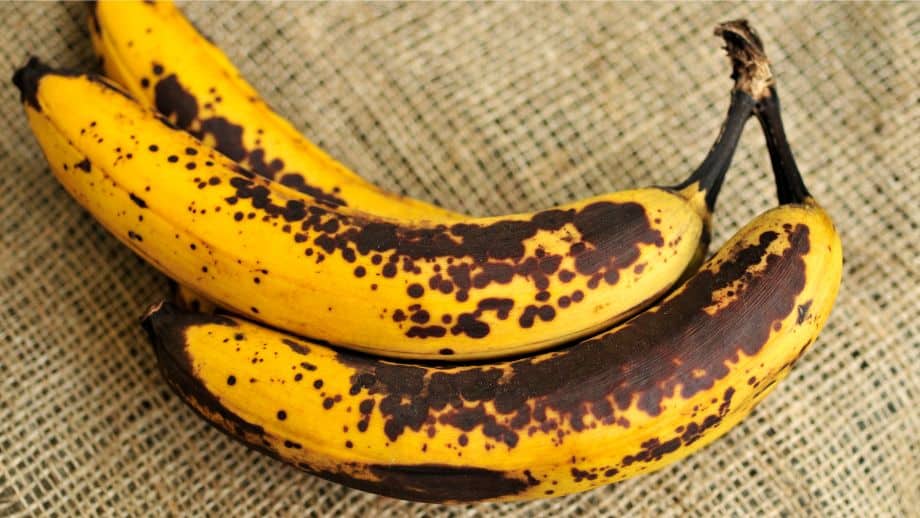
It seems almost unfair that bananas brown so fast, so why does it happen? Well, the answer deals with gases. Bananas, like most other fruits and vegetables, release a gas called ethylene as they mature.
Ethylene is a natural product of vegetable aging and a primary cause of it.
Gone Brown, BB
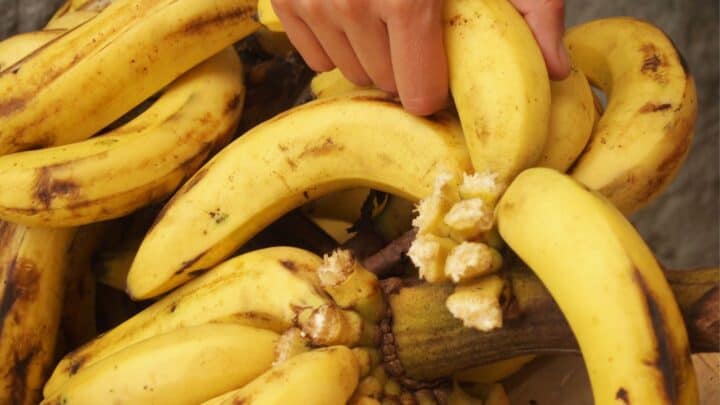
Ethylene isn't just a random chemical. Ethylene is a gaseous hormone capable of surviving in air. Most other fruits only produce a fraction of a banana's ethylene. The more ethylene a fruit produces, the faster the fruit will ripen. Bananas make so much that they overripen.
Worse, bananas produce more ethylene the more brown they get.
Why The Paper Bag?
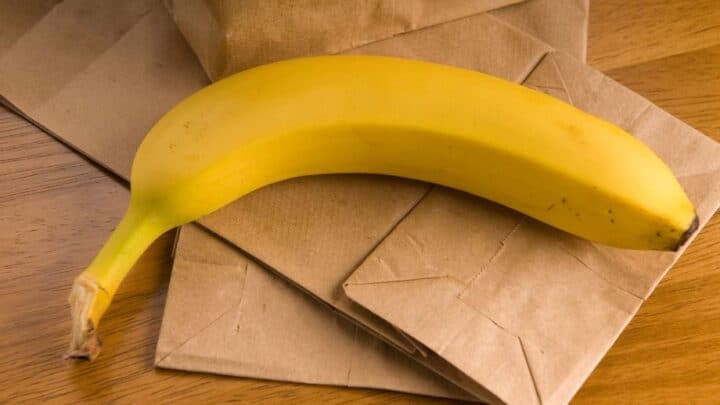
This is precisely why people tell new cooks to ripen green bananas by keeping them in a paper bag. The paper bag traps the ethylene, thus speeding up the process. Within a day or two, you'll get yellow bananas ready to eat. So, you might be wondering what this can mean about slowing the process down...
No Fruit Bowls
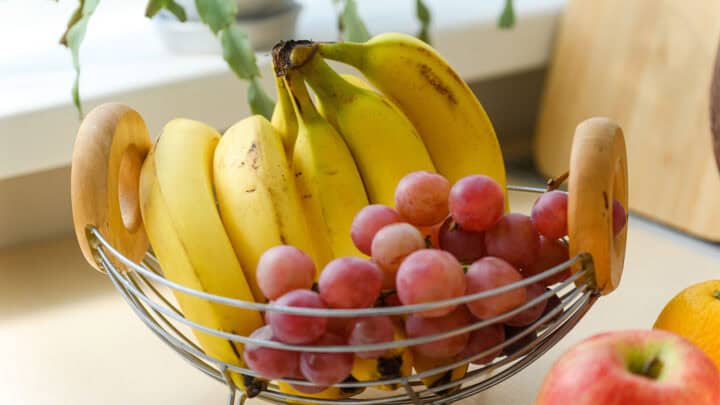
Though they look gorgeous in still-life paintings, the truth is that bananas are not meant to be in lush fruit bowls like the one pictured above. Fruits all give off various amounts of ethylene. By putting bananas near even more ethylene, you end up getting spoiled bananas. (Oh, and it'll spoil the other fruits, too.)
Hang 'Em
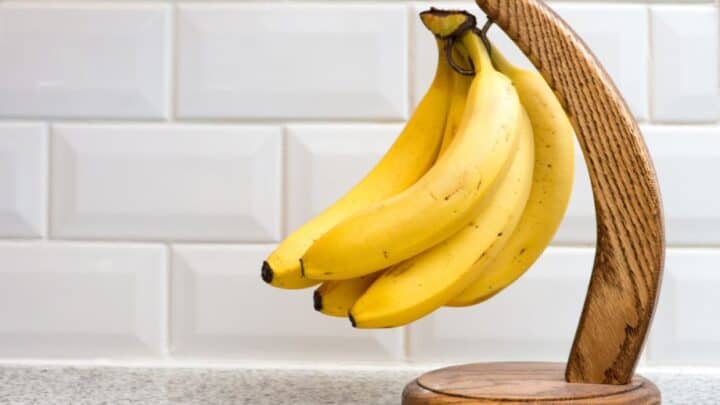
Your best bet for slowing banana aging is to keep them separate from all other fruit and veggies. You should also try to avoid putting them in a bowl since that can trap ethylene gas. Many merchants make banana hooks and holders that are ready to put on your counter to keep them suspended in the air.
If you're a banana-holic, then you might want to invest in a banana holder. It's surprisingly handy.
Cool It
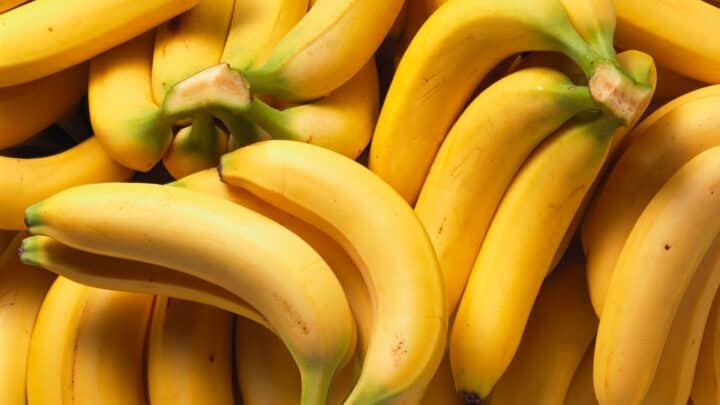
Keeping them on a counter can already make a world of difference, but there's more to banana storage than you might expect there to be. Bananas do best in cooler, darker areas. So, try to avoid keeping them in sunlight or near a heater. If you have a chilly part of your kitchen counter, that's the place to put them.
Of course, this is dependent on you actually eating them in a couple of days.
Singled Out
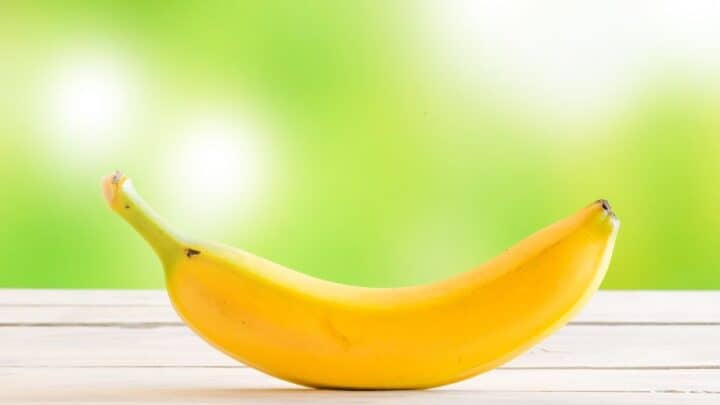
If you need to push their shelf life just a little bit further, you can do so by pulling apart the bananas and storing them separately. Once each banana is separated, wrap the larger tip with foil or plastic clingwrap. This can help prevent ethylene from emanating out of the banana. Of course, this is (in many peoples' opinion) overkill in terms of storage.
There's an easier way to prevent your bananas from going bad.
Refrigerate Them
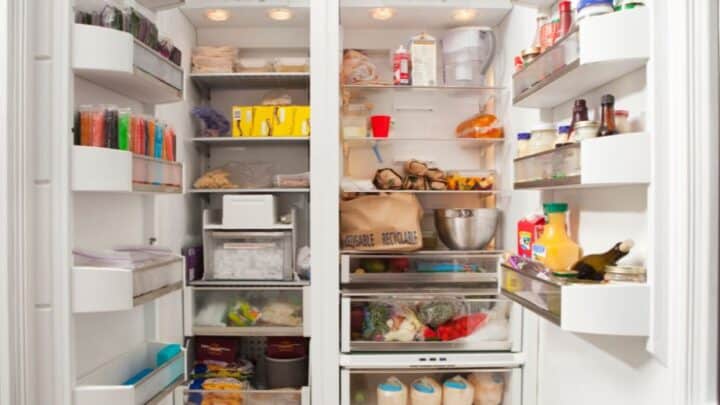
Ethylene production slows down in colder temperatures, so you can also use that to your advantage. (Well, to a point.) If you need to extend your bananas' lives, you can also shove them in a refrigerator far away from other plant matter. Top shelves tend to be good for this.
You'll be fine if your refrigerator doesn't reach freezing temperatures. Bananas should not be frozen, as freezing kills them and turns them into mush when they thaw.
No Pressure
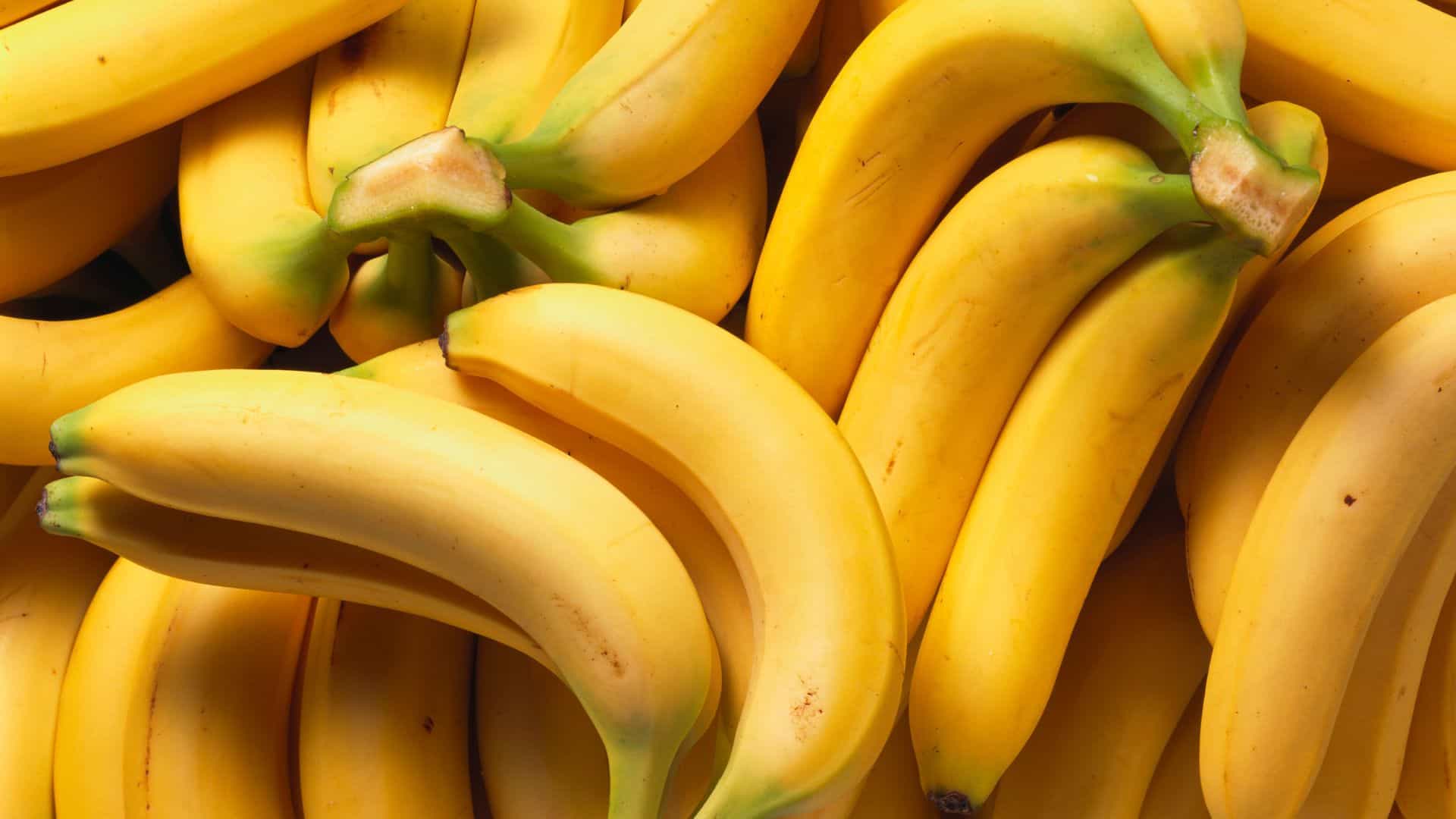
While you're on the topic of banana storage, we'd better talk about handling. You might have noticed that bananas can bruise when mishandled. Too much pressure on bananas of any type will cause bruising- even a strong enough grip.
Avoid Wrapping Them Up Entirely
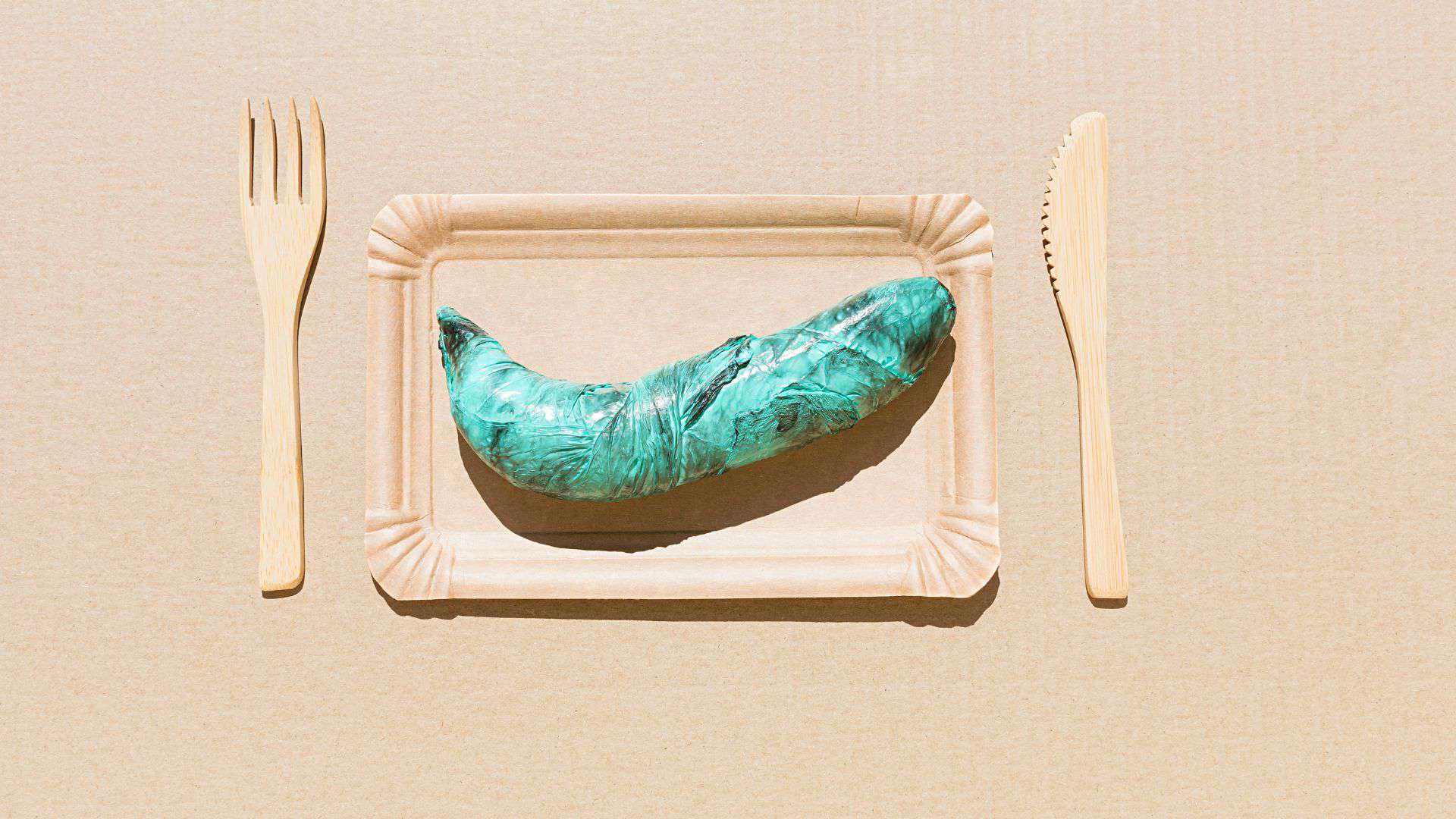
While a little cling wrap around the top of the banana can be beneficial, it's important not to go into overdrive with this. Wrapping the entire banana will trap the ethylene gas in the banana's skin with nowhere to go. This will age it faster than you could imagine.
Add Lemon
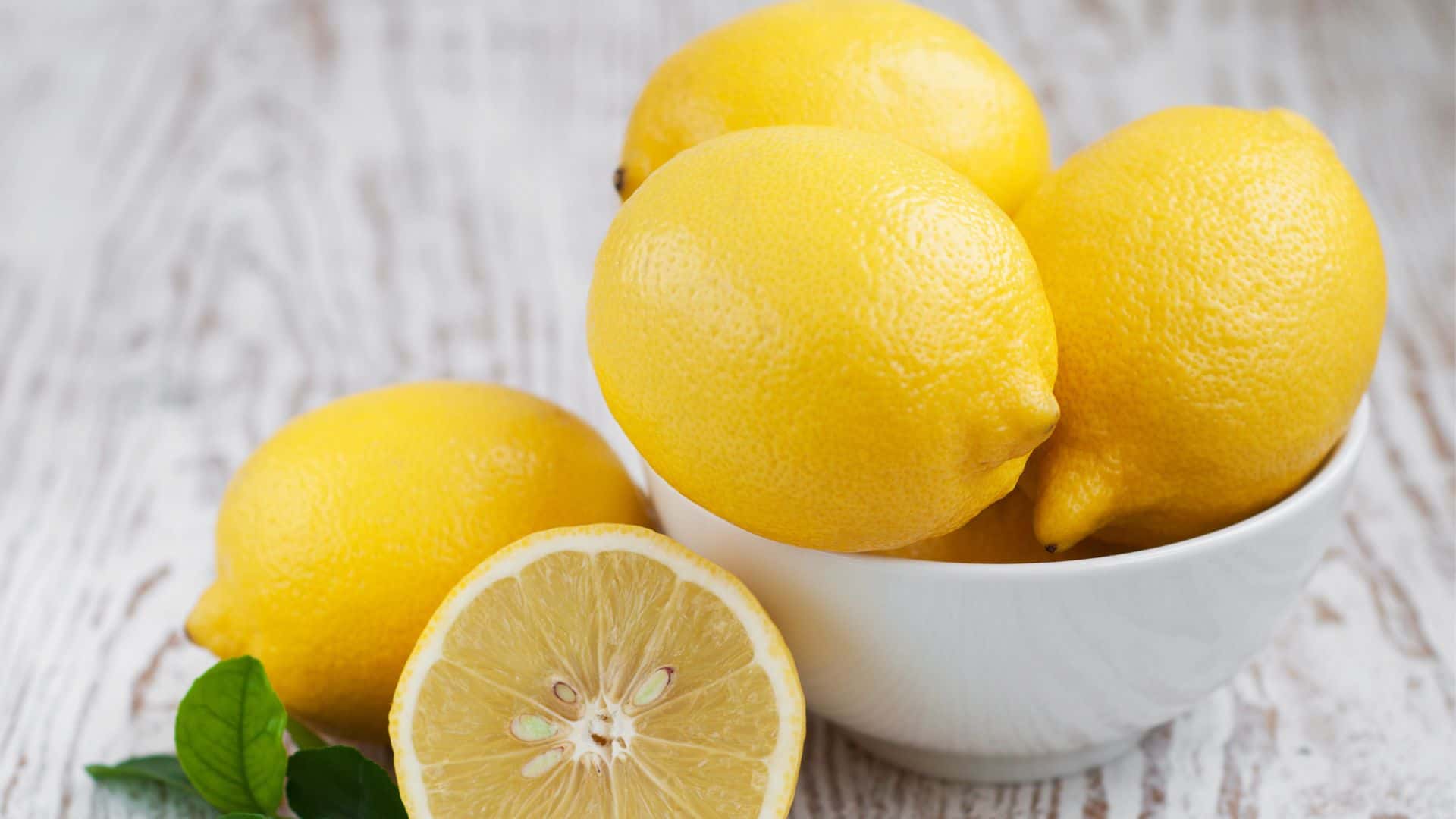
When it comes to keeping peeled and cut bananas fresh, you're going to still be on a timeline. Even so, you can prevent them from browning by adding a little lemon juice or lime juice to your banana slices and then sticking them in the fridge.
Acids, like the ones found in citrus, help reduce oxidation. This tip also works with apples, so it's great to keep a bottle of the juice at hand.
The Life Span
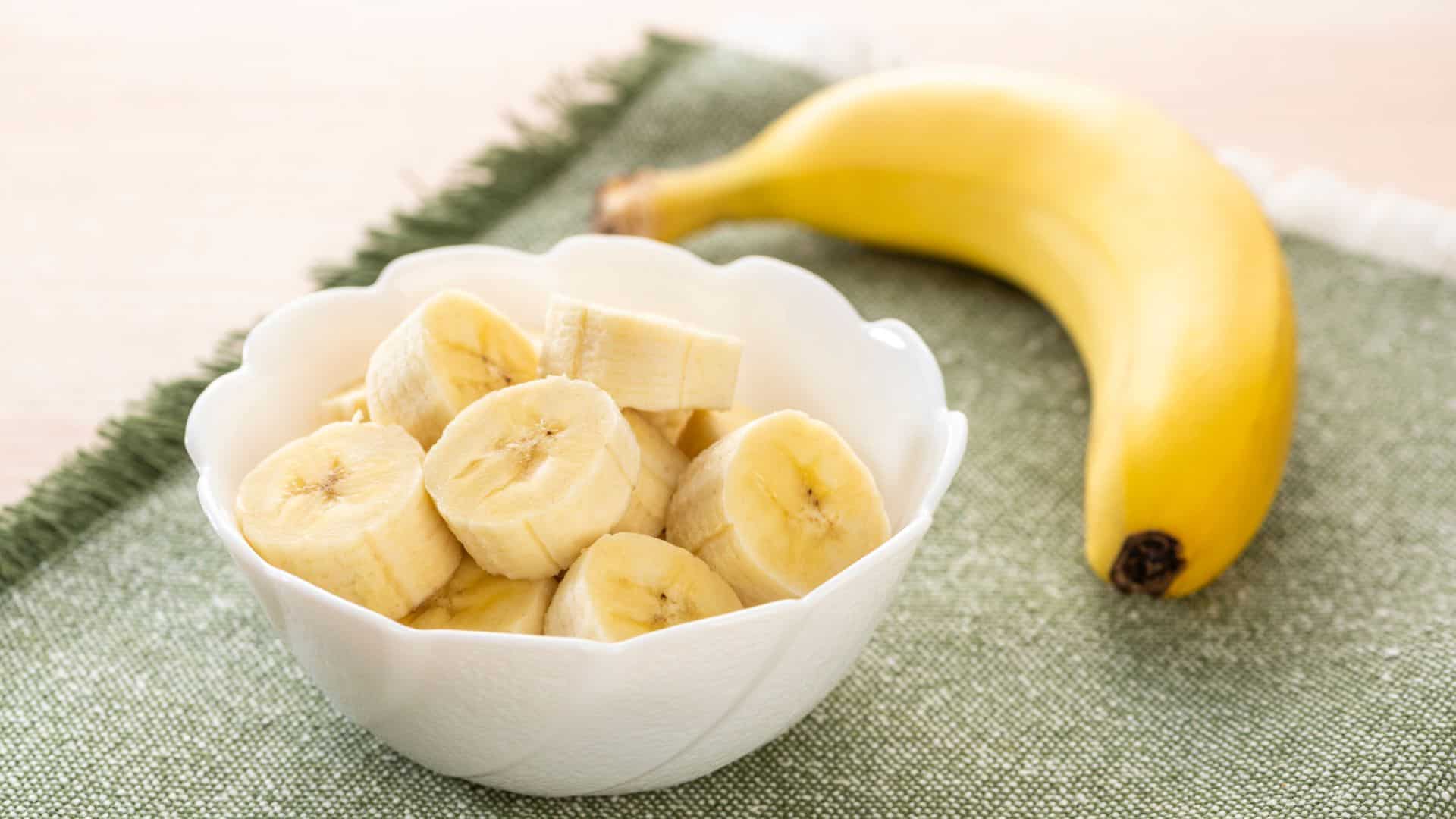
Bananas are not very long-lasting fruits, even with all of the storage tricks we mentioned. When left on shelves, bananas will decay from two to five days after you buy them. In the fridge, they can last for about a week.
A good rule of thumb is to avoid buying bananas unless you're ready to eat them soon.
Leave a Reply