
Let’s face it—America runs on sugar. From morning coffee loaded with syrup to dessert after every meal, sweet treats have become part of daily life. But this obsession didn’t happen by accident. Cultural habits, emotional triggers, and even history all play a role in why sugar has such a tight grip on the country. Once you see what’s behind it, the sugar craze starts to make a lot more sense.
Note: The content of this article does not reflect the Writer's personal beliefs.
A sweet party
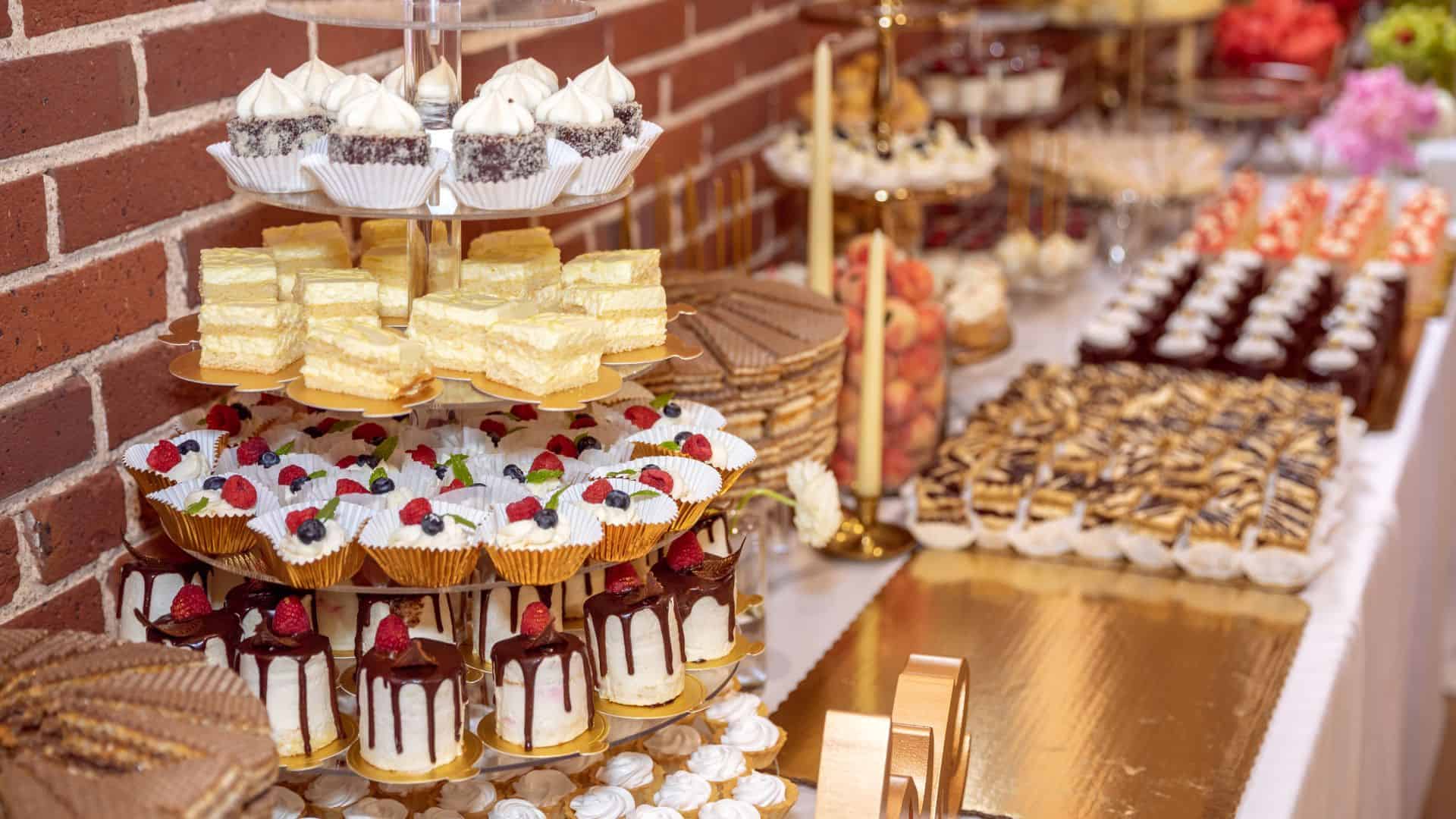
A recent survey revealed that almost half of Americans (nearly 48%) attend parties and social events to try the dessert. Of course, this statistical figure gives us a deeper insight into Americans and their never-ending obsession with candy.
Most Americans find sweets as the only motivation behind attending social events. To them, a dessert or sweet is the only reward for attending events that might drain their social batteries.
Staying for the treats

Even if people aren’t attending an event for the sweets, they will stay behind for it. Most Americans who plan to leave a party early decide to stay late when they realize the event/party will serve desserts.
Perhaps the idea of desserts is tempting, or maybe people find it rewarding. Whatever the reason, about 43% of the surveyed population admitted to staying behind to eat as much dessert as possible.
Nostalgic memories

You might wonder why Americans are so obsessed with candies and other desserts. Well, most older folks grew up eating unlimited candy. Since parents rarely restricted their intake, they grew up eating heaps of desserts.
Naturally, eating desserts has become a habit. It also reminds countless Americans of cherishing moments and memories they formed while eating sweets. Eating dessert takes most people back to their childhood.
Peak sweet season

You might be surprised that the Halloween and Christmas holidays didn’t always revolve around candy. These holidays gradually adapted into sweet traditions because people loved sharing sweet treats like chocolates during festivities.
This is why 76% of the surveyed population admitted to eating sweets more during the festive season than at any other time. To them, the festive season is about sharing desserts and cherishing memories.
Purposely selfish
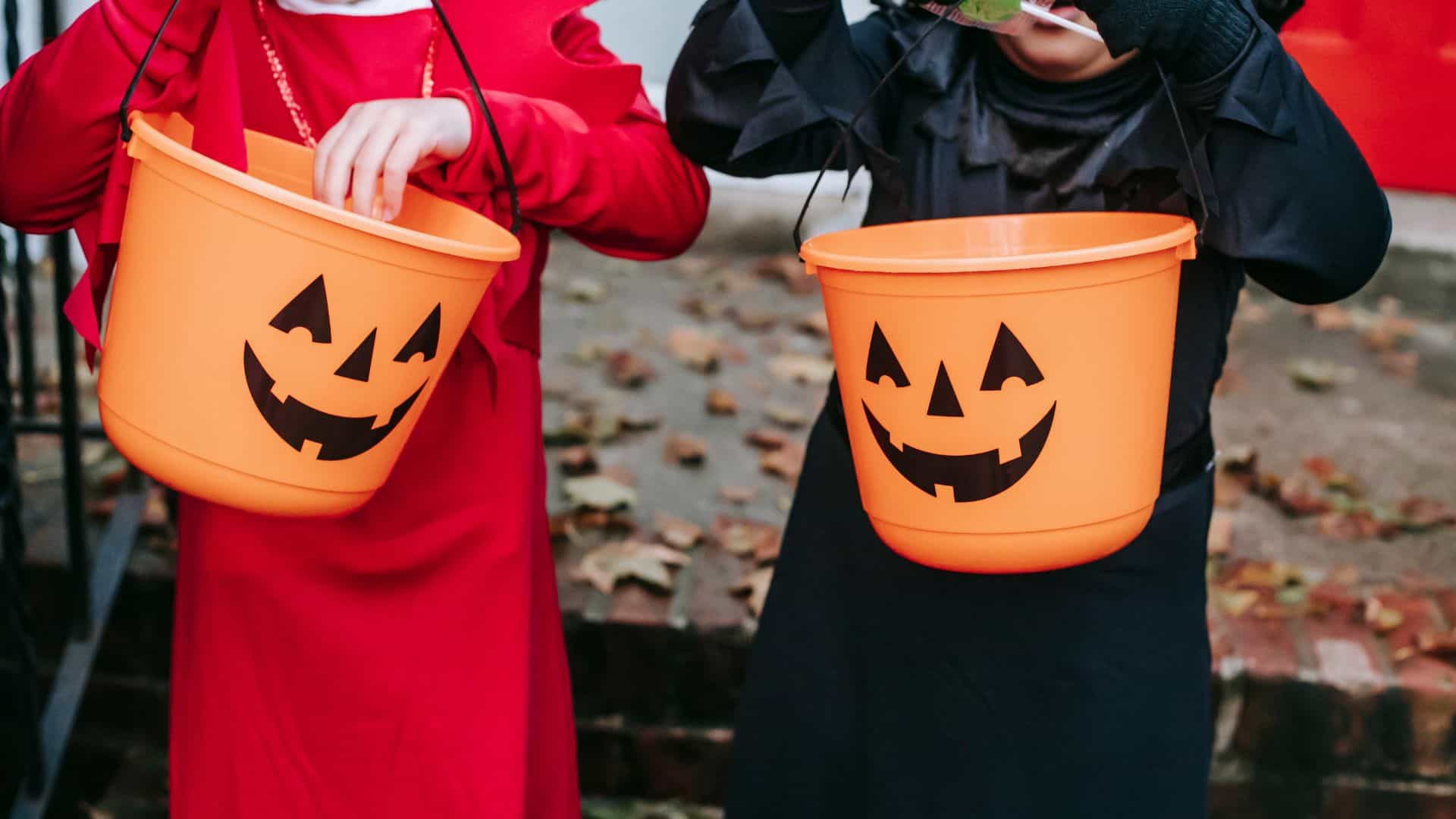
We’ve all hid our Halloween candies from siblings and parents because we don’t want to share. Naturally, this purposeful hiding of sweets is something most Americans find relatable.
Nearly half of the population admits they feel possessive over their candies and refuse to share them. Desserts and other sweet treats are often considered personal indulgences, so people hide their candies and chocolates to avoid sharing.
Overconsumption

Of course, all this craze about chocolates, candies, and baked desserts comes with a hefty price. Most Americans who grew up eating heaps of candies can’t control their consumption, so they overeat.
According to the survey, the average American eats as many as 12 pie slices during the festive season. This extreme consumption isn’t limited to pies, so people increasingly eat sweet foods that may threaten their health.
Insane cravings

There’s a reason we can’t stop eating something sweet once we’ve begun; desserts are fascinating and addictive, so it’s impossible to look back once you get a bite. Sadly, most sweet-toothed Americans agree.
Eating heaps of candies, chocolates, and desserts can cause intense sweet cravings that are difficult to curb. People are forced to eat sweet foods because their bodies are used to the consumption and develop a craving.
Something to celebrate about

Americans aren’t blindly eating candy whenever they like; most like sharing sweet treats to celebrate or commemorate a special achievement. Graduation, birthdays, weddings, and pregnancies are all marked with desserts.
Naturally, this means the candy-eating population is much more excited about celebrating the little things in life. Even if they were to ditch the candy, they’d find little achievements motivating and pleasing.
Initiating celebrations

Don’t underestimate America’s fondness for sweets and desserts; their regular and constant consumption has initiated smaller events, eventually transforming into more significant candy-centric celebrations.
For example, the infamous confectioner, Sander’s Candy, gave rise to the National Sea Salt Caramel Day on November 13. Since this day is celebrated only in the U.S., it gives us a deeper insight into the importance of sweets for Americans.
Criteria for quality
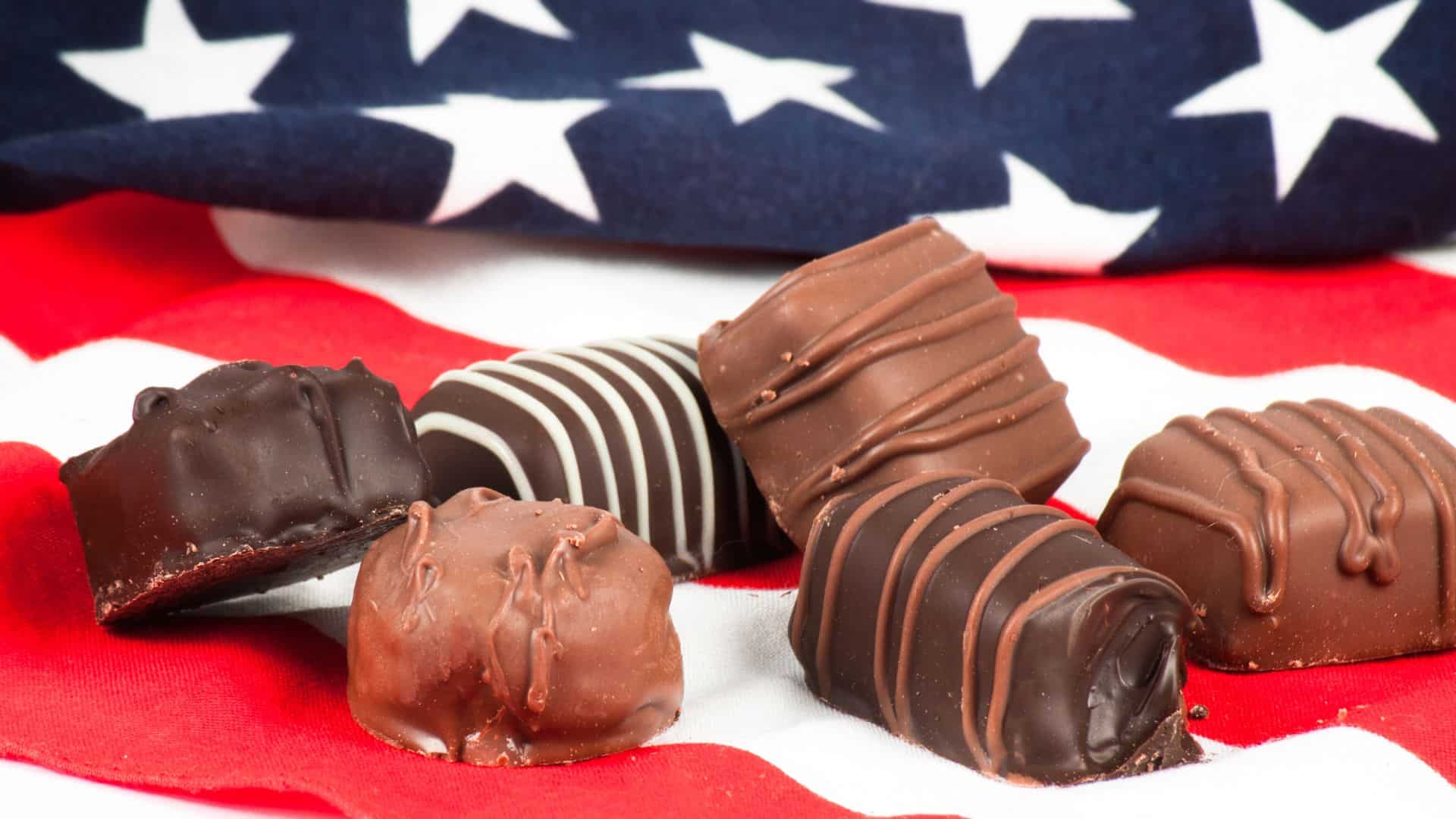
Many foreigners believe American candy is sweeter and needs more quality. But this isn’t the case. Americans are weirdly obsessed with sweets, so they’re unwilling to compromise on quality.
Most American sweets are quality-checked based on a few strict markers. The taste, mode of production (homemade or commercially produced), and small-batch production are several factors used in candy-checking criteria.
Seasonal flavors
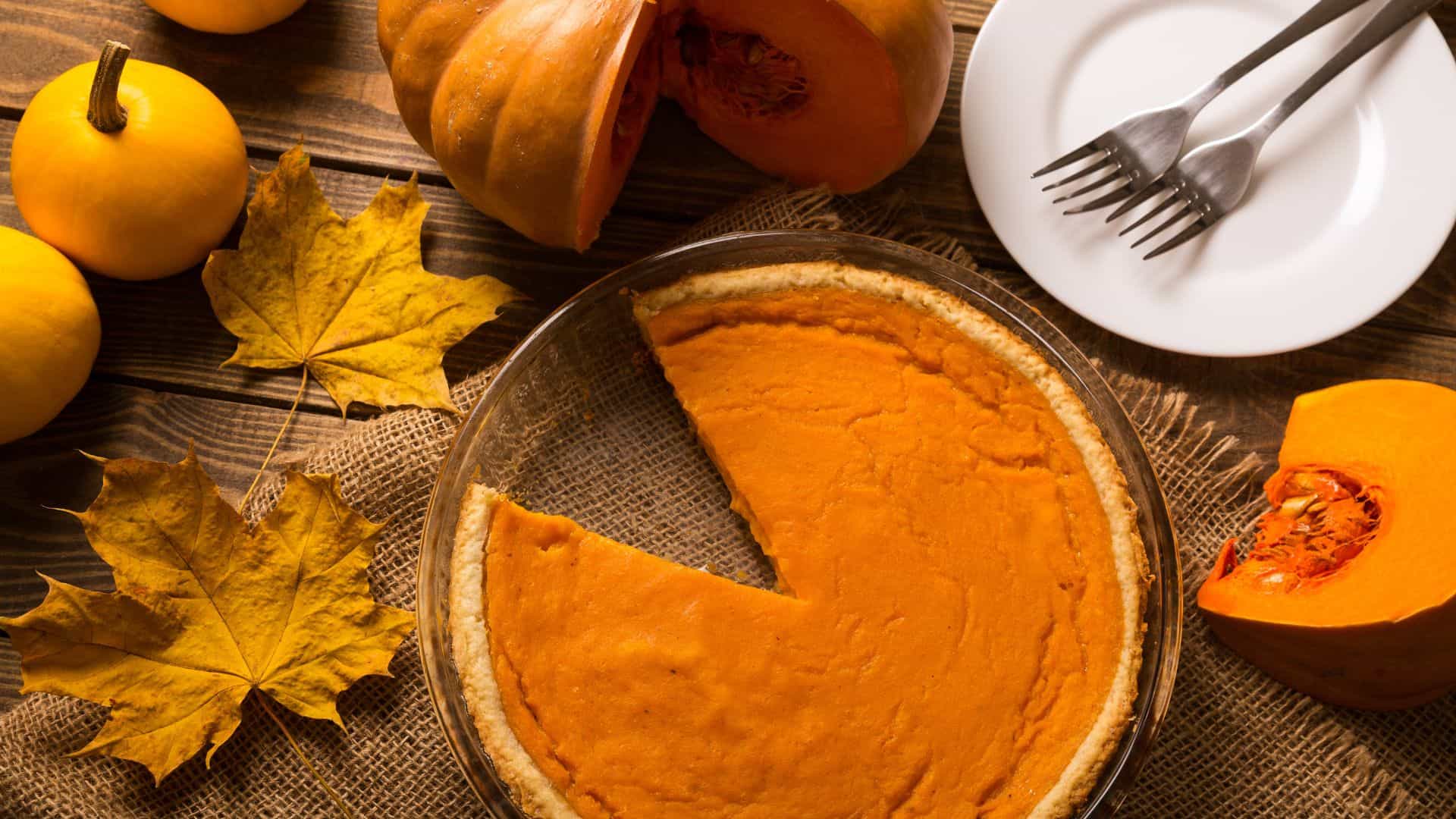
Just like most American cuisine, American desserts and sweets are inspired by seasonal changes. Almost every festive season witnesses a hike in seasonal flavors in chocolate, candies, and baked desserts.
Most Americans love pumpkin-flavored desserts during Halloween and Thanksgiving, while others appreciate peppermint combinations closer to Christmas. Gingerbread and salted caramel are also two of the most popular flavors.
Top choices
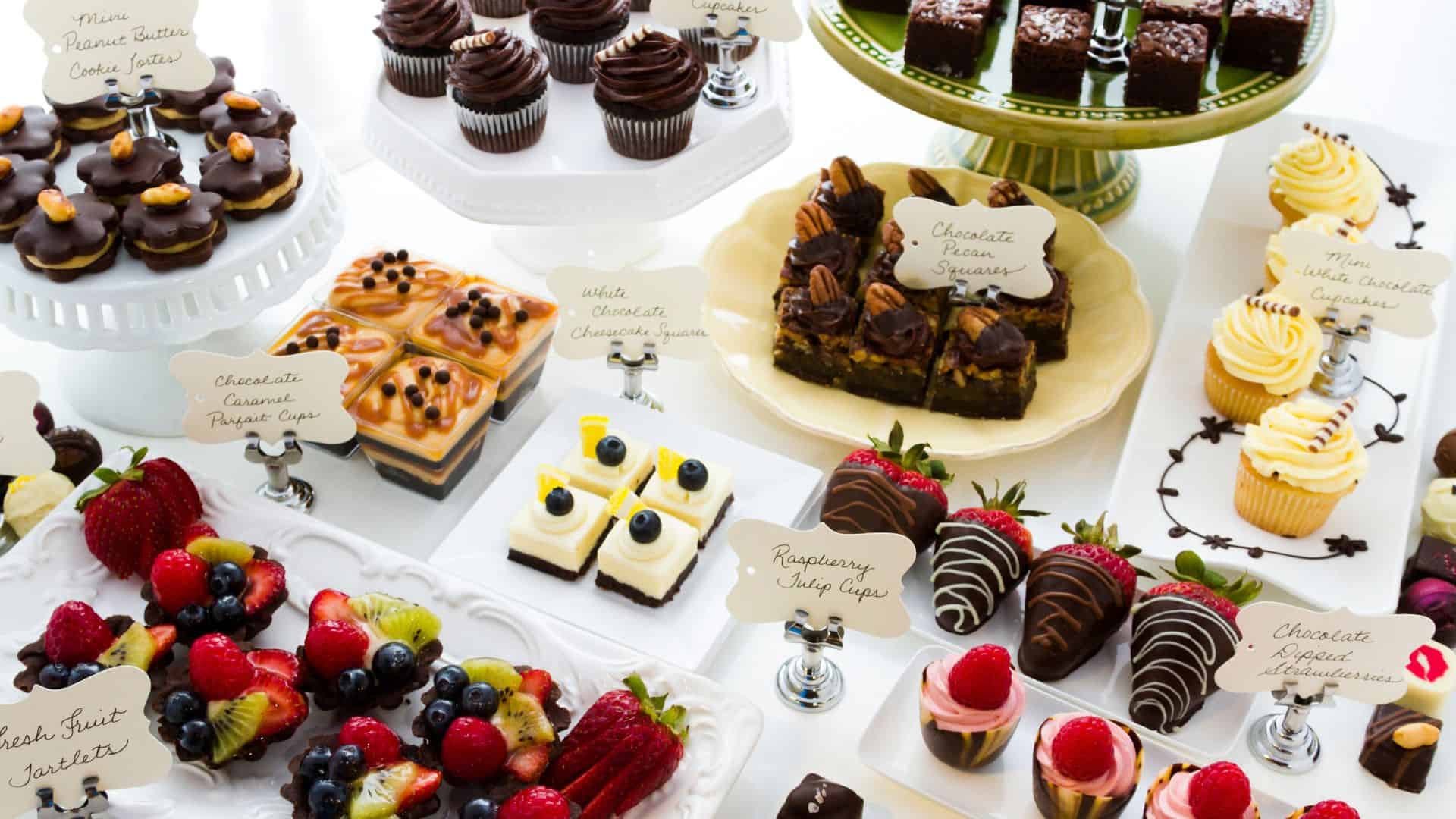
The survey concluded that Americans are generally fond of desserts but prefer some desserts over others. Cookies, candies, and chocolates are America's most famous dessert choices.
Runner-up desserts include pies, cakes, and cupcakes. A significant portion of the American population indulged in caramels and gingerbread. Popular flavors include peppermint, salted sea caramel, pumpkin spice, and maple.
Wait Until Winter

While most people love eating sweets all year, many say they are more likely to indulge at the end of the year. Why? Because 46% of people feel that winter and fall have the best flavors.
Save up those calories for pumpkin spice season! That is when almost everyone starts eating as many sweets as they want.
This article was inspired by Talker News and was first published at Spatula Desserts.
Leave a Reply