
If your grocery bill keeps climbing, you’re not alone—and you don’t have to keep paying more than you should. With just a few smart habits, you can stretch your budget without giving up the foods you love. These shopping tips are easy to follow and surprisingly effective, especially when used together. From strategic planning to checkout tricks, these ideas can make a real difference the next time you hit the store. Give them a try and watch your savings grow week after week.
Plan you Meals

Planning your meals can save you thousands of dollars per year. Knowing precisely what you will eat will help you avoid buying food that will stay in the fridge for months to be thrown away in the bin. Make sure to plan all your meals at the beginning of each week.
Choose the Right Store

Choosing the right store is fundamental to saving money. You’ll be surprised by the price difference between stores located only a few miles apart. Do a bit of research and choose the supermarket with the cheapest products.
Eat Before Heading Out

Shopping while hungry is never a good idea. You will end up buying food you don’t need due to your temporary cravings. There is no need to have a full meal, but make sure to always have a quick snack before entering a supermarket to avoid this.
Take Your Time

Either you save money, or you save time. Choose one of the two and stick to it. If you’re truly serious about lowering the price of your grocery receipts, you will need lots of time to compare prices, check different items in different stores, and look for coupons.
Check the Top and Bottom Levels of the Shelves

Supermarkets often display the most expensive brands right at eye level, making people more likely to choose those. The cheapest brands are always found on either the top level or bottom level of the shelf, so make sure to check these areas out on your next trip to the store.
Check Seasonal Veggie and Fruit
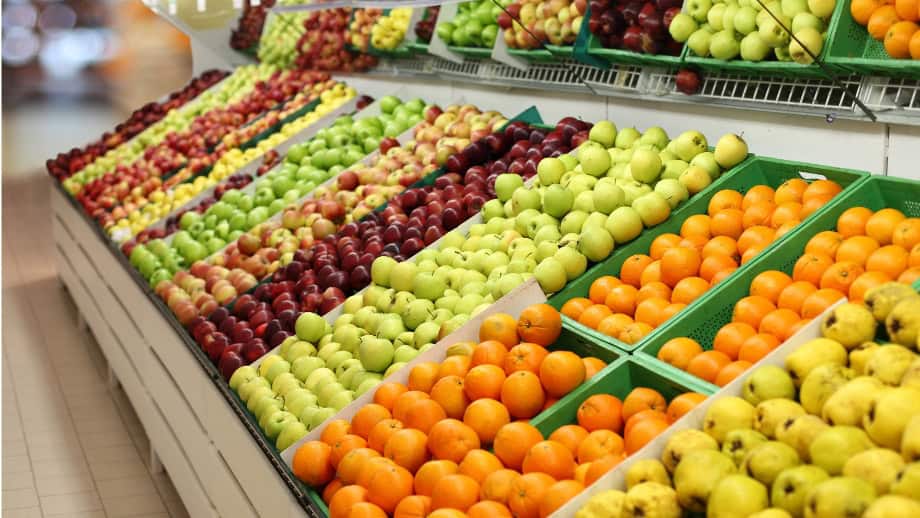
Seasonal vegetables and fruits tend to cost less than products out of season. But this is not all. They also tend to contain fewer artificial preservatives, so they are not only better for your health but also for your wallet!
Bring Your Reward Card

You should get one right now if you don’t have a reward card. Depending on the supermarket, these can give you access to amazing discounts or even give you money back for every dollar spent. However, remember that this also means giving some of your personal information.
Use Coupons

Coupons can help you save plenty of money if you use them properly. Experts suggest starting small by choosing a supermarket and downloading their app to see if there are any coupons available.
Track Your Spending

Tracking your spending is one of the simplest yet most powerful ways to save money. When you know exactly where every dollar is going, it’s easier to spot unnecessary expenses and make smarter choices. Budgeting apps can help you categorize purchases, set limits, and visualize your habits over time. It’s not about restricting yourself—it’s about being in control and spending with intention.
Check ‘Almost Out of Date’ Items

Most stores now have an ‘almost out of date’ section. Here, you will find food that is about to expire, usually in a couple of days, being sold at lower prices. If you have nothing to eat tonight, this is the place to buy your dinner.
Buy in Bulks

We all know items without an expiration date should be bought in bulk. However, the same strategy can also be used for food at times. The secret to avoiding waste? Use what you just bought to prepare yummy jams or salsa and store them in the fridge safely. Alternatively, wash, cut, and freeze your veggies.
Skip Brand Name

Brand-name food items always cost more; however, many grocery stores offer their store-brand items at a lower cost. Brand-name peanut butter and store-brand peanut butter are probably the same thing, but the big brand name will cost you way more. Stop paying for the label and buy the store brand instead.
Bring Your Bag

Always bring a fabric bag with you whenever you go shopping. This will limit your plastic waste and prevent you from spending extra money on a bag you don’t need. Make sure to bring more than one whenever you shop in bulk.
Check Out Your Local Market

Local markets often offer better vegetable and fruit options for lower prices. Check them out before buying the same ingredients at your local store. This will also help you support your local community.
Freeze Your Foods

When you find a good deal on fresh produce or meat, buy a bunch! Lots of veggies and fruits can be frozen and saved for later. You can also freeze pretty much any kind of meat or seafood. Buying extra food when the price is right will save you money in the long run.
This article was first published at Spatula Desserts.
Leave a Reply