
Baking might seem simple, but getting consistent, delicious results takes more than just following a recipe. After years of professional baking, I’ve learned which shortcuts backfire and which habits are worth breaking. There are certain things I never do in the kitchen—because I know they lead to dry cakes, tough cookies, or flat pastries. If you want to level up your baking game, these tips will help you avoid the most common mistakes.
Not Use Accurate Measurements

Unlike cooking (where so many of us improvise), you need accurate measurements to ensure the right chemical reactions. I like using a digital scale to measure ingredients by weight rather than volume, which helps achieve consistent, reliable results.
Using Cold Ingredients

Cold ingredients are important to use, but only when specified. Otherwise, they could negatively impact the texture and consistency of your baked goods. Most recipes call for room-temperature ingredients because they mix more evenly and help achieve the desired texture.
Ignore Recipe Instructions

Every step in a baking recipe is there for a reason. Ignoring instructions or taking shortcuts can lead to poor results. For instance, over-mixing batter can make cakes dense, and skipping resting times for dough can affect the final texture.
Overcrowd The Oven

Baking too many items at once can cause uneven cooking. Items may not bake evenly if they are too close together, leading to inconsistent textures. I always ensure there is enough space for air to circulate around each item, baking in batches if necessary to maintain quality.
Neglecting Cooling Time

Proper cooling is essential for the texture and structure of baked goods. Removing items from pans too quickly can cause them to break or become soggy. I always let my baked goods cool on a cooling rack for the recommended time to ensure they are set properly.
Not Preheating The Oven

Preheating the oven ensures it reaches the correct temperature before you start baking. Placing items in an oven that isn’t hot enough can result in uneven baking and poor texture. Preheat your oven for at least 15 minutes and ensure the correct temperature for your baked goods.
Use Expired Ingredients
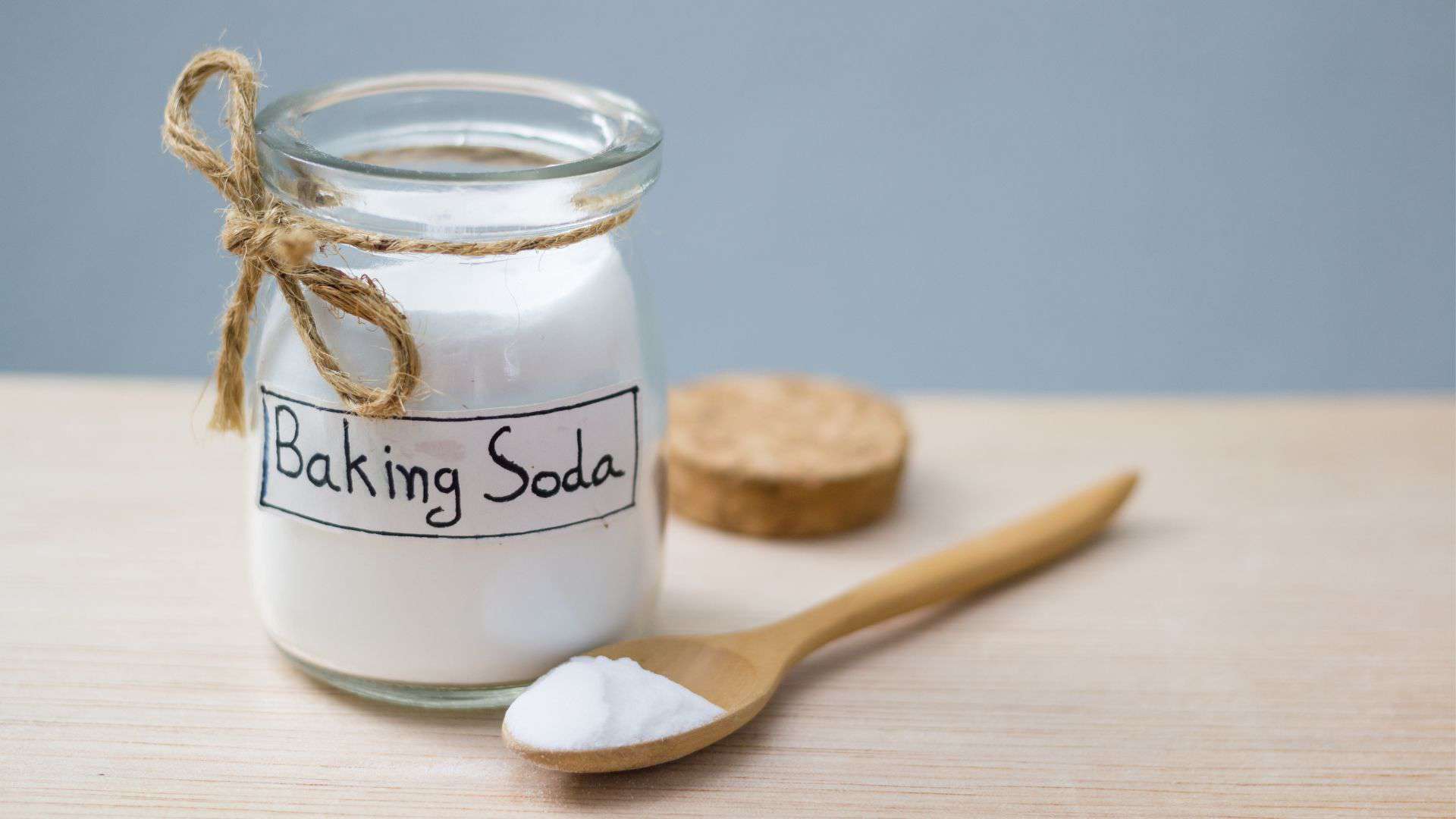
Baking ingredients lose their potency over time. I regularly check the expiration dates of my ingredients and replace them as needed to ensure they perform as expected. Expired ingredients can compromise the flavor and effectiveness of your baked goods.
Overlooking Oven "Hot Spots"

Rotating pans halfway through the baking time can help mitigate this issue, as ovens tend to have a spot that gets more heat and can cause uneven baking. I always watch my items and rotate them as needed to ensure even cooking and prevent over-browning on one side.
Overlook Ingredient Quality

I always use high-quality, fresh ingredients to achieve the best flavor, texture, and outcome for my baked goods. For example, real vanilla extract provides a richer taste than imitation, and fresh butter offers better results than margarine.
Rush The Baking Process
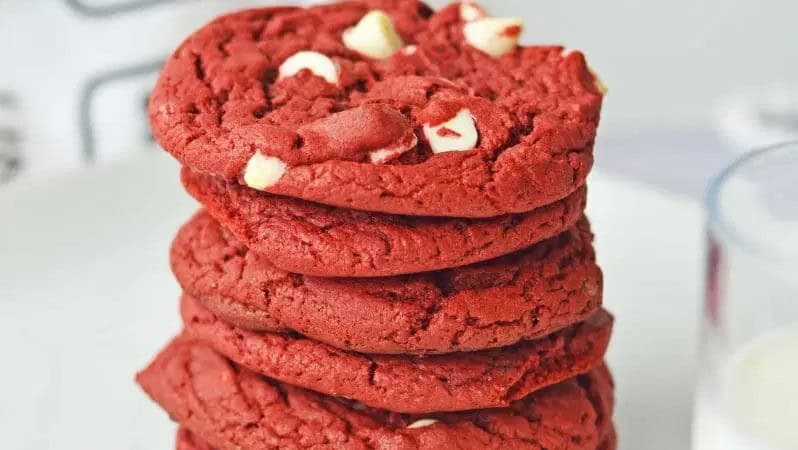
Patience is key in baking. Rushing through steps, especially those that require resting or proofing times, can lead to subpar results. Allow adequate time for each step, understanding that good baking cannot be hurried and that time is essential.
Not Adjusting To Taste

Tasting your batter or dough (when safe) before baking can provide valuable insights into flavor balance. I like to taste and make slight adjustments, whether adding a bit more sugar, salt, or vanilla to the mixture.
Not Cleaning Between Uses

Cross-contamination of flavors or ingredients can ruin a good bake. I always clean my mixing bowls, utensils, and surfaces between different uses to avoid unwanted flavors or allergens. Keeping a clean workspace also helps maintain the integrity and consistency of each recipe.
Leave a Reply