
The way we think about and interact with food plays a major role in our physical and mental health. While it’s completely normal to enjoy eating, certain patterns and thoughts around food can quietly become harmful. Sometimes, what seems like discipline or healthy habits may actually be signs of a deeper issue. Recognizing the early signs of an unhealthy relationship with food is the first step toward making positive changes. Here are 12 clues to watch out for.
Note: The content of this article is for informational purposes only and is not a substitute for professional advice. Always consult with a qualified professional for advice tailored to your individual circumstances.
Always Thinking About Food

If you obsess over food all the time, planning your next meal while you're still eating, or constantly worrying about food choices, it could signal that you have an unhealthy relationship with food. It's important to find balance and focus on other aspects of life.
Punishing Yourself Using Food

Turning to food as a reward for good behavior or withholding it as a form of punishment can create a negative relationship with eating. This can lead to emotional eating and an unhealthy mindset around food. Instead, try to find other rewards and methods of self-discipline to implement.
Feeling Guilty After Eating

Experiencing guilt or shame after eating, especially after consuming certain foods, is a red flag. Food should be enjoyed without negative emotions attached. Enjoy whatever you want to (in moderation) without judgment.
Skipping Meals To Cut Calories

Skipping meals in an attempt to control calorie intake can backfire, leading to overeating later on and disrupting your body's natural hunger signals. Instead, focus on eating balanced meals. Try your best to eat balanced, consistent meals to keep your metabolism and energy levels up.
Restricting Entire Food Groups

Eliminating whole food groups from your diet without medical necessity can lead to unhealthy relationships and attitudes toward food. If you have dietary restrictions, consult with a nutritionist to ensure you're still getting all the necessary nutrients.
Coping With Eating

The occasional stress meal isn't a big deal, but constantly needing food to cope and deal with your emotions can be a big red flag in your relationship with food, creating a cycle of negative emotions and eating habits. Find alternative coping mechanisms like journaling or exercising.
Over Eating Or Binge Eating

Frequently eating large quantities of food in a short period, even when you're not hungry, can point to a binge eating disorder. This behavior often leads to feelings of shame and loss of control. Seeking help from a professional therapist or a support group can be beneficial.
Always Dieting

Jumping from one diet to another and constantly seeking the next best weight loss plan can be harmful. Chronic dieting can disrupt your metabolism and lead to disordered eating patterns and bad eating habits.
Avoiding Social Situations Because Of Food

If you find yourself avoiding outings because of fear of being around food, it could indicate an unhealthy preoccupation with eating. Social interactions are important for mental health, so try to find a balance that allows you to enjoy these events without stress.
Fear Of Eating In Front Of Others

Feeling anxious or self-conscious about eating in public can point to an unhealthy relationship with food and body image. Practice eating with trusted friends or family members to build confidence and reduce anxiety about eating in front of others.
Labeling Normal Food As "Good" Or "Bad"
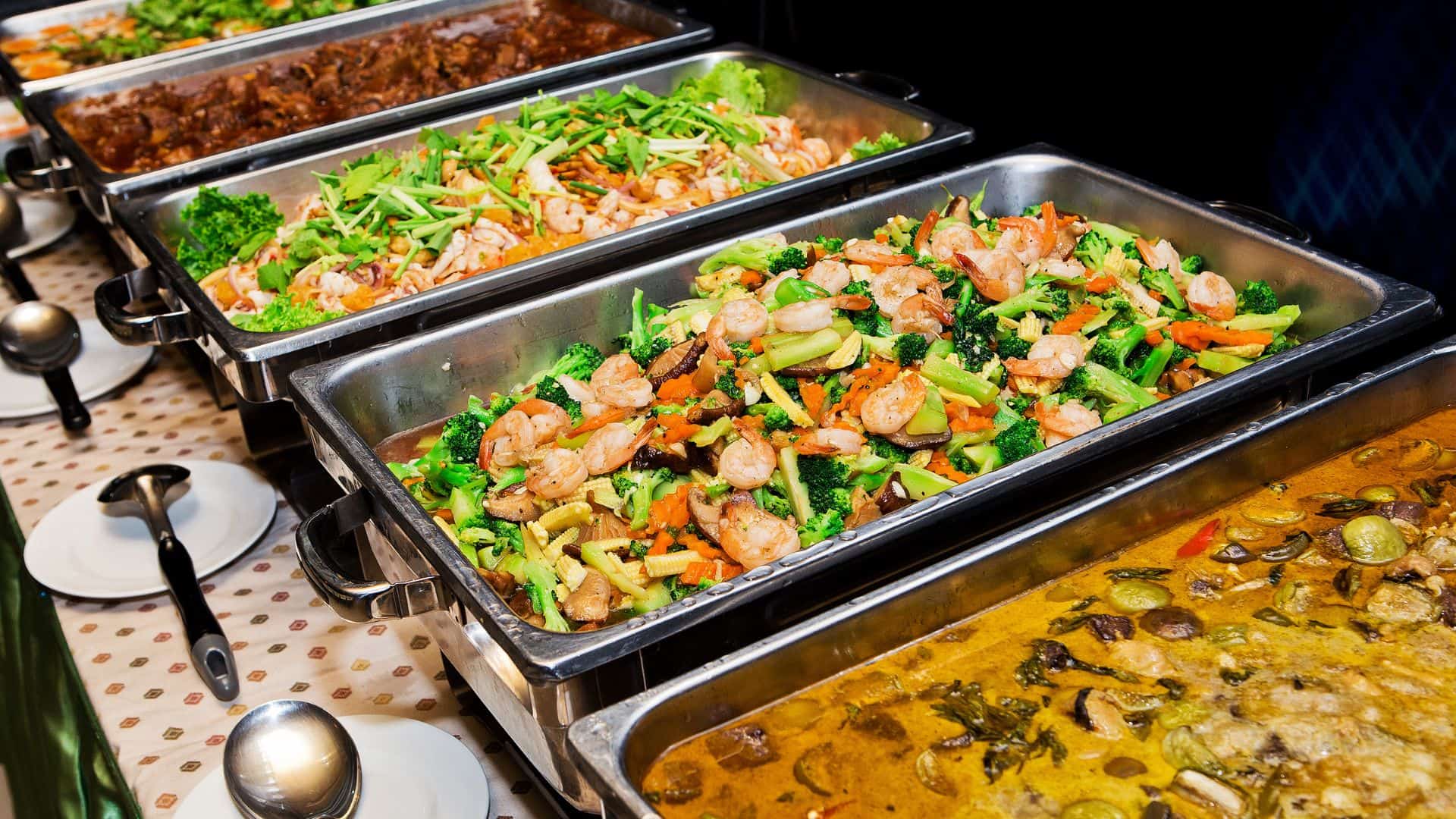
Looking at food as 'good' or 'bad' may cause a restrictive mindset and unhealthy eating patterns. When balanced moderately, any food can fit into a healthy diet. Develop a more balanced view of food where no item is off-limits, and enjoy a variety of foods without labeling.
Ignoring Hunger And Fullness Cues

Ignoring your body's natural hunger and fullness signals to adhere to a strict eating schedule or diet plan can disrupt your intuitive eating habits. Learn to listen to your body and eat when you're hungry, stopping when you're satisfied.
Leave a Reply