
After testing thousands of recipes as a professional chef, I’ve learned that not all recipes are created equal. Some lead to incredible dishes, while others end in disappointment. Over time, I’ve picked up key tricks to quickly judge whether a recipe is worth trying or best avoided. These 14 simple tips will help you spot a winner before you even step into the kitchen. With a little know-how, you’ll cook smarter and waste less time on recipes that don’t deliver.
Note: The content of this article does not reflect the Writer's personal beliefs.
Read It Through

Always read a recipe all the way through before you start baking. You want to make sure that the steps in the recipe make sense. If steps are missing or the ingredients don’t really sound correct, you may want to look for another recipe. A recipe should always make logical sense.
Look for Reviews

One of the first things you should look for in a recipe is if it has reviews. Any good recipe will have some reviews even after a few days of being posted. Reviews can tell you so much about a recipe.
Real people leave reviews, and they have already tried the recipe you are considering. If the reviews look good, then you have a winner! If people say a recipe is bad, it probably is.
Look at The Pictures

A lot of bad recipe websites will use stock photos and pretend that they are their own. You don’t want to start making a recipe and find out that the final product looks nothing like the picture you saw online.
Do a quick Google image search to see if the photo pops up on other websites. If it is a stock photo, you will likely find it in many other places. If it is an original image, you won’t be able to find it anywhere else! Then you’ll know it is real, and the recipe should turn out like the picture.
Look at the Website
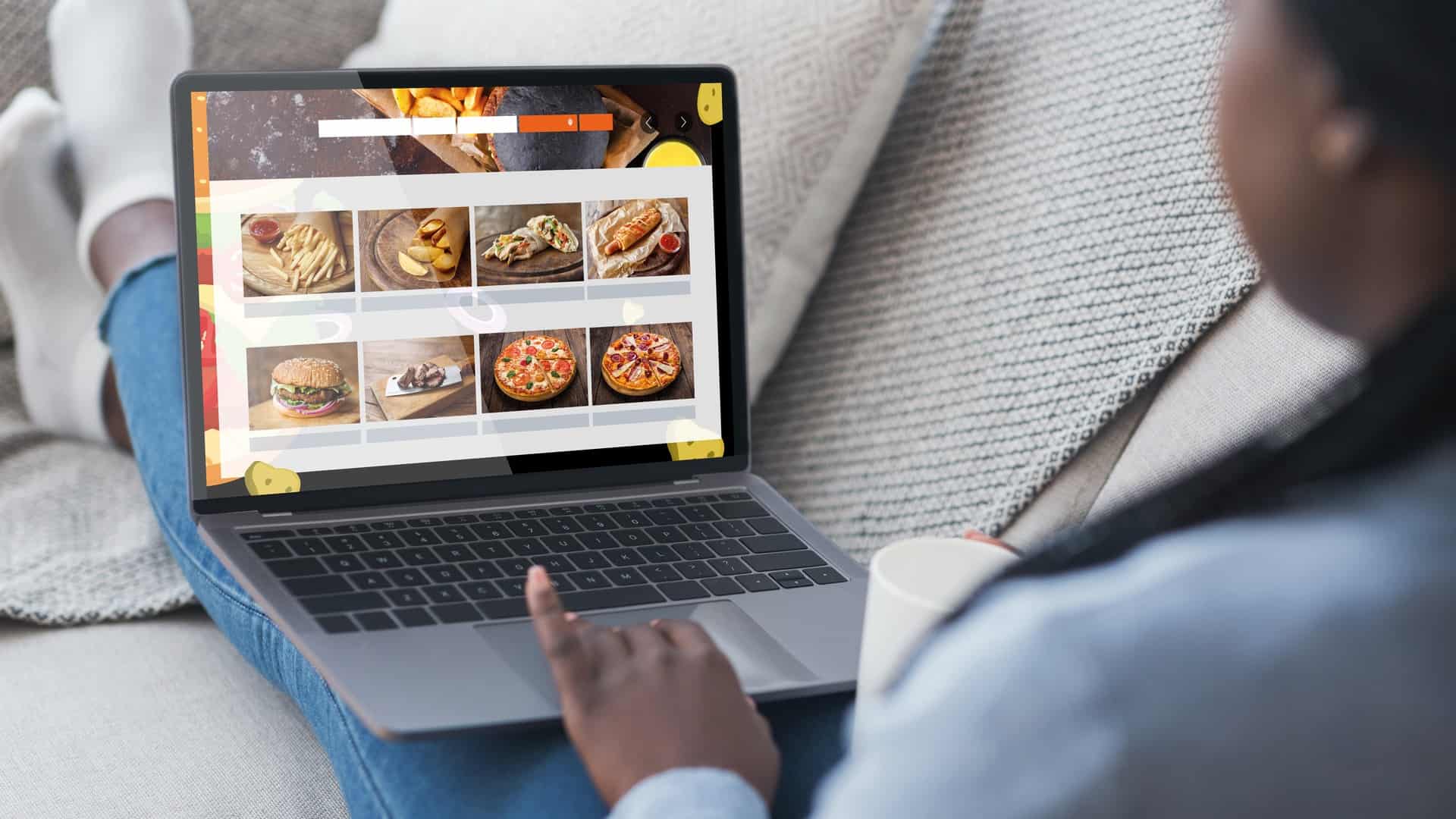
Click around on the website and look at some of the other recipes and content. A good website should have lots of original content and recipes. They should have a nice balanced array of recipes with at least some reviews.
Even a newer website will be developed to the point where it looks reliable. You’ll be able to spot a fake website with just a few clicks! If they only have one or two recipes, no photos, or no information at all, you may want to move on.
A recipe with spelling mistakes was likely thrown together by a computer or someone just trying to create content, not write a good recipe quickly. True chefs and food bloggers will check their work and take pride in their recipes! There will be no spelling mistakes in a real, good recipe.

Look For Spelling Errors
Use Your Brain

Look over the recipe and really think about what you are reading. Does it ask for 4 Tablespoons of salt? Are you supposed to pan-fry ingredients for 2 hours? Things that seem outrageous probably are. Look for red flags in any recipe. They will tell you to stay far, far away.
Overly Complicated Steps

Read over the directions in the recipe. If the steps seem extremely complicated or if the list of steps just goes on and on and on, you may want to consider a different recipe. You don’t want to get into a cooking project only to realize the recipe is super complex and not doable for the average cook.
Yes, some recipes are hard and challenging, but sometimes, the author just makes the steps wordy and adds things unnecessarily. Skip the super long recipes, especially when they are something you have never made before.
There Are No Steps

If you pull up a recipe with no steps, just a big block of text, immediately skip it. This shows that the recipe writer didn’t take the time to break down the recipe into easy-to-follow steps. If they don’t have time to write the recipe correctly, then it probably isn’t worth your time either.
Old Websites

You can immediately tell if a website is constantly updated or if it is from 1999. Web design and style evolve and change just like any trend. You can quickly tell if the site is maintained or if it is ignored.
Try not to use recipes from old, outdated sites. If the website owner didn’t care enough to keep up with their website, the recipes probably aren’t all that good.
Look for Times
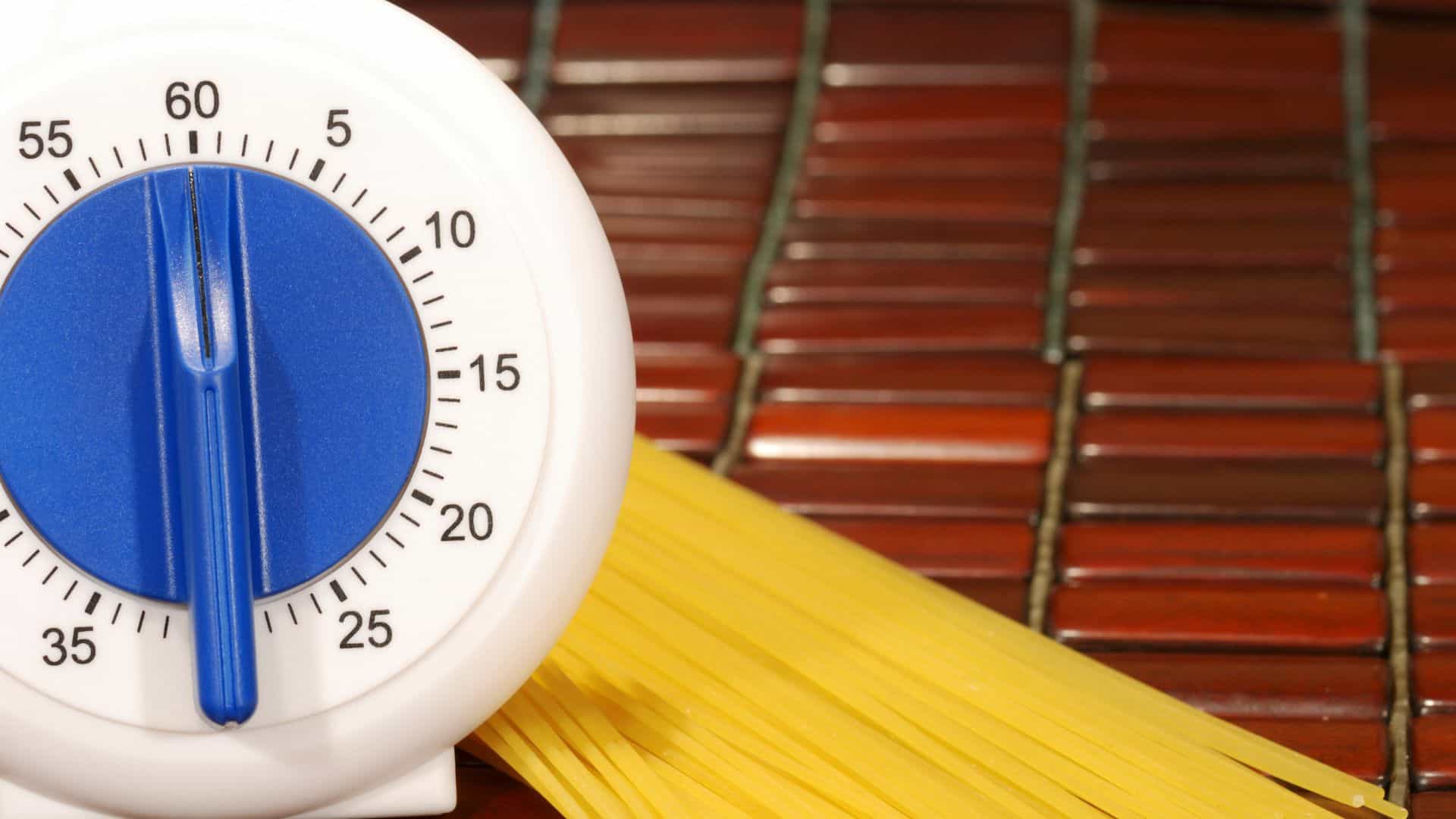
Good recipes will tell you exactly how long they will take to prepare, to cook, and to cool. All these essential times should be listed near the top of the recipe.
Lots of recipes will also have specific times listed in the steps section. Stir for 3 minutes, whisk for 30 seconds, or bake for an extra 10 minutes are all examples of nice, detailed directions. Times are important, and recipes that specify certain times are likely to be reliable.
Look for Multitasking

True chefs are always multitasking in the kitchen. While one thing is baking in the oven, they are busy stirring up the sauce. If a recipe asks you to multitask, it was probably written by a pro.
We don't have all day to spend in the kitchen, so using your time wisely is essential. A pro chef will write a recipe that helps you make a dish efficiently.
Can’t Find The Recipe

Don’t you hate it when recipes are buried beneath pages and pages of text? We definitely do. If you can’t even find a recipe on the webpage, you have a serious problem. You can’t make that award-winning cheesecake if you can’t get past the mess of text. Avoid any recipe website that buries their recipes in nonsense.
Super Rare Ingredients

If a recipe calls for a quail egg, a sheet of gold leaf, or a scoop of kopi luwak coffee grounds, you know you are looking at an impossible recipe. Recipes that use extremely rare ingredients most often don't work. The recipe author is asking for things that are way too expensive and don't even make sense in the recipe. Be wary of anything made with super rare, hard-to-find ingredients.
Look for an Author

Chefs love to take credit for their masterpieces. Almost every good recipe has a chef's name attached to it. Make sure you choose a recipe that has a real author. Something created by AI or by a mystery writer may not be a good choice.
This post was originally published on Spatula Desserts
Leave a Reply