
Navigating the aisles of your local grocery store, you might feel confident in your ability to make healthy choices based on food labels. However, many of these labels are designed more for marketing appeal than nutritional transparency. Terms like "low-fat," "multigrain," or "natural" can be misleading, often masking less desirable ingredients or processing methods. To help you become a more informed shopper, we've compiled a list of 16 common food label claims that may not mean what you think, enabling you to make choices that truly align with your health goals.
Note: The content of this article is for informational purposes only and is not a substitute for professional advice. Always consult with a qualified professional for advice tailored to your individual circumstances.
Light

"Light" is one of the most ambiguous food labels. It can mean fewer calories, a lighter color, or even milder flavoring. Without a standard definition, this label is often used to mislead consumers into thinking the product is healthier than it truly is.
Organic
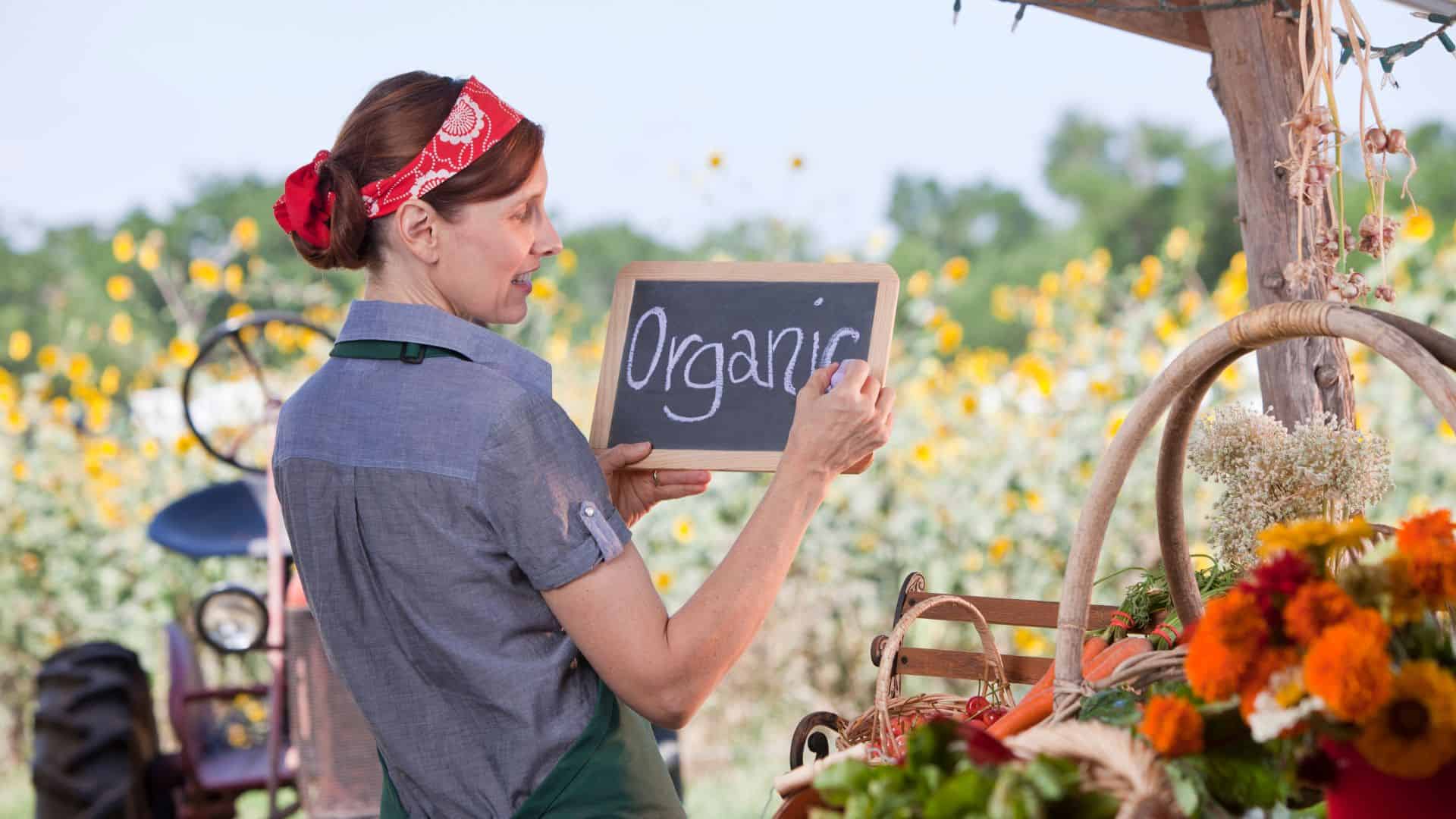
Organic foods are trendy and often associated with healthier choices. This label suggests the food is made without synthetic fertilizers or GMOs, but it doesn’t guarantee balanced nutrition or low calories. While organic can mean fewer chemicals, it doesn’t always mean the food is the healthiest option, so it’s important to check the full nutritional content.
Natural
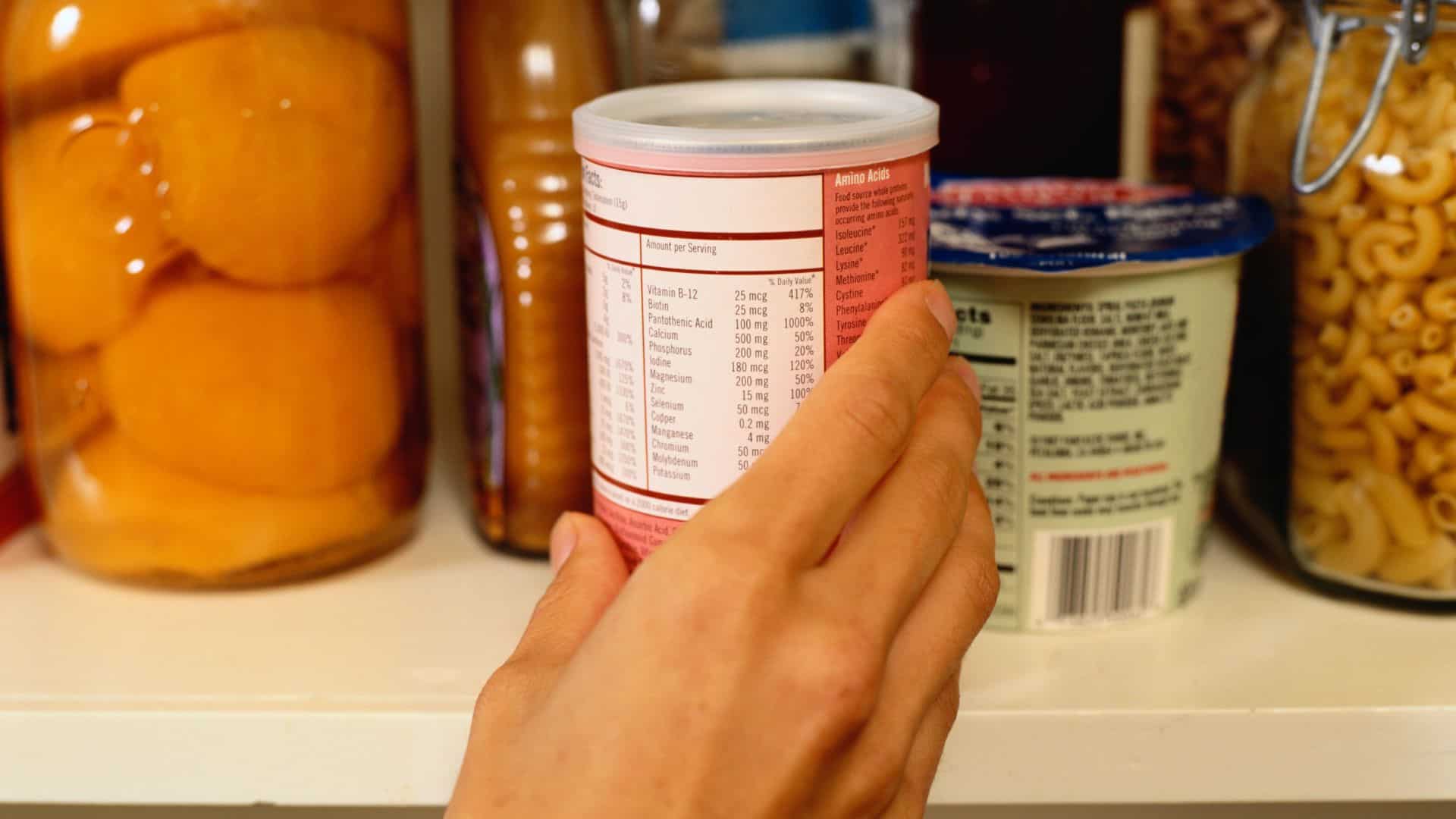
The term "natural" is often mistaken for being the same as organic, but they are very different. Natural foods may not have artificial colors or additives, but they can still be produced using questionable farming methods. This label isn’t closely regulated, so even products with the word "natural" might not be as pure as they seem.
Made with real fruit

This label is often true, but it comes with a big loophole that food brands love to cash in on. This loophole allows them to fool naive people like us.
Seeing "made with real fruit" on a label might sound promising, but it doesn’t guarantee much. Many products use only a small percentage of real fruit. These items are often packed with artificial flavoring and added sugars, making them far less wholesome than they appear.
Fortified
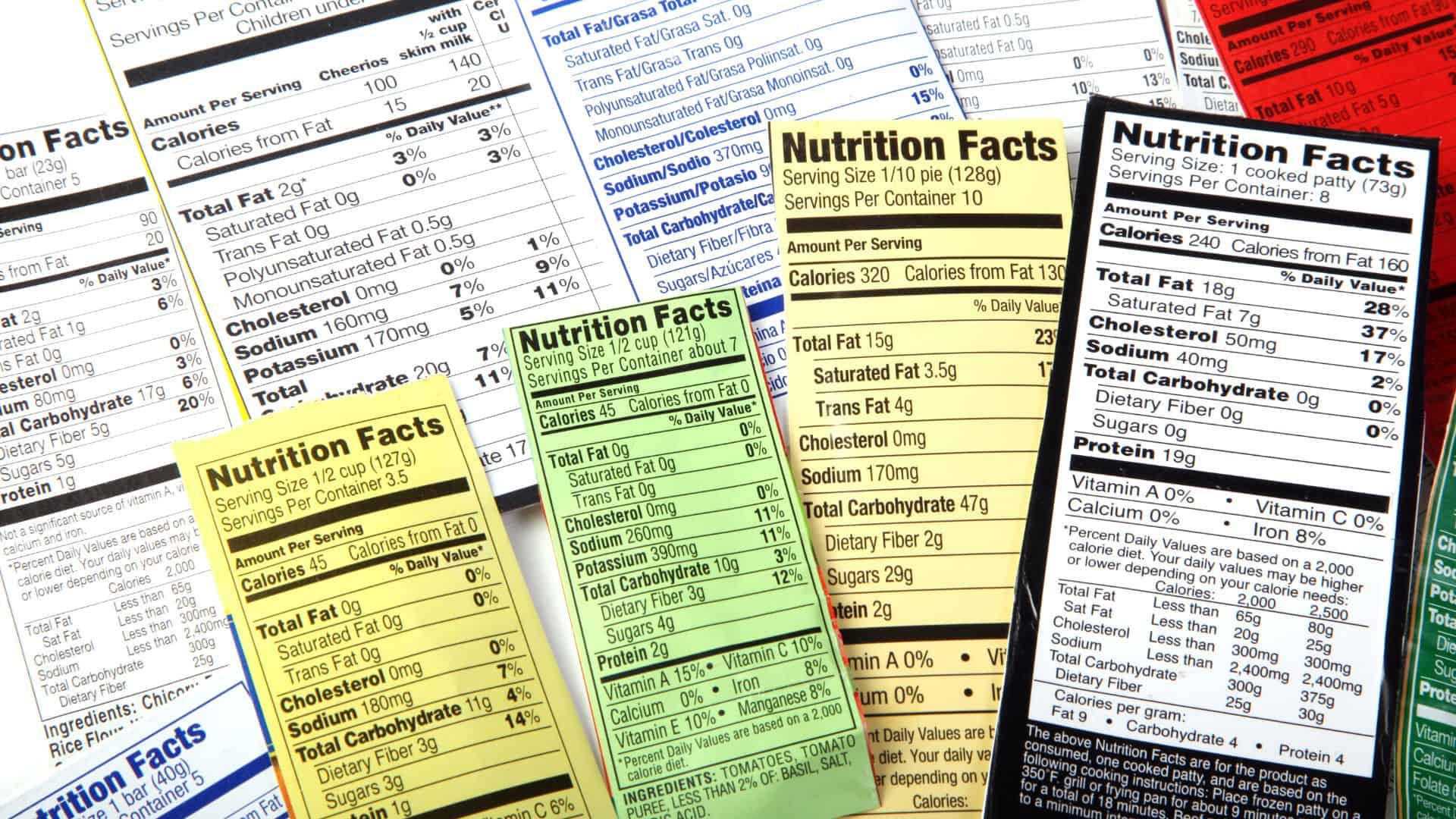
Fortified foods have added nutrients that weren’t naturally present, such as vitamins or minerals. However, just because something is fortified doesn’t mean it’s healthy overall. These products can still contain unhealthy additives, preservatives, or high sugar levels, so it’s worth checking the full ingredient list.
Farm Fresh

"Farm fresh" evokes images of wholesome, recently harvested produce, but the reality is often different. This term isn’t regulated, so it could refer to items that have undergone extensive processing and packaging. Don’t let this label fool you into thinking the food is straight from a local farm.
Heart-healthy
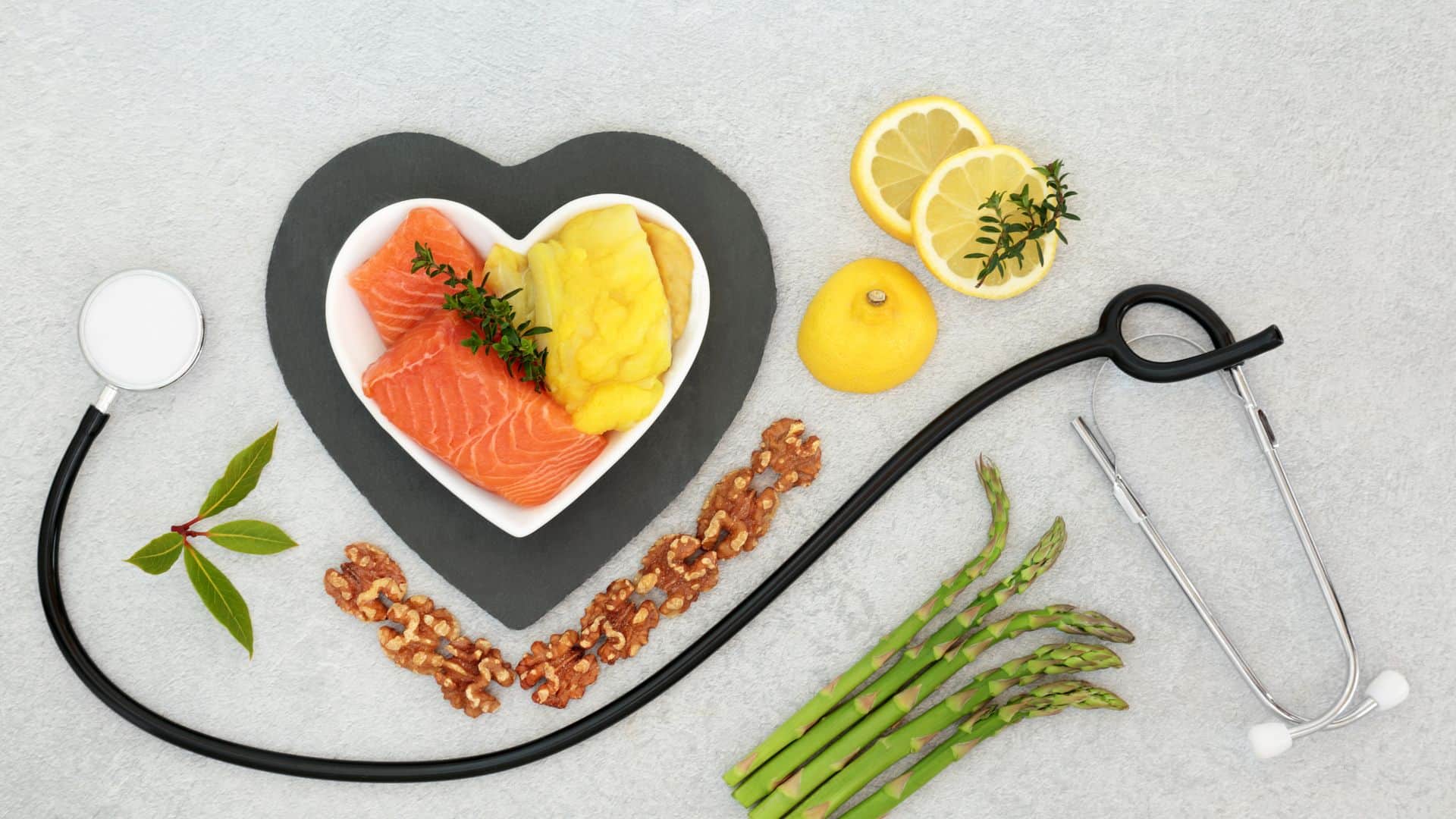
This label targets people concerned about their heart health, but it’s not always as beneficial as it sounds. While heart-healthy foods are often low in fat, they can still be high in sugar or sodium. Always review the full nutritional profile to ensure the product is genuinely good for your heart.
Lightly sweetened

"Lightly sweetened" suggests a low sugar content, but it doesn’t mean the product is sugar-free. These items often include artificial sweeteners or hidden sugars that may not be as healthy as they sound. The term is vague and can be misleading, so check the label for exact sugar amounts.
Made with real honey

Like other food labels that imply they’re made with real food products, real honey may not mean it’s as healthy as we think. Real honey may mean the honey contains no additives, but nowhere does it mean the particular food product may not contain other harmful additives.
It may also contain artificial sweeteners to enhance the taste. Companies slap this label on products that contain a little bit of honey in addition to heaps of sweeteners and other harmful preservatives.
No MSG
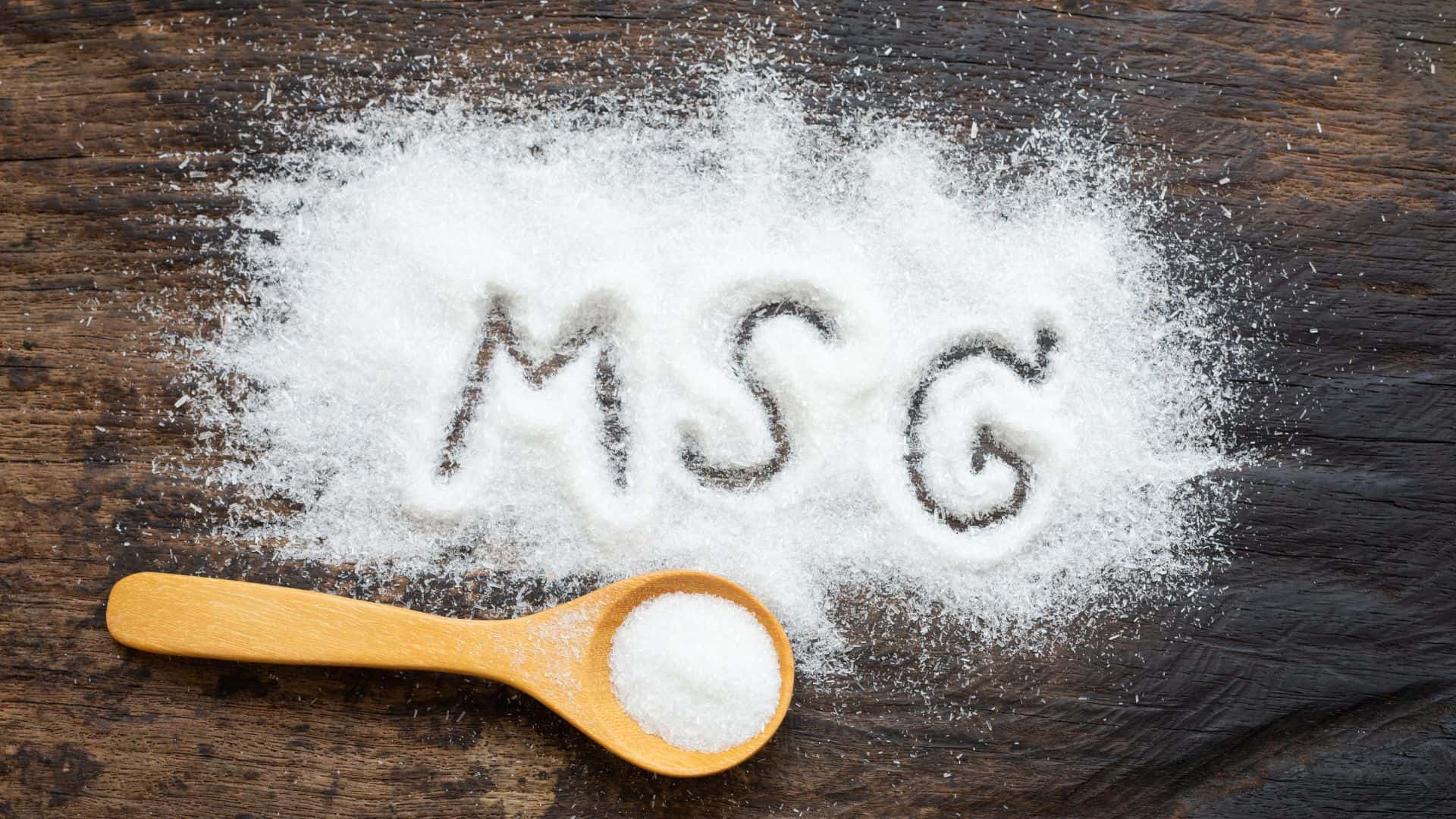
We’ve all avoided MSG products for a long time. Well, it’s time you learned that foods with ‘no MSG’ may not be as healthy as you thought.
MSG is a flavor enhancer, so while products may not contain this one, it doesn’t mean they also don’t use other enhancers. A product without MSG may contain other, much more harmful glutamates.
Zero calories
"Zero calories" is one of the most misleading claims because it’s nearly impossible. Foods labeled this way often have extremely low-calorie counts but may lack nutritional value. Only water is truly calorie-free, so beware of products making such claims.
Gluten-free
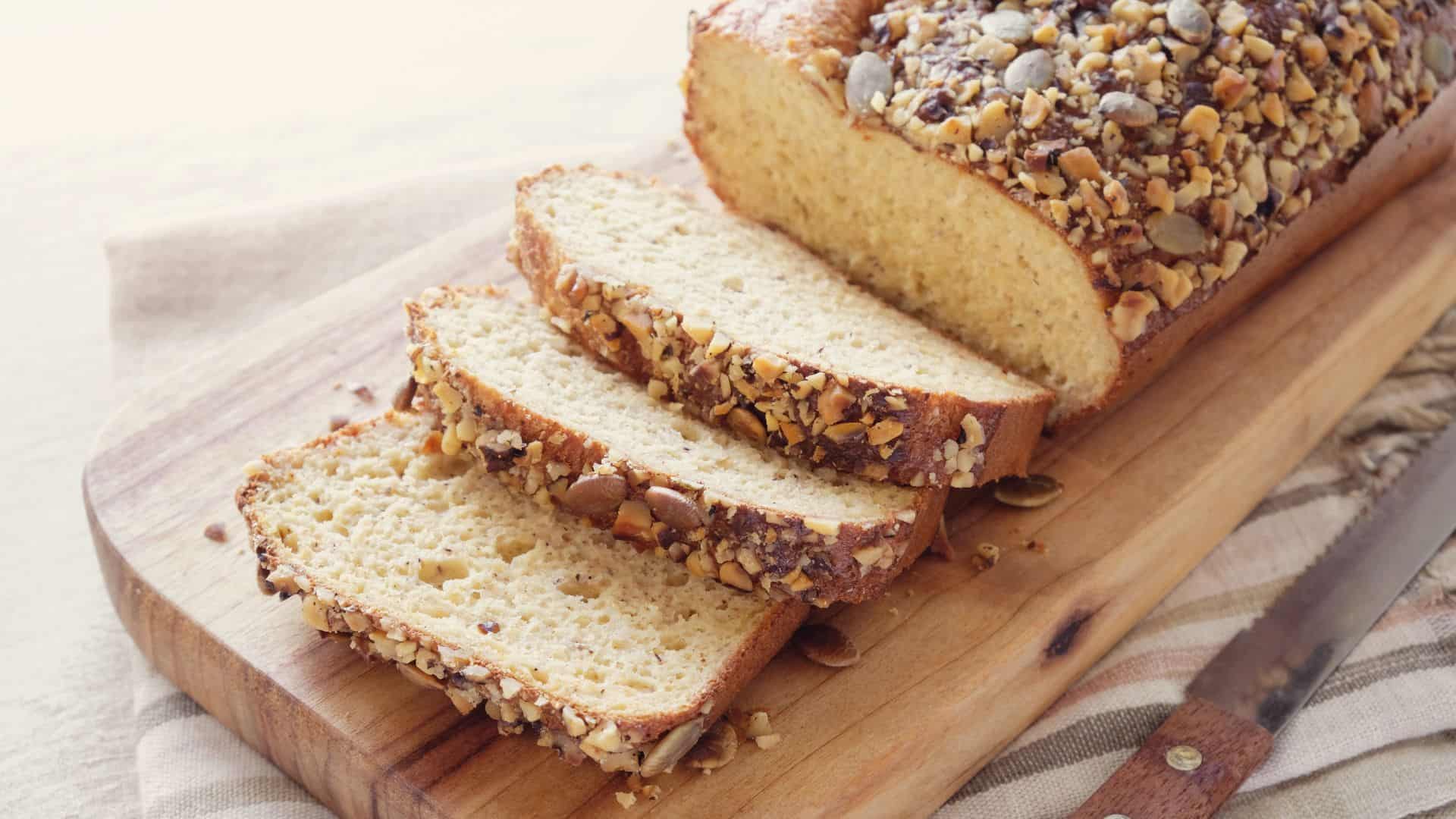
Gluten-free products are essential for those with celiac disease or gluten sensitivities, but they’re not necessarily healthier for everyone. These items can still be high in sugar, fat, and calories. If you’re buying gluten-free products for dietary reasons, remember to check the overall nutritional value.
Sugar-Free

A sugar-free label means that there is less than .5 grams of sugar per serving. This accounts for "real" sugar but doesn't tell you anything about artificial sweeteners that may be added.
Artificial sweeteners are often more unhealthy than traditional sugar. A sugar-free food may be loaded with chemical sweeteners, so be wary of them. Keep this in mind when you see that sugar-free label.
Free Range

When you see eggs labeled as "free range," you may automatically imagine chickens frolicking happily through a field. This sounds wonderful, but it isn't necessarily true.
Eggs can be labeled as "free range" as long as the chickens are not kept in cages. However, they may still be crammed inside overcrowded barns, walking all over each other without any space to roam.
The best place to get eggs is from a local farm, where you can see for yourself that the chickens are being raised humanely and happily.
Zero Trans Fats
A food label can read zero trans fats and still contain up to .5mg of trans fats. How misleading! Be wary of how much trans fat is really in your favorite foods, as those terrible fats add up quickly.
Don't just read the sticker on the front, but make sure you also check the label on the back so you know exactly how much fat you are really consuming.
Whole Grain

"Whole grain" doesn’t necessarily mean the product is entirely made from whole grains. Manufacturers only need to include a small percentage of whole grains when using this label. Look for products that specify "100% whole grain" to ensure you’re getting the real deal.
This article was first published at Spatula Desserts.
Leave a Reply