
Quinoa can be the quiet hero of your meal plan or just another bag of good intentions in the pantry, and how you use it decides which one it becomes.
In recent years, quinoa has built a strong reputation as a superfood. It shows up in grain bowls, salads, and meal prep containers across the country. But does it truly deserve that title, or is it simply another trend that caught on at the right time?
Packed with protein, fiber, and essential nutrients, this ancient seed has become a staple for many health-conscious shoppers. Even with countless grains and seeds lining store shelves, quinoa continues to stand out for both its nutritional value and its versatility in the kitchen.
More than just a trend
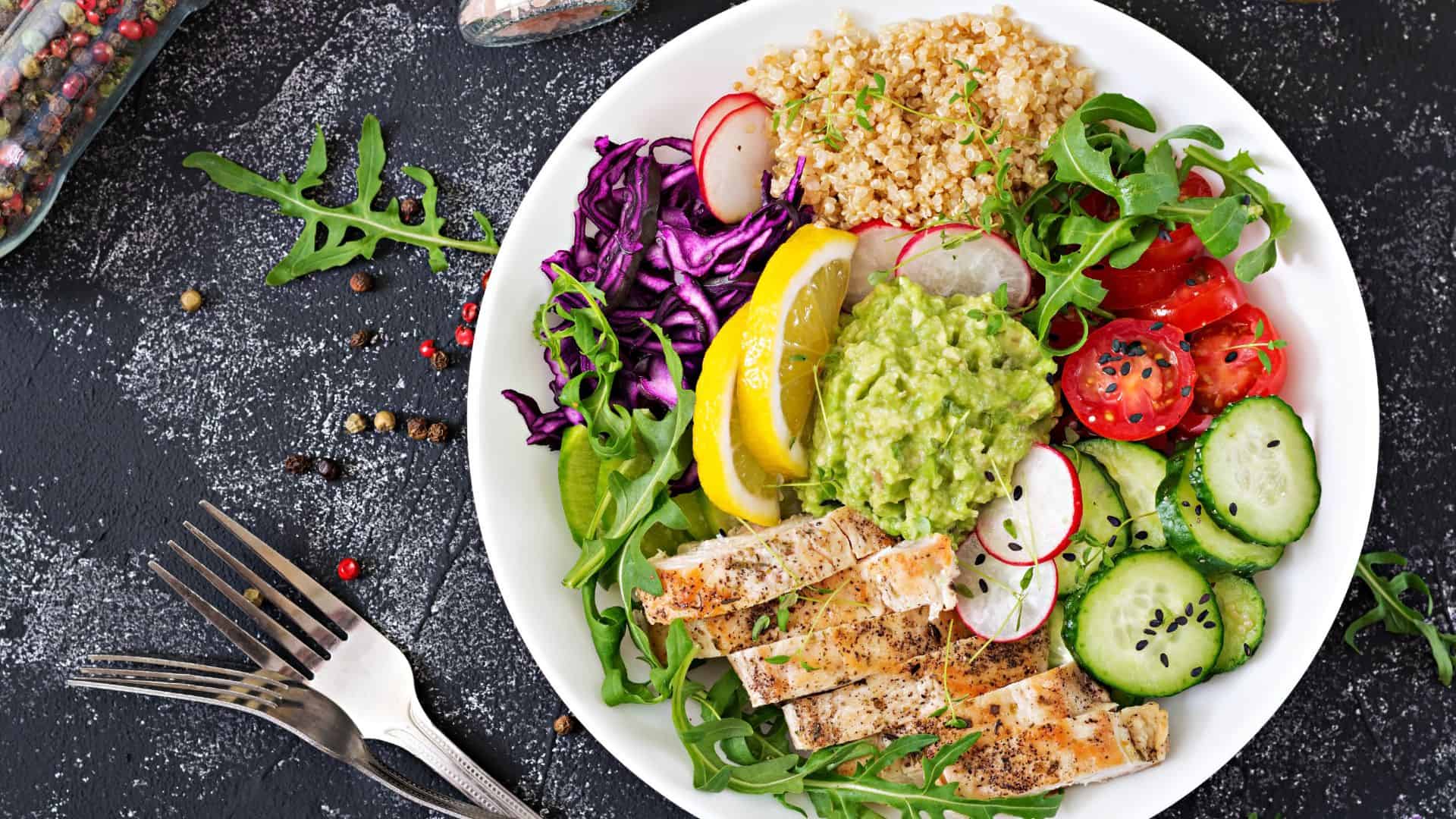
Quinoa is often described as a grain, though it is technically a seed. It cooks like rice and has a slightly nutty flavor that pairs easily with other ingredients. That neutral taste is part of its appeal. It does not compete with bold spices or sauces, which makes it useful in everything from simple side dishes to more layered meals.
Its rise in popularity was steady rather than flashy. Instead of fading after a brief moment in the spotlight, quinoa became a regular part of grocery shopping lists.
A strong nutritional profile
From a nutrition standpoint, quinoa checks several important boxes. One cooked cup contains about 8 grams of protein along with a solid amount of fiber. It also provides magnesium, iron, zinc, and B vitamins. That combination makes it more nutrient-dense than many refined grains that deliver calories without much else.
According to the National Library of Medicine, quinoa is also rich in antioxidants, including quercetin and kaempferol. Antioxidants help protect cells from oxidative stress, which is linked to inflammation. While no single food can prevent illness, choosing whole foods that naturally contain these compounds can support overall wellness in a balanced way.
Complete protein in a plant food
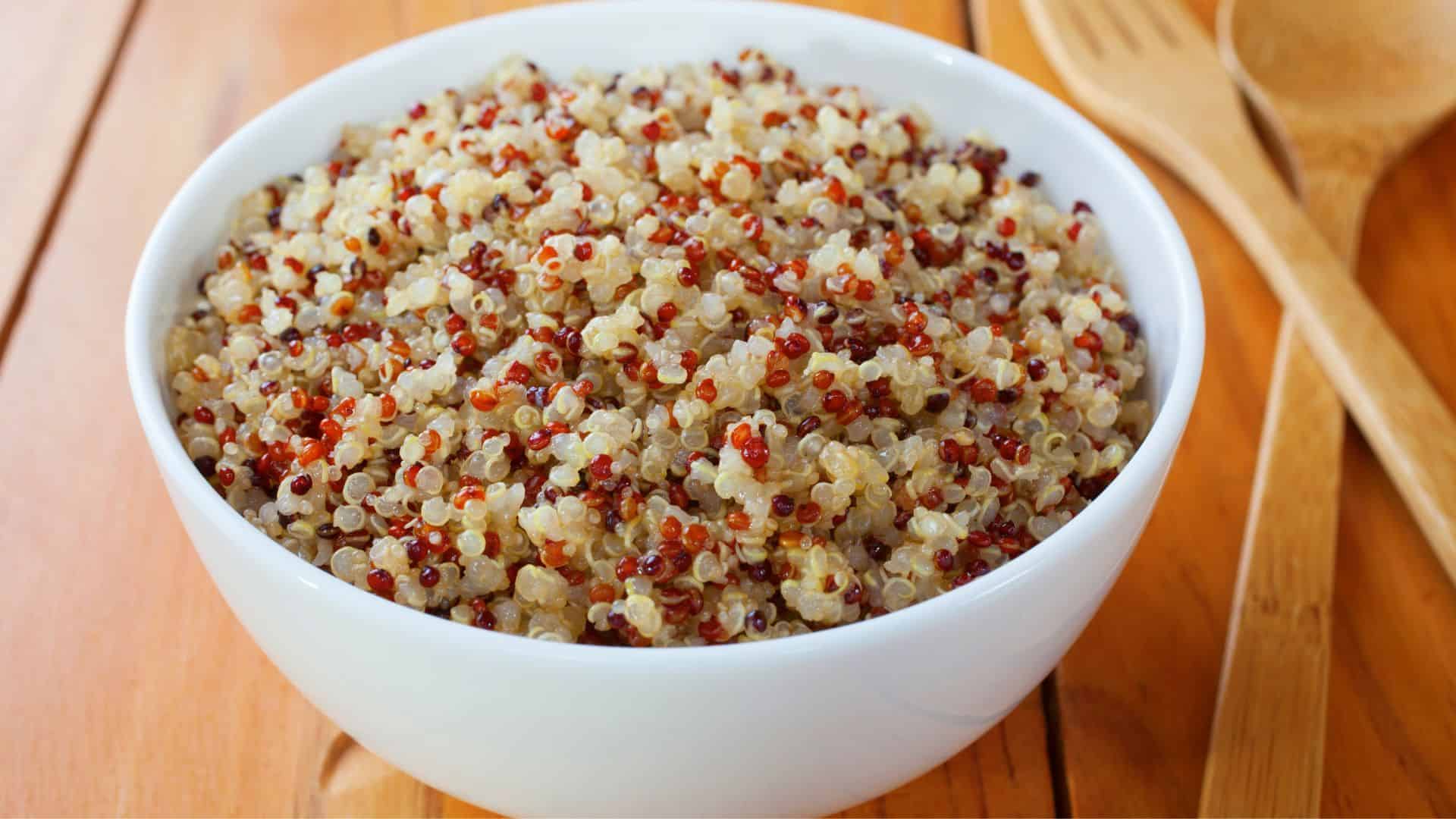
Its protein content is one of the reasons quinoa gained early attention. Unlike most plant foods, it contains all nine essential amino acids, meaning it is a complete protein. The body cannot produce these amino acids on its own, so they must come from food.
For people who eat less meat or follow vegetarian diets, quinoa offers a convenient plant-based option that does not require careful planning at every meal.
Gluten-free and blood sugar-friendly
Quinoa’s naturally gluten-free status also broadened its appeal. For people with celiac disease or those who have a sensitivity to gluten, it serves as a safe alternative to wheat, barley, and rye. It can be used as a base for salads and bowls, mixed into soups, or incorporated into certain baked goods.
It also has a relatively low glycemic index compared with refined grains. This means it tends to cause a slower rise in blood sugar. That steady response can help maintain consistent energy levels.
Digestive support and satiety
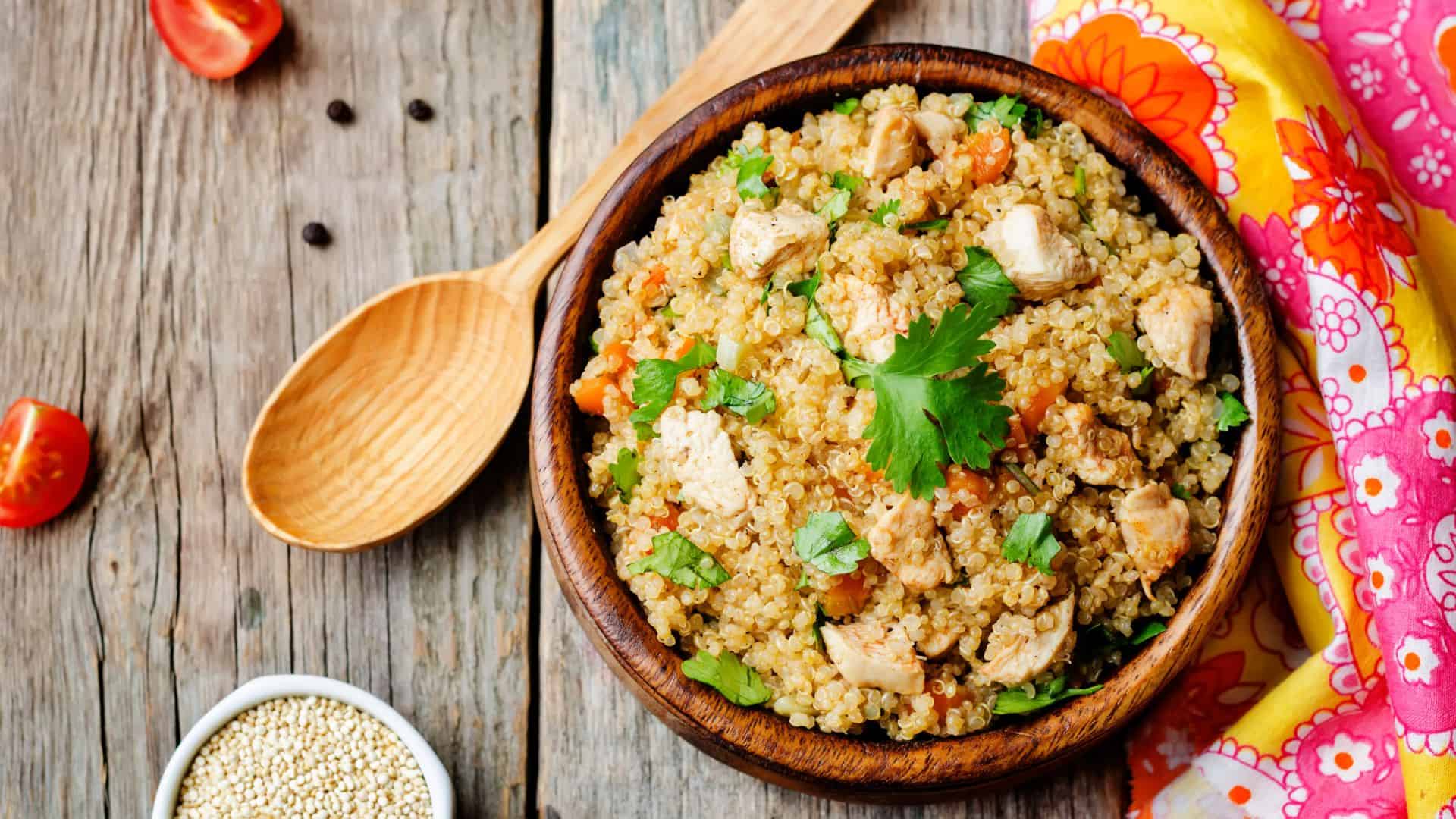
Fiber plays a key role in quinoa’s appeal. The fiber it contains supports digestion and contributes to a healthy gut. It also helps meals feel more satisfying.
Meals that include both fiber and protein tend to keep hunger in check longer than meals built around simple carbohydrates.
Managing weight in a practical way
Quinoa is often mentioned in conversations about weight management, and for practical reasons. Its blend of protein and fiber can promote a sense of fullness, which may help reduce the urge to overeat later in the day. Feeling satisfied after a meal makes it easier to avoid constant grazing or oversized portions.
Because quinoa is more nutrient-dense than many refined grains, it can also add substance to meals without relying on heavily processed ingredients.
That does not mean quinoa leads to weight loss on its own. Weight management depends on overall eating patterns, portion sizes, physical activity, and other lifestyle factors. Quinoa simply offers a balanced option that fits well into meals designed to be both filling and nutrient-rich.
Easy to cook, easy to use
Beyond its nutritional benefits, quinoa remains popular because it is easy to prepare. After a quick rinse to remove its natural coating, it cooks in about 15 minutes. That speed makes it practical for busy weeknights. It can also be prepared in large batches and stored in the refrigerator for several days.
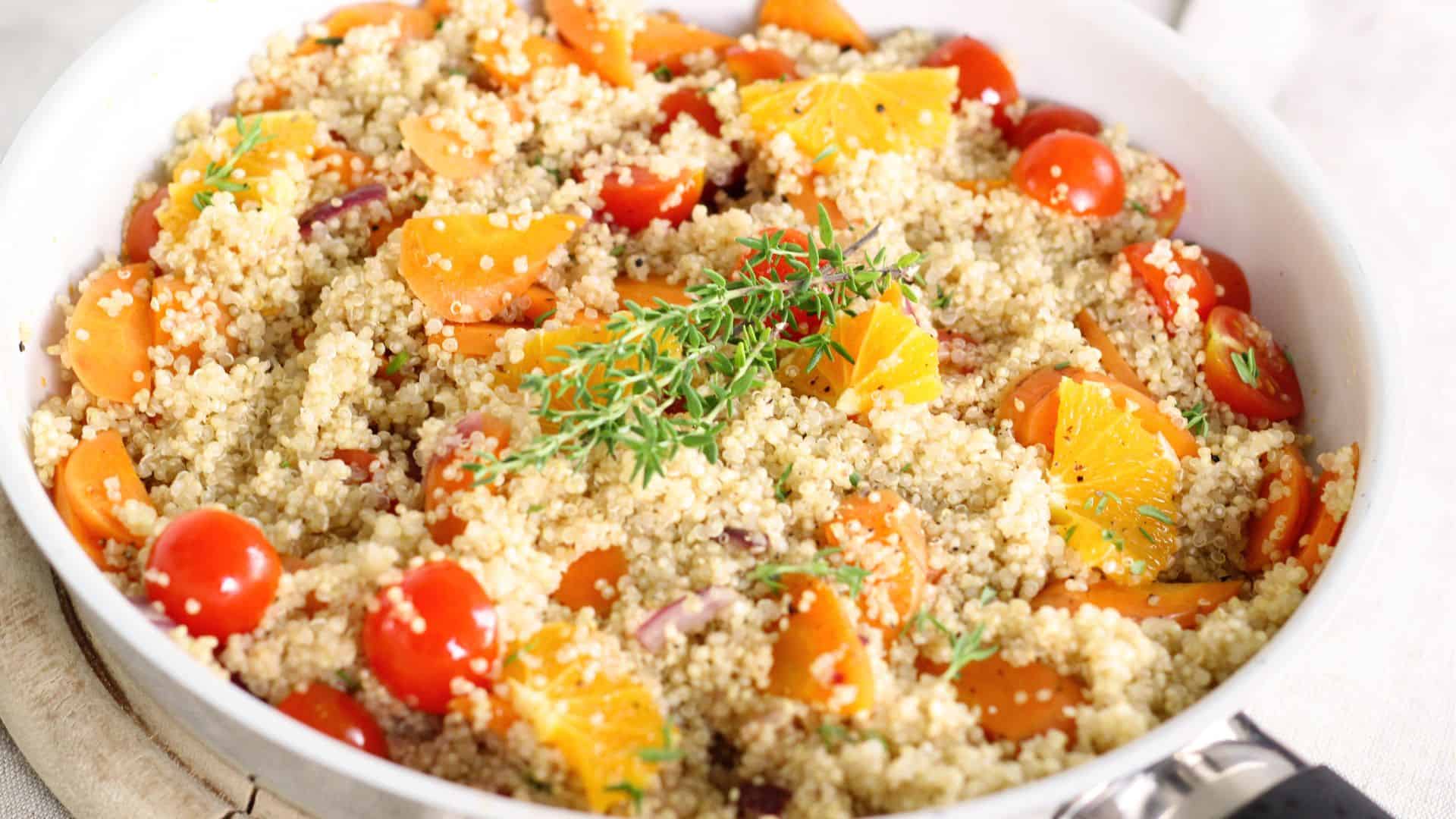
Its versatility is one of its strongest traits. Quinoa works well in savory dishes, such as grain bowls topped with roasted vegetables or grilled chicken. It can be stirred into soups for added texture. Some people use it in breakfast dishes, simmered with milk and fruit, or mixed into baked goods for extra structure. Few pantry staples move so easily from one meal to the next.
A crop built for tough conditions
Quinoa is known for its ability to grow in harsh conditions, including poor soil and limited rainfall. Compared with some traditional crops, it can require less water and tolerate more extreme climates.
As interest in sustainable agriculture grows, crops that can thrive in challenging environments draw attention. Quinoa’s resilience adds another layer to its appeal, especially as food systems adapt to changing climates.
Does it deserve the superfood label?
The term superfood has no formal scientific definition. It is largely used to describe foods that are nutrient-dense and linked to potential health benefits. By that standard, quinoa makes a strong case.
Still, no single ingredient can transform a diet. Quinoa works best as part of a varied eating pattern that includes fruits, vegetables, legumes, whole grains, and quality protein sources.
In a marketplace filled with food trends, quinoa has shown lasting appeal. Not because it promises dramatic results, but because it consistently delivers value in both nutrition and practicality. For many, that balance is reason enough to keep it in regular rotation.
Leave a Reply