
Choosing a restaurant is always exciting. You’re either returning to a favorite spot or venturing out to try something new. But finding a great new place isn’t always as easy as it seems. Online reviews and social media have made the search easier, but they don’t always tell the whole story. Sometimes, the real clues are right in front of you, if you know what to look for. Here are a few signs that can help you decide if you’ve discovered a hidden gem or if it’s time to walk away.
Strong Odors Upon Entering

When you walk into a restaurant and immediately notice a strong, unpleasant smell, such as the sour odor of cleaning products, the pungent scent of bleach, or unpleasant food odor, it is better to be curious. These odors can signal poor ventilation and inadequate cleaning or cooking practices.
A good restaurant should smell inviting: fresh herbs, baked bread, sizzling meat, or a gentle aroma of spices, and not burned oil. While all restaurants have distinct aromas, none should make you wrinkle your nose before you're even seated. Trust your senses, bad smells rarely lead to good meals.
Empty Seats

An empty restaurant at peak hours can be a major red flag. While you might luck out at a hidden gem, in most cases, a lack of customers signals that something is wrong. Locals usually know which spots are worth visiting, and if they’re staying away, it might be for a reason.
Restaurants thrive on word of mouth and rely on peak hours to remain profitable. If a place isn’t at least moderately full during those times, it is likely to struggle financially. And a struggling restaurant is more likely to cut corners on cleanliness, staffing, or even ingredient quality.
Menus Look Sticky

Sticky menus, crusty salt shakers, and smudged silverware are the signs that basic cleanliness isn't a priority. A sticky menu is one of the germiest surfaces you can touch in a restaurant. Just imagine how many hands have handled that menu. If these visible items are being neglected, it raises serious concerns about what's happening in the parts you can't see, like the kitchen.
Cleanliness in small details reflects a restaurant’s overall hygiene standards. Sticky menus, greasy tables, or even a tacky floor can all be major red flags.
You're Being Ignored

If you walk in and no one acknowledges you within the first few minutes, that's not just poor hospitality; it's a sign of ignorance. At the very least, guests should be greeted and acknowledged, even when the restaurant is busy. A
t popular places, you might need to wait a bit before a server reaches your table, and that’s perfectly normal. But if you're clearly being ignored or get the sense that your presence is an inconvenience, it’s a sign of poor service culture. When you feel like a problem instead of a guest, it’s usually better to dine elsewhere.
Long or Scattered Menu
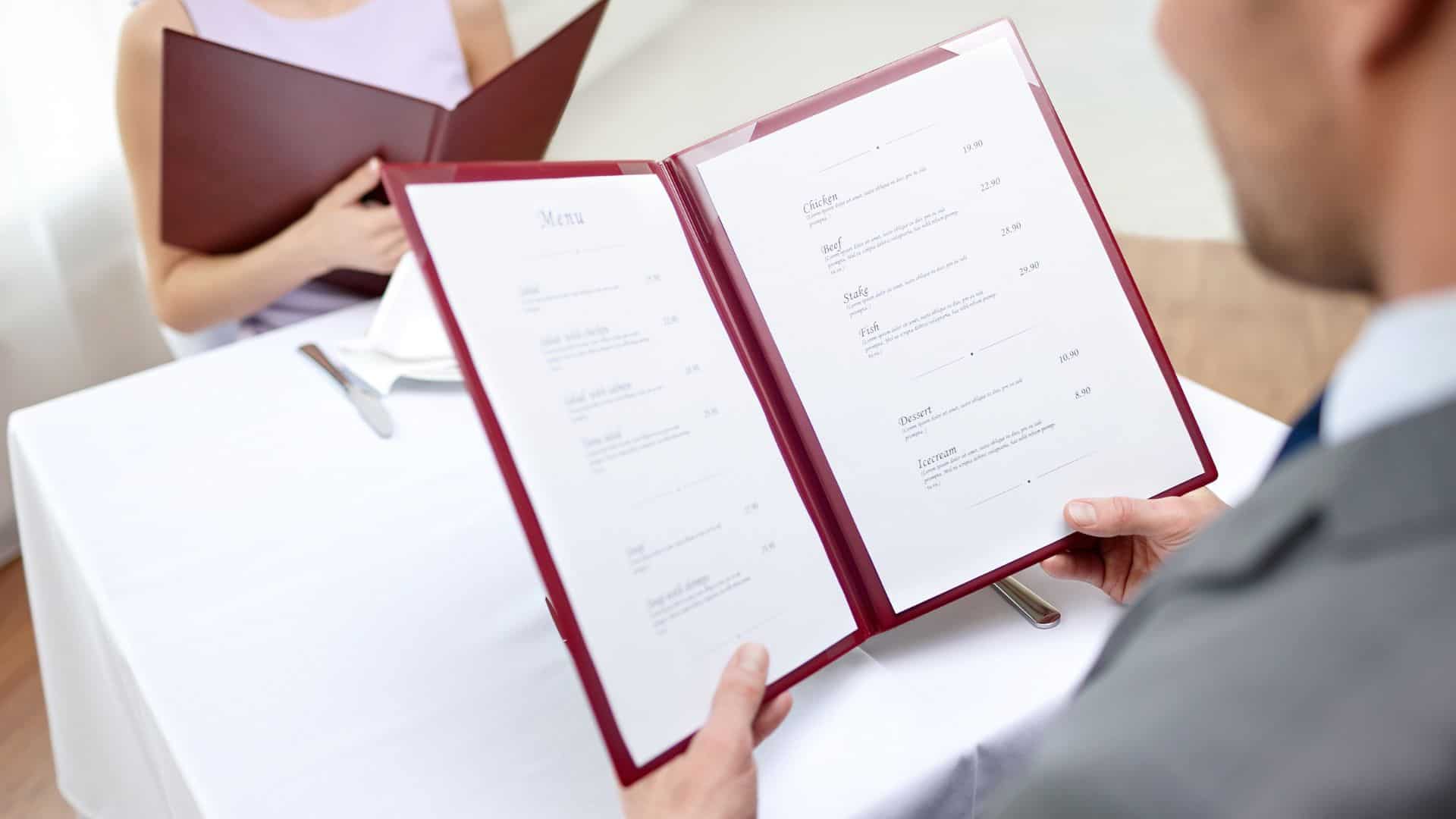
A menu that reads like a novel might feel exciting, but it often suggests the kitchen is stretched too thin. An overly long or complicated menu often means frozen ingredients and inconsistent quality.
When a restaurant offers a wide range of options, from sushi to burgers, pasta, and tacos, it often ends up excelling in none of them particularly well. Certain cuisines simply don’t mix. If you’re in the mood for Chinese but the menu also includes burgers, that’s rarely a good sign. The best restaurants specialize in a single type of cuisine and do it exceptionally well. Look for a short, well-curated menu that indicates a focused kitchen that knows its craft.
Server Doesn’t Know the Menu

After navigating a long and complicated menu, the worst outcome is discovering that the staff doesn’t even understand it. At any establishment that takes food seriously, servers should be knowledgeable about which dishes contain common allergens, the portion sizes, and be able to recommend alternatives for dietary restrictions or special needs.
If they can’t answer basic questions or seem unsure about the menu, it reflects a lack of preparation and care. Knowledgeable service isn’t just helpful, it’s a core part of a great dining experience.
The Restroom
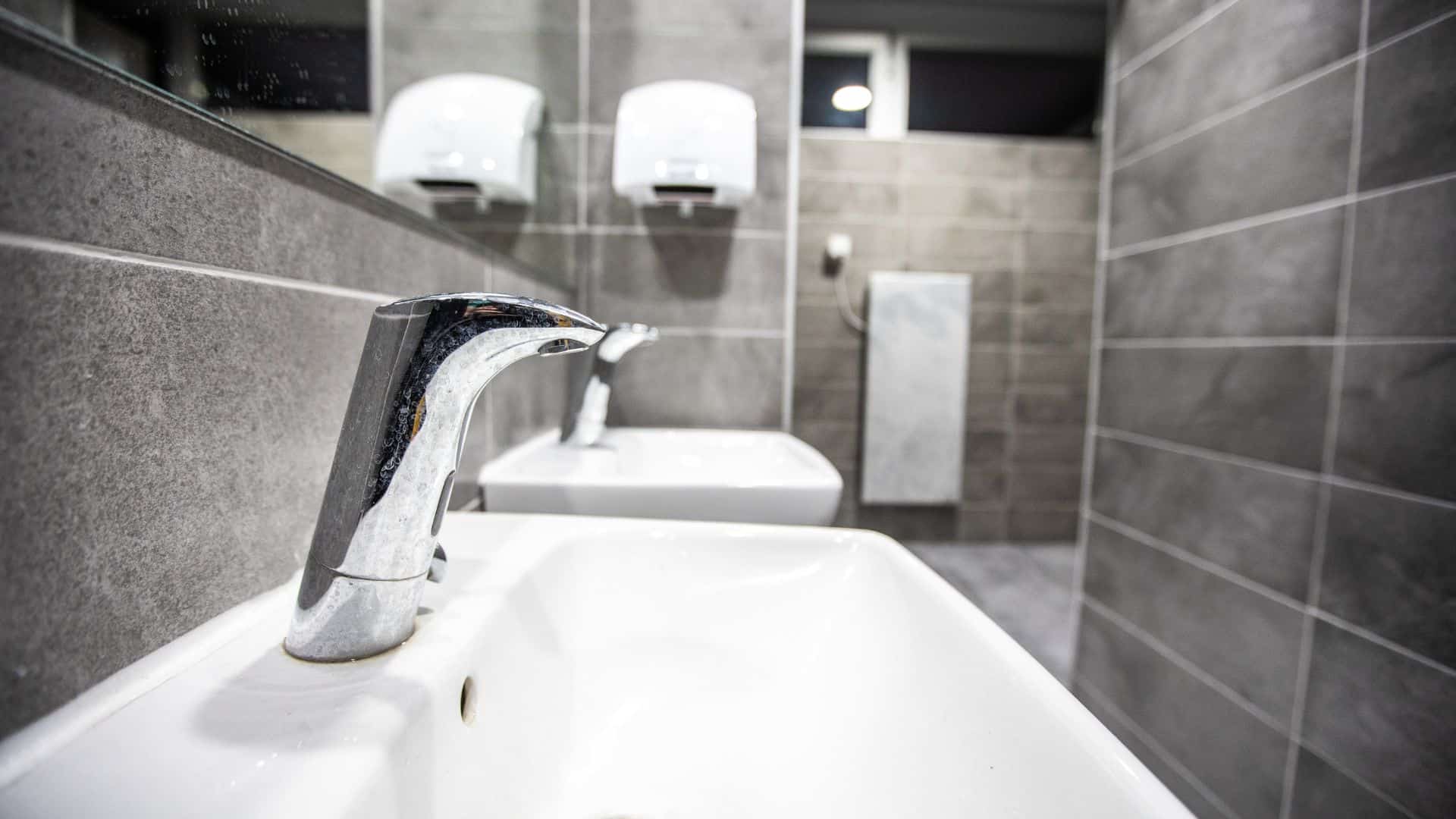
It’s often said that the restroom reflects the kitchen, and there’s some truth to that. If the bathroom is dirty, smells bad, or lacks essentials, it’s a red flag.
An empty soap dispenser isn’t just inconvenient for guests; it also means the staff likely can’t wash their hands either. Clean restrooms demonstrate attention to detail and a respect for hygiene, both of which are essential in a food-handling establishment. If a restaurant can’t keep the bathroom clean for customers, it raises fair questions about the cleanliness behind the scenes.
Low Morale

You can often sense how well a restaurant is run just by watching the staff. If employees appear stressed or disengaged, this can be a sign of an issue within the team. If they’re arguing with each other in front of guests, it’s usually a sign of deeper problems, such as poor management or a toxic work culture.
In a well-managed restaurant, the team works together calmly and professionally, even under pressure. When the staff seems frustrated or uncoordinated, it’s a clear warning sign that the overall experience may not be much better.
Leave a Reply