
There’s something special about the way Grandma cooks: no fancy gadgets, no measuring apps, just pure instinct and love. I still remember watching mine make the fluffiest cakes without ever using a recipe. Over the years, our grandparents have perfected clever little tricks that make cooking easier, tastier, and sometimes even magical. We’ve gathered their smartest, most time-tested tips that remain relevant today. Try a few, and don’t be surprised if your food suddenly tastes a lot more like home.
Don’t Overcrowd the Pan
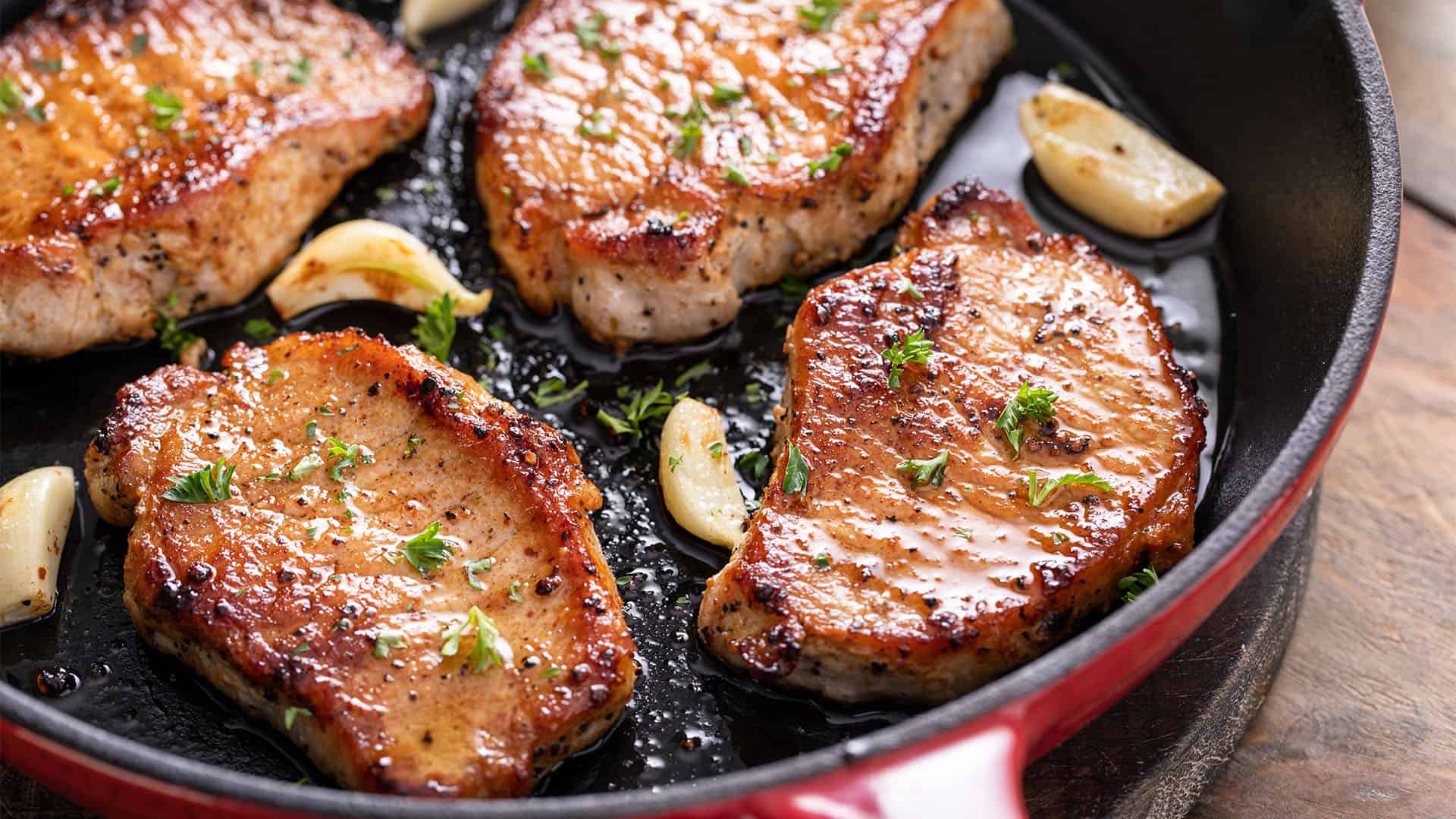
Overcrowding a frying pan is one of the most common mistakes home cooks make. When too much food is packed into the pan, it steams instead of searing, which prevents proper browning. That golden, crispy edge you’re aiming for? It needs space to develop. Giving each piece enough room improves both texture and flavor. It’s a simple adjustment, but one that can noticeably elevate the quality of your meals.
Repurposing all leftovers

We all tell ourselves we don’t waste food, but let’s be honest, when the fridge is full of random leftovers, it usually ends up in the trash. That’s not how Grandma did it. Instead of tossing odds and ends, she’d get creative and turn them into something completely new. Leftover chicken? She’d shred it and turn it into a delicious sandwich filling. Extra spaghetti? That became crispy fritters the next day. Nothing went to waste, and it was all about combining textures and flavours into something new.
How to Cook Your Pasta

Cooking pasta properly starts with a few key techniques that make all the difference. A large pot filled with plenty of water ensures the pasta has room to move, which helps it cook evenly and prevents sticking. Salting the water generously is essential—it’s the only chance to season the pasta from the inside. And that wooden spoon placed across the top of the pot? It’s more than just a kitchen quirk. It actually helps prevent the water from boiling over. These small but smart habits can significantly improve the texture and flavor of the final dish.
A well-stocked pantry
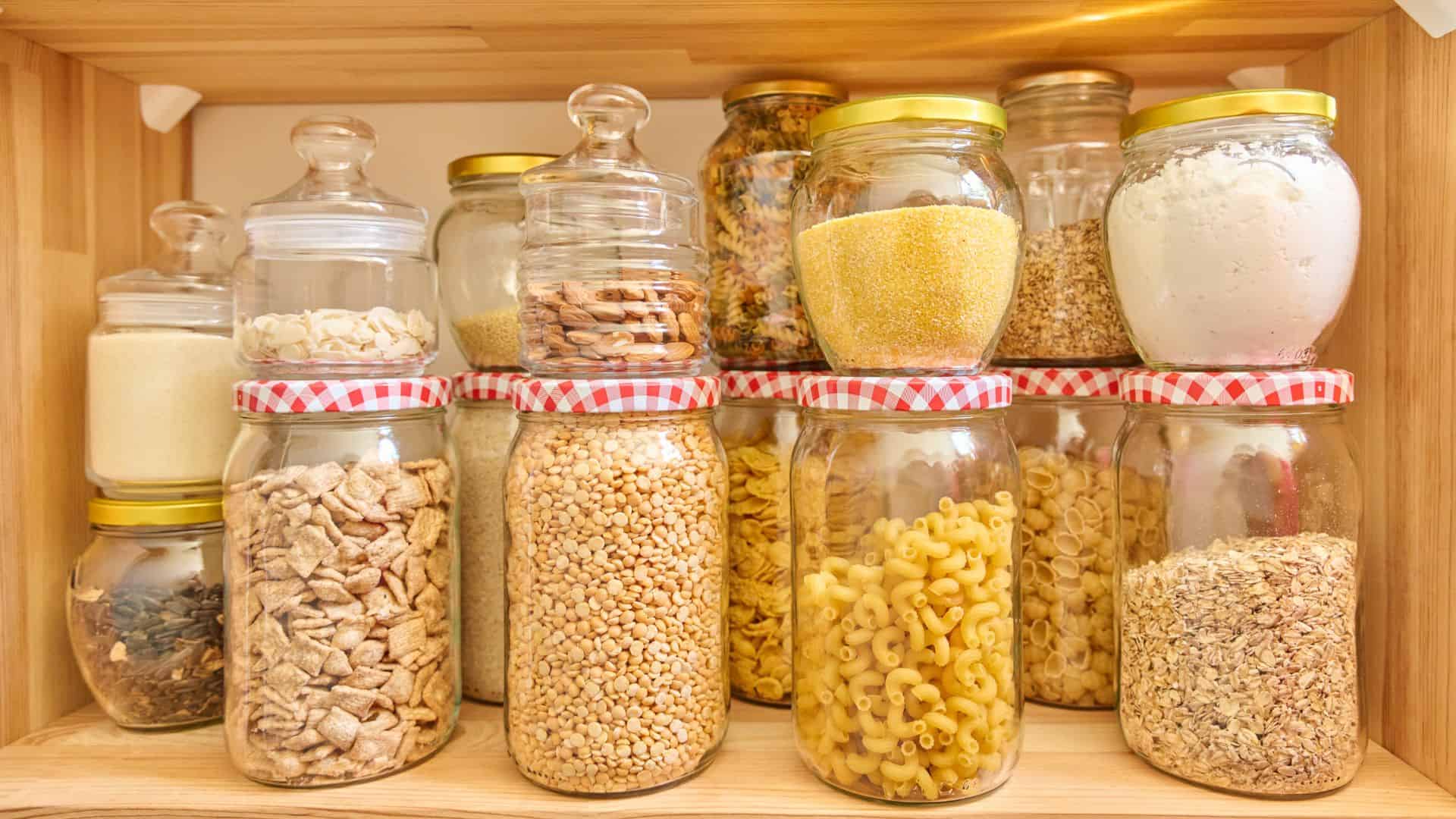
Grandmothers knew how to keep their pantries stocked like pros. They didn’t just buy what looked good; they thought ahead. Jars of jam, canned vegetables, dried beans, or baking staples were always on hand, ready for any meal or emergency. They usually bought in bulk when something was on sale, stored it properly, and made sure nothing went to waste. It wasn’t about being trendy; it was just old-school kitchen wisdom.
Make it yourself

We waste our money on buying stuff that we can easily replicate at home, and even better. Older people don’t do this because they know it’s futile.
So they’ll rely heavily on DIY, honing their skills and cooking abilities. They’ll experiment with flavors and condiments and create dressings and dips that taste better than what you find at Target.
Know your pots
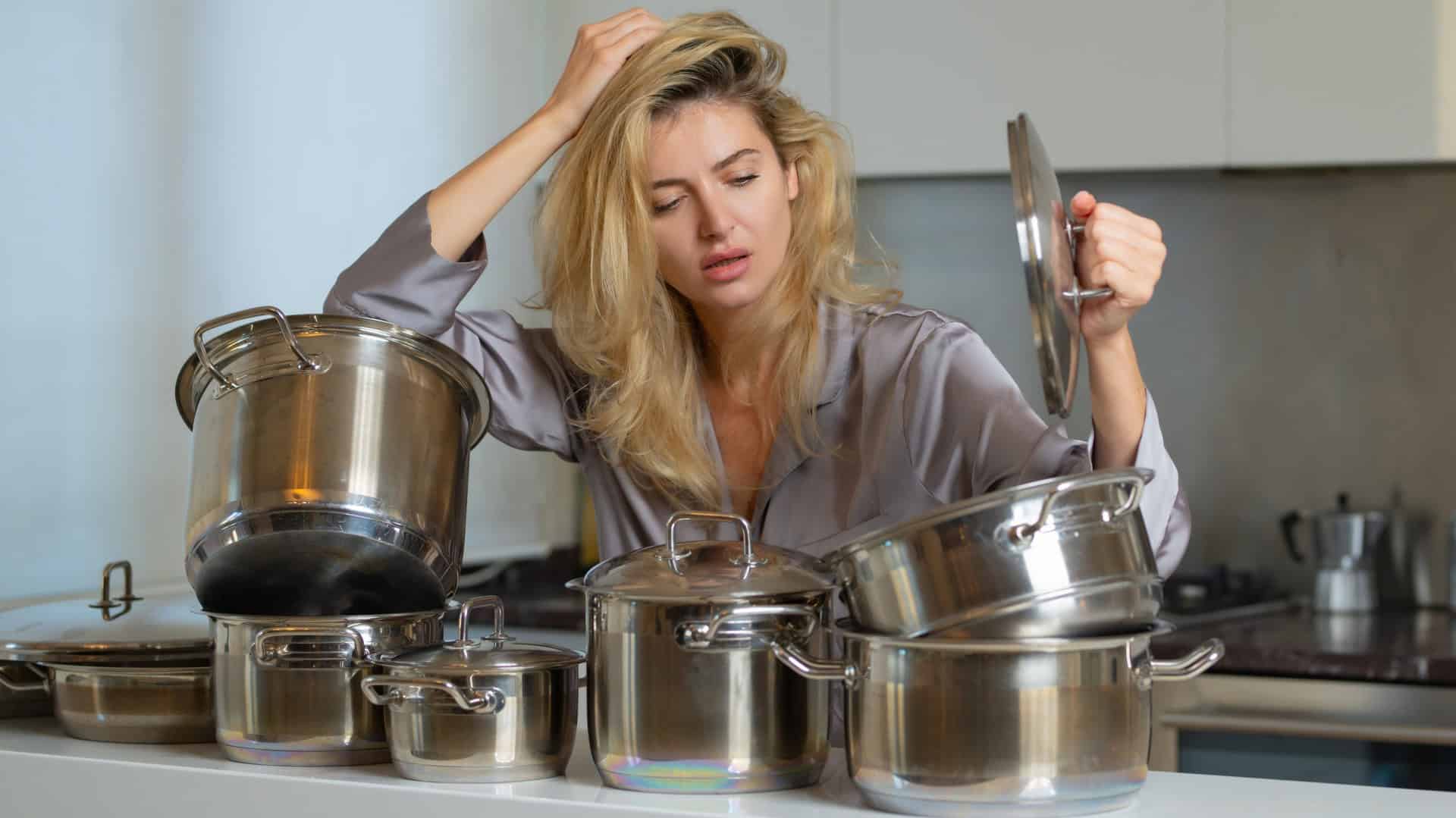
Every pot cooks differently, so not every recipe will work in just any pot. It’s important to know what works best.
Our elders know what pot to use when cooking pasta, which pan to use for stir-frying, and when to pull out that cast-iron skillet. Speaking of which, it’s time to get a cast-iron skillet so you can cook authentic foods like Grandma.
Savor the ingredients

Most of us can’t get cooking right, not because we’re bad at it, but because we don’t know what else to do with the ingredients. We lack kitchen creativity.
Our grandparents will approach every ingredient 100 ways, so the same berry will become a jam, a parfait, a spread, a compote, and a juice. There’s really no limit to what we can do if we learn how to savor the ingredients.
Know your tools

The kitchen can get cluttered with tools and appliances, especially since they’ve gotten so fancy. But the grandmothers know not to simplify everything.
We spend most of our energy running different appliances, but Grandma knows we don’t have to use everything. They know when to use a food processor, when to use a grinder, and which kitchen tools are actually essential.
The 5 senses

Grandmothers didn’t need timers or fancy gadgets; instead, they trusted their five senses in the kitchen. They could tell a cake was done just by the smell wafting through the house, or knew the dough was ready by how it felt under their hands. They listened for the gentle sizzle of butter or the crackle of a crust forming, and they always gave things a quick taste if something seemed off. It’s a skill that comes with experience and paying close attention.
Trust your gut

However, simply relying on the five senses isn’t enough; you must learn to trust your intuition and take it seriously if you sense something is amiss, even if everything appears to be alright.
The sixth sense is crucial in determining if a dish is cooking correctly, and while it’s a skill that develops over time, learning to trust it and rely on it's a technique your grandma uses all the time.
Time is money

The key to perfectly searing or achieving the best balance of flavor is knowing when to start and stop cooking. Time will decide your dish’s outcome.
Start by experimenting with time, and you’ll gradually learn when to turn off the stove, when to start the cooker, and when to pull out a cake. Observing small details like this can make a big difference when cooking.
Love, effort, and value

Not everyone enjoys cooking, but if you’re the one in charge of the kitchen, doing it with care makes all the difference. Grandmas didn’t just throw meals together. They put heart into every dish, and somehow you could taste that love in every bite. It wasn’t about perfection. It was more about intention and pride in the process. When you recognize the effort you’re putting in, and cook with purpose, even simple meals start to feel special. That’s when the kitchen becomes more than just a place to get things done, and it becomes part of the love you’re sharing.
Use a Good Recipe

When cooking with a recipe, always ensure it comes from a reputable source. A good recipe is essential to creating good food! Conduct some research and select recipes from reputable sources.
You should also ensure that you read recipes thoroughly before starting to cook. All grandmothers know that preparing to cook is just as important as actually cooking!
Stick With the Classics

Classic foods are classics for a reason—everyone loves them! Grandma knows that a good, classic dish will always be a success. Rather than going crazy trying new, weird foods, stick to the recipes you know work well and that everyone will enjoy.
This is why you always love your grandma's cooking. She knows what foods work!
Pass it on

Remember that our grandparents relied on recipes passed down through generations. Do the same, and you’ll get some good cooking karma.
Some recipes are timeless classics, and others require adaptations. But you’ll learn by passing on recipes that every recipe teaches you something, even if it’s just a basic step. That step will prove handy someday.
Leave a Reply