
America is home to some of the world’s most iconic dishes, from juicy burgers to smoky barbecue. But alongside the classics are a few uniquely American creations that tend to surprise, and sometimes confuse, international visitors. These foods often reflect regional traditions, bold flavors, or unusual textures that don’t always translate well abroad. While they may seem strange at first glance, many have a loyal following and a rich cultural backstory. Some even turn out to be unexpectedly delicious. Here are some American foods that continue to puzzle foreigners, but remain proudly part of the U.S. food landscape.
Note: The content of this article does not reflect the Writer's personal beliefs.
14. Deep dish pizza
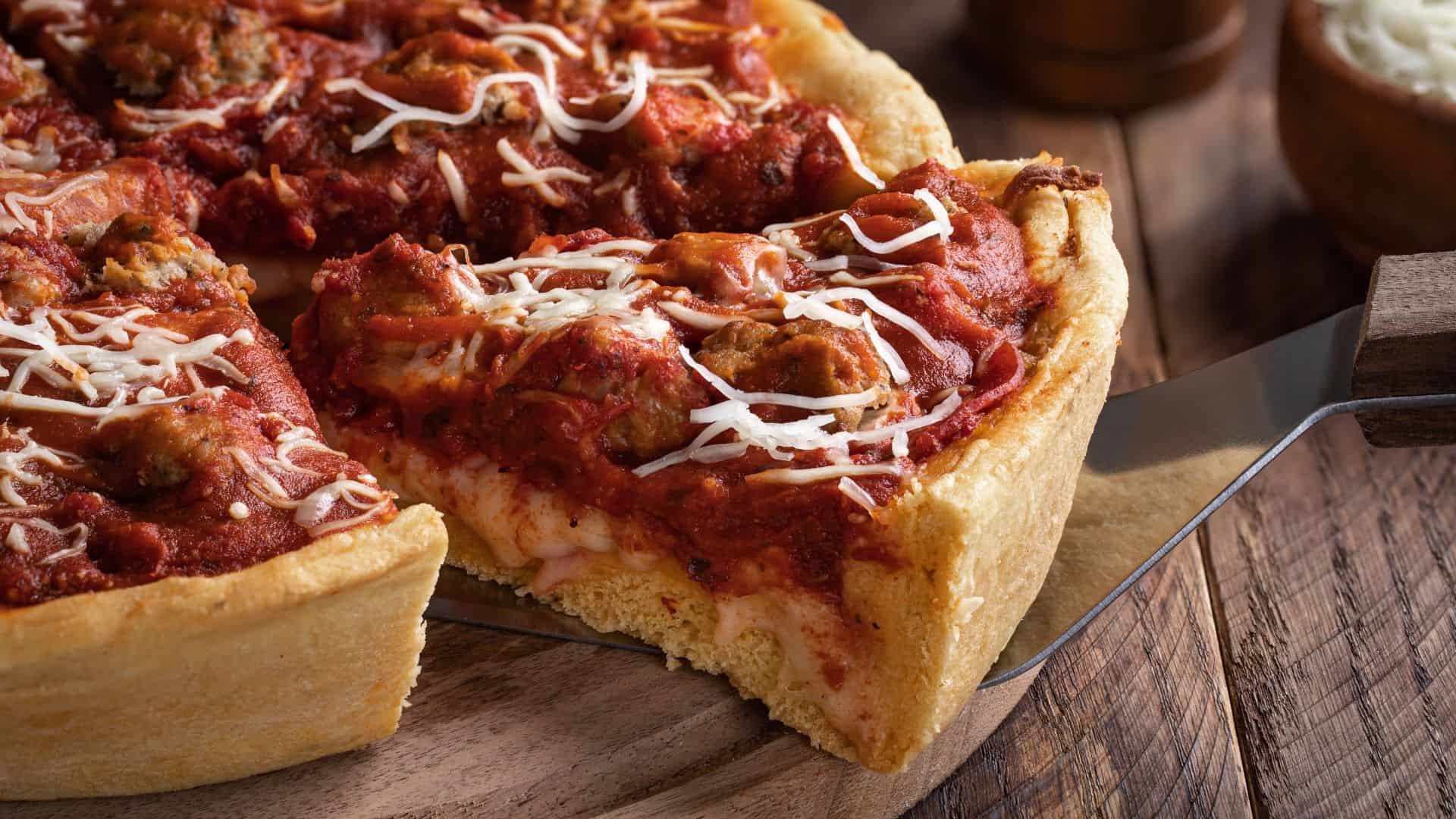
Deep-dish pizza has its devoted fans in the U.S., especially in Chicago, but it’s far from universally loved. To many, this pizza’s thick crust and layers of heavy toppings stray too far from the classic Italian pie. The richness and oiliness can be overwhelming, leaving some diners feeling more stuffed than satisfied. While it’s a Chicago icon, deep-dish remains a hard sell abroad.
13. Blooming onion
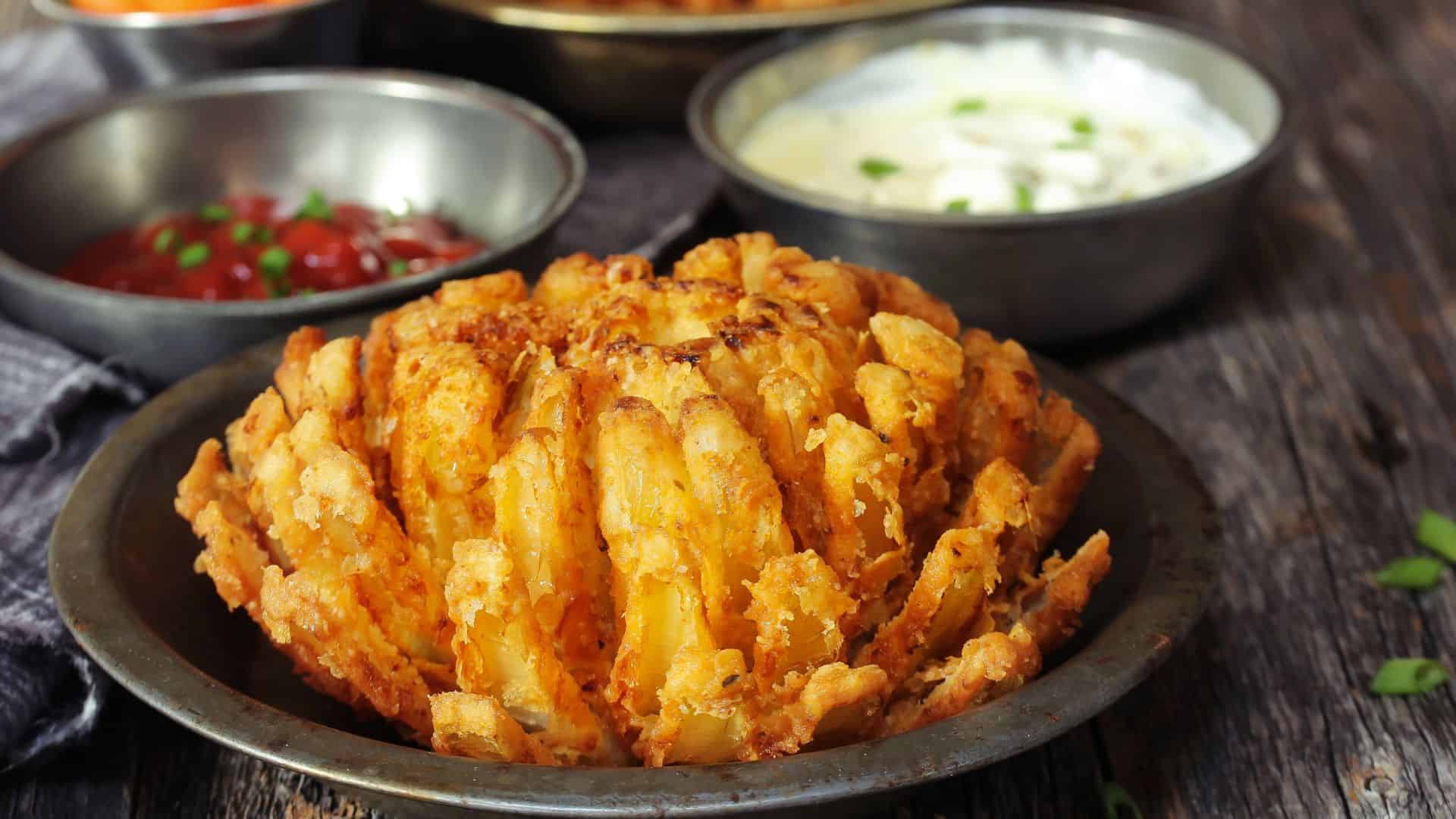
The blooming onion is a deep-fried masterpiece designed to look like a flower, but its charm often fades quickly for non-Americans. This dish is essentially a giant onion dipped in batter and fried to greasy perfection. While it’s a popular appetizer in U.S. restaurants, the oil-soaked batter and hefty calorie count make it unappealing to those who prefer lighter, fresher fare.
12. Hot pockets
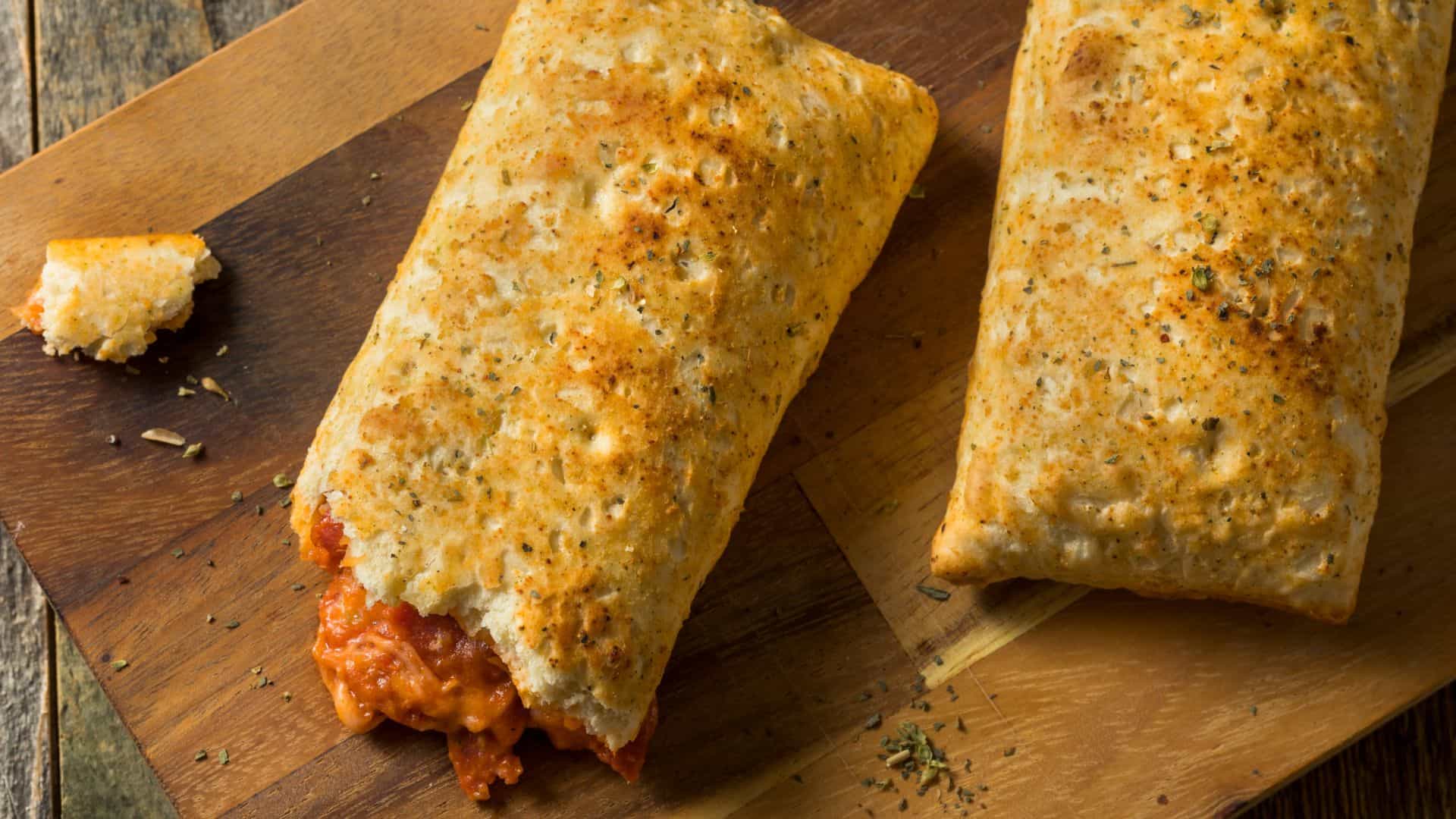
Hot Pockets are a nostalgic snack for many Americans, often associated with quick meals during childhood. But their reputation doesn’t hold up globally. Loaded with processed ingredients, preservatives, and low-quality fillings, Hot Pockets are often seen as lacking in both taste and nutrition. For most adults, they’re far from an appetizing option.
11. Grits
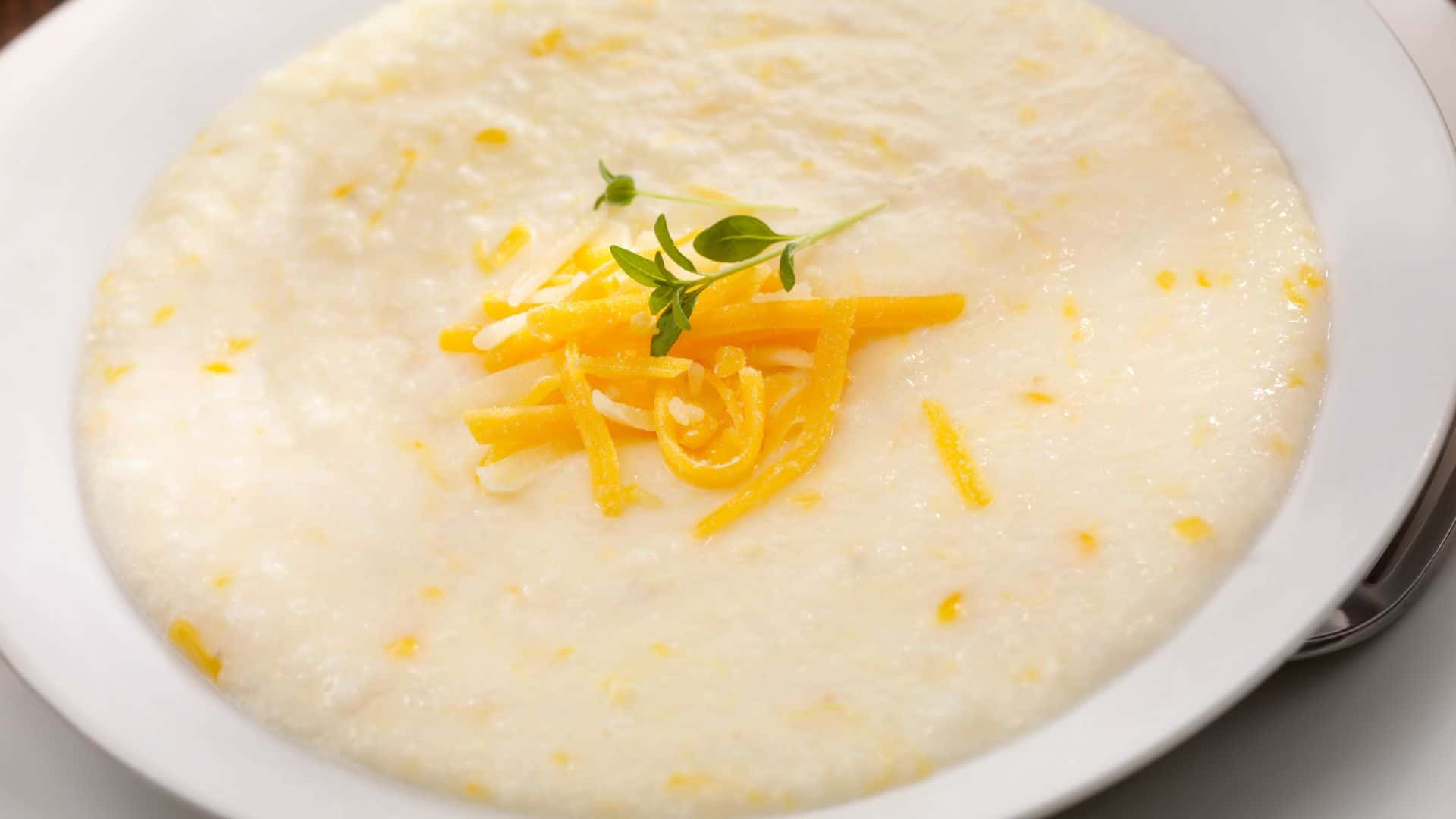
Grits are a Southern staple in the U.S., made from ground corn and often served as a breakfast dish. However, their bland flavor and mushy texture are a tough sell for non-Americans. Many compare grits to porridge, but without the sweetness or spice that might make them more appealing. It’s a dish that leaves many wondering what all the fuss is about.
10. Cheetos
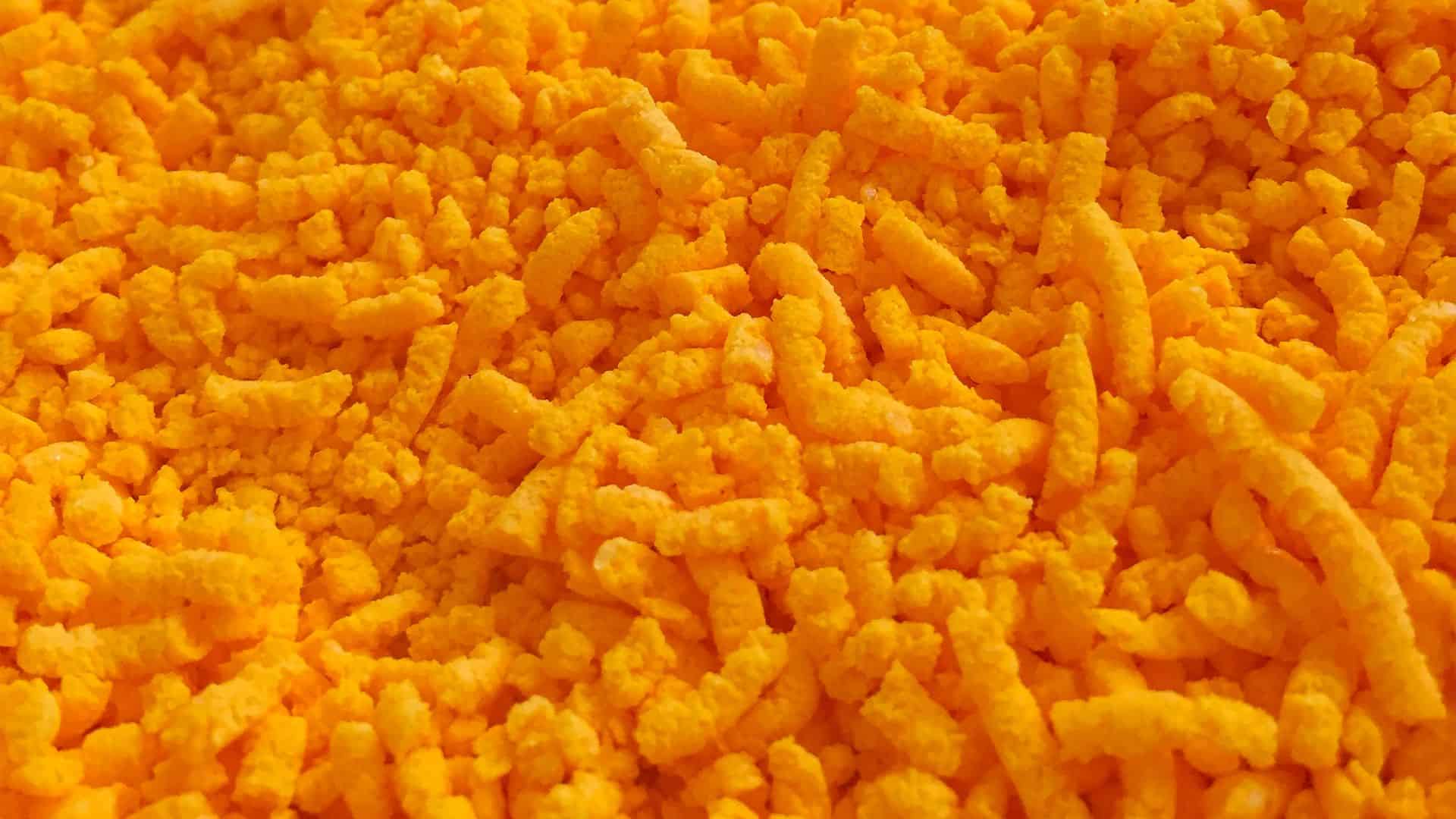
Cheetos may be a quintessential American snack, but their appeal doesn’t translate well worldwide. With their artificial orange coating, high sodium content, and processed flavor, they’re often criticized as unhealthy and overly manufactured. While they’ve gained some international fans, most people outside the U.S. find them too salty and strange.
9. Twinkies
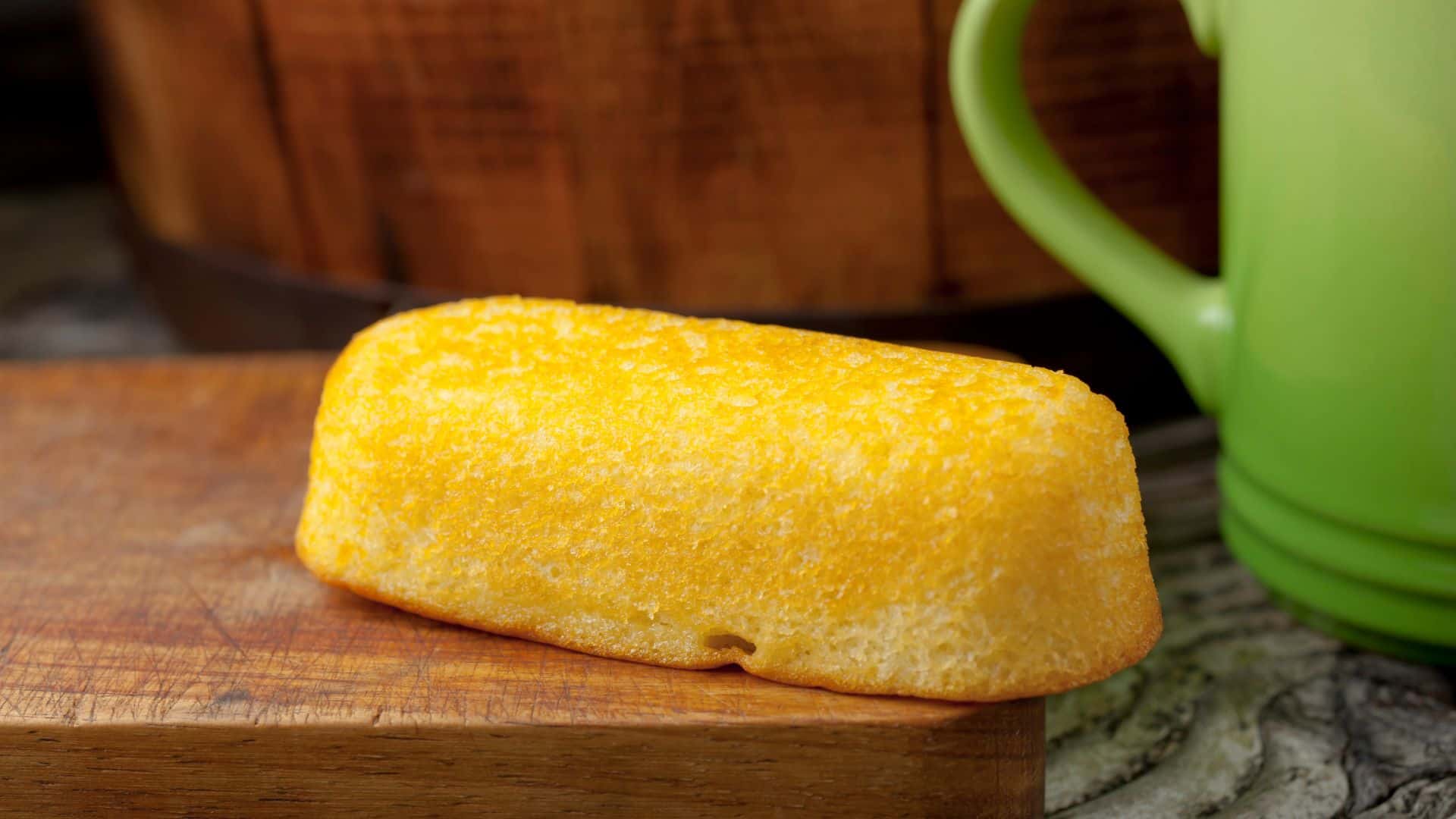
Twinkies are an American snack icon, but their sugary sweetness and artificial taste fail to impress most foreigners. Many find the sponge cake texture odd and the cream filling overly sweet. Outside the U.S., Twinkies are more of a curiosity than a beloved treat, often dismissed as overly processed and lacking in real flavor.
8. Jell-O Salad

Chili dogs take the humble hot dog and smother it in chili con carne, creating a messy, calorie-packed meal. While Americans celebrate the heartiness of this dish, many foreigners see it as overindulgent. Hot dogs are already considered an unhealthy treat, and piling on heavy chili only makes them harder to digest—and less appealing to an international audience.
7. Canned cheese

Canned cheese, also known as spray cheese, is one of the most puzzling American food inventions. Its texture, salty taste, and aerosol delivery make it a novelty for many but not a pleasant one. For cheese lovers around the world, nothing beats a fresh, authentic block of cheese. Canned cheese, by contrast, is viewed as artificial and unnecessary.
6. Spam

Spam is a canned meat product that’s both loved and ridiculed in the U.S. Its long shelf life and affordability make it a pantry staple, but its gelatinous texture and salty taste turn off most foreigners. While it has found fans in certain cultures, for many, Spam remains an odd and unappetizing food choice.
5. Deep-fried ice cream
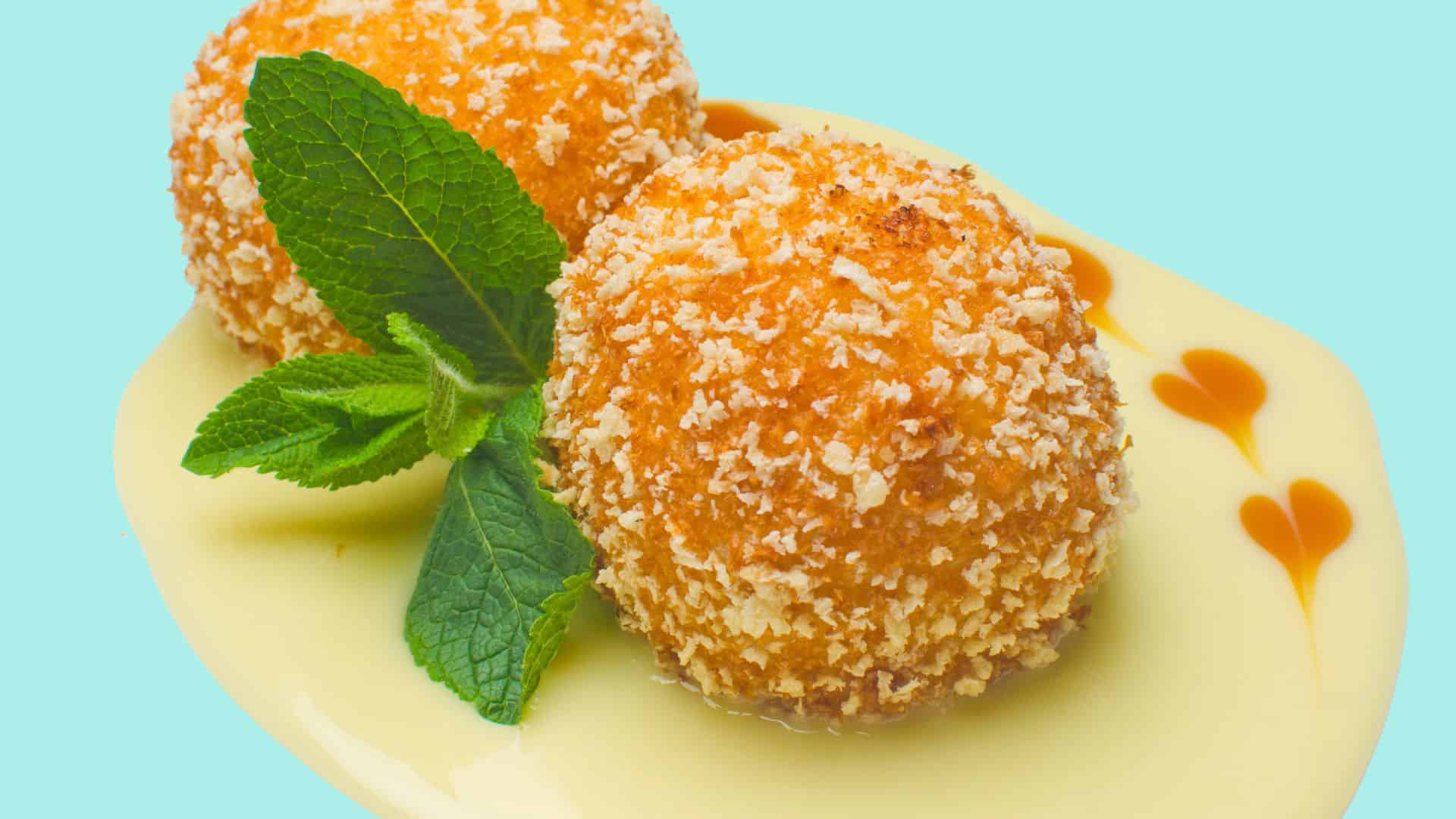
Deep-fried ice cream is one of those American desserts that sounds impossible until you try it, a crisp, warm shell encasing a scoop of still-frozen ice cream. Popular at fairs and some Mexican or Asian-American restaurants, it brings together the contrast of hot and cold in a single bite. The idea may seem unusual to foreigners, especially those not accustomed to combining extreme temperatures or textures in one dish. But despite the unusual concept, many are surprised by how well it works. The crunchy coating and creamy center create a rich, satisfying treat that turns skepticism into curiosity. It’s a playful twist on dessert that leaves a lasting impression.
4. Miracle Whip

Miracle Whip is a uniquely American condiment often confused with mayonnaise, though its distinct flavor quickly sets it apart. Sweeter, tangier, and spicier than traditional mayo, it’s a common addition to sandwiches, potato salads, and casseroles across the U.S., particularly in the Midwest and South. Its thick, creamy texture and bold taste are familiar comforts to many Americans, but can be jarring to those from abroad who expect something milder. For foreigners familiarized to subtle, egg-based spreads, Miracle Whip’s punchy flavor profile can often feel overpowering. Still, for those who grew up with it, it’s more than just a spread; it’s a pantry classic.
3. Spray Cheese

Spray cheese, similar to canned cheese, is a uniquely American invention. Delivered from an aerosol can, it’s often used as a topping for crackers or snacks. However, its artificial flavor and odd consistency make it unappealing to most people outside the U.S. For cheese enthusiasts, the idea of “spraying” cheese is as baffling as it is unappetizing.
2. Boiled Peanuts

Boiled peanuts are a longtime snack from the American South, often sold at roadside stands or enjoyed during late summer gatherings and sporting events. They’re made by simmering raw peanuts in heavily salted water until soft, resulting in a warm, briny flavor and a texture more similar to beans than the familiar crunch of roasted peanuts. For many locals, they’re a nostalgic treat tied to regional traditions and seasonal harvests. But to foreigners, the idea of soggy, salty peanuts can be puzzling, especially when they’re eaten straight from the shell, often still steaming. It is just not what you would expect from a peanut.
1. Rocky Mountain Oysters
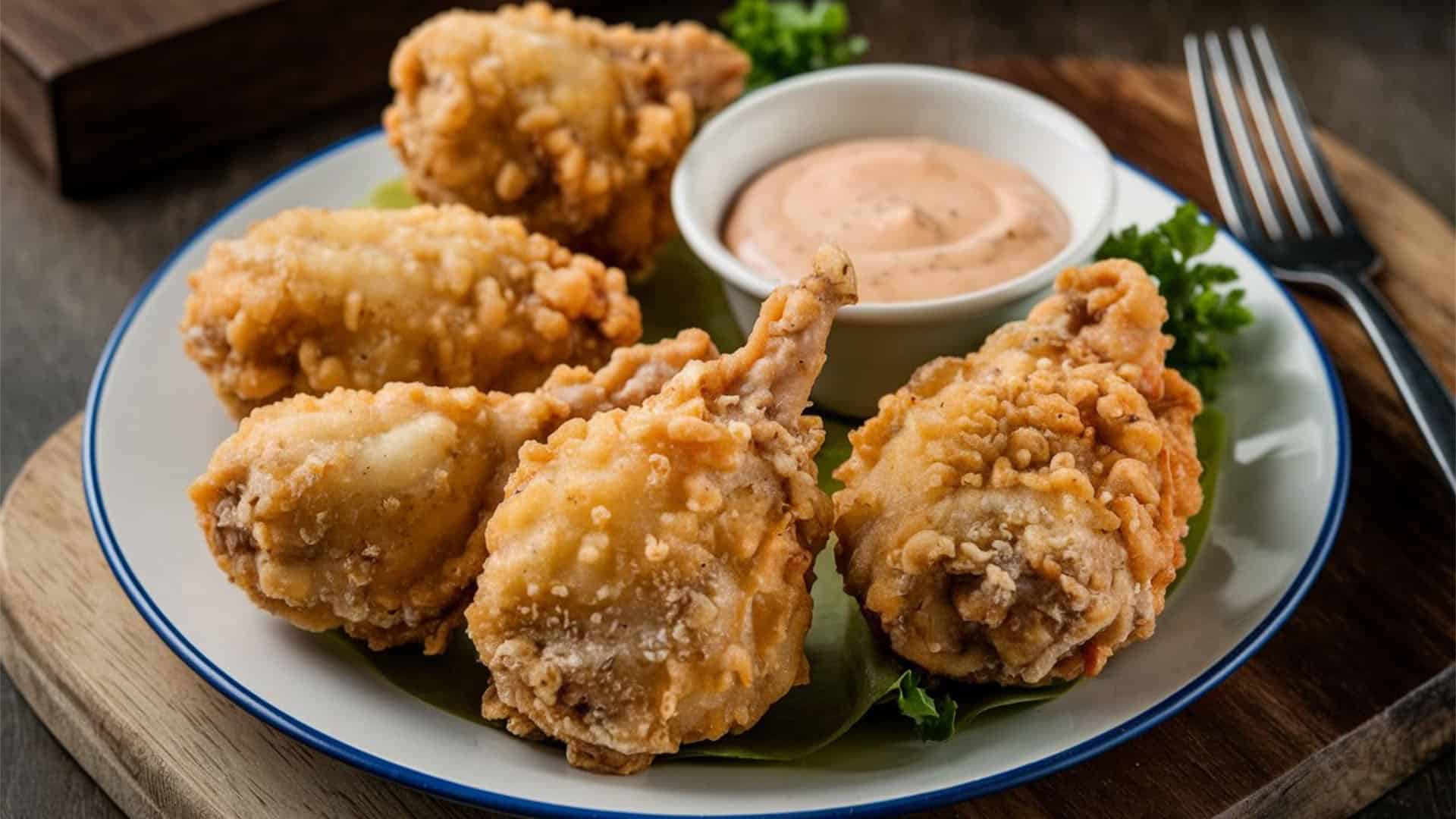
Rocky Mountain oysters might raise eyebrows abroad, but they've long been a part of traditional American ranching culture. Made from bull testicles that are peeled, sliced, and deep-fried, they're a specialty in parts of the Western U.S., often served at festivals and cowboy-themed restaurants. While the idea puts off many foreigners, similar dishes using organ meats are eaten in various parts of the world. What sets this one apart is the humor and pride with which it's served, often as a quirky challenge. It's not for everyone, but it's undeniably American.
Leave a Reply