
From bustling street markets to avant-garde tasting rooms, every culture nurtures culinary traditions that can look scary to outsiders. The most fascinating specialties often trace their origins to local history, geography, and ritual. Today, bold chefs are taking those same time-honored flavors and giving them an unexpected twist. These inventive dishes seamlessly blend heritage with modern flair. Take a look at all of these weird foods, and you may be amazed by what you find. Would you try them all?
1. Bird's Nest Soup (China and Southeast Asia)
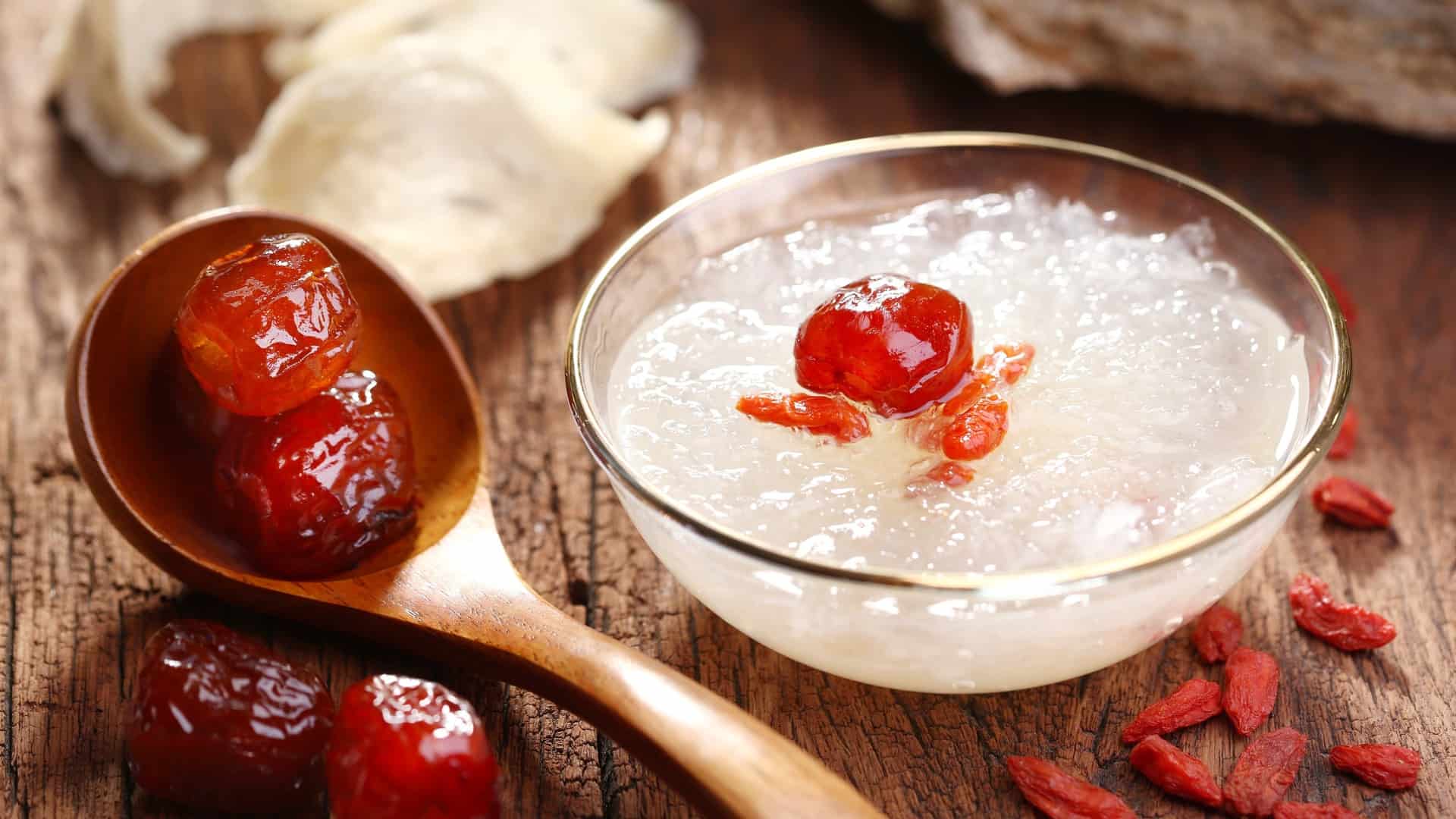
Bird's Nest Soup is a delicacy made from the saliva nests of cave-dwelling swiftlets. These nests, built almost entirely from hardened strands of saliva, dissolve into a gelatinous texture when cooked. The dish is not only prized for its texture, but it is also believed to have health benefits like promoting skin health and boosting the immune system.
2. Live Snails (Copenhagen)
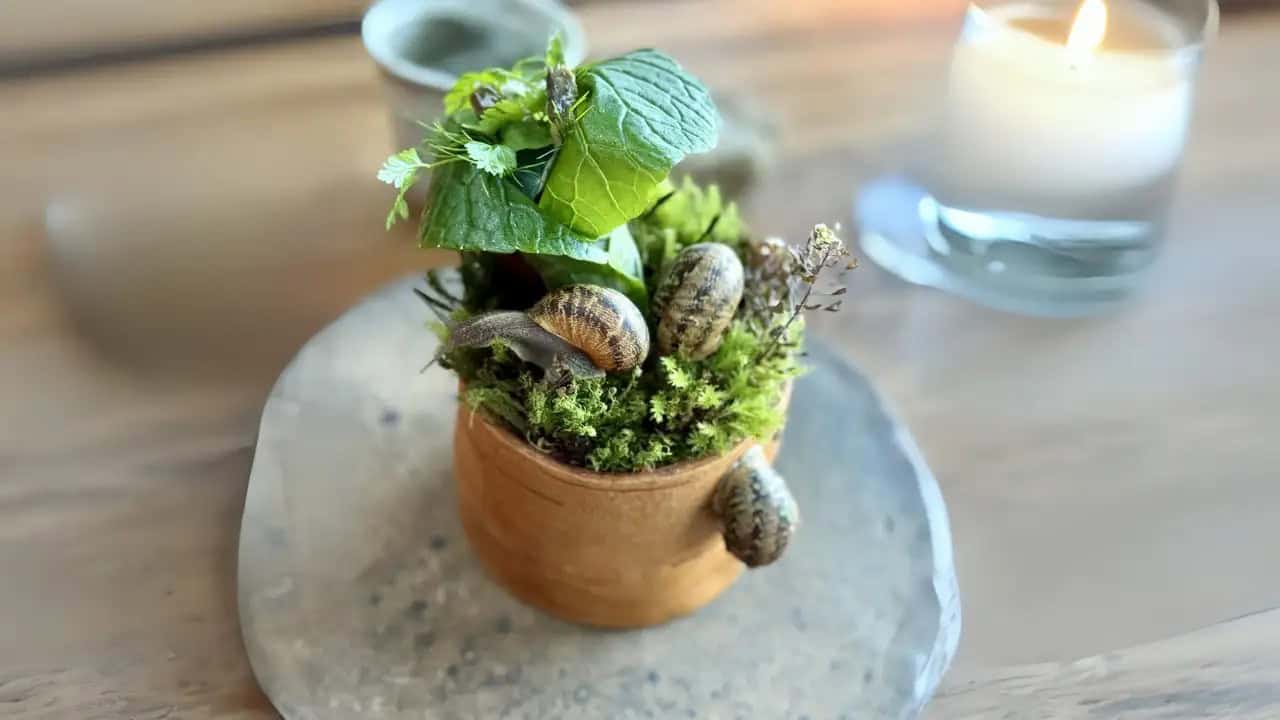
At the world-famous, Michelin-starred restaurant Noma in Copenhagen, culinary boundaries are constantly being pushed and redefined. One Reddit user reported a new dish called Wasabi and Snail, which features a live snail served tableside. Known for its bold innovation, Noma challenges diners to rethink what food can be, blending shock with sophistication. The snail is paired with intense wasabi to create a surprising contrast of flavor and texture. The idea behind the dish is to invite guests into an experience that is as thought-provoking as it is edible.
3. Sannakji (South Korea)

Sannakji is a dish made from live, long-armed octopus that is sliced and served immediately, often while the tentacles are still moving. Due to the complex nervous system of the octopus, it can still move. The suction cups on the still-twitching tentacles can grab onto chopsticks or even the inside of your mouth, so chewing thoroughly is very important! While it may appear bizarre or even dangerous due to the sticky suction cups posing a choking hazard, Sannakji remains a very popular delicacy in South Korea. It is almost like a test of bravery for adventurous eaters.
4. Escamoles (Mexico)
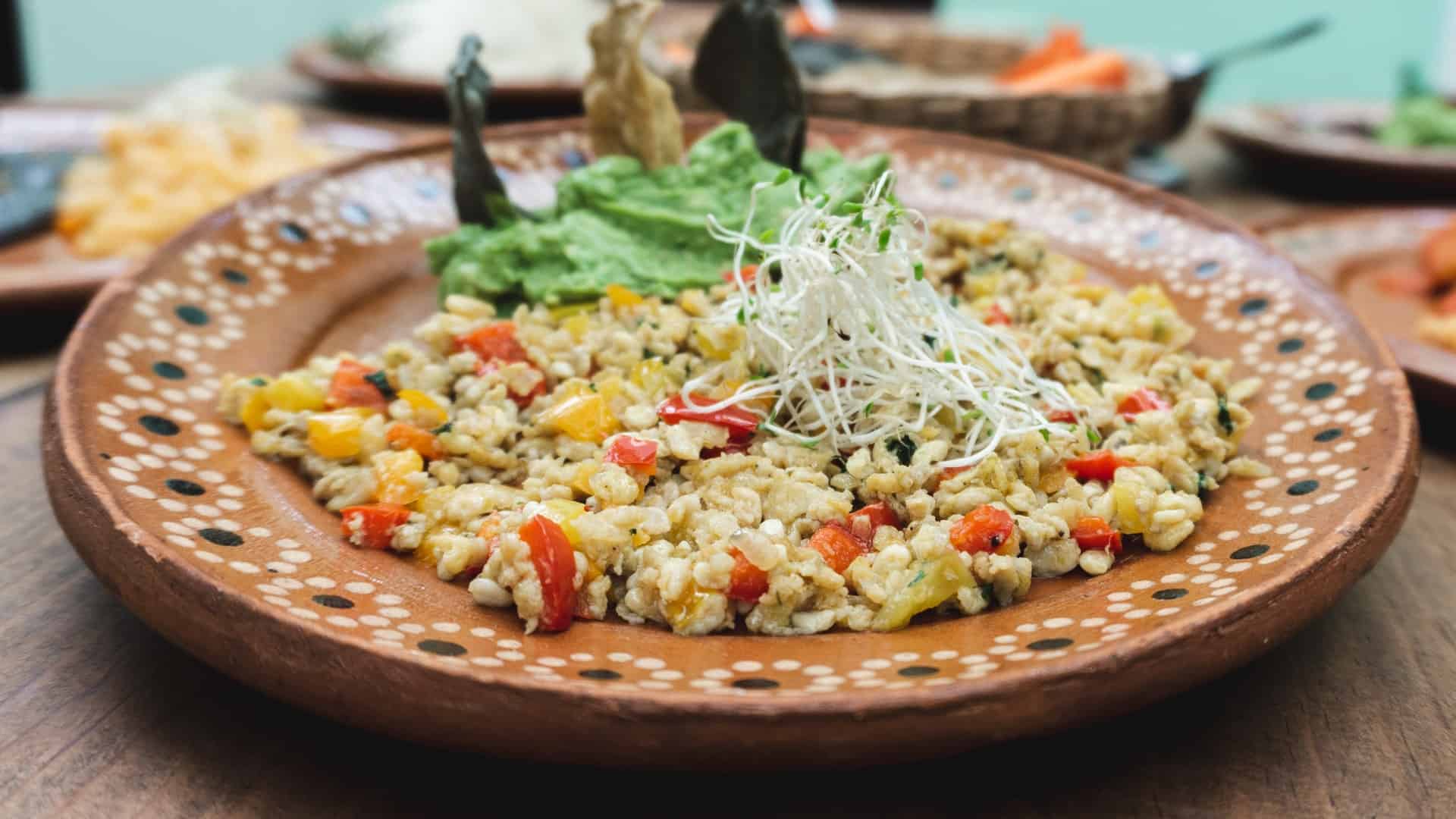
Escamoles, also known as "insect caviar," are the edible larvae of ants harvested from the roots of agave plants. This underground delicacy has been enjoyed since the Aztec era and is considered a seasonal treat, typically harvested in March and April. Escamoles are often sautéed with butter and spices, and their nutty, buttery flavor makes them a sought-after ingredient in high-end, gourmet Mexican cuisine. They are rich in protein and considered to be a very sustainable food source.
5. Chicken Liver Macarons
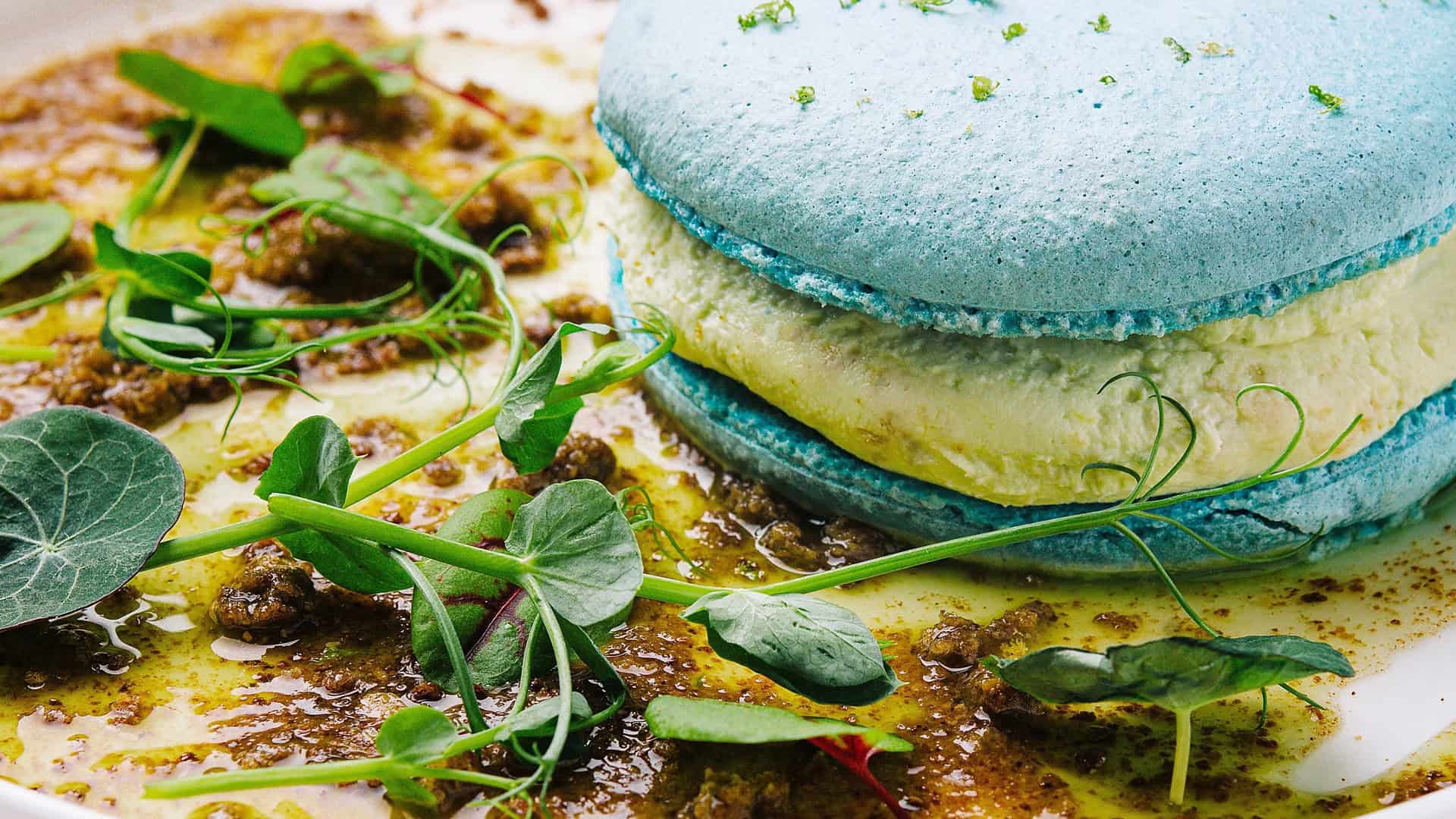
Chicken‑liver macarons are an inventive twist on the classic French macarons that you likely know and love. Instead of typical fillings like chocolate ganache or caramel, these macarons are filled with savory chicken liver mousse. This bold reinterpretation has appeared on menus in upscale venues, such as Osteria Francescana. Do you think macarons should be solely sweet?
6. Surströmming (Sweden)

Surströmming is a fermented Baltic Sea herring known for its extremely pungent, unpleasant odor, with a history dating back to the 16th century. The smell is so strong that the fish is traditionally eaten outdoors with thin flatbreads, potatoes, onions, and is considered a staple of northern Swedish culture. The fermentation process imparts a very sharp, tangy flavor to the fish, which some people love and others despise. Even the can itself in which the fish is stored often bulges from internal gases. Many braw eaters open the can underwater to suppress the smell.
7. Hákarl (Iceland)

Hákarl is made from Greenland shark meat that has been fermented and hung to dry for several months to remove toxic levels of urea and trimethylamine oxide. The result is meat that has a strong ammonia smell and a chewy texture. It is traditionally served in small cubes and eaten with a shot of Brennivín, an Icelandic schnapps. Eating a plate of Hákarl is considered a rite of passage for visitors to Iceland, but due to its pungent smell, it is not particularly popular among tourists. Would you dig right in?
8. Maguey Worm (Mexico City)
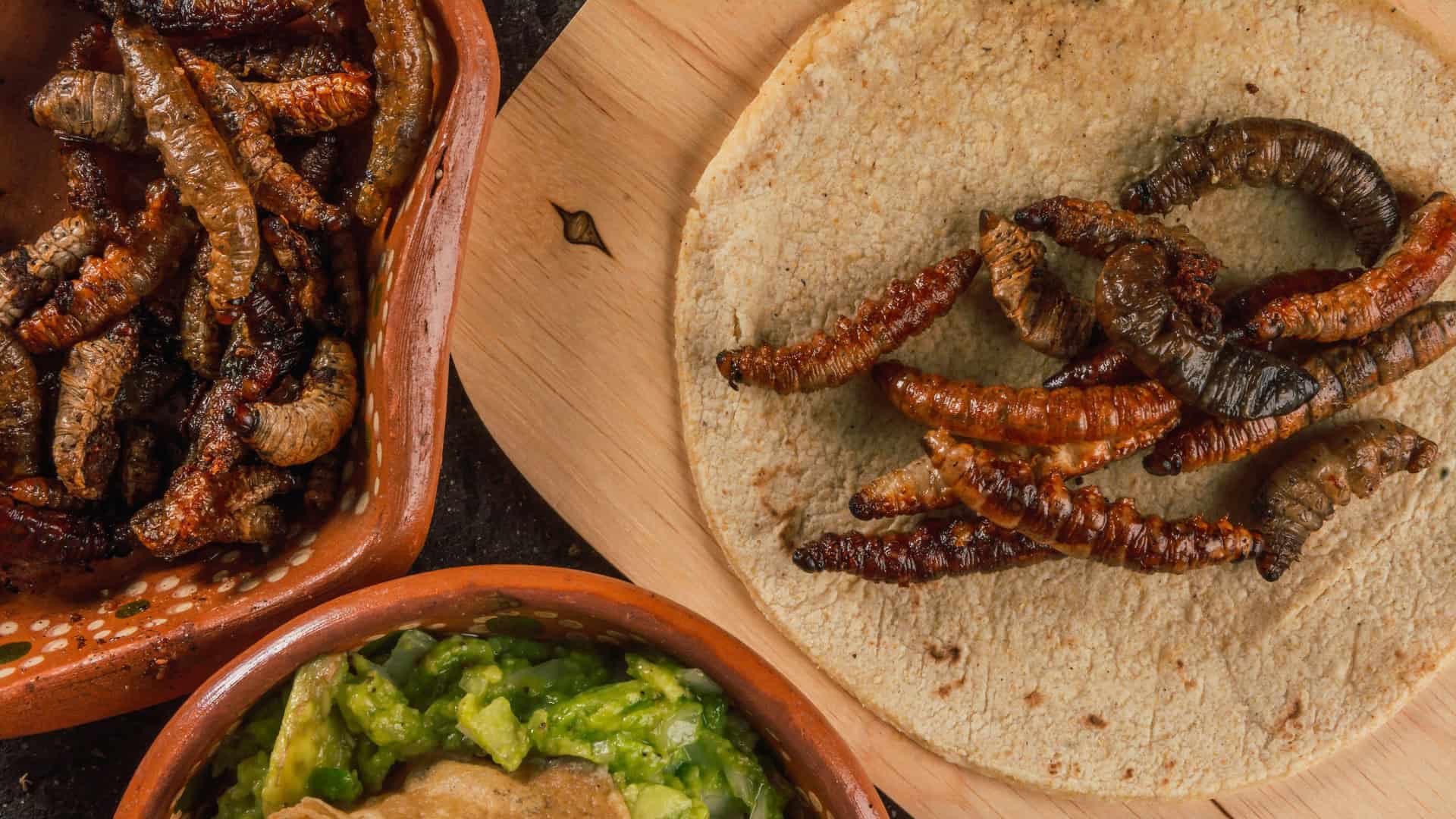
Baldío in Mexico City is considered a pioneer of zero-waste fine dining, earning a Michelin Green Star. In this unique restaurant, the most astonishing menu item isn’t your typical protein, but rather the maguey worm delicately served atop a squash tostada. These plump, indigenous larvae are not only native to Mexican culinary traditions but also highlight Baldío’s sustainable efforts, which emphasize that nothing goes to waste.
9. Stink Bugs (Zimbabwe and other parts of Africa)
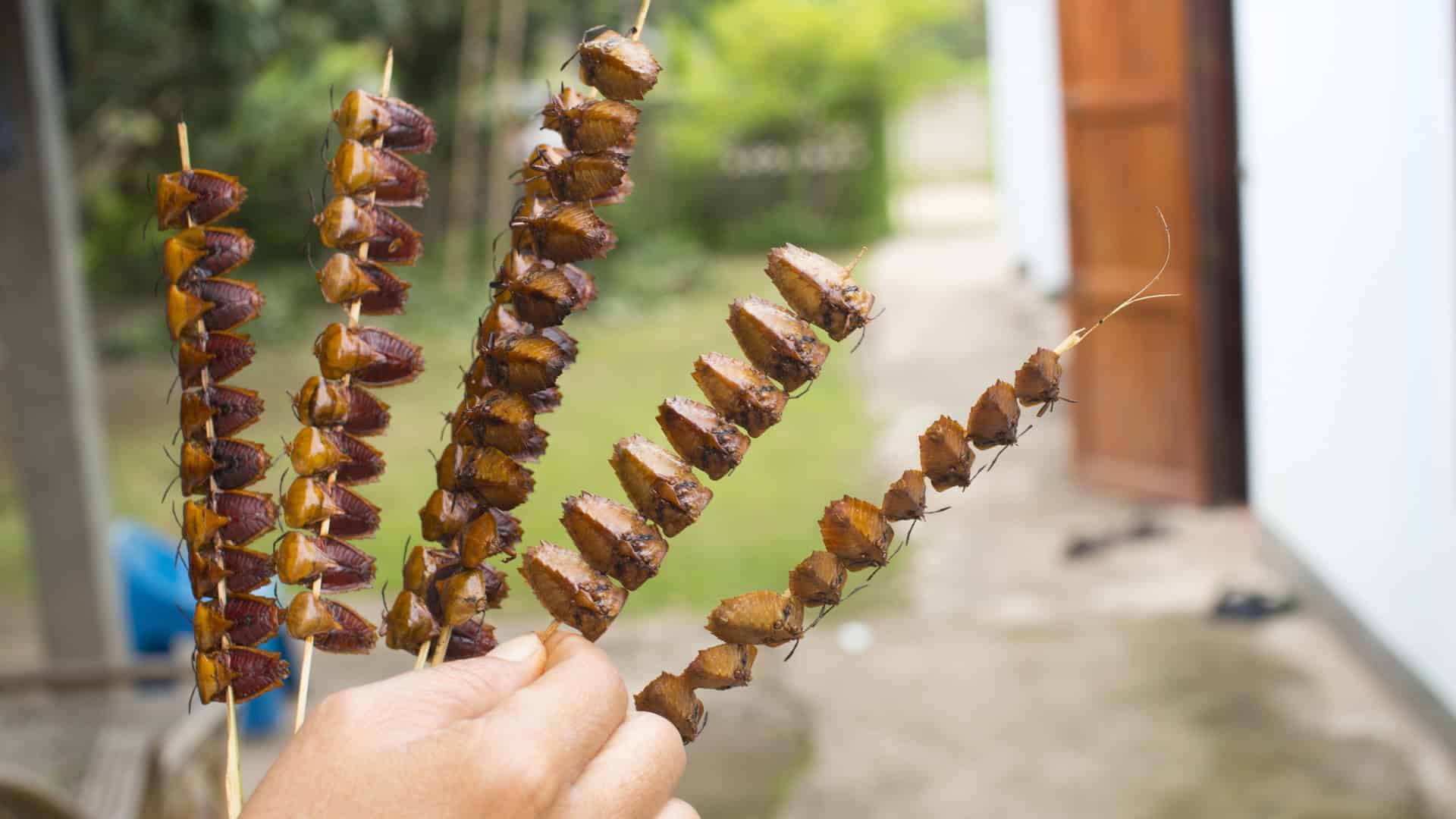
In several African countries, stink bugs are roasted or boiled and eaten as a protein-rich snack or cooked into stews. Edible stink bugs are light green to yellow, and they are a great source of protein and vitamins. They emit a strong odor when threatened, hence the name "stink bug," but when prepared correctly, that odor dissipates and is replaced with a unique, citrusy flavor. Their popularity reflects a growing interest in edible insects as a sustainable food source.
10. Jing Leed (Thailand)
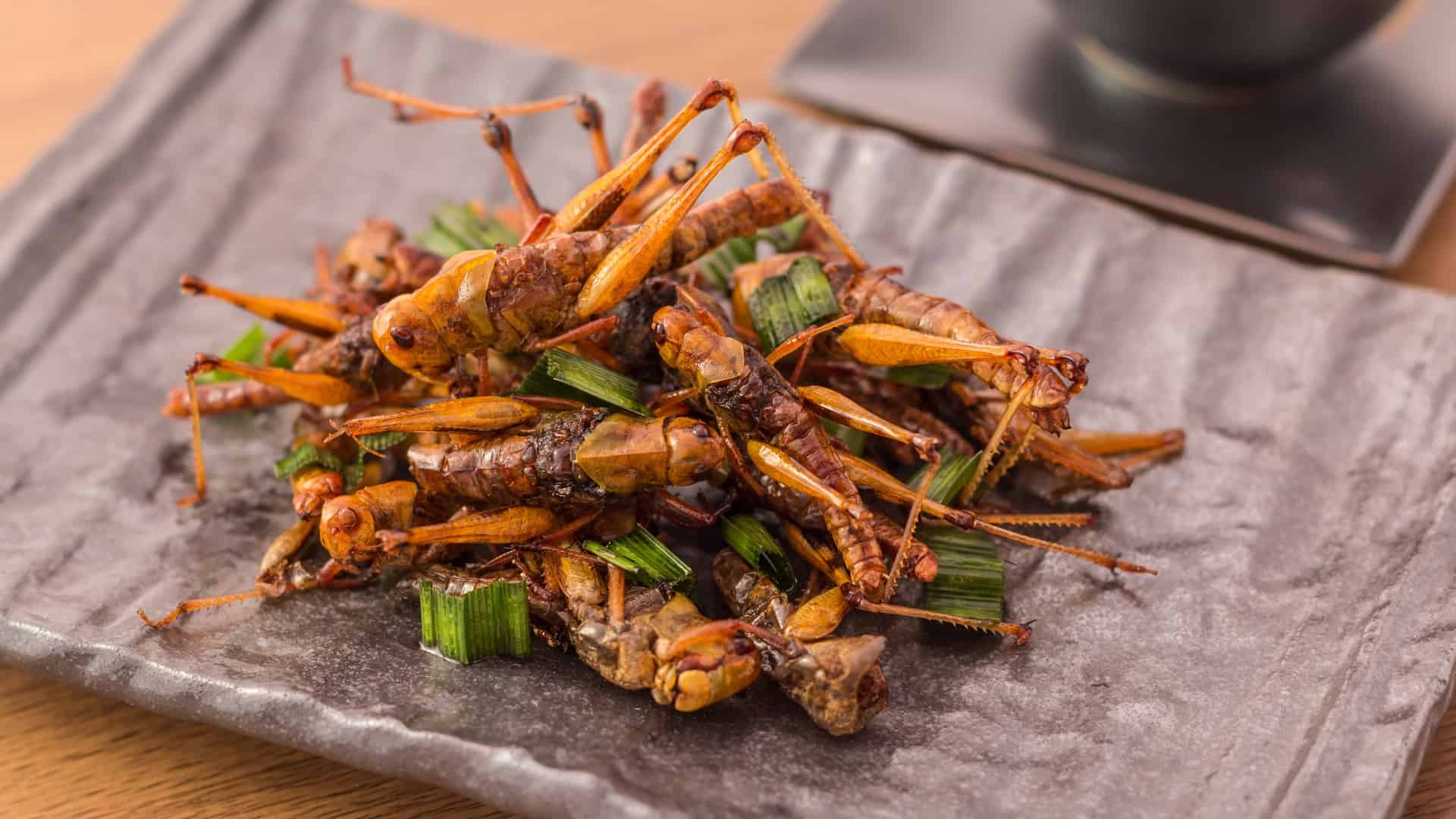
Jing Leed are deep-fried crickets seasoned with soy sauce and pepper, commonly sold as snacks by street vendors in Thailand. They have a crispy texture and a flavor that is slightly similar to toasted nuts or shrimp shells. Insects like Jing Leed are a sustainable alternative to conventional meats, especially since they are high in protein and low in fat. Entomophagy (the practice of eating insects) is becoming increasingly globally accepted, which means Jing Leed may gain popularity outside of Thailand in the near future.
11. Crocodile Meat (Australia, Africa, and Asia)
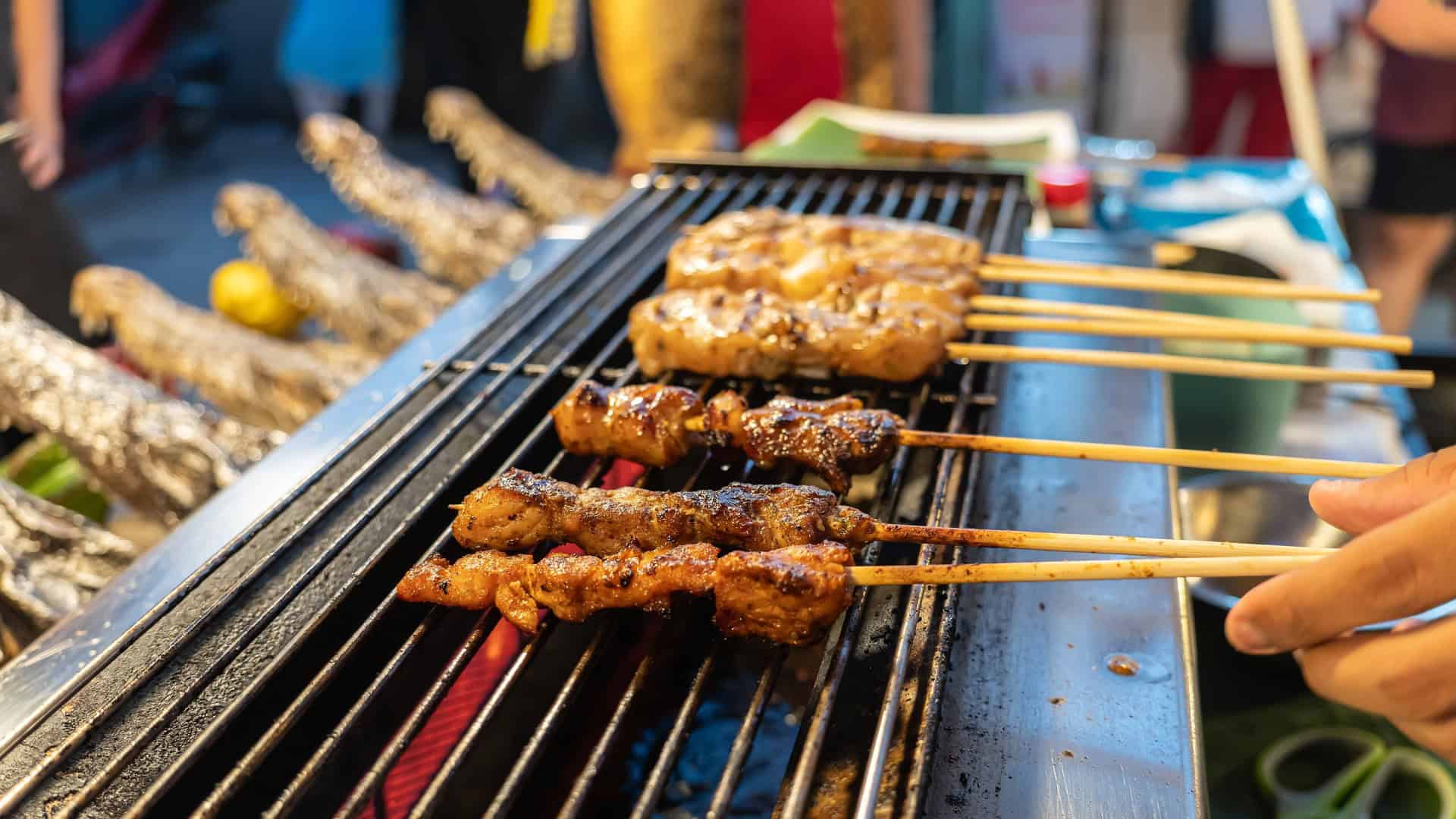
Crocodile meat is a unique protein source that is enjoyed in regions such as Australia, Africa, and Southeast Asia, where it is often grilled, stewed, or fried. It is prized for its mild, slightly sweet flavor, often likened to a blend of chicken and seafood, thanks to its dense, tender texture. Crocodile meat is also considered a healthier alternative to red meat since it is high in protein and low in fat. In some cultures, crocodile is believed to have medicinal properties, and its consumption is tied to local traditions and respect for the animal’s power.
12. Offal Dining
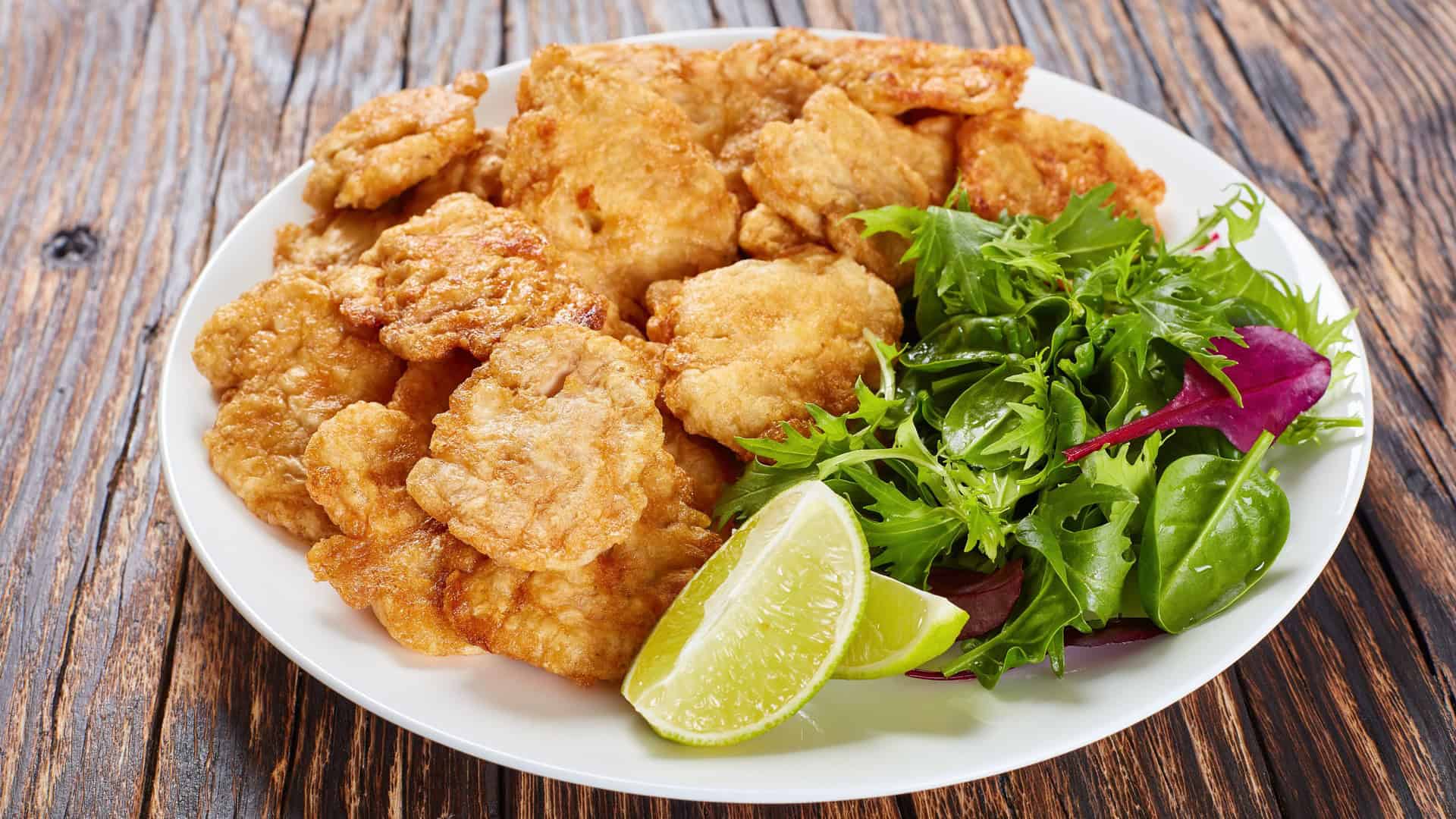
Offal dining is experiencing a bold comeback, with top chefs reclaiming ingredients once dismissed as scraps and transforming them into refined culinary statements. This nose-to-tail approach celebrates the beauty of the overlooked, transforming organs and offal into sophisticated, conversation-starting plates. At La Tasquería in Madrid, chef Javi Estévez is leading the charge, serving dishes like deep-fried lamb brain that are as elegant as they are daring. The idea is not to shock the diner, but to honor tradition and redefine luxury through craft and creativity.
This article was first published by Spatula Desserts.
Leave a Reply