
Everyone who loves dogs knows they’re part of the family. We share our homes with them, and sometimes even our food. But sharing food isn’t always a good idea. Some things that are perfectly safe for humans can be toxic or dangerous to dogs. In this article, with a bit of help from the American Kennel Club and the American Society for the Prevention of Cruelty to Animals, we’ll walk you through the foods that are toxic to dogs, so you’ll know exactly what to keep far away from their dinner bowl.
Raw Bread Dough
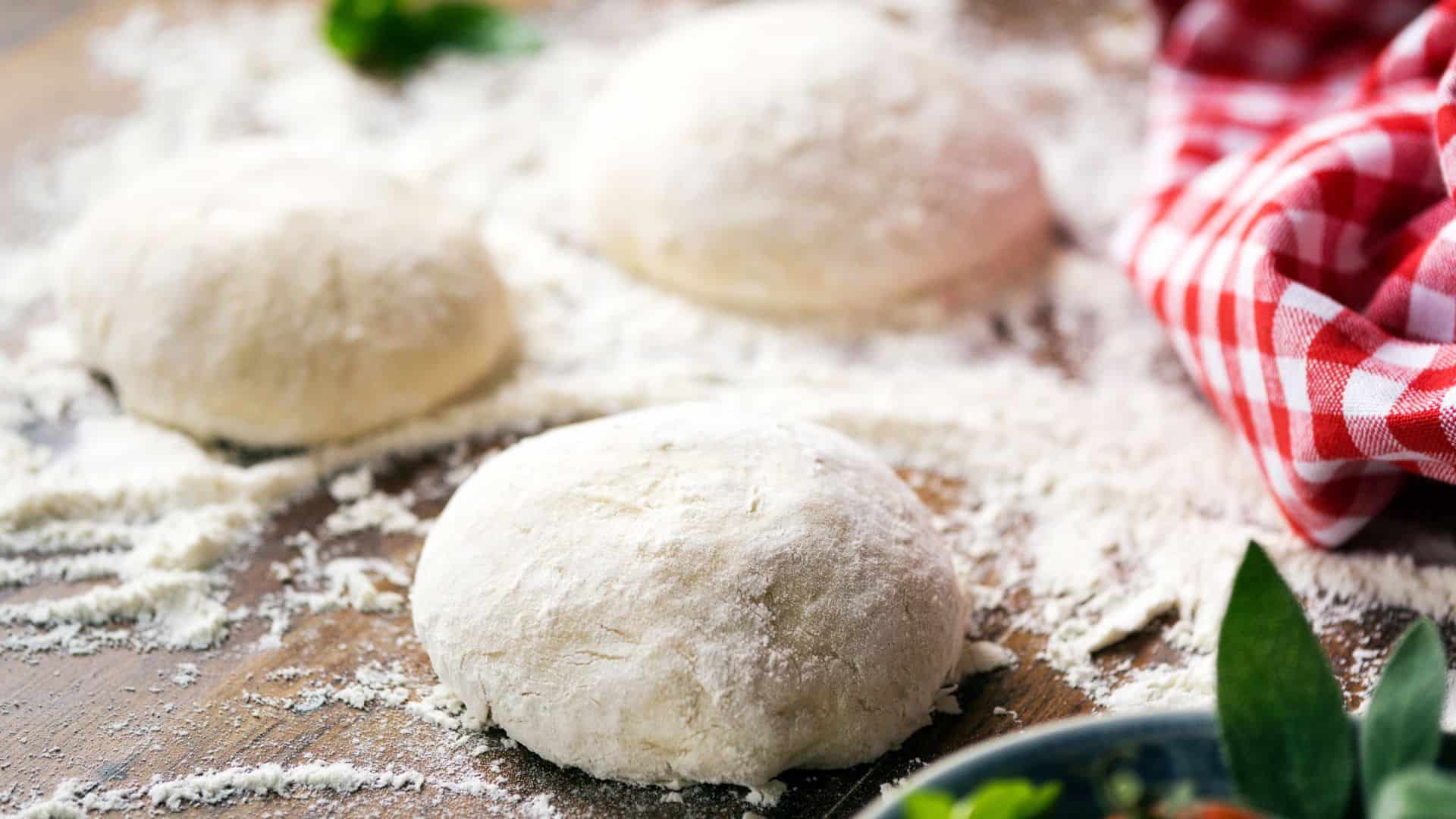
Do you love baking fresh bread? That is great! As long as you keep that yeast dough away from your dog. It might look harmless, but in your dog's stomach, it can be serious trouble. If your pup eats uncooked yeast dough, the yeast continues to ferment inside their belly, releasing gas that can cause bloating, pain, or even a condition called stomach twisting, which can be a life-threatening emergency.
Yeast fermentation inside the belly also produces alcohol, increasing the risk of alcohol toxicity.
Chocolate

Chocolate may be a beloved treat for humans, but for dogs, it can be harmful. The compounds theobromine and caffeine, both natural stimulants found in chocolate, can trigger elevated heart rate, high blood pressure, tremors, and seizures in dogs.
Dark and semi-sweet varieties pose an even greater risk because they contain higher concentrations of these substances. No matter how much your dog begs for a taste, it is far safer to offer a treat made specifically for dogs. Keeping chocolate stored well out of reach is the best way to protect your dog.
Anything with Xylitol

The sugar-free gum or peanut butter you have in your pantry may pose a hidden danger: xylitol. This sugar substitute is not dog-friendly as it may cause a dangerous drop in blood sugar and can even lead to seizures or acute liver failure in your pup. While xylitol may be common for humans to eat a sugar-free diet, it is definitely not something you should ever give to your dog.
Grapes
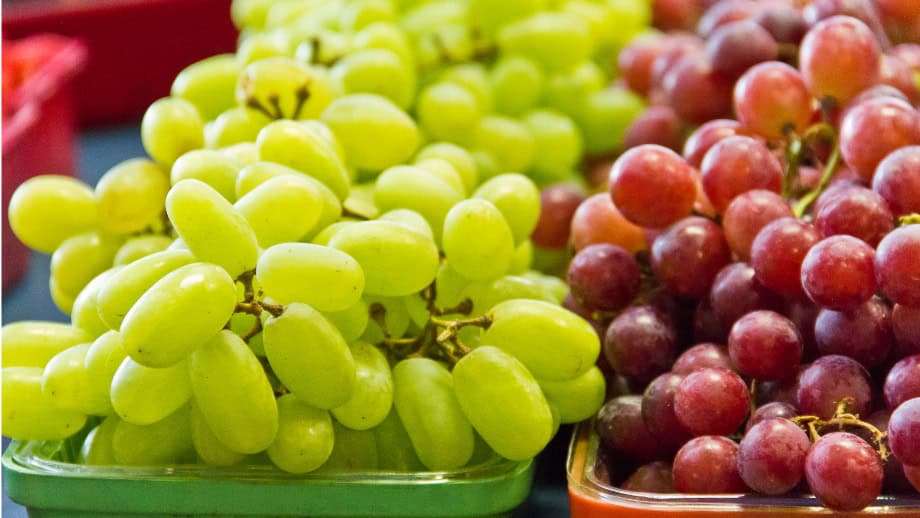
You may be surprised to learn that grapes pose a serious risk for your dog and just a few can trigger sudden kidney failure. Some dogs are affected even by small amounts of grapes, so it is safest to avoid grapes entirely. If your dog sneaks a few grapes off the countertop, contact your vet right away.
Macadamia Nuts
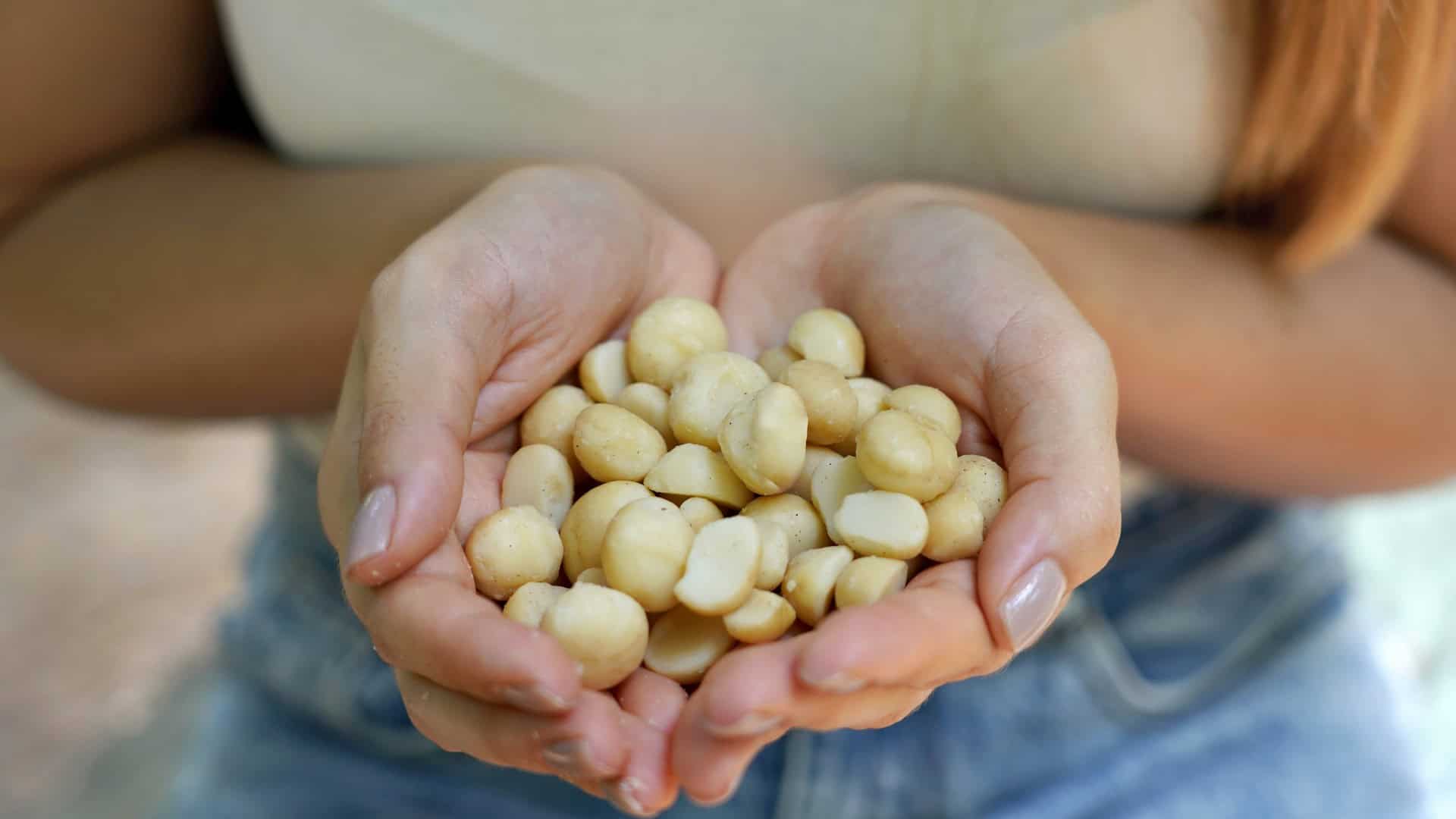
These buttery nuts from Australia may be delicious for humans, but dogs do not handle them well. Ingesting macadamia nuts can lead to weakness, vomiting, tremors, and hyperthermia. If you want to enjoy a bowl of macadamia nuts, go ahead! Just remember that your dog may experience side effects from eating these nuts. Keep them far away from your pup!
Avocados

Avocados are a nutritious choice for humans, but they are not suitable for dogs. They contain persin, a natural compound that can affect a dog’s heart and lungs. The amount of persin varies depending on the plant, but the skin and leaves typically contain the highest levels.
To keep your pup safe and healthy, it’s best to skip sharing avocado or guacamole and instead offer them a dog-friendly snack they can enjoy without risk.
Onions

Onions in any form, raw, cooked, or powdered, are unsafe for dogs. They contain compounds that can damage red blood cells, leading to anemia, a condition that limits the blood’s ability to carry oxygen and can become life-threatening if untreated.
Dogs may eat onions, such as grabbing a piece dropped on the floor or snatching one from a plate. Even small amounts consumed over time can accumulate and cause harm, so keeping all types of onions well out of reach is the safest choice.
Garlic
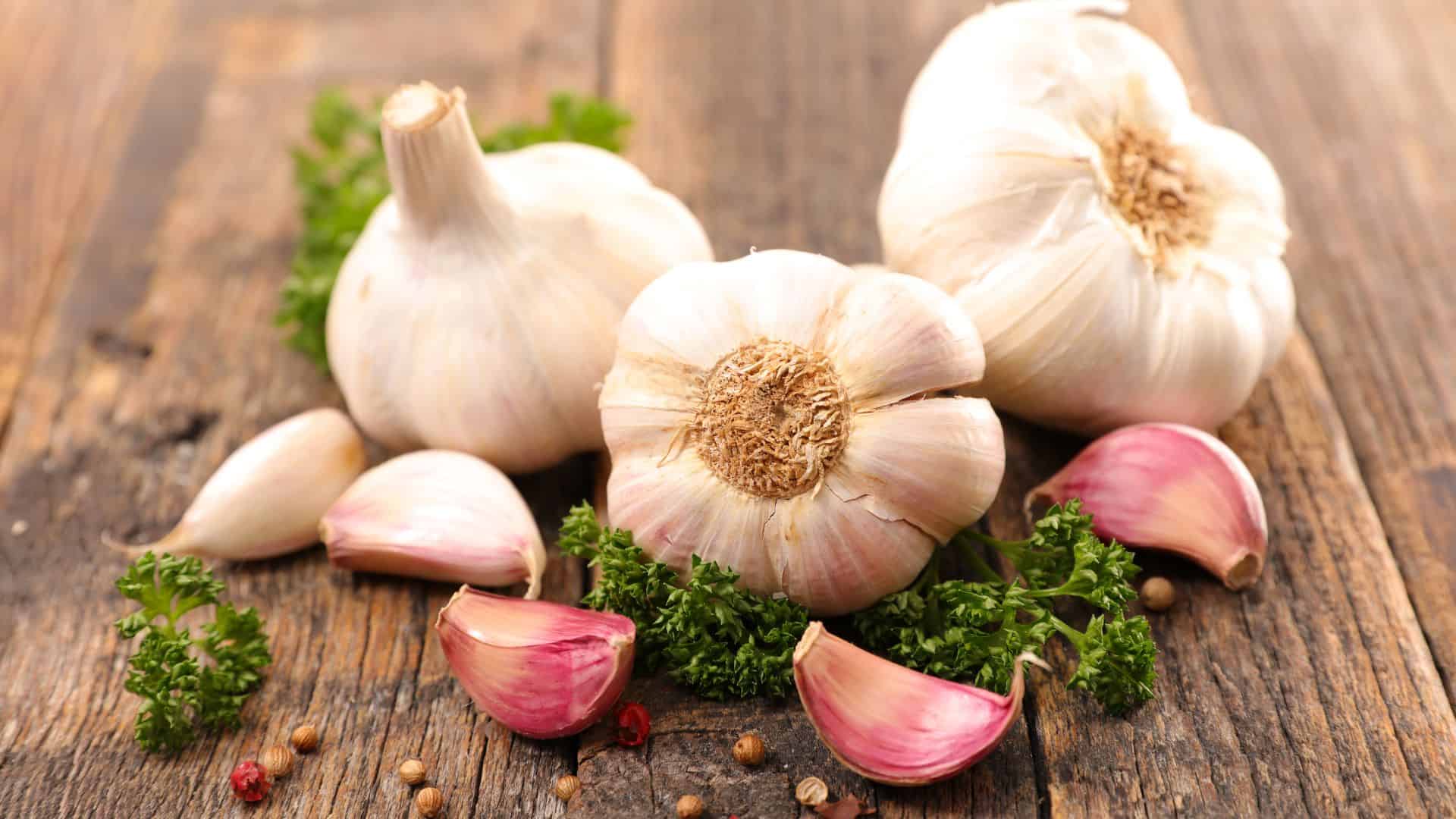
Garlic is in the same plant family as onions and poses a similar danger to dogs by damaging red blood cells and reducing oxygen flow in the body. Despite the strong flavor of garlic, many dogs won't hesitate to eat a few cloves if they fall on the floor.
Since even small amounts can be toxic, it is essential to store garlic and any garlic-containing foods or seasonings securely and ensure that you don't accidentally give your pup a large piece of garlicky bread.
Spoiled Food
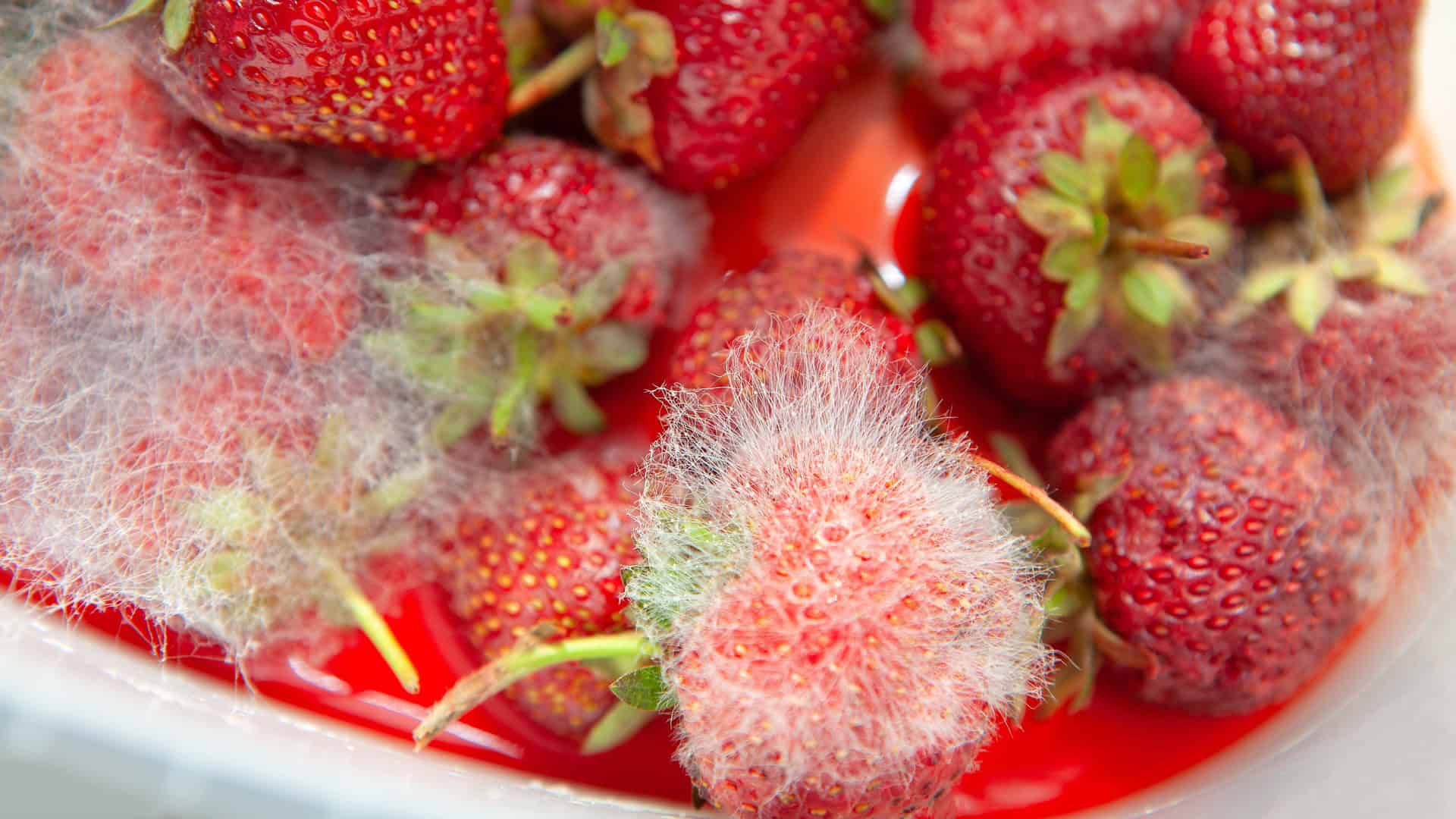
Would you eat spoiled food? Probably not, then why would you give it to your dog? Leftovers past their prime or moldy scraps from the trash are more than unappealing, and they can pose real health risks. Certain molds produce mycotoxins, which are harmful substances that can cause muscle tremors, seizures, or severe digestive distress in dogs.
The safest approach is to keep trash bins securely closed and avoid offering any food you would not eat yourself. Protecting your dog’s health starts with ensuring everything they eat is fresh and safe.
Raisins
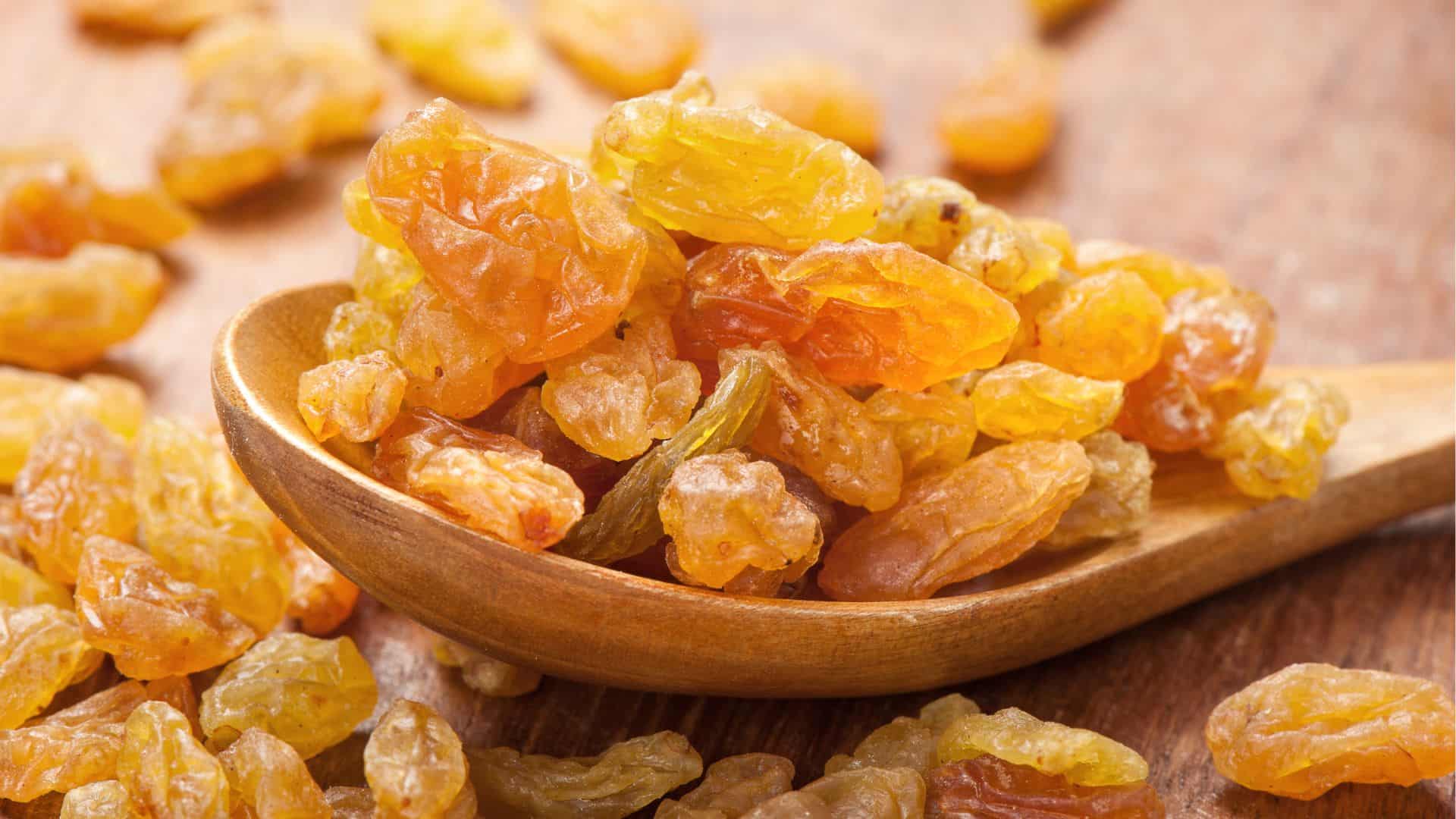
Do not be misled by their small size. Raisins can be highly dangerous to dogs. Just like grapes, even a small amount has the potential to cause severe kidney failure. The reaction can vary from dog to dog, with some experiencing severe effects even from the smallest amount, while others show milder symptoms.
Because raisins are often found in baked goods, cereals, and trail mixes, it is important to be vigilant about what your dog has access to. The safest choice is to keep raisins and any foods containing them well out of reach.
Cinnamon

Cinnamon may be harmless to humans in small amounts, but it is not a good choice for dogs. While not technically toxic, cinnamon and its essential oils can irritate the lining of a dog’s mouth and stomach, leading to discomfort and illness. Ingesting too much can cause a dangerous drop in blood sugar, as well as symptoms like vomiting, diarrhea, and changes in heart rate.
Inhaling powdered cinnamon poses its own risks, including coughing, choking, and breathing difficulties. To keep dogs safe, it is best to avoid giving them cinnamon in any form.
Alcoholic Beverages

Alcohol can be harmful to anyone, but for dogs it poses an even greater risk. Their bodies are much smaller, so even a little alcohol can disrupt vital functions and cause serious harm. Just a small amount can lead to vomiting, loss of coordination, tremors, slowed breathing, and seizures.
Because alcohol is absorbed so quickly in a dog’s system, prompt veterinary attention is essential if any is consumed. Beer, wine, or foods prepared with uncooked alcohol all carry the same danger. Even if it sounds great to enjoy a beer with your dog, it is best to keep the alcohol for yourself.
This article was inspired by the ASPCA and American Kennel Club, and first published at Spatula Desserts.
Leave a Reply