
Grocery stores are full of carefully planned tricks designed to influence how you shop and how much you spend. From the way products are placed to how prices are displayed, every detail is designed to guide your choices, often without you even realizing it. It’s a subtle game of psychology that can leave you spending more than you planned or picking items that aren’t actually the best deal. Navigating this environment isn’t always easy, but once you understand the tactics, you can shop smarter and avoid being misled. If you’re someone who cares about staying on budget or simply wants to make better choices, you need to know these are supermarket secrets.
Smaller Carts Are Rare for a Reason
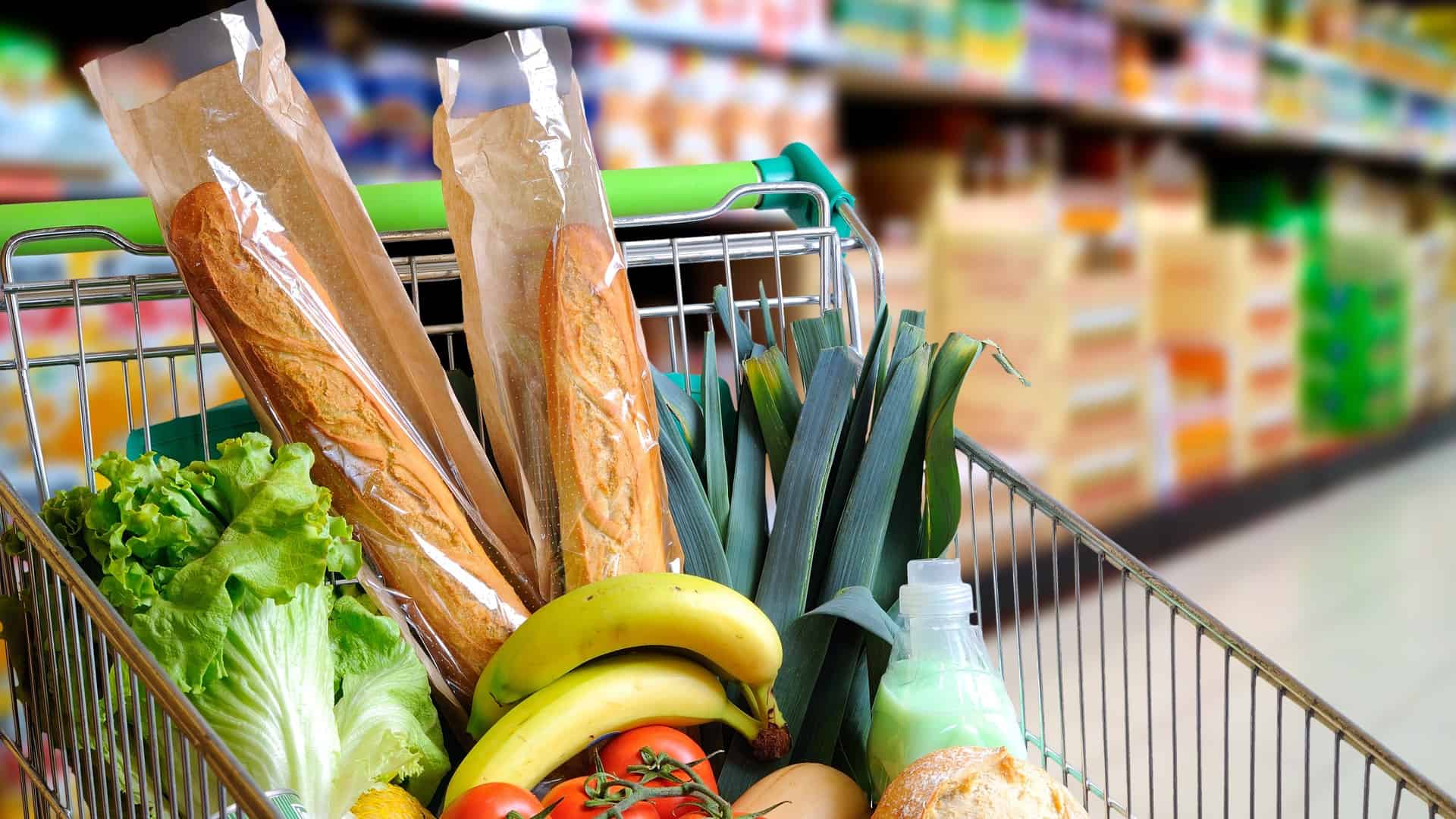
Walk into almost any supermarket, and you’ll notice one thing right away. The shopping carts are big, often much bigger than you actually need. That’s no accident. Retail experts and behavioral economists have long recognized that the size of your cart can subtly influence the amount you purchase.
When the cart is large and mostly empty, shoppers tend to feel like they haven’t picked up enough. This creates a psychological nudge to keep adding more items, even if they were not on the list. In fact, studies have shown that doubling the size of a shopping cart can lead to as much as 40 percent more spending. It’s a quiet but powerful tactic that benefits the store’s bottom line while most customers remain unaware.
Price Tags Use Psychological Tricks

Take a closer look at the price tags on supermarket shelves and you’ll notice a familiar pattern. Most end in .99. This isn’t just a coincidence. It’s a pricing tactic designed to trick the brain into seeing a product as cheaper than it really is.
A price of $4.99 feels noticeably less than $5, even though the difference is just a penny. It plays into what psychologists call “left-digit bias,” where shoppers focus on the first number and overlook the rest. The result? You think you’re spending less, even when you’re not. That’s why smart shoppers focus on the unit price, which shows how much you’re actually paying per ounce, pound, or item. It’s the best way to make sure you're getting real value, not just clever marketing.
Sale Signs Can Be Misleading

Just because something has a bright red sale tag doesn’t mean it’s the best deal in the aisle. “On sale” simply means the price is lower than it was before, and it doesn’t guarantee it’s the lowest price overall. The product might still cost more than a similar product sitting on the next shelf, so it is better to check it.
Stores rely on the visual impact of sale signs to grab your attention and trigger a sense of urgency, even if the discount is small or the original price was inflated to begin with. That’s why it pays to compare labels carefully and not assume the sale tag is your best bet. Sometimes the better bargain is hiding somewhere else.
Price Based on ZIP Code

What you pay at the supermarket can depend on more than just what’s in your cart; it can also depend on your ZIP code. Many retailers use location-based pricing, meaning the same item could cost more in one neighborhood than another. Part of this comes down to local costs like rent, wages, and transportation. For example, shipping fresh goods from far away can drive up the cost.
Regional competition is also a price driver. If there's no competition, they're essentially free to set a price. However, if another player is on the market, they must be cautious about any price increases. But there’s another reason, too. Stores know when they’re in a wealthier area, and they can raise prices on certain items because they expect people to be able to afford to pay more.
End Cap Displays

The products featured at the end of aisles (end caps) often appear to be on sale, but that is not always the case. These prime spots are usually reserved for higher-margin or promotional items, and similar products may be located in the aisle for a better price. Always take a few extra steps and check similar items. They might have a much better unit price.
Buying Fresh Fish

Unless you live near the coast, the "fresh" fish at the grocery store is likely not fresh at all, and it was probably frozen, shipped, and then thawed before being put on display. Stores rarely mention this, but most fish sold as fresh went through this process. So you're really just paying more for fish someone else thawed for you. Buying frozen fish instead is usually much cheaper, and you can thaw it at home when you're ready to cook. Same quality, less money, and no marketing tricks involved.
Eye-Level = High Price
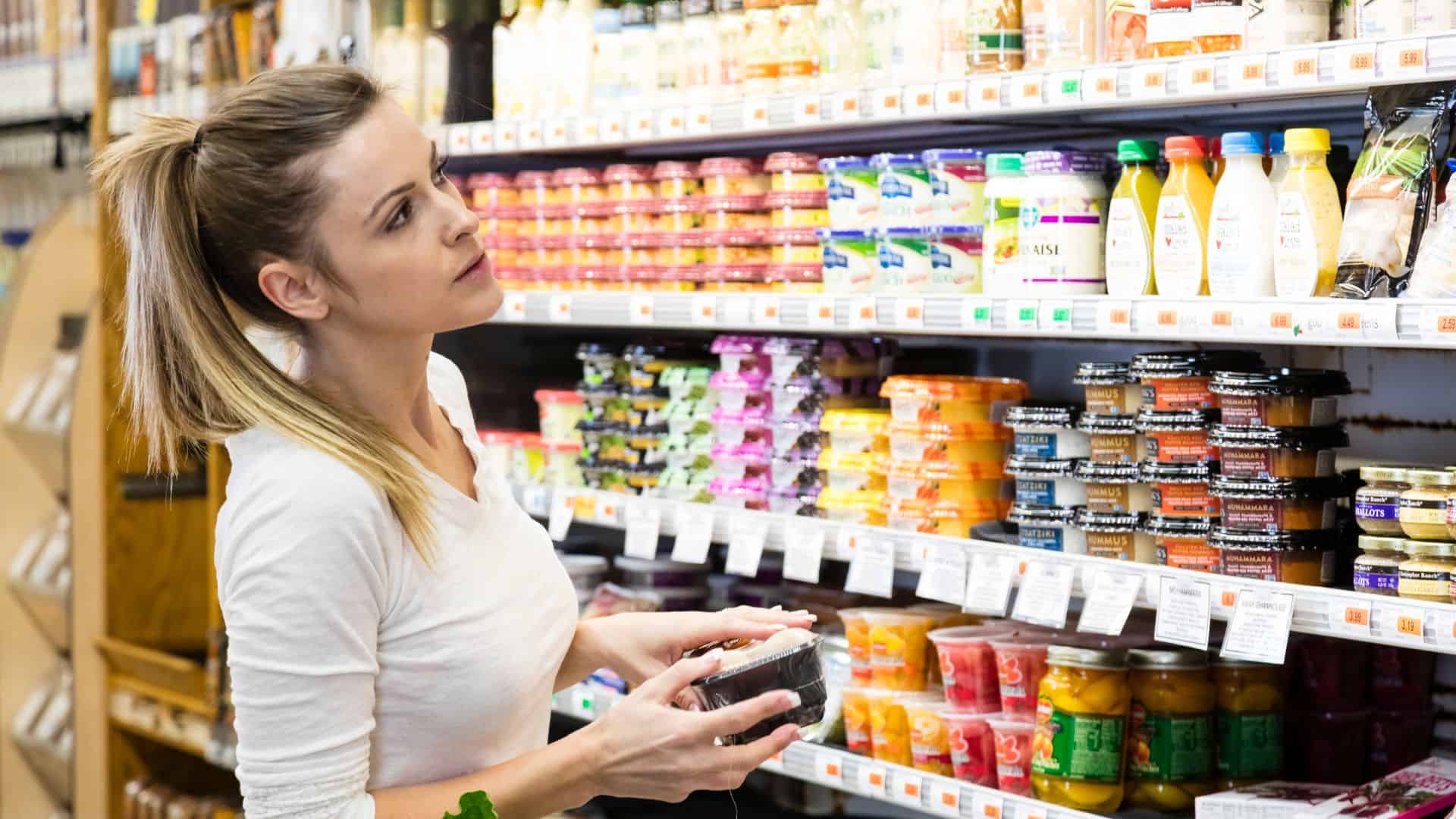
Eye level is buy level. Brands pay to be placed at eye level on shelves because that is where we naturally look first. However, items placed in prime positions usually come with higher price tags. Always check the top and bottom shelves for better deals, generic brands, or larger quantities that may be available at a lower unit cost.
Prices Change Frequently
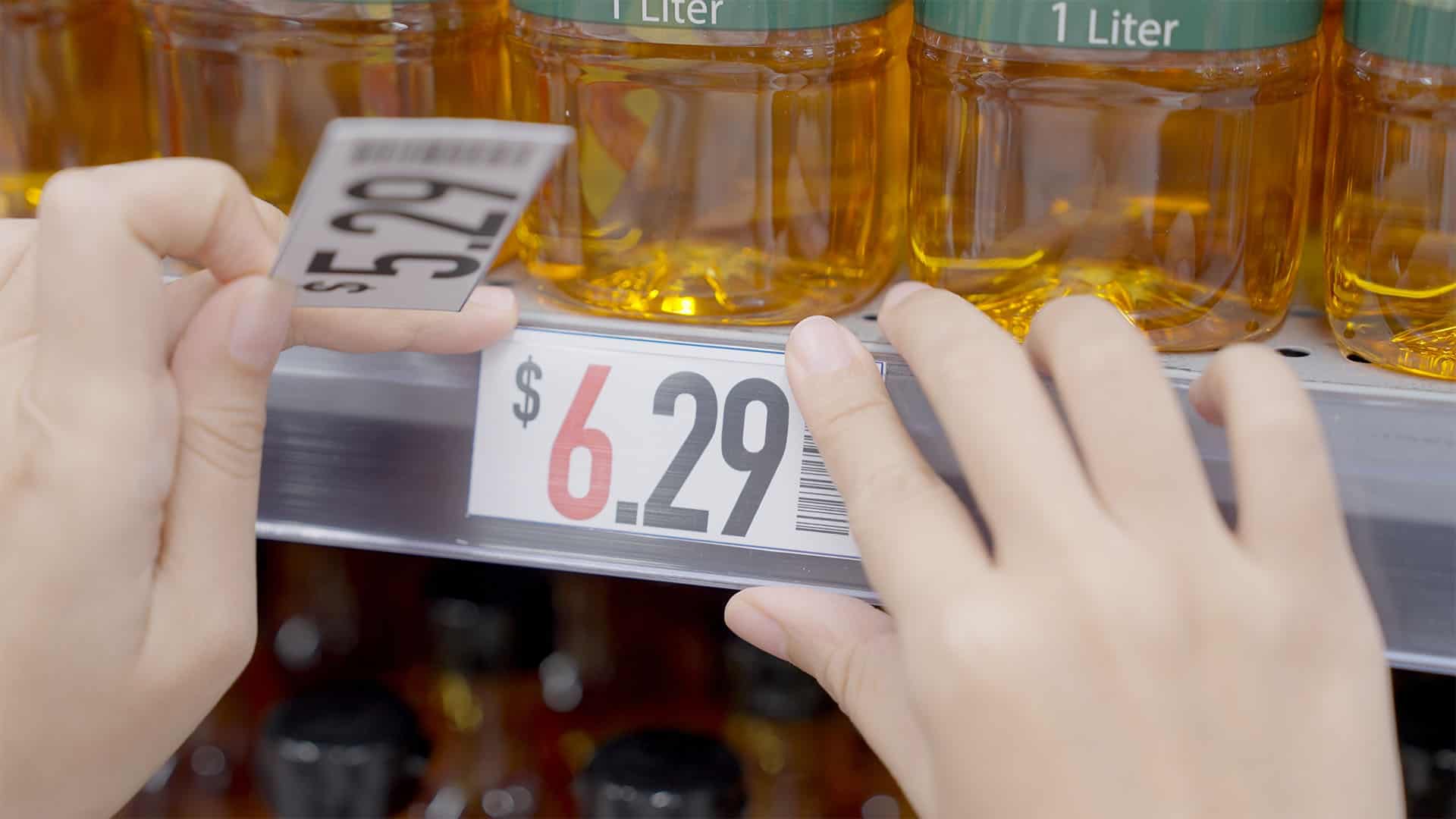
Prices on everyday items can change more often than most shoppers realize. You might grab your usual cereal one week, only to find it a dollar more the next. You might think this is due to inflation, but it's not exactly.
Supermarkets regularly adjust prices in response to changes in supply, demand, competitor promotions, or even weather conditions. These shifts aren’t always advertised, and many customers don’t notice until they reach the checkout. That’s why it’s smart to keep an eye on the prices of the items you buy most often. A small change here and there adds up over time, especially if you’re shopping for a family.
Product placement is paid for

You’ve probably noticed those big, flashy displays near the entrance or at the end of aisles, especially during holidays or around major events. They grab your attention right away, and that’s exactly the point.
What most people don’t know is that brands often pay a premium to secure those prime spots. It’s part of a carefully planned marketing strategy designed to boost visibility and increase sales. The placement alone can influence your buying decisions, and with the correct price tag, the average shopper is more likely to see a bargain, even if it is not the best deal.
Stores use scent marketing
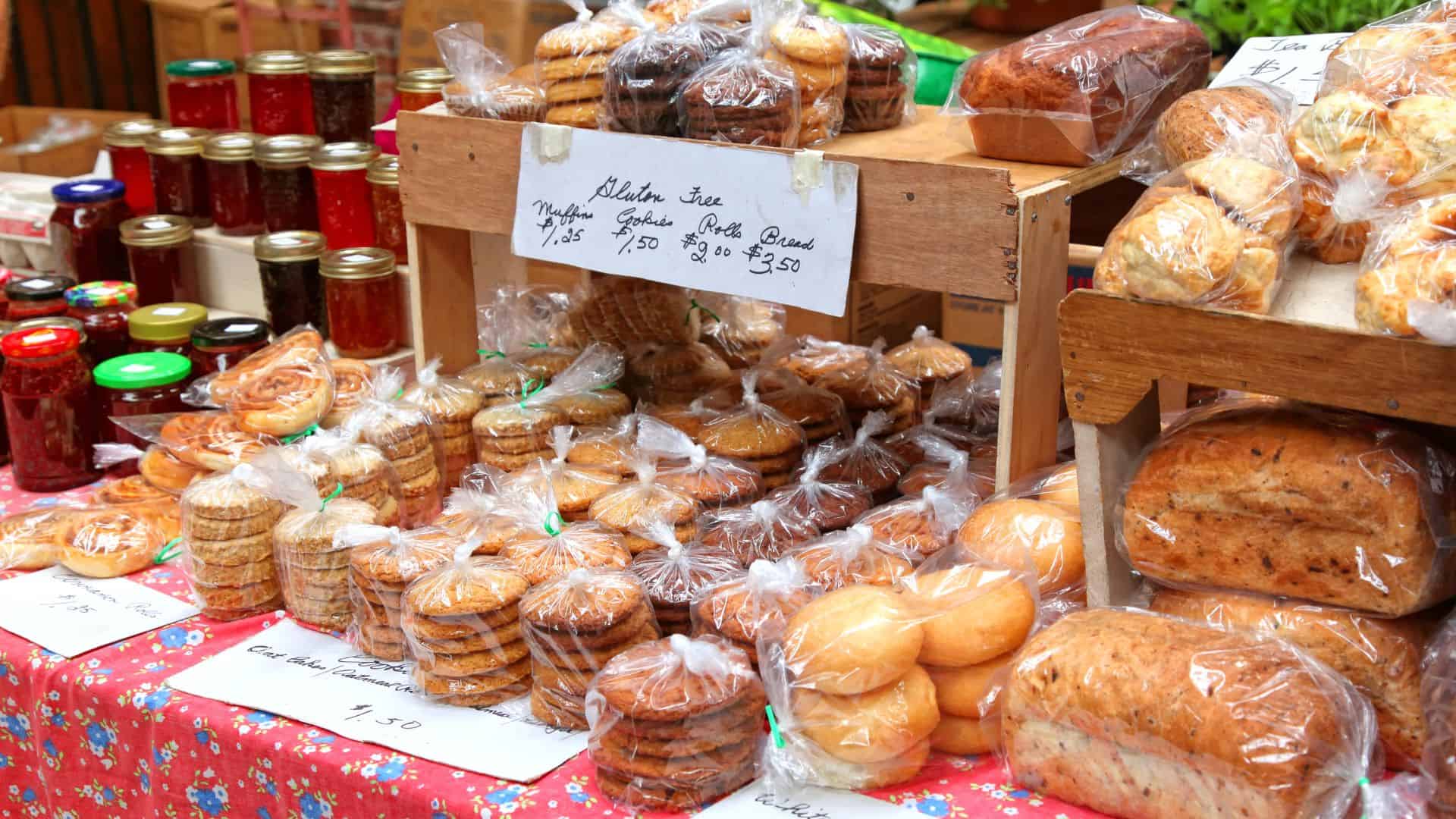
Stores know exactly how to trigger your senses and your spending. That warm, inviting smell of freshly baked bread you notice the moment you walk in? It’s no accident. Many supermarkets pump out the scent from their bakery section to make you feel hungry and more tempted to pick up items you hadn’t planned on buying.
The smell signals comfort and freshness, encouraging you to fill your cart with baked goods. It’s the same tactic fast food chains use to draw people in. Your nose makes the first decision, and your brain will tell you to buy these products.
Music is Carefully Chosen

You might not even realize it, but many supermarkets and malls have music playing in the background at all times. It’s subtle, often barely noticeable, but it’s enough to shift your mood. The songs are carefully chosen to influence your mood and the duration of your stay. Slower, calming music encourages you to stroll through the aisles instead of rushing. This trick will give you more time to shop around and check items you might not have seen or considered buying otherwise.
During the holidays, familiar tunes can spark emotions and nostalgia, encouraging you to make seasonal purchases. Retailers know that a relaxed shopper is more likely to spend, and the right soundtrack helps make that happen.
Loyalty Cards Track Your Behavior

Loyalty cards seem like a great way to score discounts, earn points, or unlock special offers, and in many ways, they are. But behind the perks is a smart strategy designed to keep you coming back.
As the name suggests, these programs are designed to foster loyalty to the store. When you swipe your card, the store collects data on what you buy, when you shop, and how much you spend. This information helps them tailor promotions and encourage repeat purchases. For the store, there’s nothing more valuable than a customer who shops regularly and does
Leave a Reply