
Rising grocery prices have changed how people think about cooking at home. While preparing meals from scratch is often framed as the cheaper option, that is not always the case. Ingredient and equipment costs, food waste, and time all factor into the real price of a meal. For certain foods, restaurants benefit from bulk purchasing, streamlined preparation, and equipment that most kitchens lack. The result is that some meals can cost less when ordered out than when made at home.
Rotisserie chicken
Roasting a whole chicken at home often costs more than expected after accounting for equipment, cooking time, and energy use. Many grocery stores sell rotisserie chickens at low margins to drive foot traffic. The price often undercuts the cost of buying and roasting a chicken at home, especially when the cleanup is considered.

Pizza
Making pizza from scratch requires flour, yeast, sauce, cheese, and toppings, many of which are sold in quantities larger than needed for one meal. Add in the time required to proof the dough, the cost of running an oven at high heat, homemade pizza can quickly surpass the price of a takeout pie. Chain pizzerias benefit from bulk ingredients and exceptional oven performance that most home ovens lack, making eating out often the cheaper option.

Sushi rolls
Sushi ingredients such as fresh fish, nori, and sushi rice can be expensive and difficult to source in small amounts. Improper storage also leads to waste. Sushi restaurants spread ingredient costs across hundreds of rolls a day, making a basic roll more affordable than attempting it at home.

Fried chicken
Frying at home requires large amounts of oil, temperature control, and proper disposal afterward. Oil alone can cost more than a restaurant meal. Fried chicken restaurants reuse oil safely across many batches, keeping per-serving costs low and avoiding waste that home kitchens cannot.

Ramen bowls
A proper ramen bowl involves broth simmered for hours, specialty noodles, and multiple toppings. Buying bones and condiments separately costs far more than a restaurant bowl. Many ramen shops rely on high volume and long prep cycles that are not practical for a single household.

Tacos
While tacos seem simple, the costs add up quickly when buying tortillas, proteins, toppings, and sauces. Restaurants purchase meat in bulk and use trimmings efficiently. Taco specials and street-style pricing often beat the cost of assembling all components at home.

Burgers
Buying high-quality ground beef, buns, cheese, and condiments can cost more than a basic burger combo. Restaurants use portions and bulk pricing to keep costs predictable. When factoring in the time it takes to perfect homemade burgers, eating out can be more economical than recreating the same meal at home.

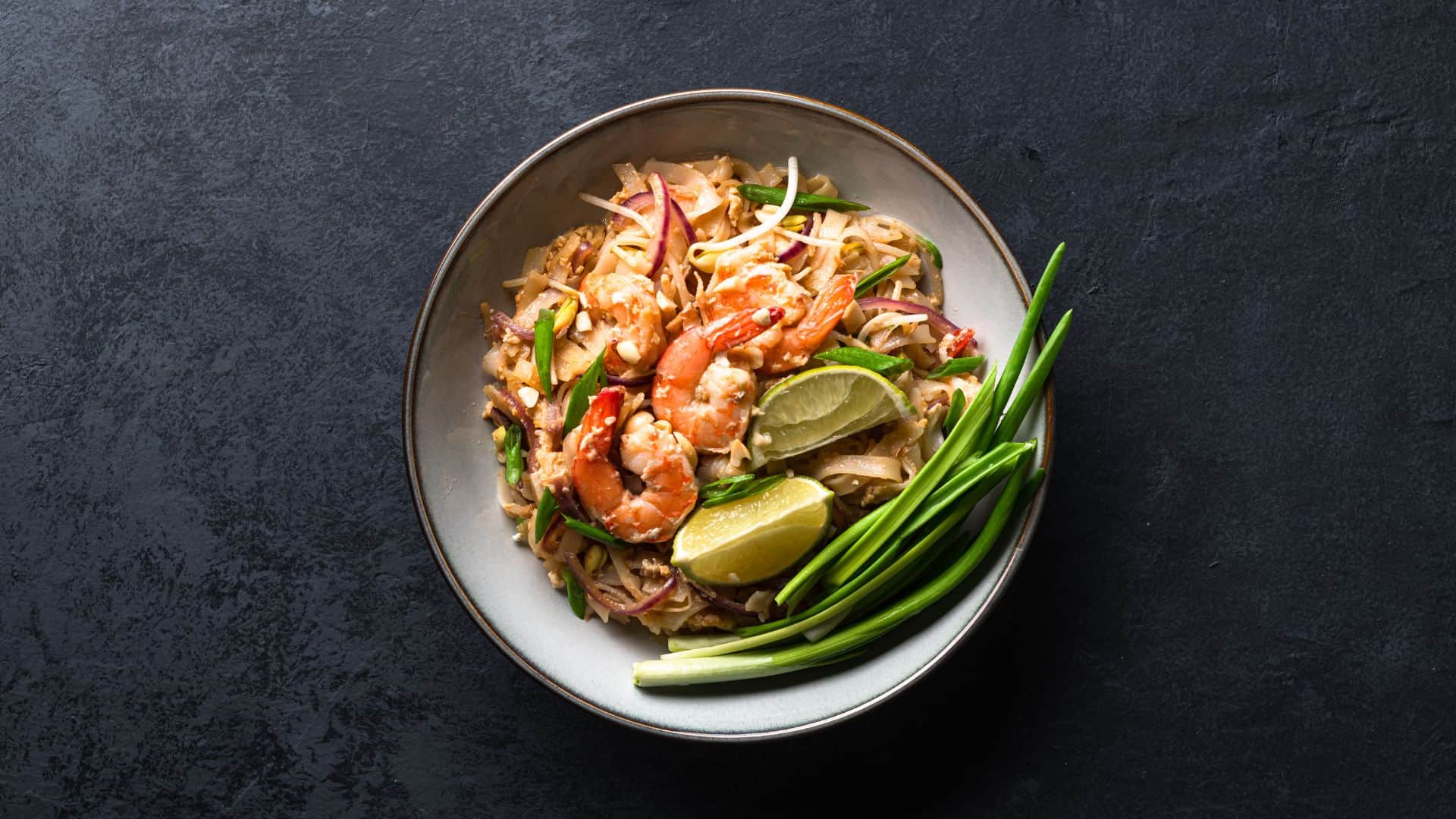
Pad thai
Pad Thai requires tamarind paste, fish sauce, rice noodles, palm sugar, and many other exotic vegetables and ingredients that are not commonly used in other dishes. Restaurants already stock these items and cook in large batches. A single restaurant order is often cheaper than buying everything needed for a home attempt.
Lasagna
Lasagna is time-consuming and ingredient-heavy. Pasta sheets, cheese, meat, sauce, and baking time add up quickly. Restaurants spread prep costs across multiple trays to avoid waste.

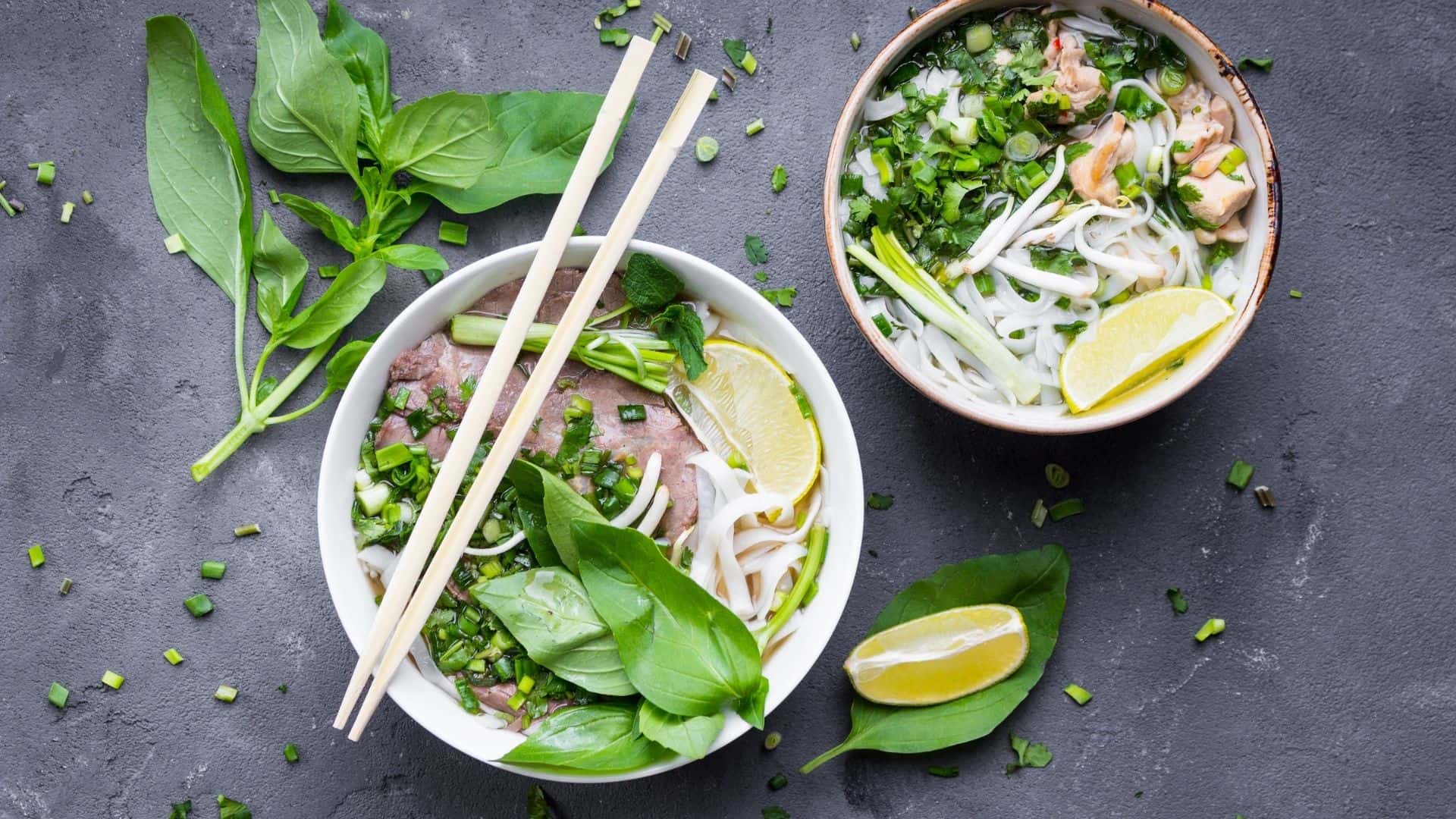
Pho
Pho broth requires hours of simmering, beef, exotic vegetables, and specialty spices. Buying bones, spices, and herbs separately often exceeds the cost of a restaurant bowl. Pho shops run large stockpots continuously, reducing per-bowl costs in a way home kitchens cannot.
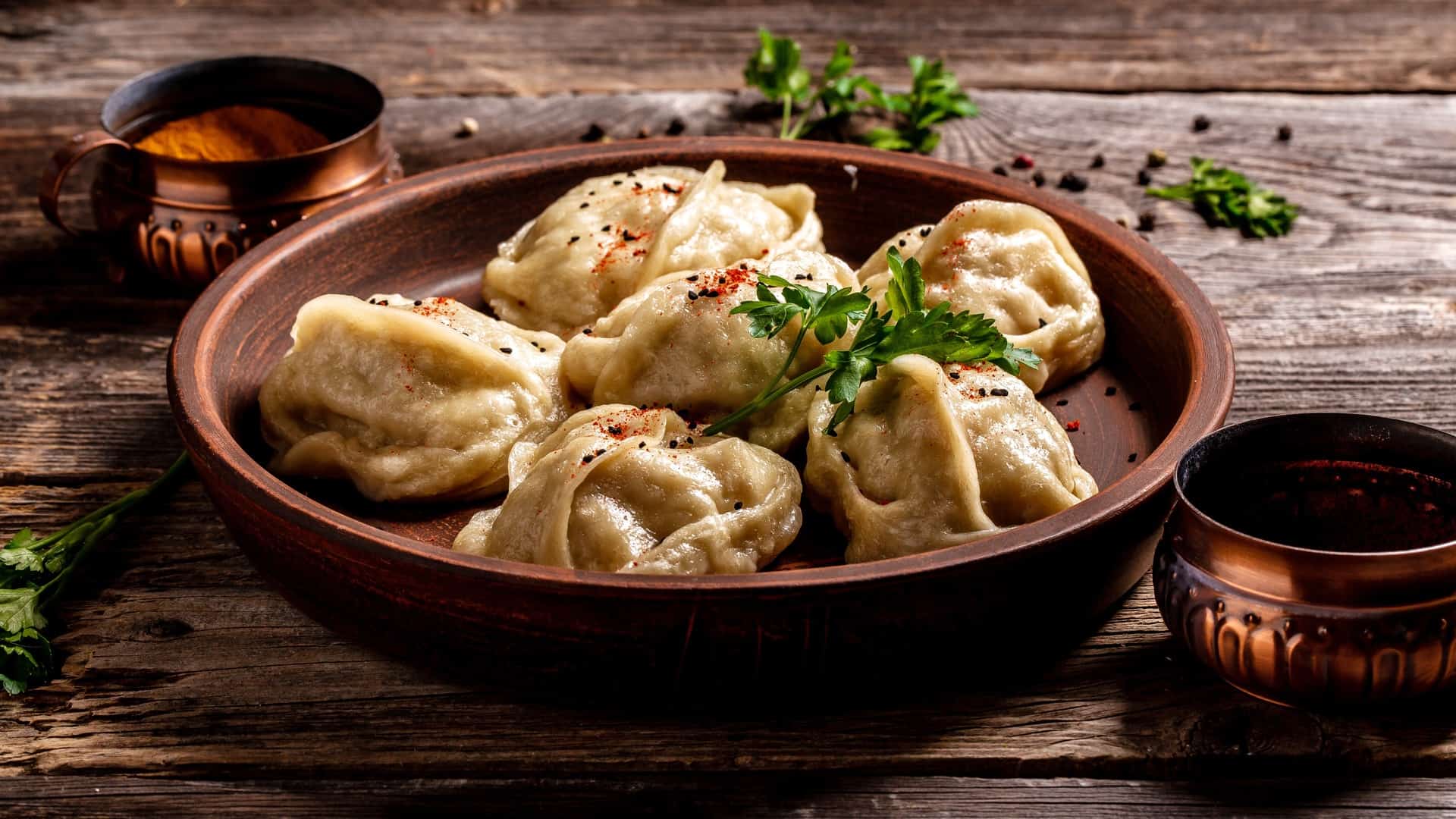
Dumplings
Making dumplings from scratch involves wrappers, filling ingredients, and significant labor. Restaurants produce dumplings at scale, making a plate cheaper than the time and ingredients required to make them at home.
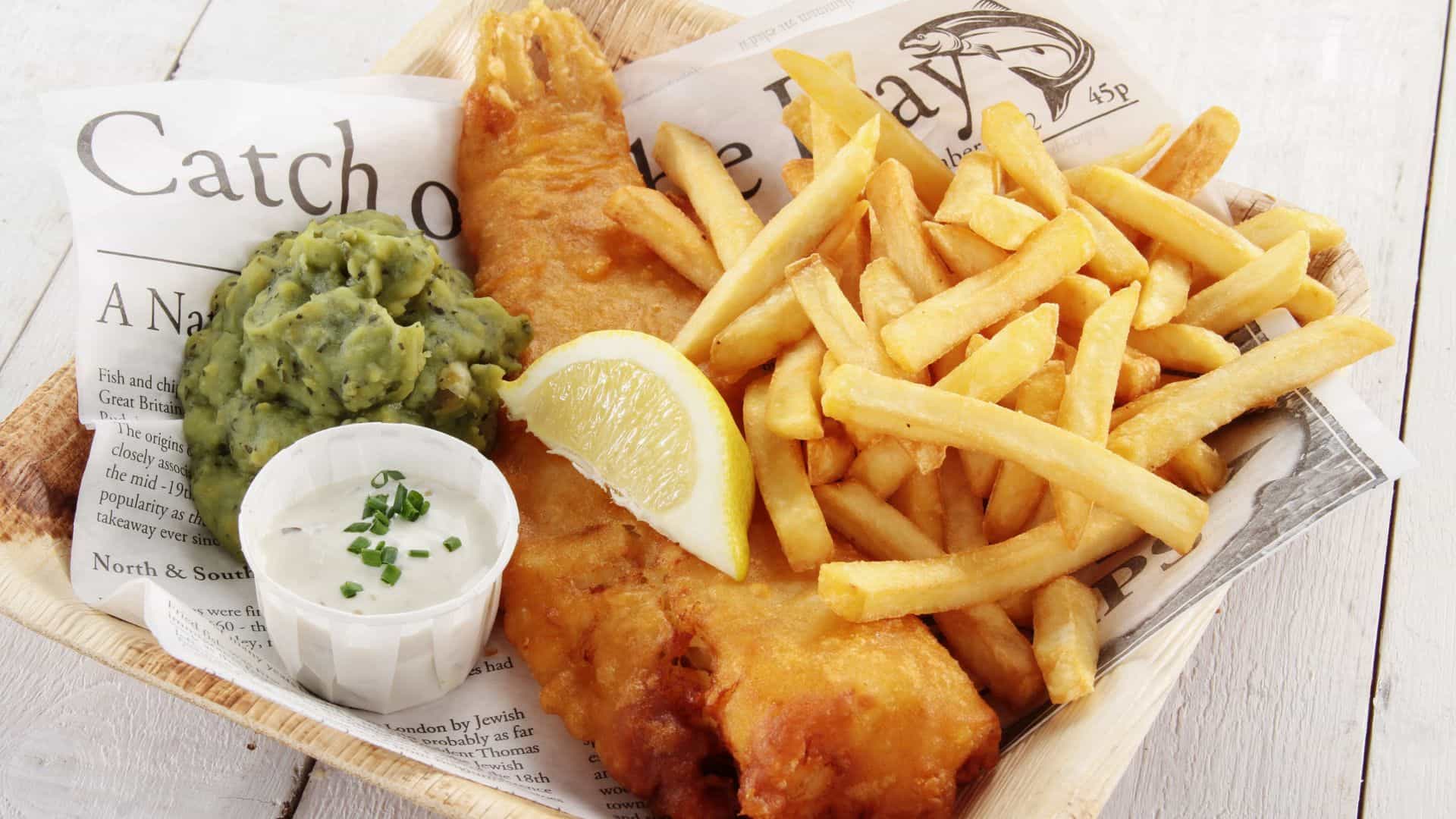
Fish and chips
Fresh fish price can be expensive, and frying requires oil, equipment, and a lot of practice to get it just right. Restaurants source fish in bulk and manage oil costs across many orders. A single fish-and-chips meal is often less expensive than buying fresh fillets and frying them at home.
How to know when eating out is cheaper than cooking at home
Eating out can cost less than cooking when the full picture is considered. Ingredient waste is often the biggest factor. Meals that require specialty sauces, spices, or oils can increase costs when those items are used only once. Restaurants spread those costs across many orders.
Portion size also matters. Grocery stores sell fixed quantities, which can result in food waste, especially for smaller households. A restaurant meal is priced per serving, with no leftovers to manage or waste.
Time and energy add to the real cost of cooking. Shopping, prep, cooking, cleanup, and utility use all count. For labor-intensive meals or those needing special equipment, restaurants often produce them more efficiently.
Reliability plays a role, too. A failed attempt at home still costs money. Restaurants reduce that risk by making the same dishes repeatedly.
Cooking at home still makes sense for many meals, especially those built around staples and leftovers. But cost is not just about ingredient prices. Waste, energy use, time, and portion size all matter. In some cases, restaurants are simply better positioned to produce certain foods efficiently and affordably.
Knowing when eating out is more cost-effective can help balance food budgets without sacrificing convenience or enjoyment.
Leave a Reply